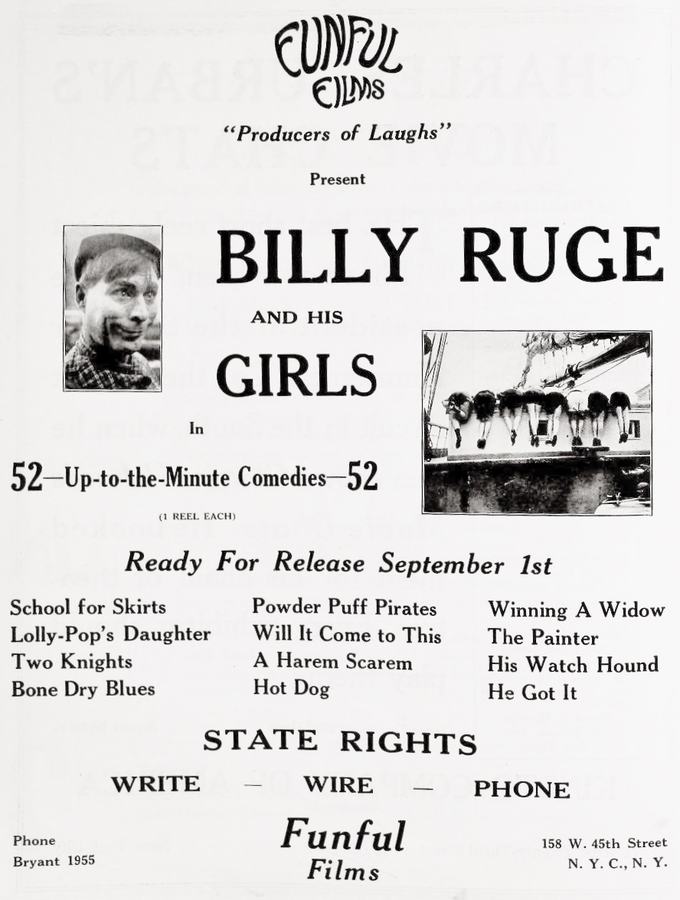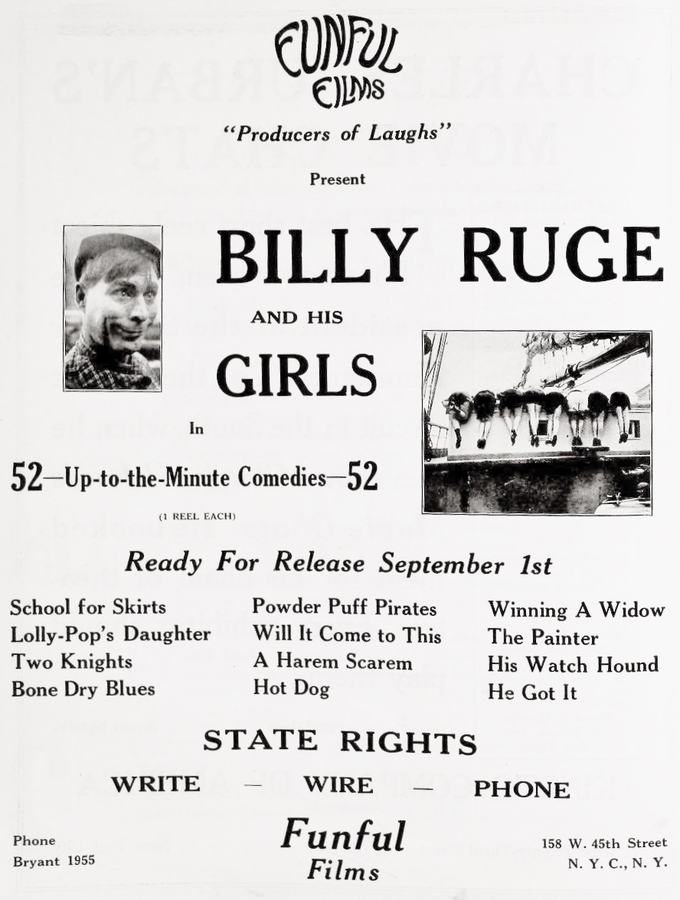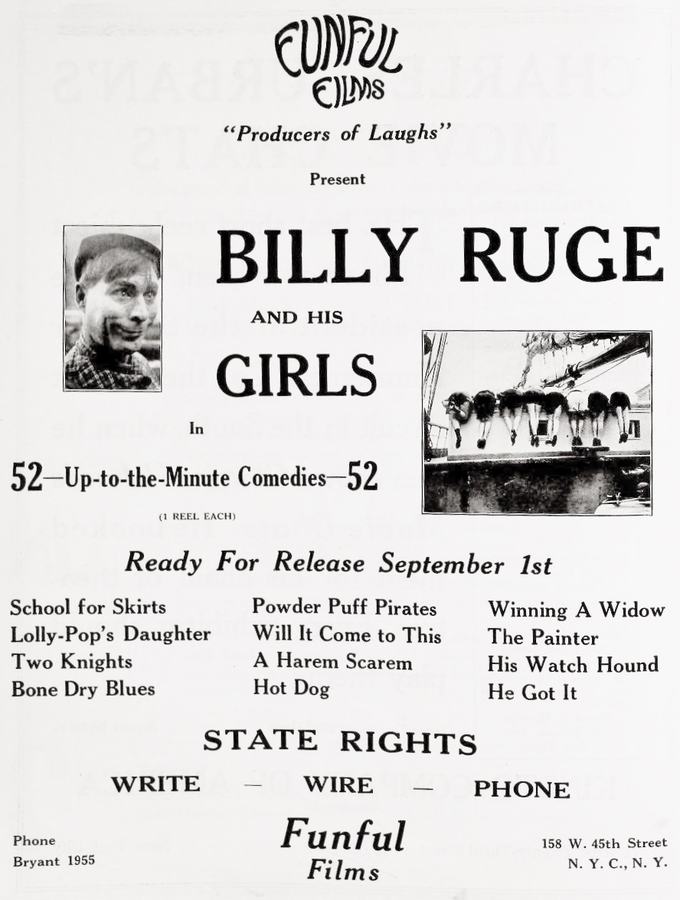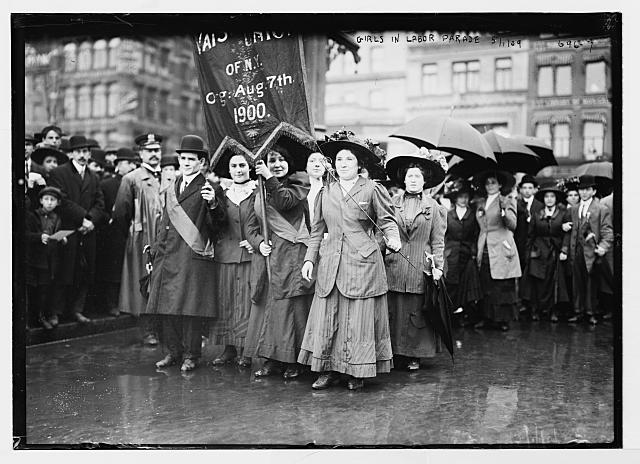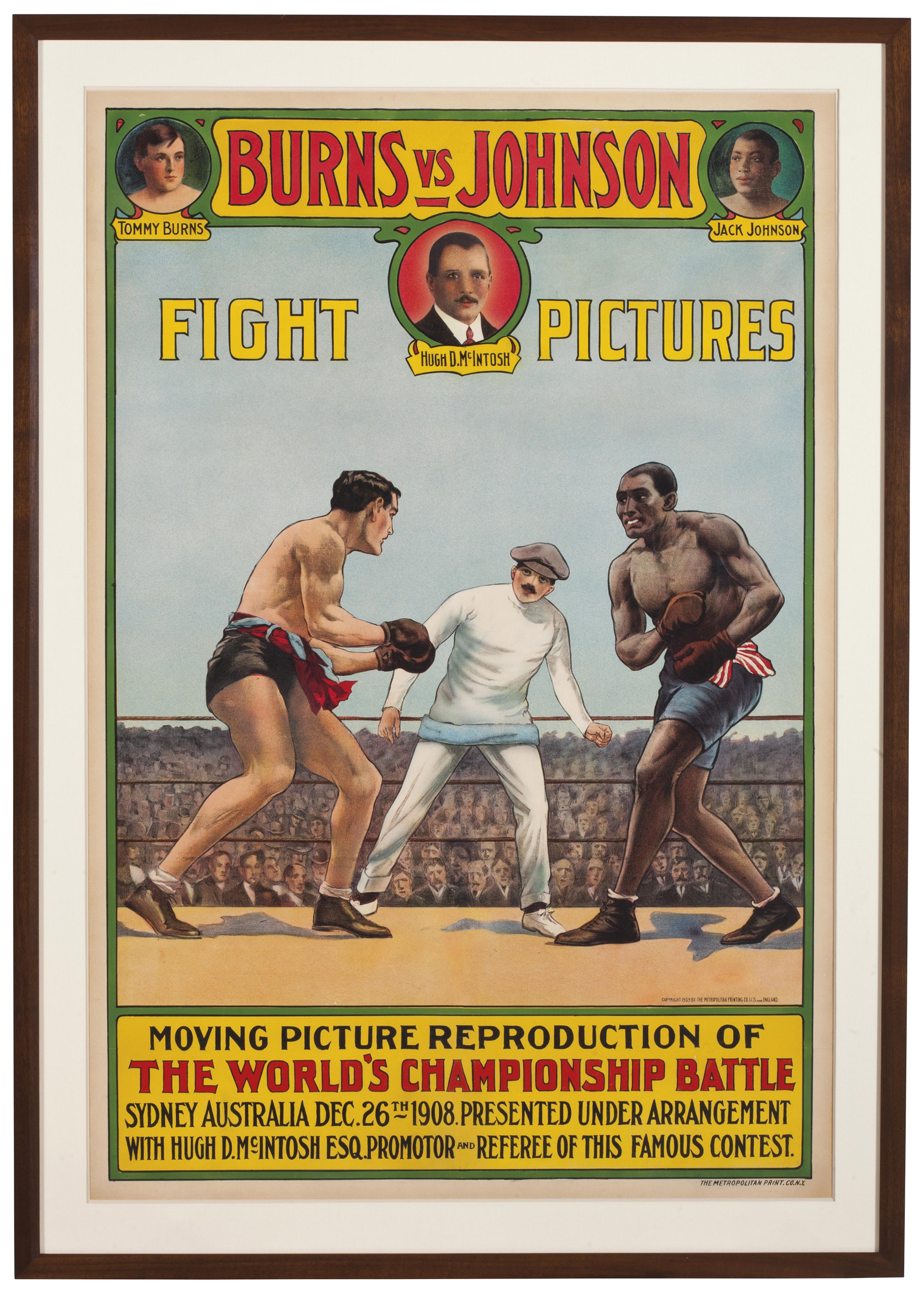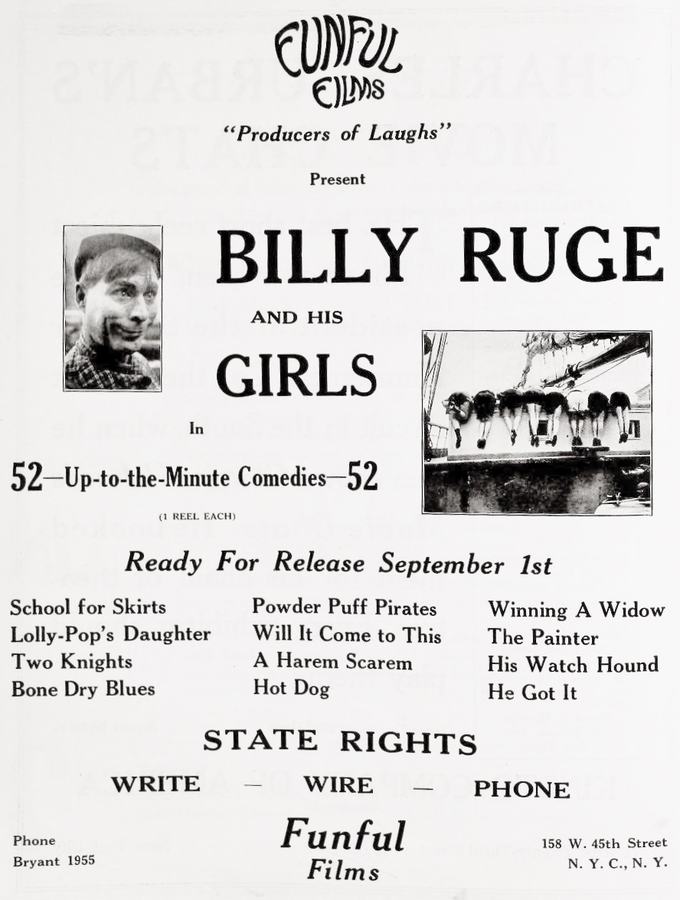
Tom Bret’s one-reel fever dream, long misfiled under urban miscellanea, detonates like a penny firecracker inside the ribcage of early American cinema. The surviving 9-minute nitrate—scorched at the edges, reeking of vinegar and molasses—plays like a children’s story that has been chewed up, swallowed, and regurgitate...
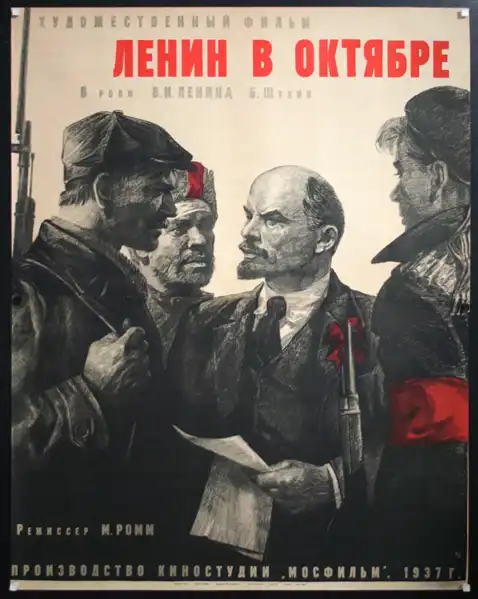
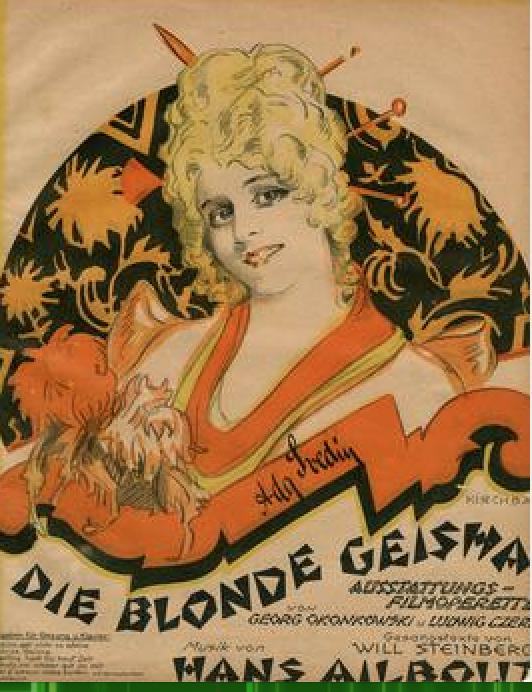
Comparing the cinematic DNA and archive impact of two defining moments in cult history.
Unknown Director
Unknown Director
Community
Log in to comment.
" Tom Bret’s one-reel fever dream, long misfiled under urban miscellanea, detonates like a penny firecracker inside the ribcage of early American cinema. The surviving 9-minute nitrate—scorched at the edges, reeking of vinegar and molasses—plays like a children’s story that has been chewed up, swallowed, and regurgitated by the metropolis itself. A Narrative Folded Like Taffy Plot, here, is less linear locomotive than taffy-pull: time stretches, snaps back, sticks to the viewer’s fingers. We ope..."