Summary
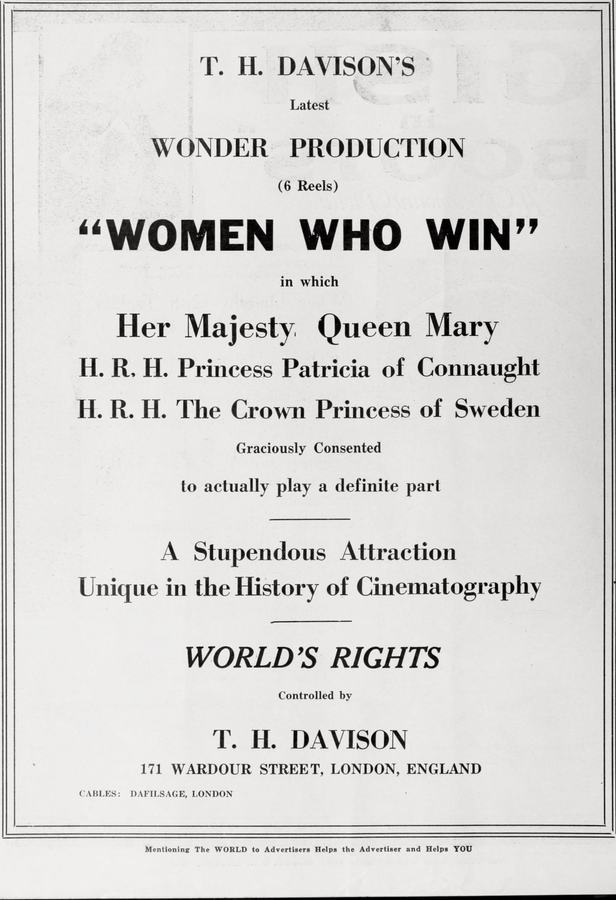
A sepia-toned elegy for Edwardian womanhood opens on a widow’s crepe-hung parlour where the air itself seems wearing bombazine; from this mausoleum of grief three daughters—each a different temperament of light—decamp to the newly minted Women’s Service Training Bureau, a brick-and-shingle utopia that promises to transmute mourning into muscle. The eldest, sylph-like yet steel-willed, apprentices herself to the surgical wards, her fingertips learning the cartography of veins while memory of a father’s last breath haunts the ether of every operating theatre. The middle girl, eyes hungry as rotary presses, trades sorrowful sonnets for ink-smudged notebooks, chasing munition-strike bulletins through alleyways where every headline is a small detonation against patriarchal calm. The youngest, whose grief had rooted itself in rose-tinted window boxes, discovers chlorophyll as rebellion: she drags wheelbarrows through bomb-gouged parks, planting lupines in the craters so that colour might outshout shrapnel. Around these three orbits a constellation of instructors—maverick surgeons, muckraking editors, botanists with soil under every nail—while suitors in khaki and tweed hover like parentheses, never quite bracketing the women’s trajectories. War crests, recedes; influenza prowls; votes for women hover like deferred thunder. By final reel the mother—once a wraith of black—stands hatless beneath a newly pollarded plane tree, watching her daughters unveil a convalescent garden for shell-shocked veterans: the nurse calmly triaging roses, the journalist dictating copy to a stenographer in a wheelchair, the gardener pressing cuttings into trembling palms as though photosynthesis itself could graft courage onto scarred tissue. Title card fades on a tableau that smells of loam and Lysol and printer’s ink: three silhouettes striding toward a horizon where widow’s weeds have unravelled into the tricolour of professions once barred to their sex.
A widow and her daughters join the Women's Service Training Bureau and become a nurse, a journalist and a landscape gardener.
Review Excerpt
"
A widow’s weeds become banners of revolt in this 1919 British sleeper that time almost erased.
In the monochrome twilight between Victorian crepe and Jazz Age lipstick, Women Who Win positions grief as the flint from which professional identity sparks. Director Percy Nash, ever the sociological voyeur after his humanitarian documentaries, refuses to sand down the jagged edges of bereavement. Instead he lets widowhood’s raw nerve endow every training-sequence montage with a pulse you can pract..."