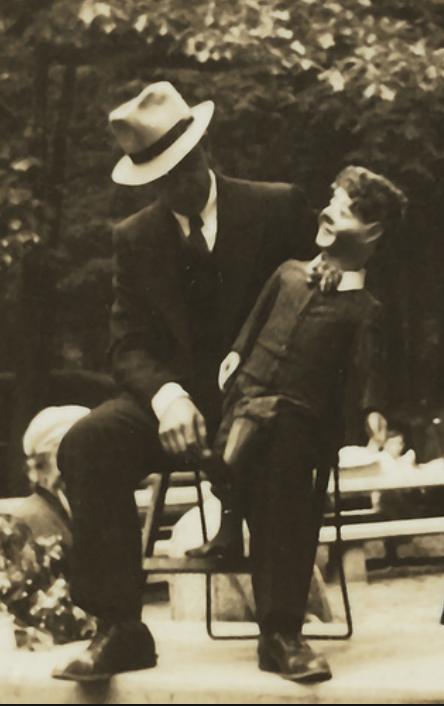
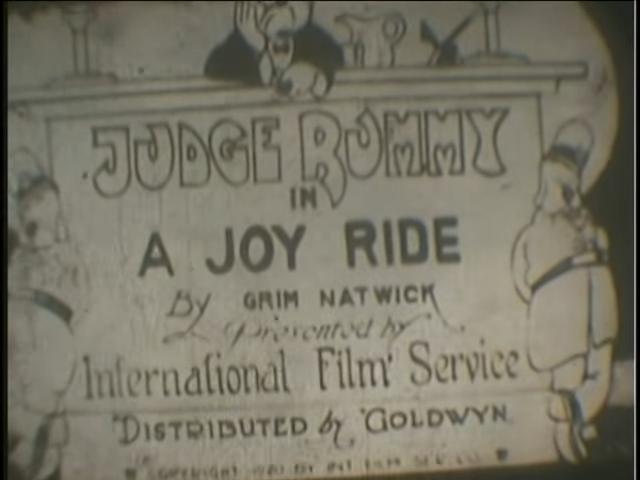
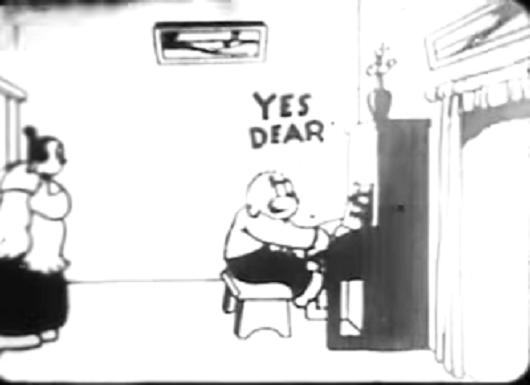
Judge Rummy's wife won't let him out of the house, so he rigs a dummy up a player piano and put a parrot inside that will reply "Yes Dear" every time she says something to the Rummy dummy. He goes out to a nightclub with a girl he picks up on the street, as Mrs.
Thomas A. 'Tad' Dorgan
United States
p,ul,blockquote{margin:0 0 1.2em 0;font-size:1.05em;} blockquote{border-left:4px solid #EAB308;padding-left:1.2em;font-style:italic;color:#EAB308;} a{color:#0E7490;text-decoration:none;border-bottom:1px dotted #0E7490;} a:hover{color:#C2410C;border-color:#C2410C;} h2,h3,h4{color:#C2410C;margin:1.8em 0 0.6em 0;font-we...
still_frame
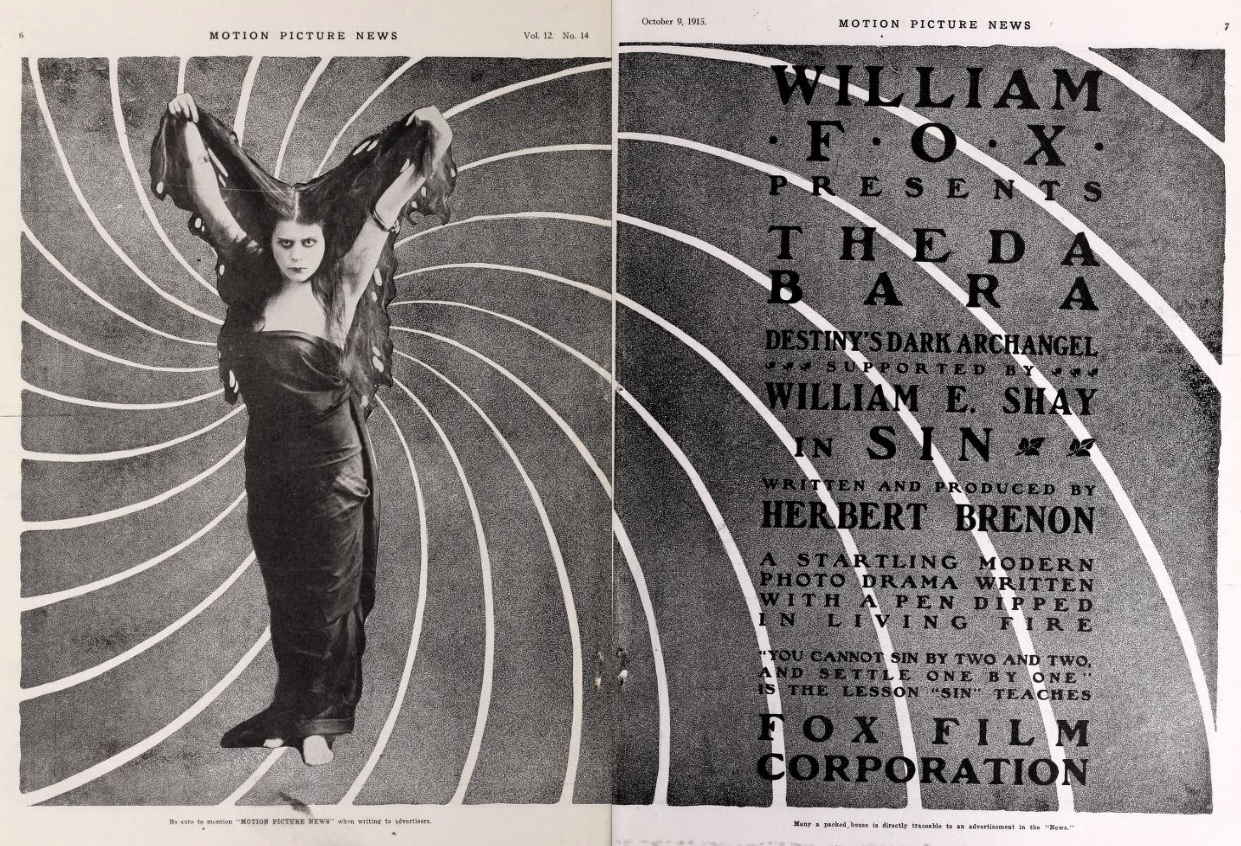
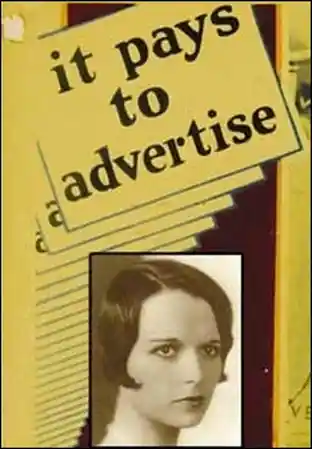
Comparing the cinematic DNA and archive impact of two defining moments in cult history.
Grim Natwick
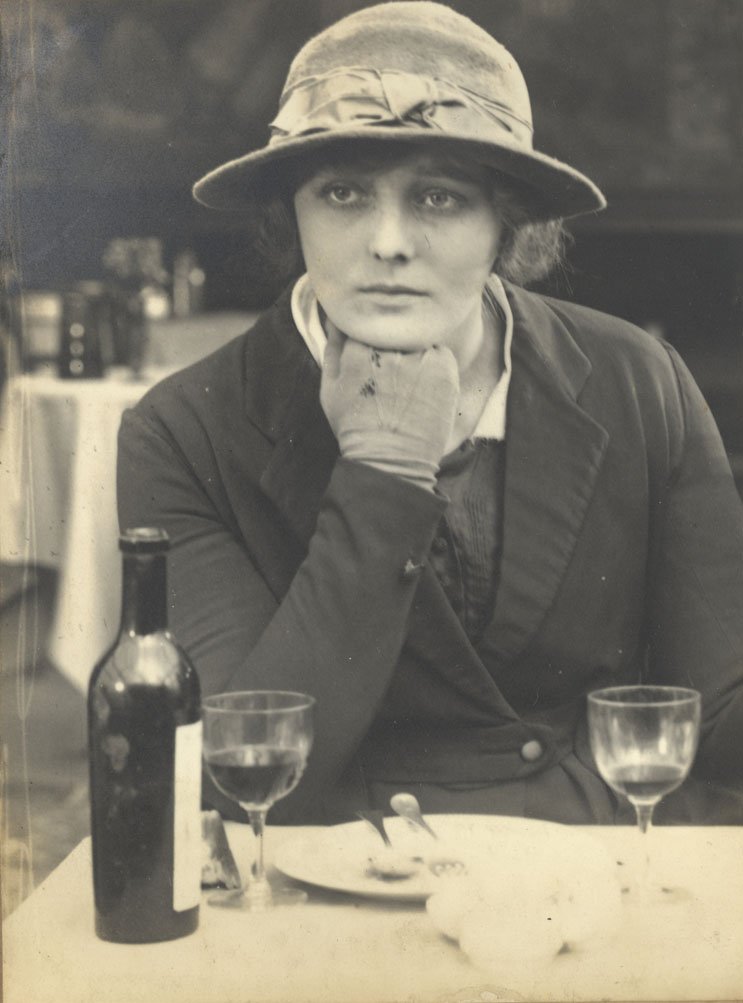
Henry Edwards
Community
Log in to comment.
" p,ul,blockquote{margin:0 0 1.2em 0;font-size:1.05em;} blockquote{border-left:4px solid #EAB308;padding-left:1.2em;font-style:italic;color:#EAB308;} a{color:#0E7490;text-decoration:none;border-bottom:1px dotted #0E7490;} a:hover{color:#C2410C;border-color:#C2410C;} h2,h3,h4{color:#C2410C;margin:1.8em 0 0.6em 0;font-weight:600;letter-spacing:0.5px;} h2{font-size:1.8em;} h3{font-size:1.5em;} strong{color:#EAB308;font-weight:700;} ul{list-style:square inside;margin-left:1em;} One can almost smel..."
Richard Smith