DbcultAccessing Vault...
6.7/10
Senior Film Conservator
A definitive 6.7/10 rating for a film that redefined the boundaries of cult cinema. The Red Inn remains a cornerstone of transgressive art.
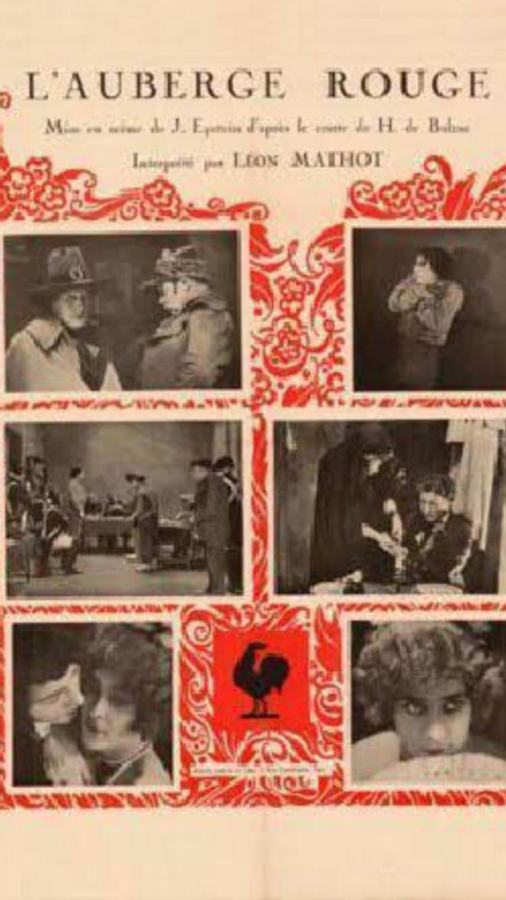
Jean Epstein’s The Red Inn, a cinematic translation of Honoré de Balzac’s chilling novella, plunges its audience into a labyrinthine narrative where moral ambiguities and the specter of fate intertwine with a relentless grip. From its very inception, the film establishes an atmosphere of oppressive dread, a tangible sense that the very fabric of justice is fragile, easily rent by circumstance and human weakness. It’s a masterful exercise in psychological suspense, eschewing overt horror for a more insidious terror that festers in the human soul, a sensation not entirely dissimilar to the quiet, unsettling dread found in works like Hedda Gabler, where internal turmoil becomes the most potent antagonist. Epstein, with the profound literary foundation laid by Balzac, crafts a world where a single, ill-conceived action can cascade into an avalanche of tragic consequences, reverberating through generations.
The story unfurls with the sudden, violent arrival of a storm, forcing two young doctors, Prosper and Frederic, to seek shelter in an isolated, ominous inn. This setting, rendered with an almost claustrophobic intensity, immediately signals that this is no ordinary respite. The inn itself, a character in its own right, oozes with foreboding, its shadows concealing more than they reveal. Upon sharing their room with a seemingly affluent Dutch diamond merchant, the stage is set for a moral descent. The merchant’s visible wealth, a beacon in the desperate night, ignites a spark of avarice in Prosper. Pierre Hot embodies Prosper with a palpable vulnerability, his youthful idealism slowly eroded by the grinding pressures of poverty and the seductive glint of easy riches. It’s a nuanced portrayal of a man teetering on the precipice, a stark contrast to the more straightforward villainy often seen, aligning more with the complex motivations explored in films like The Fall of a Saint, where good intentions can pave a path to ruin.
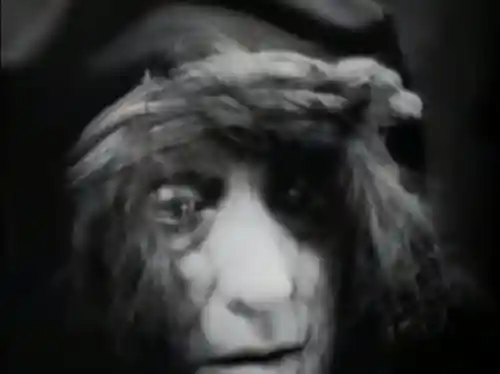
The theft itself, a furtive act in the dead of night, is merely the prologue to the true tragedy. The discovery of the merchant’s lifeless body, coupled with Frederic’s mysterious disappearance, casts a damning shadow over Prosper. Jacques Christiany, as Frederic, plays a pivotal role, his absence speaking volumes, painting him as either a cunning accomplice or the true, unapprehended culprit. The subsequent discovery of the stolen property on Prosper’s person seals his fate with a horrifying inevitability. Luc Dartagnan and Robert Tourneur, among others in the supporting cast, contribute to the grim tableau of societal judgment and the swift, unyielding hand of the law. The film masterfully portrays the brutal efficiency of an unthinking justice system, where circumstantial evidence outweighs all else, leading to Prosper’s wrongful conviction and execution. This sequence is particularly harrowing, highlighting the profound injustice that can occur when truth is obscured by appearance and prejudice, a theme that resonates with the tragic misinterpretations often depicted in narratives of moral quandary.
Epstein’s direction, informed by Balzac’s meticulous character studies, elevates the material beyond a simple crime drama. He delves into the psychological underpinnings of guilt, fear, and the corrosive power of a secret. The cinematography is particularly noteworthy, utilizing shadow and stark contrasts to amplify the film's pervasive mood. The dim, flickering light within the inn, the stark exteriors battered by the storm, all conspire to create a visual language that speaks volumes about the characters' internal states. This visual storytelling, reminiscent of the atmospheric tension in The Night Rider, ensures that the audience feels the weight of Prosper's predicament, the crushing burden of a crime he did not fully commit but for which he pays the ultimate price. Gina Manès and Madame Delaunay, though perhaps in smaller roles, contribute to the ensemble's rich tapestry, each face telling a story, each glance adding to the psychological texture of the narrative.
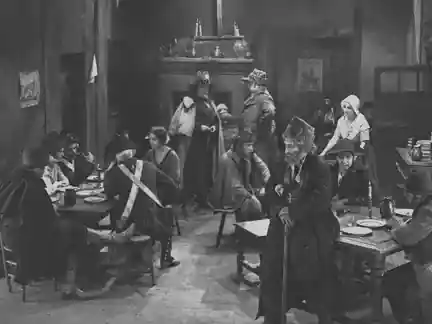
The true genius of the narrative, however, lies in its temporal leap. Twenty-five years later, the innkeeper's daughter, now Clairette de Savoye, an older, wiser woman, recounts the chilling events of that fateful night to a traveler. Clairette’s performance is a quiet tour de force, her eyes holding the weight of years of unspoken witness, her voice imbued with the melancholy of past horrors. This act of storytelling, a narrative frame within a frame, then takes another turn when the traveler, in turn, relates the tale at a sophisticated dinner party. It is here, amidst the veneer of polite society, that the film delivers its most potent emotional blow. Jean-David Évremond, André Volbert, and Léon Courtois are among the guests, their reactions a microcosm of human nature: curiosity, disbelief, and perhaps, a hint of unease. The reveal that Frederic Taillefer, the missing friend and actual murderer, is present among the diners is a stroke of narrative brilliance, a twist that redefines the entire preceding tragedy. Thomy Bourdelle, René Ferté, Henri Barat, Marcelle Schmitt, and Léon Mathot, as various dinner guests, help to build the tension of this climactic scene, their collective presence magnifying the horror of the revelation.
This final revelation forces the audience to re-evaluate everything they have witnessed. It transforms the initial tragedy from a simple miscarriage of justice into a profound meditation on the capriciousness of fate, the insidious nature of unresolved guilt, and the unsettling truth that evil often walks unpunished, cloaked in respectability. Frederic’s presence, his quiet, unperturbed demeanor, speaks volumes about the human capacity for self-preservation and the chilling indifference of the universe. It’s a narrative technique that echoes the complexities of moral choice found in films like Between Men or even the psychological depth of Der Yoghi, where the internal landscape of characters dictates the external drama.
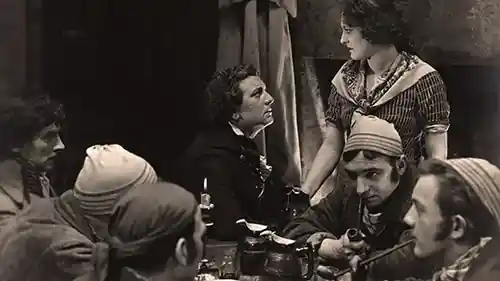
Epstein’s faithful yet innovative adaptation of Balzac’s work is a testament to the enduring power of classic literature translated to the screen. He captures the essence of Balzac’s psychological realism, his keen observation of human nature, and his unflinching portrayal of society’s flaws. The film doesn't just tell a story; it probes at the very definition of justice, asking whether true justice can ever be served when hidden truths persist. The dark irony of Frederic living a prosperous life while Prosper met a tragic end is a bitter pill, a comment on the arbitrary nature of consequence. This moral ambiguity is one of the film's greatest strengths, leaving the audience to grapple with uncomfortable questions long after the credits roll.
The performances across the board, from the desperate vulnerability of Pierre Hot's Prosper to the understated menace of Jacques Christiany's Frederic, are uniformly strong, grounding the fantastical elements of the plot in raw human emotion. Clairette de Savoye's portrayal of the innkeeper's daughter as she recounts the events is particularly poignant, serving as the moral compass and chronicler of the past. The collaborative effort of writers Honoré de Balzac and Jean Epstein ensures that the narrative remains taut, layered, and deeply resonant. Every scene, every shot, contributes to the overarching sense of inescapable destiny, a feeling akin to the inexorable march of fate in The Covered Schooner, where characters are often at the mercy of forces beyond their control.
The Red Inn is more than just a period drama; it is a timeless exploration of human fallibility, the ease with which one can be condemned, and the enduring burden of secrets. The film's meticulous attention to atmosphere and psychological detail makes it a compelling watch, a haunting tale that lingers in the mind, prompting reflection on themes of morality, accountability, and the elusive nature of truth. It stands as a powerful example of early French cinema's capacity for profound storytelling, demonstrating how a well-crafted narrative, even without the technological advancements of later eras, can plumb the depths of human experience with startling effectiveness. Its influence can be seen in subsequent thrillers that rely on psychological tension over explicit violence, a clear precursor to many modern suspense films. This film, with its intricate plot and deep character exploration, offers a richness that few films of its era, or any era, truly achieve.
The lingering question of Frederic’s ultimate fate, or rather, his lack of one, is what truly defines The Red Inn as a masterpiece of moral ambiguity. It challenges the conventional notions of cinematic justice, refusing to offer easy answers or convenient retribution. Instead, it presents a stark, unsettling reality where the guilty prosper and the innocent suffer, a narrative choice that speaks volumes about the human condition and the often-unjust world we inhabit. The film’s deliberate pacing allows for a slow burn of tension, building steadily towards its devastating climax, ensuring that the impact of the final revelation is maximized. The use of limited locations, primarily the oppressive inn and the elegant dinner party, focuses the audience's attention on the internal drama, the psychological battles being waged within the characters. It's an artful demonstration of how constraint can breed creativity, enhancing the film's thematic resonance. The enduring power of Balzac's original story, filtered through Epstein's visionary direction, creates a cinematic experience that is both intellectually stimulating and emotionally resonant.
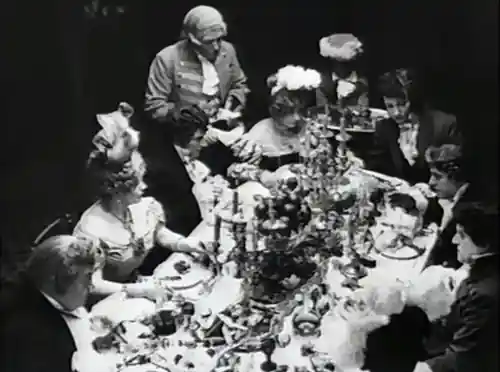
One cannot overlook the film's contribution to the broader landscape of French cinema, showcasing a sophisticated approach to storytelling that prioritizes character depth and thematic complexity. It’s a film that asks profound questions about morality, responsibility, and the long shadow of the past. The performances of the entire ensemble cast, including Luc Dartagnan, Robert Tourneur, Gina Manès, Madame Delaunay, Jean-David Évremond, André Volbert, Léon Courtois, Thomy Bourdelle, René Ferté, Henri Barat, Marcelle Schmitt, and Léon Mathot, each contribute to the rich tapestry of human experience depicted. Each face tells a story, each reaction adds a layer to the intricate web of deceit and consequence. The film, in its quiet intensity, suggests that some crimes, though hidden from the law, are never truly forgotten, existing as a silent testament to human cruelty and indifference. This enduring legacy of guilt, passed down through generations of storytelling, is what makes The Red Inn a truly unforgettable and deeply disturbing cinematic experience. It is a stark reminder that the darkest corners of human nature often reside not in monstrous acts, but in the quiet complicity and the unpunished transgressions that haunt the fringes of society.
In a cinematic landscape often dominated by clear-cut heroes and villains, The Red Inn stands apart, offering a more nuanced, unsettling vision of morality. It’s a film that resonates with the complexities of real life, where consequences are not always just, and truth can remain buried for decades. The deliberate choice to end not with a dramatic confrontation, but with the quiet, horrifying realization of Frederic's presence, speaks volumes about Epstein's artistic intent. It leaves the audience with a sense of profound unease, a chilling understanding of the world's inherent unfairness. This narrative courage, to deny the audience a cathartic resolution, firmly places The Red Inn among the ranks of timeless psychological thrillers that prioritize intellectual engagement over simple entertainment. It’s a film that demands reflection, a true gem of early cinema that continues to provoke and disturb, a testament to the enduring power of Balzac's dark genius and Epstein's masterful adaptation.

IMDb —
1920
Community
Log in to comment.