Summary
Across smoky cafés and blood-flecked rings of post-war Marseille, a featherweight Yank they call the Kid—callow, flush with pugilistic hubris—wagers his heart against the green fairy of absinthe and the jaundiced monarch of rye. Old King Booze, corpulent and sly, lounges in cut-glass tumblers, whispering that every jab at the bar is a rehearsal for the knockout to come; the Kid’s sweetheart, a flapper with bee-stung lips and eyes sharp as guillotines, watches the ritual, boredom calcifying into contempt. When his stagger home ends in her haymaker of dismissal—knuckled words, suitcase thud, door slam—our hero is exiled from the very country he never bothered to leave. Down at the docks, barnacled managers wave contracts like surrender flags: a prizefight against a moustachioed French virtuoso whose gloves, rumor insists, are lacquered in a cocaine-of-the-ring, a powder that turns arenas into kaleidoscopes. Come fight night, under carbide suns of publicity flashbulbs, the bell clangs; the resin dust rises like incense. Half-blinded, the Kid staggers through vertiginous fog—fists phantom, ropes melting—absorbing a madrigal of uppercuts that drum Morse code on his ribs. Between rounds he sponges his swollen sockets, tasting iron, seeing star-fields. Yet from the canvas of near-defeat he dredges a primal chord: a single seismic right-cross that detonates against Gallic cartilage, sending sweat in holy parabolas, crowd in Pentecostal roar, and the referee’s arm skyward in benediction. Triumph tastes of salt, ether, and the faintest ghost of forgiveness.
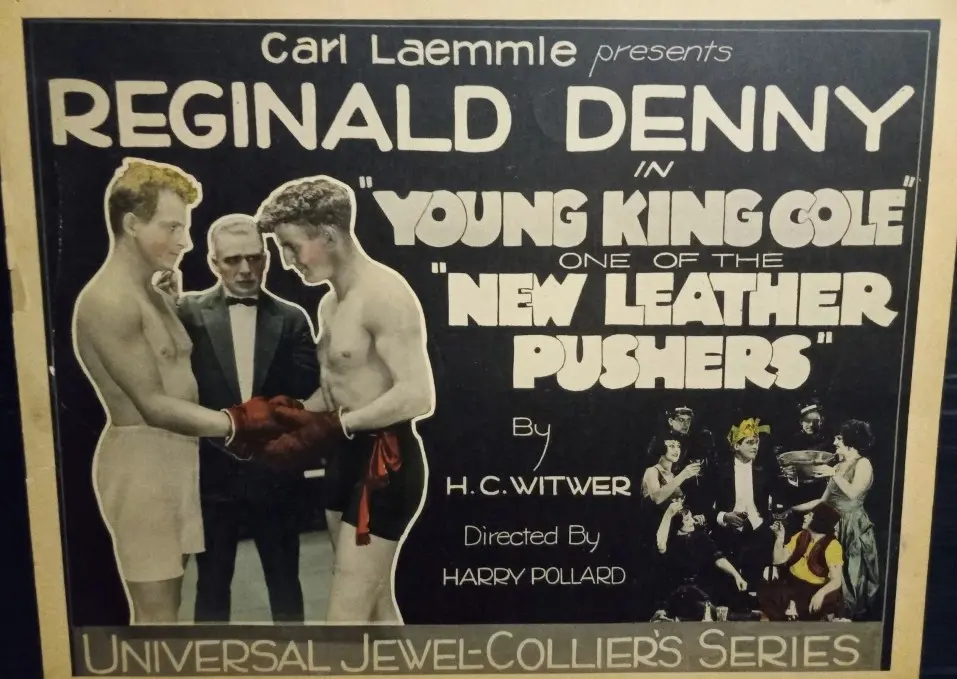
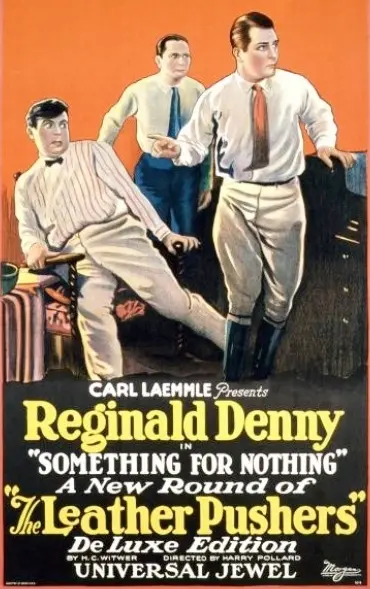
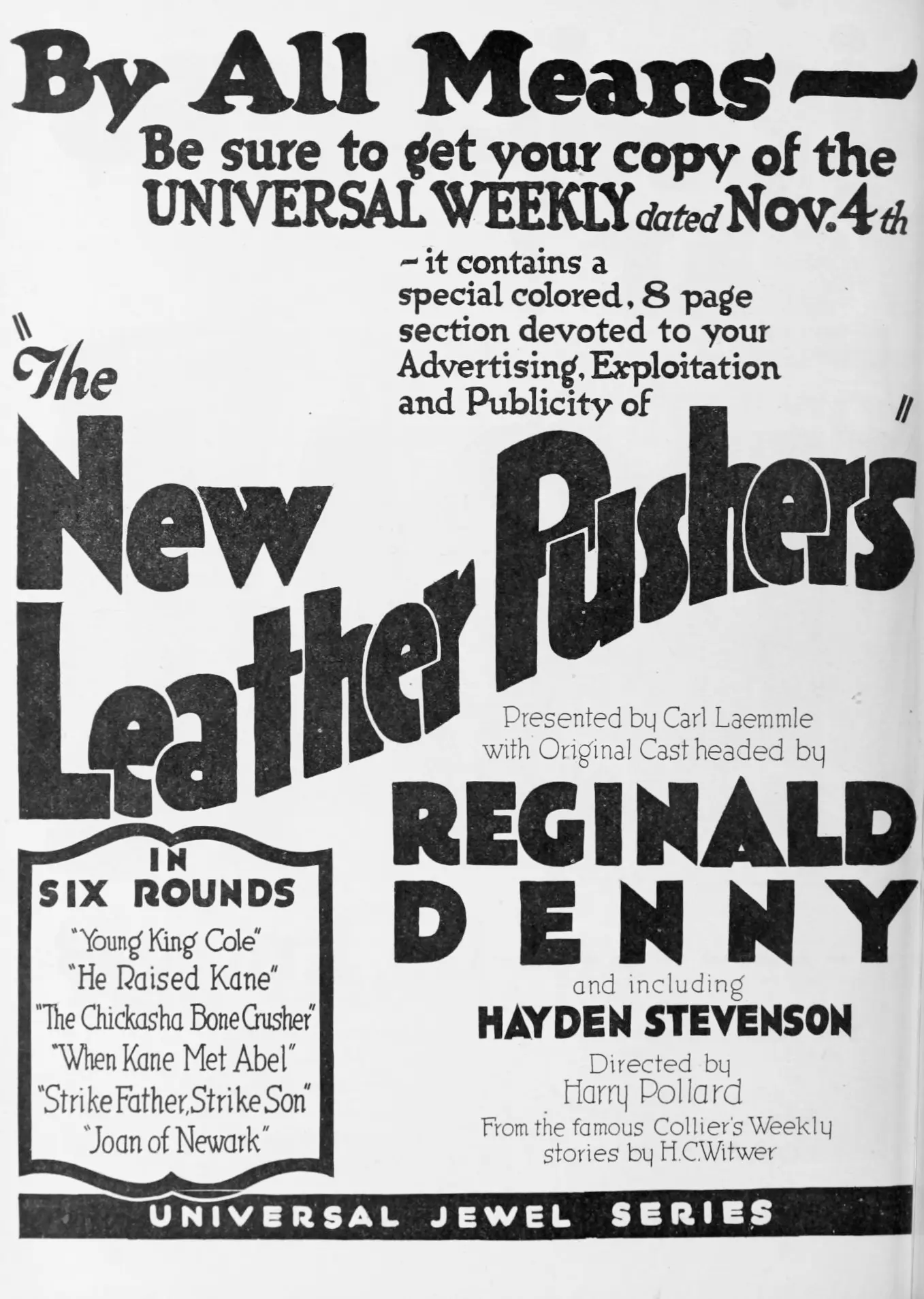
The "Kid'' is abroad. First he has a couple of rounds with old King Booze which results in his girl giving him a K. O. punch. In the big scene he fights a Frenchman who puts dope on his gloves which causes the Kid to be unable to see distinctly. He gropes around with his eyes nearly closed and takes a good beating while resting his eyes, but finally comes back with a mighty wallop and wins the fight.
Review Excerpt
"
A hallucination in ten rounds—how H.C. Witwer’s yarn lands flush on the retina almost a century later.
There is a moment, right after the bell for the seventh, when the camera in Young King Cole refuses to cut away: Reginald Denny’s lids are slits, the iris swimming in chemical milk, and the French opponent’s gloves—allegedly tipped with dope—blur into four, then six, then a hydra of phantom fists. The lens itself seems concussed, drifting in and out of focus as if the celluloid were breathing ..."