DbcultAccessing Vault...
6.5/10
Senior Film Conservator
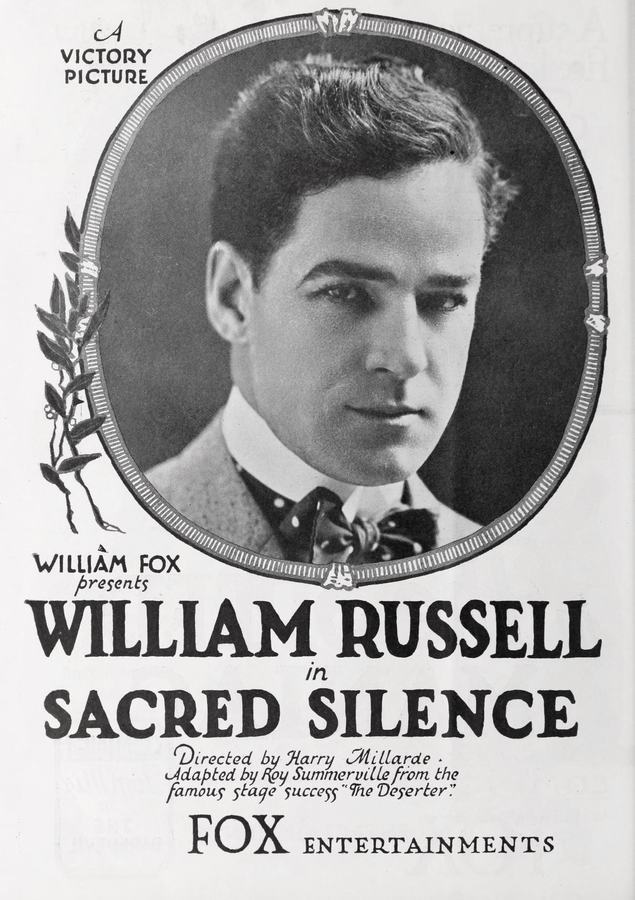
A definitive 6.5/10 rating for a film that redefined the boundaries of cult cinema. Sacred Silence remains a cornerstone of transgressive art.
The flickering shadows and grand gestures of early cinema often hold a mirror to the timeless complexities of human nature, and Sacred Silence stands as a stark, compelling testament to this enduring power. Released in an era when narrative storytelling in film was rapidly evolving, this picture masterfully weaves a tapestry of illicit love, profound betrayal, and the relentless pursuit of justice, all set against a backdrop of rigid societal expectations and the unforgiving codes of military honor. It's a melodrama, certainly, but one imbued with a psychological depth that elevates it beyond mere theatricality, offering a potent exploration of characters driven to desperate acts by passion, pride, and the crushing weight of circumstance.
At its core, the film unravels the tragic entanglement of Lieutenant Ralph Harrison, a young officer whose affections become dangerously fixated upon the Major Marston's wife. This isn't a simple romance; it's a predatory dance, with Mrs. Marston, portrayed with chilling ambiguity, feigning reciprocal love, drawing Harrison deeper into a web of deceit. Her motivations remain shrouded, perhaps a desire for excitement, perhaps a manipulative streak, but her actions set in motion a chain of events that will devastate multiple lives. James Morrison, as Harrison, conveys a youthful vulnerability, a man blinded by infatuation, making his eventual downfall all the more poignant. His earnestness, juxtaposed with Mabel Julienne Scott's enigmatic Mrs. Marston, creates a dynamic tension that crackles from their initial scenes.
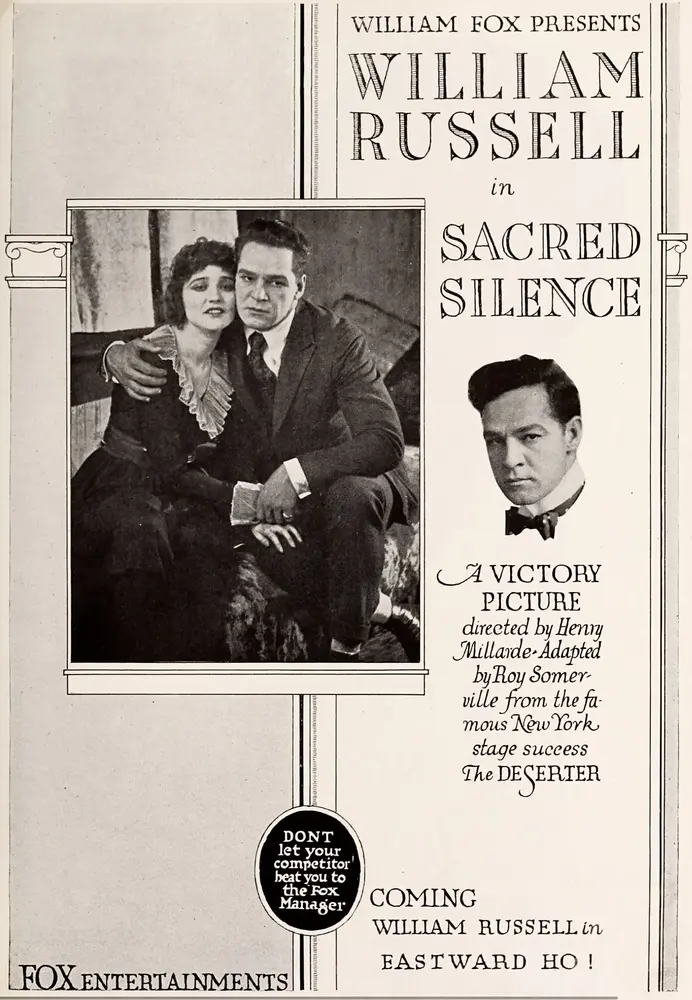
The specter of dishonor, a pervasive theme in the social fabric of the period, looms large over Harrison. His mother, sensing the perilous path her son treads, makes a desperate plea to Captain Jim Craig, portrayed by the stoic and honorable Tom Brooke. Her appeal isn't merely for intervention, but for salvation—to rescue her son's reputation and perhaps his very soul from the ignominy of scandal. This maternal anguish adds a layer of pathos, highlighting the devastating ripple effects of Harrison's indiscretion. Craig, a man of integrity, accepts this heavy burden, setting in motion a series of events that will irrevocably alter his own destiny. His visit to Mrs. Marston, intended as a discreet confrontation, spirals into chaos with Harrison's unexpected arrival. The ensuing quarrel, fueled by jealousy and wounded pride, results in Harrison sustaining a shoulder wound. This moment, swift and violent, is a pivotal turning point, demonstrating how quickly controlled situations can erupt into irreversible tragedy. The accidental nature of the injury, yet its profound consequences, echoes the arbitrary cruelties of fate seen in other period dramas where honor dictates every action, much like the rigid social codes explored in A Gentleman's Agreement.

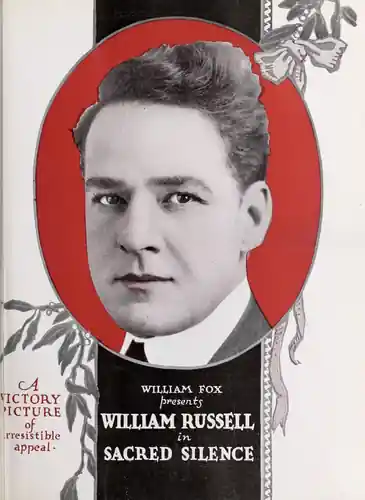
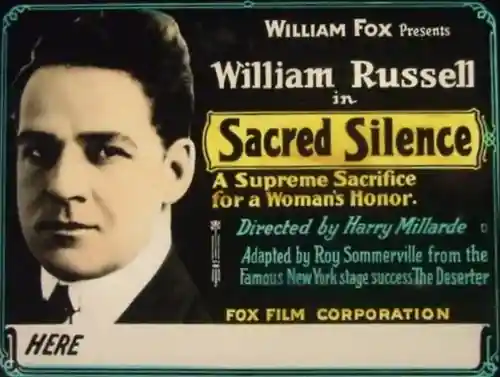
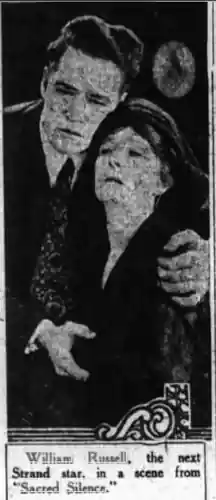
Craig’s departure, meant to de-escalate, instead leaves Harrison vulnerable. It is here that William Russell's Major Marston enters the scene with a chilling precision. Discovering the wounded lieutenant, the Major's reaction is not one of compassion, but of cold, calculating rage. The murder of Harrison, and the subsequent framing of Craig, is a masterstroke of villainy, painting Marston as a man capable of profound cruelty when his patriarchal domain is threatened. Russell imbues the Major with a sinister calm, making his actions all the more disturbing. The immediate aftermath sees Craig thrust into the role of a fugitive, fleeing not from guilt, but from the crushing weight of a fabricated scandal that threatens to engulf his entire existence.
The subsequent chapters of Craig's journey introduce a fascinating element of espionage and romance. Madge Summers, portrayed by the elegant Agnes Ayres, is no damsel in distress; she is an agent of the Secret Service, tasked with tracking down the falsely accused captain. Ayres brings a compelling blend of intelligence and resilience to the role, a refreshing departure from some of the more passive female characters of the era. Her pursuit of Craig is initially professional, a duty-bound endeavor. However, as their paths intertwine, a deeper connection forms, born out of shared adversity and perhaps, a mutual recognition of integrity. The blossoming of their love amidst the tension of a manhunt adds a layer of romantic idealism to the grim realities of Craig's situation. This dynamic, where romance blossoms against a backdrop of intrigue and danger, is a recurring trope in early thrillers, reminiscent of the intricate plots found in films like The Cambric Mask, where secret agents and hidden motives often define the romantic landscape.
Despite their burgeoning affection, destiny, or perhaps the relentless machinery of justice, catches up with Craig. His arrest and return to the army post mark a return to the very crucible of his suffering, a place where his honor remains stained. The narrative, however, is far from over. The true villain, Major Marston, begins a slow, terrifying descent into madness. The weight of his wife's infidelity, an open wound on his pride, gnaws at his sanity. This psychological breakdown is depicted with a raw intensity, showcasing the destructive power of guilt and jealousy. George MacQuarrie's portrayal of the Major's unraveling is particularly noteworthy, capturing the gradual erosion of a man's mind under extreme duress. His madness culminates in a second, equally shocking act of violence: the murder of his own wife. This desperate deed, however, proves to be his undoing, as it precipitates a confession to Harrison's murder, a cathartic outburst that finally clears Craig's name.
Sacred Silence, while a compelling melodrama, transcends its genre through its exploration of profound human themes. The concept of justice, often depicted as a blind force, here is a circuitous journey, fraught with misdirection and suffering before the truth can emerge. Craig's ordeal highlights the fragility of reputation and the arduous path to vindication when caught in a web of lies. His eventual clearance isn't just a legal triumph, but a moral and emotional restoration. The film also delves into the destructive nature of unchecked passion and manipulation. Mrs. Marston's casual cruelty and the Major's vengeful wrath serve as cautionary tales, illustrating how personal failings can ignite societal conflagrations. The psychological breakdown of the Major is a particularly strong element, demonstrating the era's growing interest in internal states and motivations, moving beyond purely external actions. This nuanced character study of moral decay finds parallels in the intricate emotional landscapes of films like The Great Problem, which similarly grappled with the internal struggles that lead to external crises.
The screenplay, credited to Thomas F. Fallon, Roy Somerville, Robert Peyton Carter, Anna Alice Chapin, and Howard Irving Young, is remarkably intricate for its time, managing multiple plot threads without sacrificing clarity. The collaboration of so many writers might suggest a disjointed narrative, yet the story flows with a surprising coherence, building suspense effectively and delivering a satisfying, albeit tragic, resolution. The pacing is deliberate, allowing for character development and the slow burn of tension, a characteristic of many successful dramas from this period. The visual storytelling, while adhering to the conventions of early cinema, effectively conveys emotion through close-ups and dramatic staging, a skill that directors were rapidly refining. The performances, particularly by Tom Brooke and Agnes Ayres, provide solid anchors amidst the narrative's more tumultuous moments, making their eventual union feel earned and genuinely heartwarming.
Beyond its narrative strengths, Sacred Silence offers a valuable glimpse into the evolving craft of filmmaking in the early 20th century. The use of dramatic irony, where the audience is privy to the Major's guilt long before the characters, heightens the emotional stakes and keeps viewers invested in Craig's plight. The film’s ability to sustain tension over its runtime, relying on character development and plot twists rather than mere spectacle, speaks to a sophisticated understanding of cinematic storytelling. The portrayal of the Secret Service, while perhaps romanticized, reflects a public fascination with clandestine operations and the unseen forces that shaped the world, a theme that would continue to captivate audiences for decades, and can be seen in nascent forms in other adventure-driven narratives of the time.
The cast, including Riza Royce and other supporting actors, contributes to the overall authenticity of the world depicted. While some performances might appear overtly theatrical by modern standards, they were entirely in keeping with the acting styles prevalent in the era, a style often influenced by stage traditions. The film’s exploration of betrayal, specifically marital infidelity, was a common yet potent theme in early cinema, often serving as a catalyst for dramatic conflict and moral lessons. Similar themes of complicated relationships and their consequences can be observed in films like The Marriage of Molly-O or even The Men She Married, demonstrating a societal preoccupation with the sanctity, or fragility, of marital bonds.
In conclusion, Sacred Silence is more than just a historical curiosity; it is a robust, emotionally charged drama that deftly navigates complex themes of love, honor, betrayal, and redemption. Its intricate plot, compelling characters, and solid performances make it a noteworthy example of early cinematic storytelling. It reminds us that while the technology of film has advanced exponentially, the fundamental human stories that resonate with audiences remain timeless. For those interested in the evolution of narrative cinema and the enduring power of classic melodrama, this film offers a rich and rewarding viewing experience, a testament to the enduring craft of its creators. It’s a compelling piece of film history that holds up surprisingly well, inviting us to reflect on the moral quandaries that continue to define the human experience.
IMDb 5.8
1935
Community
Log in to comment.