Summary
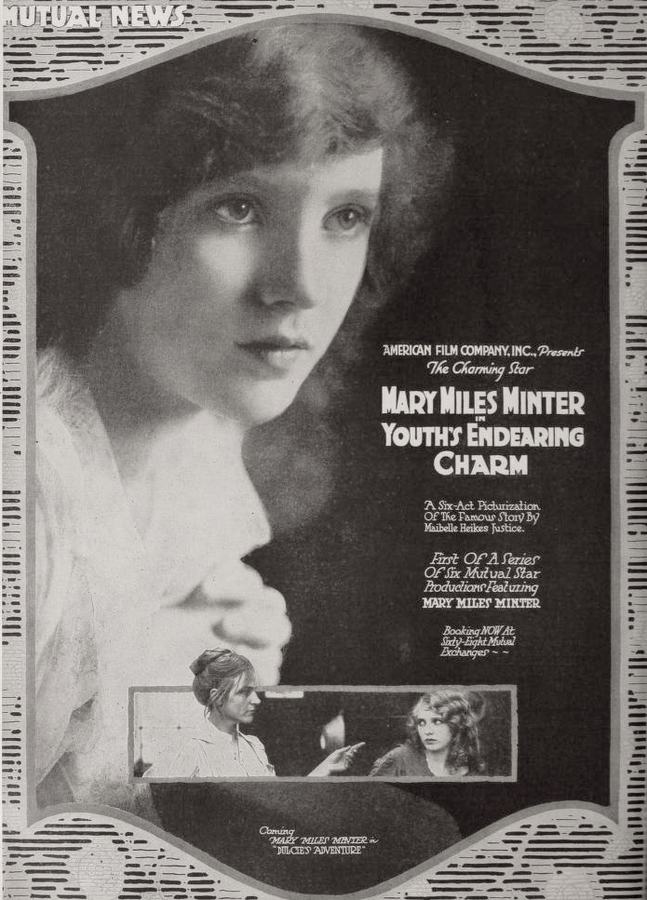
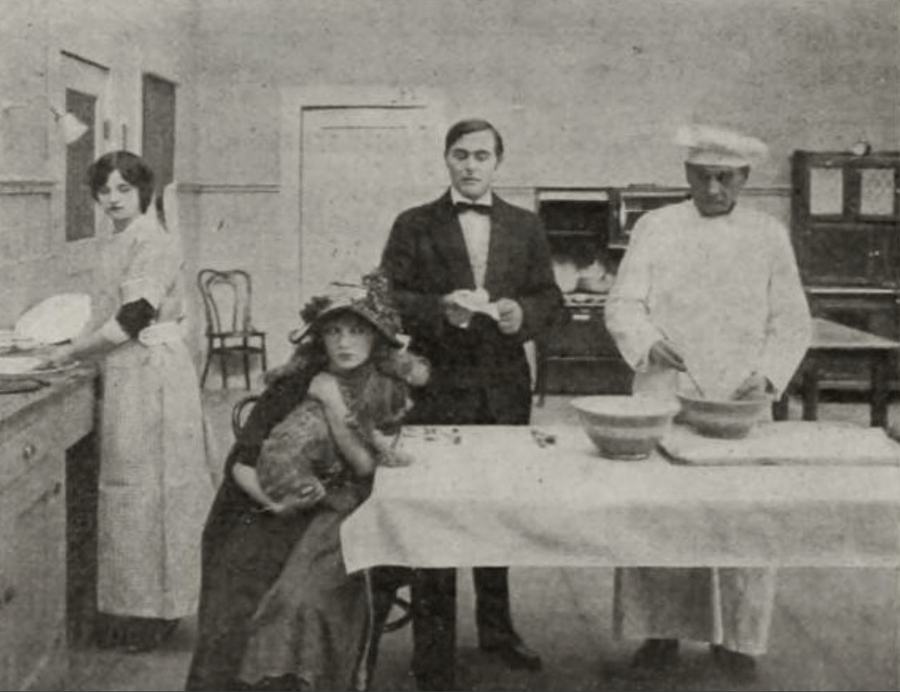
From the first flicker of nitrate, Youth’s Endearing Charm detonates the pastoral lie: a sun-bleached Kansas farm, its porches sagging like tired moralizers, imprisons Mary Wade—orphan, drudge, luminous as a kerosene lamp at noon. The camera, tipsy on its own dolly tracks, watches her fingers bleed into washtubs while the patriarch, Jenkins, looms with the slack appetite of a man who has confused scripture with property rights. A mongrel named Zippy—part terrier, part Greek chorus—twitches his ears each time the screen’s iris contracts, as if warning the universe that Eden is about to be repossessed. When Jenkins’s pawing becomes a sermon on entitlement, Mary bolts, her shadow lengthening into an Expressionist scythe across wheat that no longer sways but writhes. The cut to the city is a guillotine: skyscrapers stab the horizon like prosecution exhibits, and within one courthouse frescoed with cigar haze our heroine, disguised in rags and counterfeit blindness, becomes both panhandler and performance artist, her tin cup rattling against the marble until Harry Disbrow—scion, souse, Valentino in evening tails—stumbles in, drunk on his own headlines. One bailiff’s glare later, the two refugees of privilege and penury share a paddy-wagon, metal doors clanging like a Cossack’s cymbal. Disbrow’s family mansion is a mausoleum of Tiffany sarcophagi and ancestral portraits whose eyes have been painted with mercenary retinas; they hire Mary as scullery help but the parquet floors click like bookkeepers whenever she passes, tallying the secret ledgers of the heart. Enter Horton, partner in the family trust, a man whose moustache is waxed into twin question marks that never get answered; he has filched securities the way magpies lift spoons and schemes to solder his daughter Maud—an orchid in a drop-waist—to Harry, thereby laundering larceny into lineage. The plot’s fulcrum arrives during a stormy tableau worthy of Rembrandt: securities flutter from Horton’s pocket like wounded doves, Disbrow’s wrath erupts, and Mary—no longer supplicant but archangel—shatters a Sèvres vase across Horton’s skull, the crash resolving chords of debt and desire into a single crystalline chord. Fade-out on a ballroom where chandeliers drip molten frost and Mary, now swathed in silk that catches the spectrum, waltzes with Harry while Zippy circles, tail wagging like a metronome counting the measure of newfound sovereignty.
Synopsis
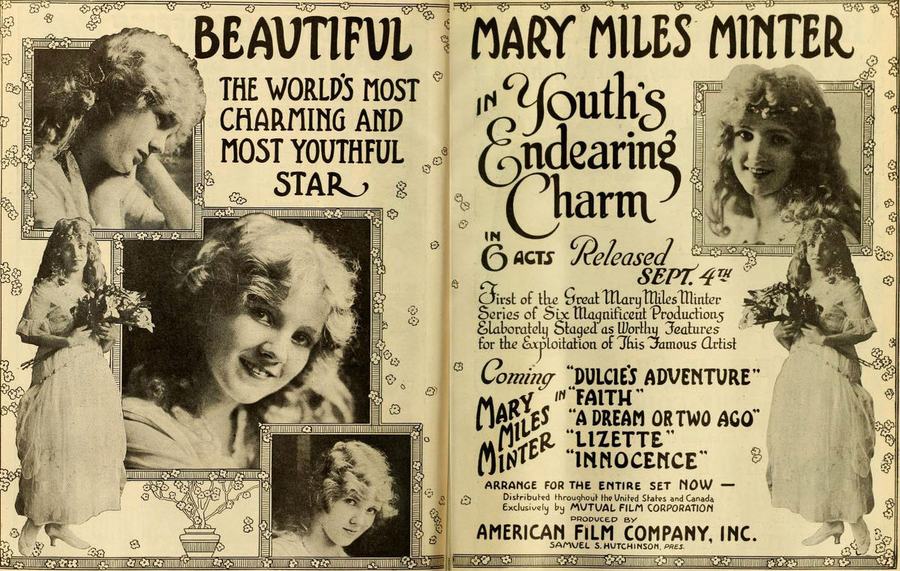
Orphan Mary Wade is the ward of a family of farmers who keep her busy with drudgery. When Mr. Jenkins, the head of the household, makes advances to Mary, she flees to the city with her dog Zippy and lands in court for imitating a beggar who pretends to be blind. Harry Disbrow, a young millionaire in court for drunkenness, takes Mary home to his family, who take her in as a servant. Mr. Disbrow, a trust officer, has a partner, Horton, who has been stealing from the firm and who wishes to have his daughter Maud marry Harry to minimize the consequences of his crimes. Desperate to shore up his business, Disbrow demands that Horton reveal the whereabouts of certain securities, which fall out of Horton's pocket during the course of the confrontation. The struggle between the two men is resolved when Mary crashes a vase over Horton's head. Taken to the heart of the Disbrow family, Mary wins Harry's affections as well.
Review Excerpt
"
Mary Miles Minter’s eyes—two tidal pools of nitrate—hold the whole damn movie before it even starts. When they widen in alleged darkness, the iris-in feels like a moral interrogation: who owns a girl’s body when the law calls her nobody?
Let’s not kid ourselves with the word “charm” in the title; this picture is a shiv dipped in corn-syrup sentiment, a 1915 time-capsule that detonates inside 2020s discourse like a long-delayed letter-bomb. The plot, stitched by J. Edward Hungerford and Maibell..."