DbcultAccessing Vault...
Cult Review
Senior Film Conservator
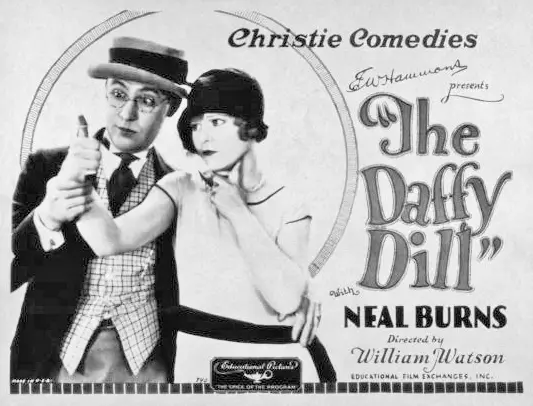
Should you spend your time on this century-old short? Short answer: Yes, but only if you are a devotee of silent-era slapstick who values historical rhythm over narrative logic. It is not a masterpiece, but it is a fascinating artifact of early 1920s pacing.
This film is for the cinema historian and the fan of the 'Christie Comedy' style of domestic chaos. It is definitely not for those who find the 'stupid husband' trope grating or who require a film to have a grounded, realistic emotional core.
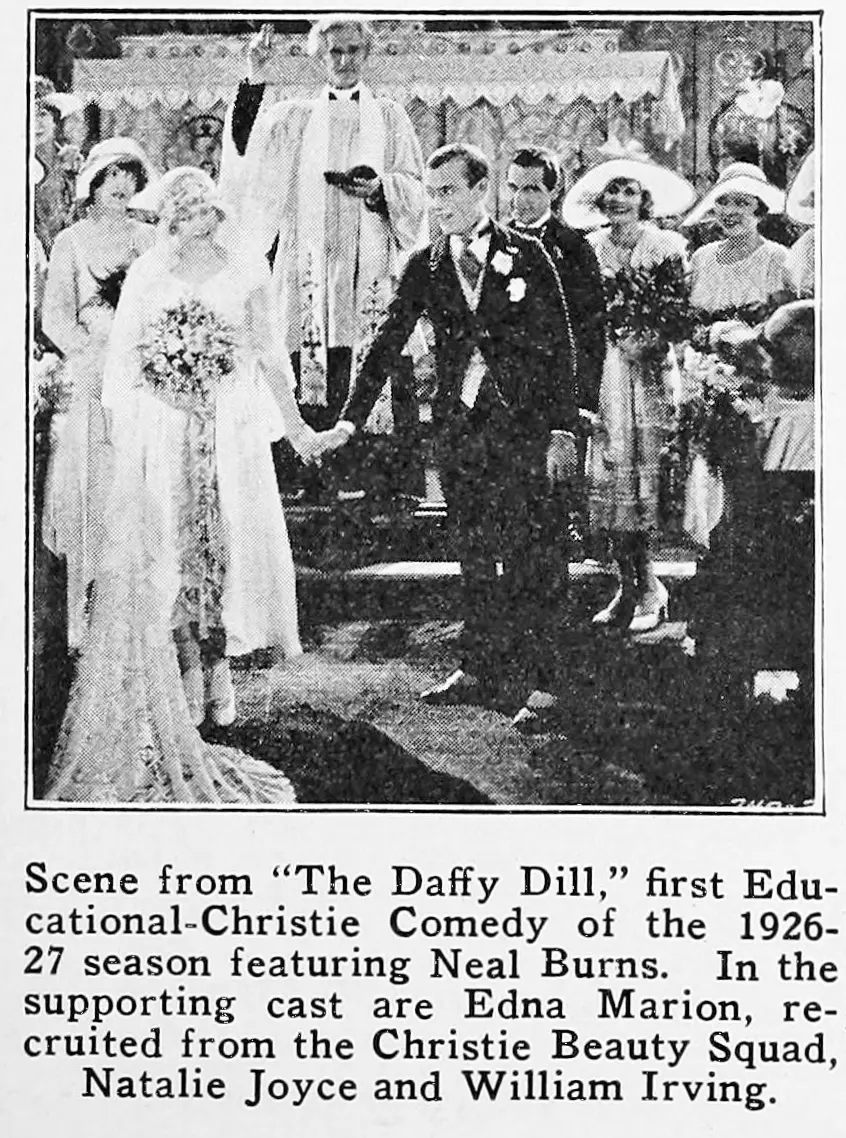
1) This film works because the central conceit of Neal being a spectator at his own wedding is a brilliant, surrealist punchline that predates modern absurdist humor.
2) This film fails because the third act dissolves into the standard 'angry mother-in-law with a weapon' cliché, which feels lazy compared to the earlier psychological gags.
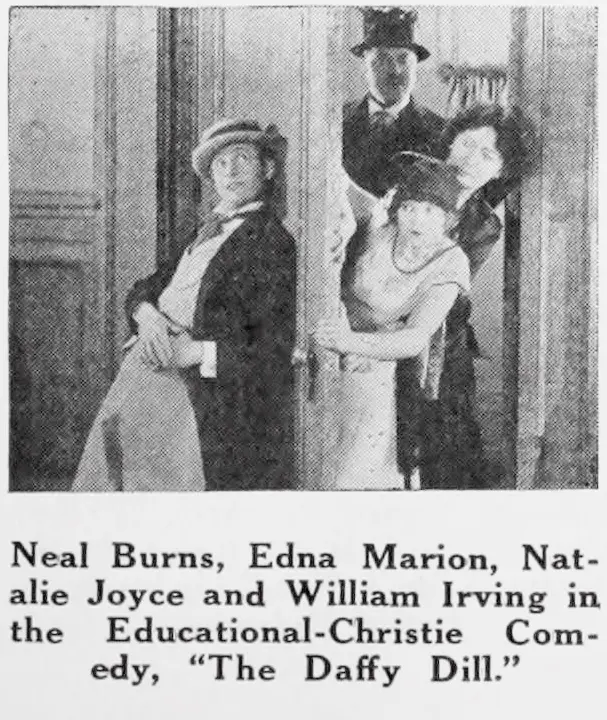
3) You should watch it if you want to see Neal Burns at the height of his 'boyish simpleton' persona, which offered a softer alternative to the high-octane stunts of Buster Keaton.
The Daffy Dill is a curiosity that justifies its runtime through sheer audacity. The opening sequence, where Neal sits in the pews of the church looking around for the groom, is a masterclass in deadpan performance. It asks the audience to accept a level of stupidity that is almost transcendental. If you can lean into that absurdity, the film is a delight. If you demand logic, you will be frustrated within five minutes.
Neal Burns plays the titular 'simpleton' with a specific kind of vacant charm. Unlike the kinetic energy found in The Barnyard, where the humor is derived from external chaos, The Daffy Dill finds its fuel in internal absence. Neal isn't fighting the world; he's just not present in it. This creates a unique comedic tension. We watch him navigate a world that expects him to be a husband, while he is still mentally auditioning for the role of a suitor.
One specific scene highlights this perfectly: Neal is at home, and the sudden realization hits him that he should probably ask Edna to marry him. The audience knows they are already married. The irony is thick, and Burns plays the 'lightbulb moment' with such genuine sincerity that you almost feel sorry for his fractured psyche. It is a bold choice for a silent comedian to play a character who is essentially suffering from a severe cognitive lapse for laughs.
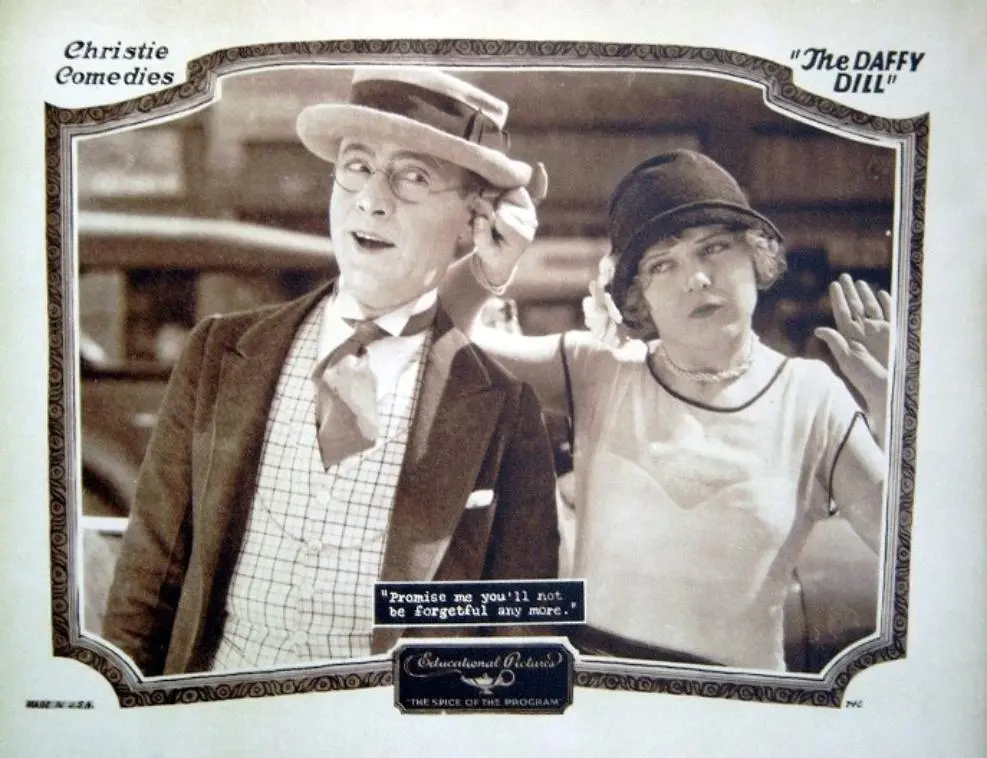
Produced by the Christie Film Company, this short adheres to the 'refined' comedy style they were known for. While Mack Sennett was throwing pies and crashing cars, Al Christie was focused on situational irony and domestic blunders. You can see this contrast when comparing the film to something like His New Papa. In The Daffy Dill, the sets are clean, the middle-class anxiety is palpable, and the humor is derived from social embarrassment rather than physical pain.
However, the film isn't afraid to get aggressive. The introduction of the mother-in-law, played with terrifying rigidity, shifts the tone from a comedy of errors to a comedy of survival. When she meets Neal at the door with a shotgun, the film transitions into the 'chase' finale that was mandatory for the era. It is effective, but it feels less 'daffy' and more standard-issue slapstick.
Edna Marion is the unsung hero here. As the bride-to-be, she has the difficult task of playing the 'straight man' to a character who isn't even aware he's in the scene. Her performance is a series of escalating frustrations. When she spots Neal in the church pews, her reaction isn't one of anger, but of weary recognition. This implies a long, exhausting history of Neal's forgetfulness that exists outside the frame of the movie.
The chemistry between Burns and Marion is functional. It lacks the romantic spark of some of the era's bigger features, like Tiger Rose, but it works for the 20-minute format. The supporting cast, including William Irving, provides the necessary friction. Irving’s presence acts as a grounded anchor against which Neal’s floaty, detached persona can bounce.
Directorially, the film is straightforward. The camera placement is mostly static, characteristic of 1924, but the editing is surprisingly sharp. The jump-cuts between Neal’s confused face and the expectant wedding party create a rhythmic comedy that still feels modern. It’s a far cry from the atmospheric tension of Les gaz mortels, but it doesn't need to be. It’s built for speed and laughs.
The lighting is flat, designed to ensure every facial expression is visible. This is crucial because Neal Burns’ comedy is all in the eyes. He has a way of looking through people that perfectly conveys his 'daffy' nature. The pacing stalls slightly in the middle section when Edna is packing, but it picks up once the telephone gag begins. The use of the telephone as a comedic device was still relatively fresh, and the film exploits the disconnect of the technology to heighten Neal’s confusion.
Pros:
The premise is genuinely unique for its time. Neal Burns delivers a nuanced performance of a man with no short-term memory. The film avoids excessive intertitles, letting the visual gags do the heavy lifting.
Cons:
The resolution is abrupt and lacks the cleverness of the setup. Some gags are stretched a bit too thin, particularly the packing sequence. It lacks the visual flair of more experimental shorts like Wonderful London: London's Free Shows.
The Daffy Dill is a fascinating look at the 'Christie Comedy' factory at work. It is a lean, efficient joke delivery system. While it doesn't have the emotional depth of The Ragamuffin or the historical weight of Ostap Bandura, it succeeds in its primary goal: making a man look like a complete idiot for twenty minutes. It works. But it’s flawed. The ending is a letdown, but the journey there is paved with enough genuine 'daffy' energy to make it a worthwhile watch for any silent cinema enthusiast.
"A surrealist comedy of errors that proves amnesia is the ultimate setup for slapstick."
IMDb 4.7
1931
Community
Log in to comment.