DbcultAccessing Vault...
Cult Review
Senior Film Conservator
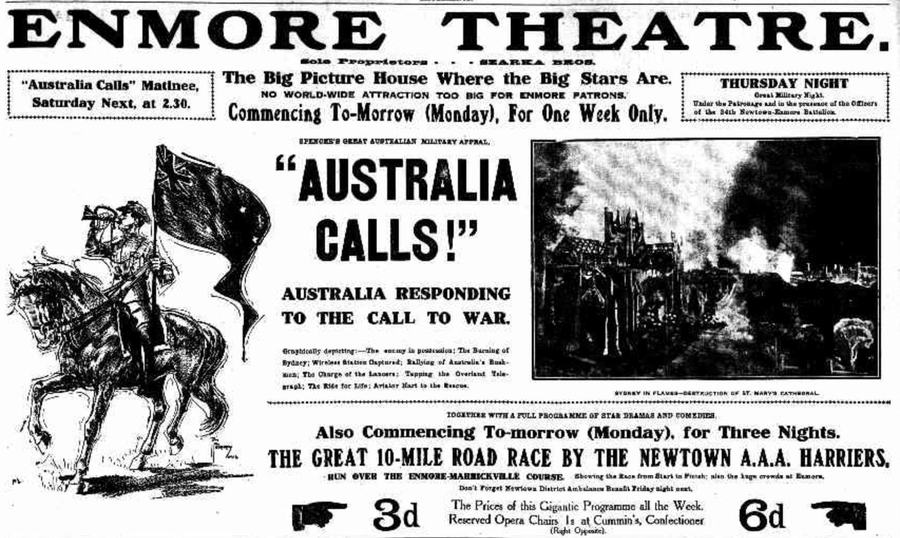
In the annals of early Australian cinema, a particular resonance often emerges from films that dared to grapple with the continent's colossal, untamed spirit. Australia Calls, a cinematic endeavor from 1913, stands as a compelling, if often overlooked, testament to this enduring fascination. Directed and co-written by the prolific Lottie Lyell alongside John Barr and C.A. Jeffries, this feature isn't merely a narrative; it's an expansive canvas upon which the very soul of a burgeoning nation is etched. It presents a vision of the outback not as a mere backdrop, but as a living, breathing character, shaping the destinies of those who dared to answer its formidable summons. The film, in its ambitious scope, attempts to encapsulate the multifaceted experience of migration and settlement, blending personal drama with a sweeping sense of national identity. It’s a work that, even a century later, invites a profound contemplation of the human spirit’s resilience.
The narrative thrust of Australia Calls centers on the MacGregor family, Scottish immigrants who, driven by a blend of desperation and audacious hope, trade the familiar grey of the Old World for the stark, sun-baked grandeur of the Australian interior. William E. Hart delivers a stoic, deeply internalized performance as John MacGregor, the family patriarch whose unyielding resolve borders on inflexibility. His vision for a new life is rooted in the earth, an almost biblical quest to tame the wilderness and leave a legacy. Yet, it is Lottie Lyell, in her captivating portrayal of Elara MacGregor, who truly anchors the film’s emotional core. Elara is not merely a dutiful daughter; she is a woman caught between the iron will of her father and the burgeoning desires of her own heart. Lyell imbues Elara with a vibrant intelligence and an understated yearning that elevates her beyond the typical damsel of the era. Her gaze, often directed towards the vast horizons, hints at a spirit that both reveres and rebels against the land’s demanding embrace. This internal conflict is exquisitely rendered, making Elara a figure of remarkable modernity for her time.
The film masterfully weaves together several threads of conflict that define the pioneering experience. The most immediate, of course, is the sheer physical struggle against the environment. Droughts are depicted with a visceral, almost terrifying realism; the parched earth, the wilting crops, and the desperate search for water become palpable antagonists. These sequences echo the raw, unvarnished struggles seen in other early Australian bush dramas, such as The Squatter's Daughter, which similarly highlighted the harsh realities of rural life. Beyond nature’s caprice, the human element introduces its own set of trials. The threat of lawlessness, a recurring motif in Australian folklore, manifests in the character of opportunistic figures who prey on the vulnerable. Frank Phillips, as the formidable Mr. Davies, embodies this darker side of the frontier, a man whose ambition is untempered by scruples, posing a constant threat to the MacGregor’s nascent stability.
Amidst this crucible of survival, a tender, yet fraught, romance blossoms between Elara and Michael O'Connell, played with a captivating blend of charm and restless energy by Alfred O'Shea. Michael, a prospector whose spirit is as untamed as the land itself, represents an alternative to John MacGregor’s rigid agrarian dreams. Their courtship is a dance of longing and caution, complicated by John’s inherent distrust of those who live by their wits rather than by the sweat of their brow in the soil. O'Shea’s performance brings a vital spark to the narrative, providing a counterpoint to Hart’s gravitas and Lyell’s nuanced sensitivity. The chemistry between Lyell and O’Shea is subtle but potent, conveying a deep connection forged in shared hardship and mutual respect. This romantic subplot is not merely a decorative element; it serves as a powerful metaphor for the choices inherent in forging a new identity in a new land – whether to adhere to tradition or embrace the unpredictable freedom of the frontier. It’s a dynamic that lends the film a layer of emotional complexity often absent in the more straightforward adventure tales of the period, inviting comparison to the emotional depth found in films like The Fatal Wedding, albeit with a distinctly Australian flavor.
What truly distinguishes Australia Calls is its profound engagement with the concept of 'home' and belonging. For the MacGregors, Australia is initially a foreign, often hostile, entity. The 'call' is a siren song of opportunity, but also a relentless demand for adaptation. The film meticulously charts their slow, arduous transformation from bewildered newcomers to resilient inhabitants, their roots gradually embedding themselves in the red earth. This thematic exploration sets it apart from more sensationalist depictions of the bush, like some iterations of Robbery Under Arms, which primarily focused on action and adventure. Instead, Australia Calls delves into the psychological and emotional toll of pioneering, showcasing the sacrifices made and the profound connection forged with a land that gives little but demands everything.
The film’s visual language, while constrained by the technological limitations of its era, is remarkably evocative. The cinematography, though monochrome, captures the vastness and stark beauty of the Australian landscape with an almost painterly quality. Wide shots emphasize the isolation and scale, dwarfing the human figures against towering gum trees and endless plains. Close-ups, particularly of Lyell’s expressive face, convey internal turmoil and resilience with striking clarity. The use of natural light, often harsh and unforgiving, reinforces the narrative’s themes of struggle and survival. One can imagine the impact these images had on audiences of the time, many of whom would have intimately understood the challenges depicted. The pacing, characteristic of early silent films, allows moments of quiet contemplation to breathe, juxtaposing them with bursts of dramatic action, such as a harrowing bushfire sequence or a tense confrontation with Phillips’ character. This deliberate rhythm ensures that the audience is fully immersed in the MacGregors’ journey, feeling the weight of their struggles and the fleeting joy of their triumphs. The directorial choices, likely heavily influenced by Lyell’s own keen understanding of storytelling, demonstrate a sophisticated grasp of visual narrative, pushing beyond mere documentation to achieve genuine emotional resonance.
Comparatively, Australia Calls stands alongside the pioneering works of Australian cinema, building upon the foundations laid by earlier productions while carving out its unique identity. It shares a thematic kinship with films like The Story of the Kelly Gang, recognized as one of the world's first feature-length narrative films, in its commitment to telling distinctly Australian stories. However, where Kelly Gang focused on the mythologized figure of the bushranger, Australia Calls shifts its gaze to the ordinary individuals who shaped the nation through sheer grit and perseverance. Its portrayal of female agency through Elara also feels more developed than in many contemporary European or American productions, perhaps finding a parallel in the more robust female characters sometimes seen in films such as Les amours de la reine Élisabeth, though within a vastly different cultural context. The film's nuanced approach to character and setting also distinguishes it from more melodramatic fare like The Midnight Wedding, positioning it as a work of greater social realism, even with its inherent dramatic flourishes. It presents a vision of Australia that is both beautiful and brutal, a land of opportunity and immense challenge, moving beyond simplistic narratives to capture the complex interplay between human endeavor and environmental power. This depth ensures its continued relevance for scholars and enthusiasts of early cinema, offering a window into the evolving national consciousness.
The performances across the board are commendable, especially considering the acting conventions of the silent era, which often leaned towards broader gestures. William E. Hart’s John MacGregor is a study in quiet determination, his face often a mask of weathered resolve, occasionally breaking to reveal glimpses of paternal love or profound despair. Lottie Lyell, however, is the true revelation. Her Elara is a multifaceted character whose internal life is conveyed through subtle expressions and restrained physicality. She manages to convey both vulnerability and an indomitable will, making her character deeply relatable. Alfred O'Shea brings a charismatic lightness to Michael, preventing the film from becoming overly grim, while Frank Phillips effectively embodies the more sinister elements of the frontier, his presence often casting a long shadow over the MacGregor’s aspirations. The ensemble works cohesively, creating a believable community facing extraordinary circumstances. Each actor contributes to the rich tapestry of the film, ensuring that the human drama is as compelling as the grand sweep of the landscape. Their portrayals underscore the film's commitment to portraying the diverse personalities that constituted early Australian society, from the steadfast pioneer to the free-spirited adventurer and the opportunistic villain.
Ultimately, Australia Calls is more than just a historical artifact; it is a vital piece of cinematic heritage that speaks volumes about the birth of a nation's self-image. It’s a film that asks profound questions about identity, resilience, and the cost of carving a life from the untamed world. The resolution, while offering a sense of hard-won peace for the MacGregors, is not without its bittersweet undertones, acknowledging the indelible scars left by their journey. It suggests that the 'call' of Australia is not a one-time event, but a continuous, evolving dialogue between its people and its land. This enduring quality ensures that, despite its age, the film retains a powerful resonance, inviting contemporary audiences to reflect on the foundations of Australian identity. It stands as a testament to the vision of its creators, particularly Lottie Lyell, whose multifaceted contributions as writer and lead actress undoubtedly shaped its enduring impact. This is a film that demands to be seen, studied, and appreciated for its artistic merit and its historical significance, offering invaluable insights into the cultural landscape of early 20th-century Australia and the universal human quest for belonging.
The legacy of Australia Calls lies not just in its narrative achievement but also in its contribution to the nascent Australian film industry. In an era dominated by imported productions, films like this were crucial in developing a distinct national cinema, exploring themes and landscapes unique to Australia. It provided a mirror for its audiences, allowing them to see their own struggles and triumphs reflected on the silver screen. Its influence, though perhaps not as widely documented as some of its contemporaries, would have been significant in shaping audience expectations and encouraging further local productions. The collaborative effort of writers John Barr, C.A. Jeffries, and Lottie Lyell, alongside the strong performances, created a work that transcended mere entertainment to become a cultural touchstone. It carved out a space for Australian stories to be told by Australian voices, a crucial step in the evolution of any national cinema. This film, therefore, is not just a story of a family, but a story of a nation finding its voice through the lens of a camera, a testament to the power of cinema to capture and define a collective identity. Its exploration of the Australian ethos, characterized by mateship, resilience, and a deep, often conflicted, connection to the land, established archetypes that would resonate in Australian storytelling for decades to come, proving that the 'call' was indeed answered, not just by its characters, but by its very creation.
IMDb 8
1926
Community
Log in to comment.