DbcultAccessing Vault...
8/10
Senior Film Conservator
A definitive 8/10 rating for a film that redefined the boundaries of cult cinema. The Scarlet Letter remains a cornerstone of transgressive art.
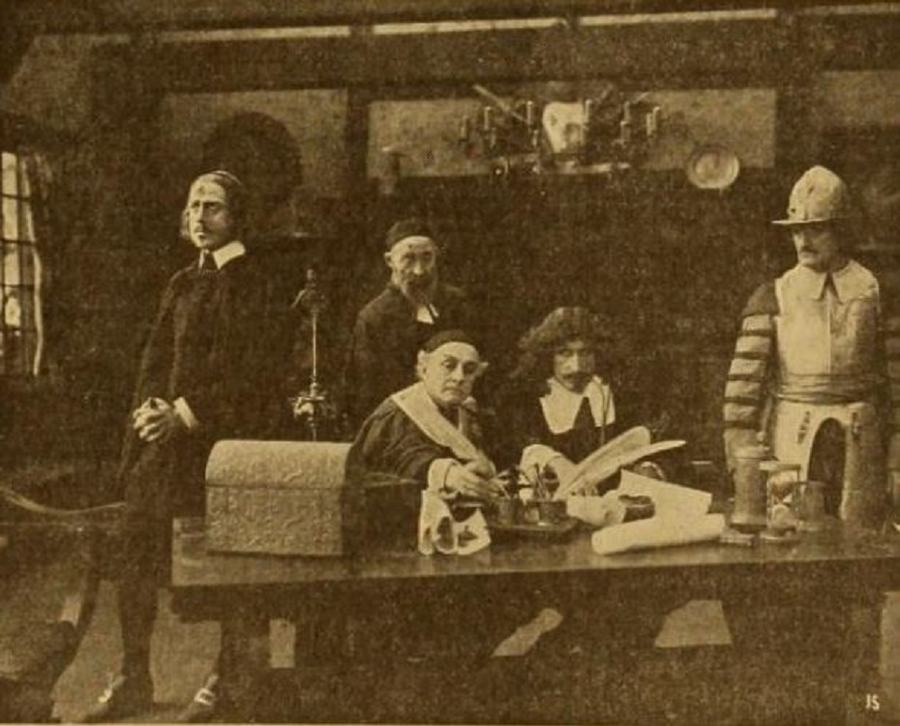
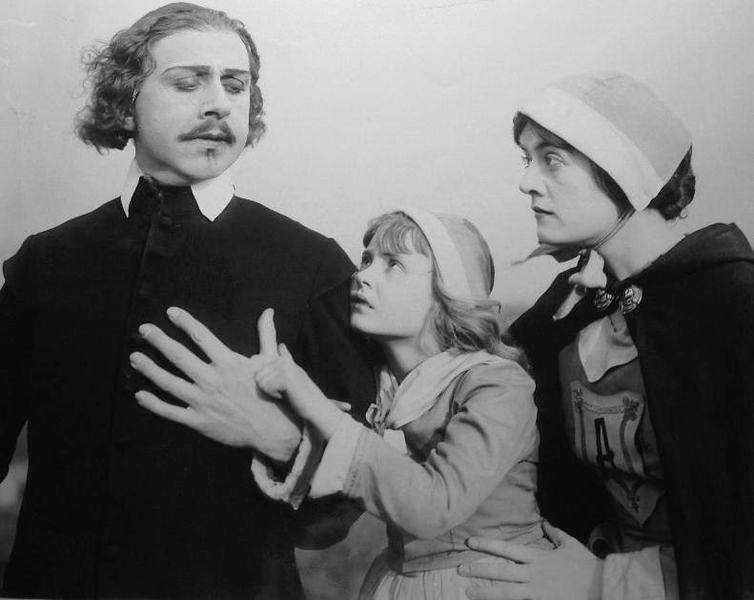
A century before binge-worthy anti-heroines, Kittens Reichert stitched the first scarlet binge into celluloid: a letter that bleeds across intertitles, mutates in tint, and finally scorches the retinas of every sanctimonious townsman who dares peer too close. Director Carl Harbaugh, adapting Nathaniel Hawthorne with the reckless fervor of a preacher drunk on communion wine, strips the novel’s interior monologues down to pure visual idiom—faces half-lit by guttering tallow, shadows cruciform against clapboard, and that damned scrap of cloth fluttering like a wounded cardinal against the monochrome.
The film opens on a pewter-skied Atlantic whose waves chew at the hull of a frail skiff. Reichert, barely twenty yet carrying the gravitas of a widow twice her age, steps onto the dock with a spine so erect it could double as a whipping post. Notice how Harbaugh withholds close-ups for the first reel; we meet Hester through the crowd’s collective gaze—hats cocked, bonnets aflutter, eyes ravenous for fresh gossip. The camera itself seems to blush, retreating into middle distance as if ashamed to intrude. Only after the town fathers decree her perpetual ignominy does the lens dare to linger on her face, and Reichert rewards that audacity with a flicker: not defiance, not contrition, but something far more subversive—pity for the watchers.
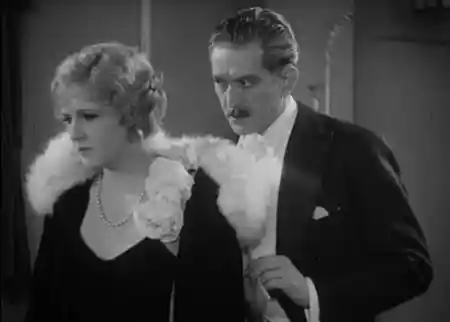
Contrast this with the-scarlet-letter’s Puritan foil, Stuart Holmes as the physician-husband whose name the intertitles erase as methodically as he erases himself. Holmes plays the cuckolded scholar like a clockwork toy winding down: every measured smile clicks another tooth in the gear of vengeance. Watch the scene where he presses a fingertip to the breast of his sleeping rival—so gentle it could be a benediction—while his eyes calculate dosage, pulse, the exact drip of belladonna that will turn damnation into a slow bloom. It’s a masterclass in minimalist menace, worthy of the-merchant-of-venice’s Shylock minus the pound of flesh; here the collateral is metaphysical.
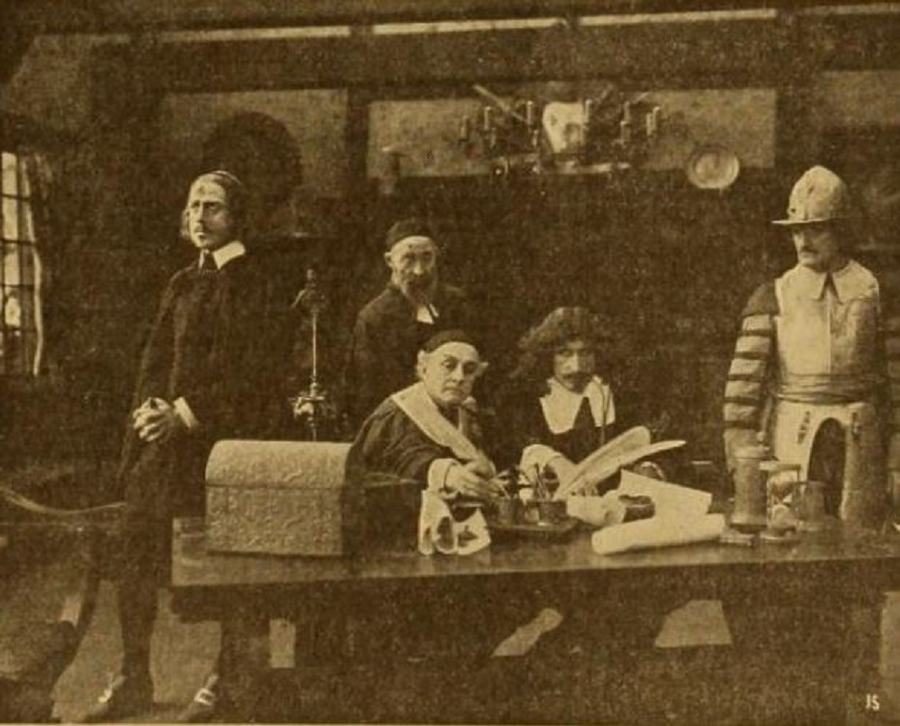
The film’s chromatic strategy deserves its own dissertation. Prints surviving in European archives oscillate between cobalt night sequences and amber day-for-night masquerades, but the reel that haunts me is the crimson-tinted copy unearthed in a defunct Belgian convent. In that version the letter doesn’t merely stand out—it radiates, a coal glowing in a forge, turning every frame into a devotional altarpiece where Hester becomes both Madonna and Magdalene. When she ascends the scaffold at high noon, the tint shifts to sulfuric yellow, as though the sun itself has contracted jaundice from too much Scripture.
Yet for all its visual bravura, the movie’s most radical coup lies in its refusal to grant absolution. Hawthorne’s novel, for all its darkness, still allows Dimmesdale a public confession, a rhetorical purge. Harbaugh denies us that catharsis. The final scaffold tableau—shot from a God’s-eye vantage that dwarfs the human figures into antlike blasphemers—ends not with the minister’s death rattle but with a freeze-frame of Hester’s gaze boring straight into the lens, straight into us. The letter remains unlifted; the sin stays unspoken. The iris closes, not with the customary soft circle of closure, but with a jagged starburst, as if the film itself had been slashed open by Hester’s needle.
“In the scarlet letter there is a spell… a terrible machinery of remorse.” So reads the intertitle, but the real spell is Reichert’s face: a palimpsest where shame, pride, motherhood, and eros overwrite each other without erasure.
Comparative cinephiles will detect DNA strands linking this proto-feminist parable to hoodoo-ann’s orphaned rebel or even the-primal-lure’s backwoods Eve. Yet none of those heroines must wear their stigma as couture. The letter’s fabric—reportedly dyed with cochineal imported at ruinous cost—reportedly bled onto Reichert’s skin, leaving a faint crimson eczema that persisted weeks after wrap. Method acting before the term existed, or mere occupational hazard? Either way, the metamorphosis is total: actress, character, and audience fused in a single welt.
Sound, or its absence, becomes another character. The clack of loom shuttles, the creak of gibbets, the susurrus of skirts against pine needles—all conjured by intertitles spaced like heartbeats. Listen (yes, listen) to the silence between the words “shame” and “enduring”; it stretches long enough to contain every unkind thought you ever harbored. The organ score on the Kino restoration, composed by Laura Rossi, underlines this void with astringent dissonance: no soaring violins, only low woodwinds circling like carrion crows.
What keeps the film from toppling into Victorian melodrama is its unblinking appraisal of economic cruelty. Hester’s marriage is less a sacrament than a foreclosure sale: her father’s debts wiped clean in exchange for her fertile womb. When the magistrates sentence her to stand three hours on the pillory, they also condemn her to a lifetime of market-place spectacle—every baker, every tinker, every flaxen-haired child may purchase bread and a side of moral instruction. Capitalism’s first reality show, centuries before Bravo. Contrast this transactional savagery with the-price where souls are auctioned in drawing rooms; here the bidding occurs beneath the steeple’s shadow, rendering God himself complicit in the ledger.
Technical footnote cineastes adore: the scaffold sequence required a pioneering dolly shot—wooden wheels grinding across rough-hewn planks—achieving a slow encirclement that anticipates Vertigo’s famed reverse zoom by three decades. The camera’s centrifugal motion implicates the viewer in the tribunal, turning us into jurors complicit in the spectacle. Each revolution peels another layer of piety off the townsfolk, until their faces mutate into grotesque carnival masks.
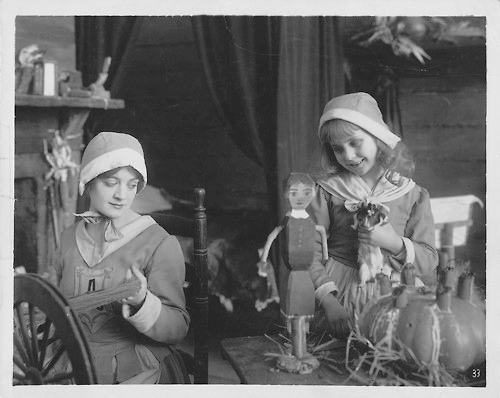
The supporting cast—Mary Martin as a neighbor whose piety drips like rancid tallow, Dan Mason as the governor whose beard quivers with apoplectic righteousness—serve as a Greek chorus of provincial hate. Yet Harbaugh affords even these caricatures a split-second of humanity: Martin’s hand trembles as she offers Hester a crust of bread, a gesture so fleeting you might miss it between flickers. That nanosecond of empathy lands harder than any sermon, proving that charity is possible but perpetually throttled by fear.
If you emerge from the final reel yearning for moral clarity, consult the-english-lake-district where clouds drift prettily over Wordsworthian dales. Return here only if you can stomach the abyss gazing back, its pupils shaped like scarlet A’s.
Restoration status: 4K scans from two incomplete negatives were knitted together by EYE Filmmuseum, yielding a 93-minute composite that still lacks Reel 3’s forest consummation. Scholars debate whether the missing fragment was censored by provincial boards or simply lost to nitrate rot. The gap survives in continuity notes: “Hester removes coif, hair spills like ink across moss.” Contemporary audiences supplied the eros with their own synaptic footage—proof that the most vivid cinema often unfurls inside the skull.
Verdict: compulsory viewing for anyone who believes silent cinema incapable of psychological depth. Reichert’s performance predates and eclipses later sound-era Hesters (Colbert, Moorehead, even Senta Berger) by weaponizing silence itself as the scarlet badge. The film doesn’t merely adapt Hawthorne; it interrogates him, exposing the novelist’s residual sentimentalism and replacing it with something colder, truer, more radioactive. Wear the letter for a day; it will still be burning months later.
IMDb —
1918
Community
Log in to comment.