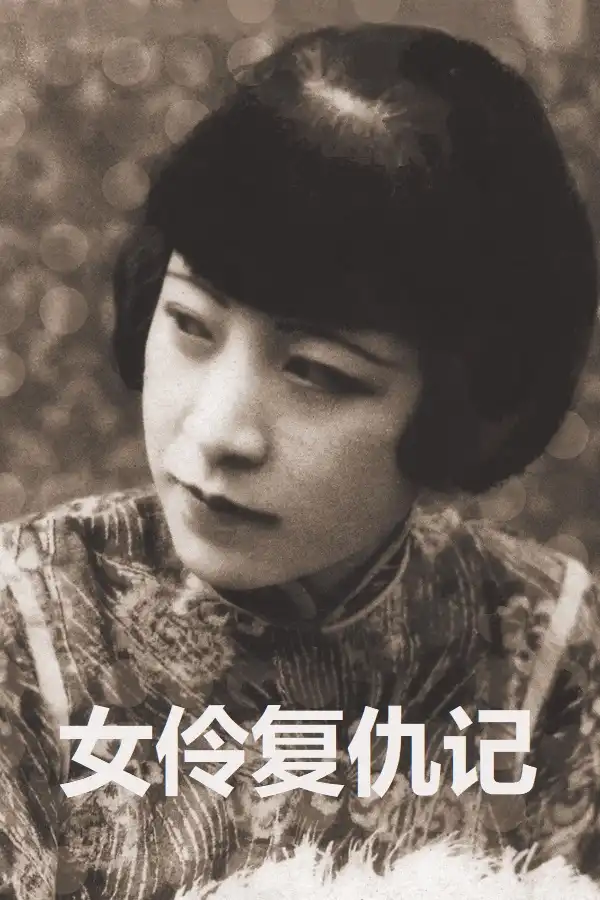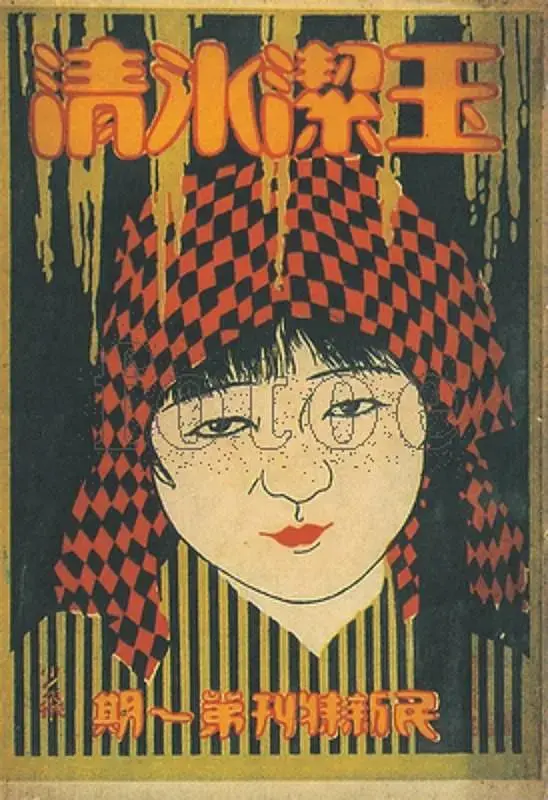
Is Yu jie bing qing a lost masterpiece or a relic of a bygone era? Short answer: It is an essential historical document for those who value the roots of Asian cinema, but it will likely alienate those who cannot stomach the glacial pacing of the silent era.This film is specifically for students of film history and thos...
Comparing the cinematic DNA and archive impact of two defining moments in cult history.
Wancang Bu
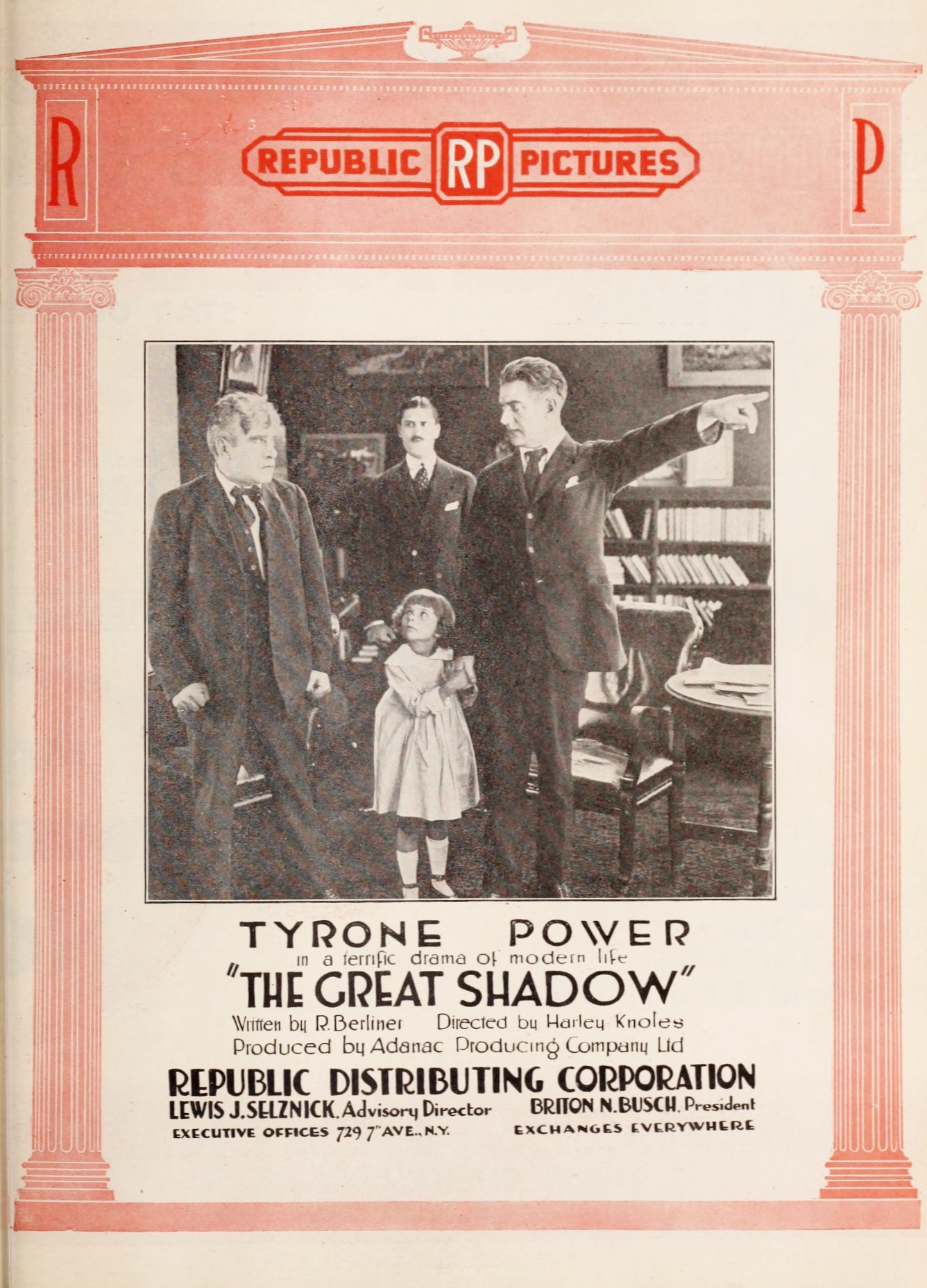
Harley Knoles
Community
Log in to comment.
"Is Yu jie bing qing a lost masterpiece or a relic of a bygone era? Short answer: It is an essential historical document for those who value the roots of Asian cinema, but it will likely alienate those who cannot stomach the glacial pacing of the silent era.This film is specifically for students of film history and those who find beauty in the subtle nuances of 1920s performance art. It is absolutely NOT for anyone looking for a casual evening of entertainment or a fast-moving plot.The Verdict at..."
Yushan Liu
Yuqian Ouyang
China