Is Saturday (1925) worth your time in an era of high-speed digital entertainment? Short answer: yes, but only if you appreciate the raw, unpolished origins of ensemble comedy. This isn't a film for those seeking complex plots or modern sensibilities; it is a film for historians of humor and those who find joy in the chaotic energy of unsupervised youth.
This short film serves as a fascinating window into a bygone era of American cinema. It is specifically for viewers who enjoy the 'Our Gang' style of physical comedy and those interested in the evolution of child acting. It is emphatically NOT for anyone who finds silent-era pacing tedious or those who require a clear, linear narrative to stay engaged.
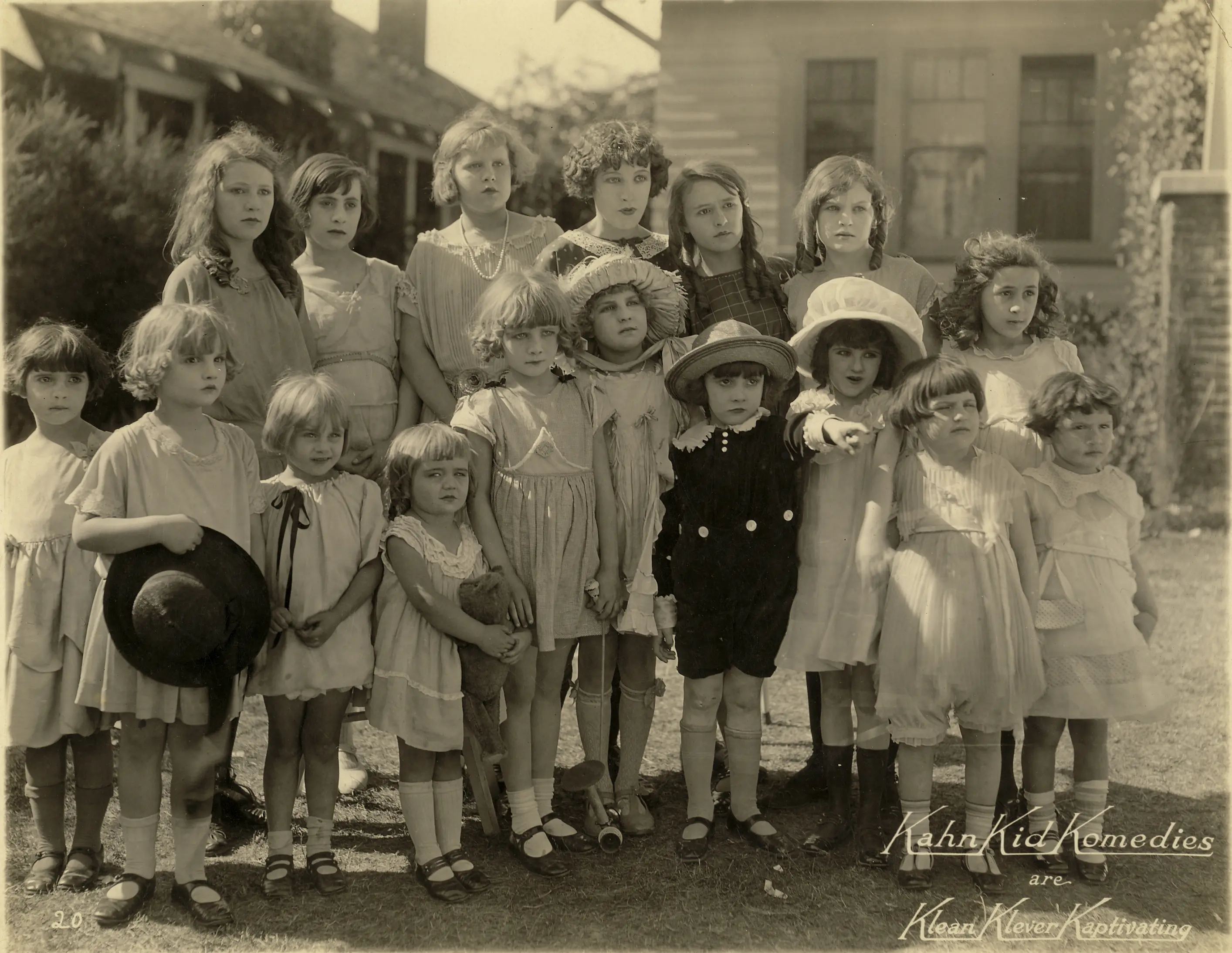
Scene from Saturday
Cinematic perspective: Exploring the visual vocabulary of Saturday (1925) through its definitive frames.
The Direct Verdict
1) This film works because it captures the genuine, unforced chemistry of a child ensemble that feels remarkably modern in its mischief.
2) This film fails because it relies on repetitive slapstick tropes that were already becoming clichés by the mid-1920s.
Scene from Saturday
Cinematic perspective: Exploring the visual vocabulary of Saturday (1925) through its definitive frames.
3) You should watch it if you want to see the DNA of every 'kids vs. adults' comedy that followed over the next century.
A Masterclass in Physical Choreography
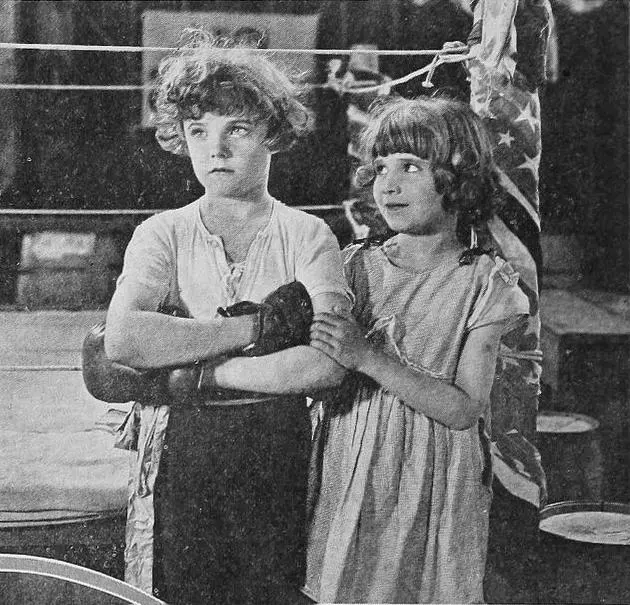
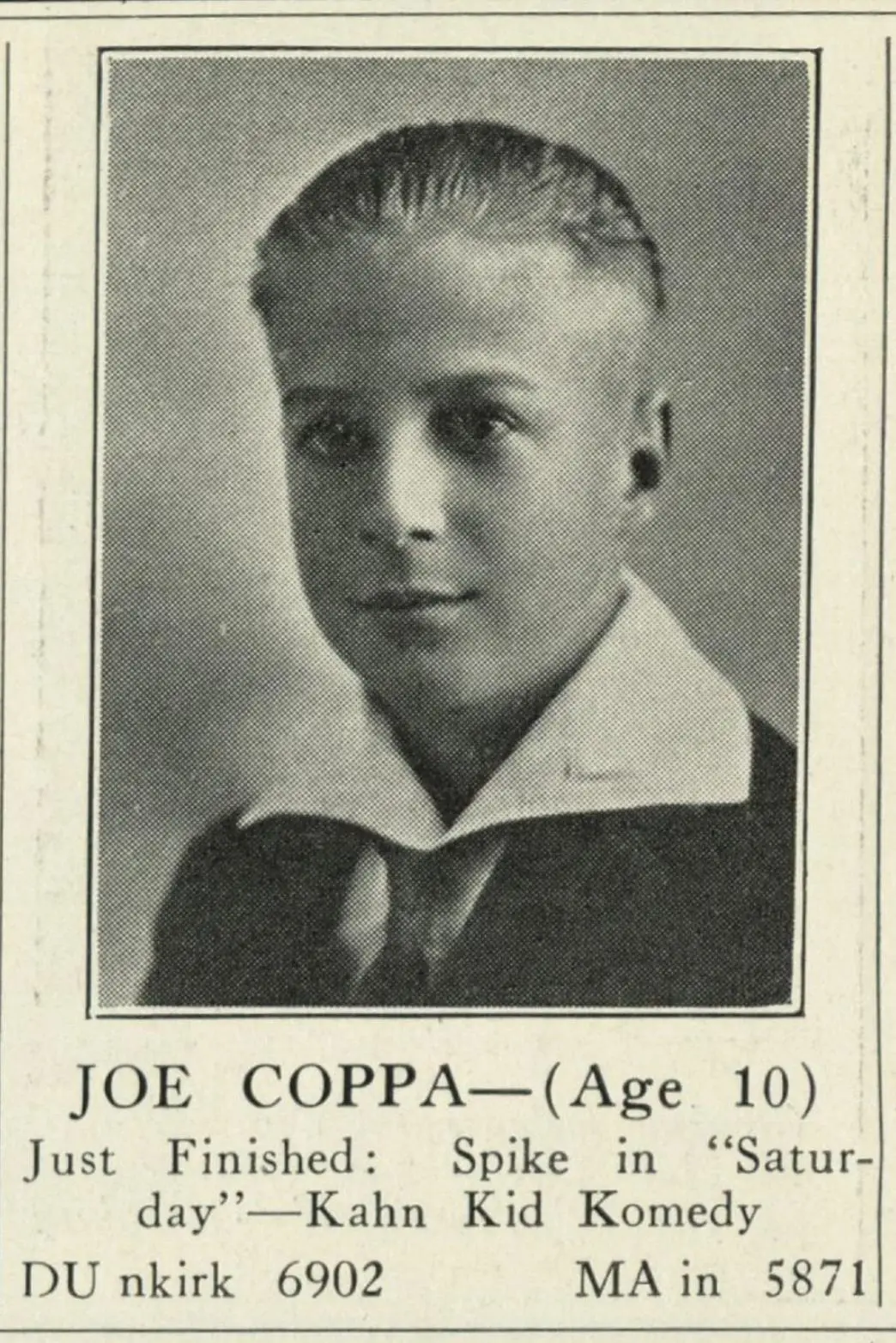
Watching Saturday in the 21st century requires a shift in perspective. We are so used to the polished, safe performances of modern child actors that the gritty, often dangerous-looking antics of Joe Coppa and Maxine Tabnac feel refreshing. There is a scene involving a makeshift bath that is more evocative of the era's social dynamics than any textbook could ever be. The children don't act; they react. They exist in the space with a frantic energy that feels dangerous. It works. But it’s flawed.
Scene from Saturday
Cinematic perspective: Exploring the visual vocabulary of Saturday (1925) through its definitive frames.
The direction by Robert McGowan—though often overshadowed by the Hal Roach brand—is surprisingly tight. McGowan understands that the humor in Saturday doesn't come from the situation itself, but from the escalation of frustration. When Billy Rodgers attempts to avoid his chores, the camera lingers just long enough on his facial expressions to let the audience in on the joke. It is a subtle technique that many other silent shorts of the time, such as Let's Go, often missed in favor of pure speed.
The Social Fabric of 1925
What strikes me most about this film isn't the comedy, but the setting. The dusty streets and the cramped interiors provide a visceral sense of place. Unlike the grand, operatic scales of The Four Horsemen of the Apocalypse, Saturday is concerned with the micro-politics of the backyard. It is a film about the working class, by the working class, for the working class. The chores aren't just plot points; they are reflections of a world where children were expected to contribute to the household economy.
Scene from Saturday
Cinematic perspective: Exploring the visual vocabulary of Saturday (1925) through its definitive frames.
There is a brutal simplicity to the conflict. Adult says 'do this,' child says 'no.' The resulting explosion of activity is where the film finds its rhythm. In one specific sequence, the gang attempts to 'clean up' the yard, only to create a level of destruction that would make a modern parent faint. This isn't just slapstick; it's a rebellion against the domestic order. It’s an unconventional observation, perhaps, but the film feels like a precursor to the punk rock aesthetic—pure, unadulterated defiance of the status quo.
Performances and Presence
Maxine Tabnac is the standout here. She possesses a screen presence that rivals the leading ladies of more 'serious' films like Assunta Spina. While the latter is steeped in melodrama, Tabnac operates in the realm of high-speed reaction. Her ability to pivot from feigned innocence to total anarchy is the engine that drives the second act. The supporting cast, including the likes of Bernard Berger and Nancy McKee, fill out the world with a variety of archetypes—the bully, the dreamer, the tag-along—that have since become staples of the genre.
Scene from Saturday
Cinematic perspective: Exploring the visual vocabulary of Saturday (1925) through its definitive frames.
However, the film does suffer from the limitations of its format. The pacing in the middle third drags as the chore sequences become repetitive. We see a bucket spill. We see a child fall. We see a parent shake a fist. By the third time this cycle repeats, the comedic impact begins to wane. It lacks the sophisticated narrative layering found in films like Shattered Idols, choosing instead to double down on the same three jokes. It is effective, but it is not deep.
Is this film worth watching?
If you are looking for a quick, 20-minute hit of nostalgia and historical curiosity, then yes. Saturday provides a clear, direct answer to what life was like before the digital age: it was messy, loud, and surprisingly funny. The film succeeds because it doesn't try to be anything other than a celebration of childhood. It doesn't have the pretension of The Sporting Venus or the dark undertones of Alone in London. It is honest in its absurdity.
Key Takeaways
Best for: Fans of silent-era slapstick and historians of the 'Our Gang' franchise.
Not for: Viewers who demand high-stakes drama or modern technical production.
Standout element: The raw, unscripted-feeling chemistry between the child actors.
Biggest flaw: Repetitive gag structures that lose steam in the middle of the film.
Pros and Cons
Pros
The film features incredible location shooting that captures the real texture of 1920s Los Angeles. The physical stunts, while simple, are executed with a timing that modern editors struggle to replicate. Furthermore, the lack of intertitles during the action sequences allows the visual storytelling to take center stage, proving that these actors didn't need words to convey their intent.
Cons
The print quality of surviving versions can be a barrier for some, with significant grain and flicker. Additionally, the portrayal of certain adult characters is one-dimensional, serving only as props for the children's jokes rather than fully realized people. Compared to the character depth in Chickie, the emotional stakes here are non-existent.
Verdict
Saturday (1925) is a minor classic that deserves a spot in the library of any serious cinephile, but it isn't a masterpiece. It is a functional, funny, and occasionally brilliant piece of early ensemble work. It captures a specific lightning-in-a-bottle energy that would eventually be commercialized and diluted in later decades. While it lacks the stylistic flair of Binnaz or the social weight of Exile, it possesses a charm that is entirely its own. Watch it for the history, stay for the chaos, and leave with a newfound appreciation for the fact that you don't have to scrub a floor with a hand-brush this Saturday.