DbcultAccessing Vault...
Cult Review
Senior Film Conservator
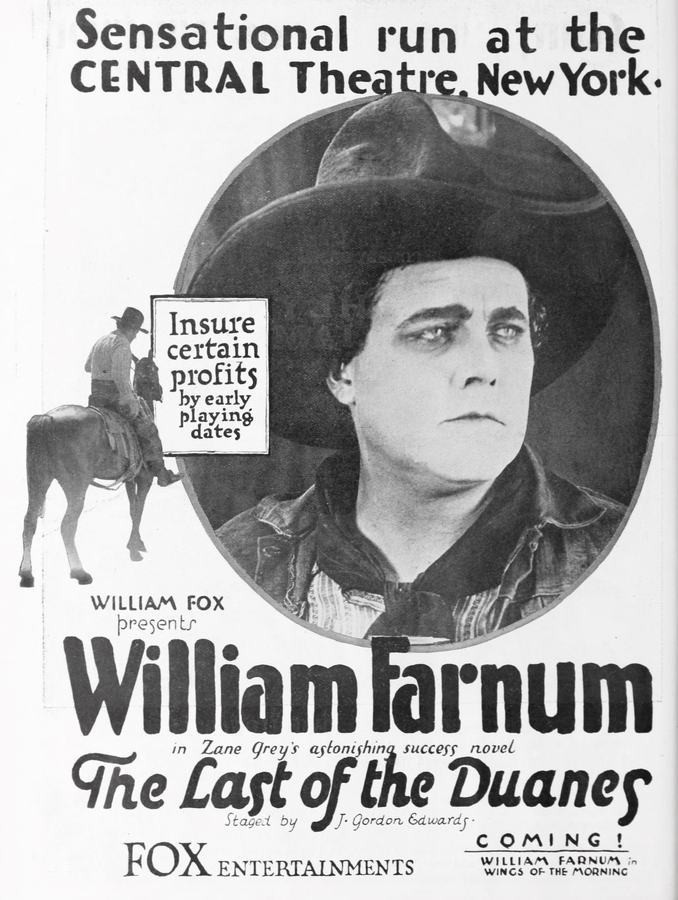
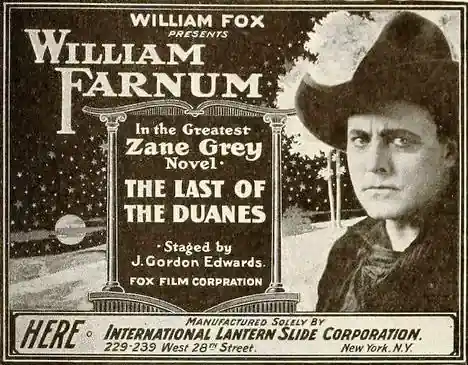
Stepping back into the cinematic annals of 1919, one encounters a fascinating artifact of American storytelling: The Last of the Duanes. This silent Western, an adaptation of Zane Grey's acclaimed novel, doesn't merely chronicle a tale of frontier justice; it plunges the viewer into a maelstrom of moral ambiguity, visceral action, and complex human desires, all rendered through the evocative lens of early filmmaking. Directed with a keen eye for the dramatic by J. Gordon Edwards, and starring the formidable William Farnum in the titular role, the film stands as a testament to the enduring appeal of the Western genre and its capacity for profound narrative exploration, even in the absence of spoken dialogue.
From its very genesis, the film is steeped in the potent mythology of the American West. Zane Grey, a titan of pulp fiction, possessed an uncanny ability to tap into the national psyche, crafting narratives that resonated with themes of rugged individualism, the untamed wilderness, and the eternal struggle between civilization and its wilder antitheses. His works, including the source material for The Last of the Duanes, were not just adventure stories; they were parables of a nation grappling with its own identity, its violent past, and its aspirational future. This cinematic rendition, therefore, carries the weight of a beloved literary tradition, tasked with translating Grey's intricate characterizations and sweeping landscapes into a visual language suitable for the silver screen of the era.
William Farnum, an actor whose imposing physical presence and expressive gaze made him a natural fit for the stoic heroes of the silent screen, embodies Buck Duane with a compelling intensity. Duane is no simplistic hero; he is a man driven by circumstance, pushed to the brink by an act of profound injustice. The film opens not with grand proclamations of heroism, but with the brutal reality of a son witnessing his father's murder. Duane's subsequent act of vengeance, swift and unyielding, immediately brands him an outlaw. This precipitous fall from a semblance of lawful existence into the shadowy world of the fugitive sets the stage for a narrative that constantly questions the nature of justice itself. Is Duane a criminal, or merely a man seeking retribution in a land where the law often lags behind the swift trigger finger? The film, much like Grey's novel, refuses easy answers, preferring to explore the nuanced psychological terrain of a man caught between his innate sense of honor and the harsh realities of his new, lawless existence.
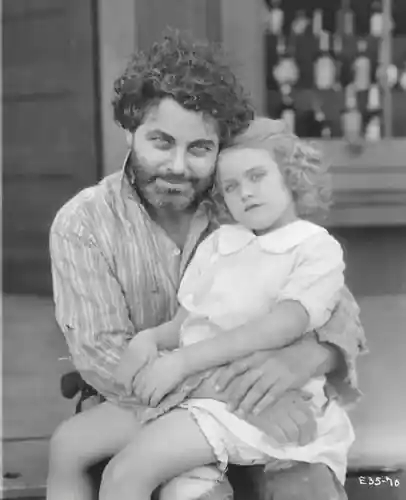
The visual storytelling of the silent era, often reliant on exaggerated gestures, stark facial expressions, and intertitles, finds ample opportunity to shine in The Last of the Duanes. Farnum's performance, in particular, is a masterclass in conveying complex emotions without uttering a single word. His eyes, at turns haunted, determined, and vulnerable, speak volumes. The vast, sweeping panoramas of the Western landscape are not mere backdrops; they are active participants in the drama, reflecting Duane's isolation, the boundless opportunities for escape, and the inherent dangers of the frontier. Cinematography, though rudimentary by today's standards, effectively captures the scale of Duane's predicament, emphasizing his diminutive figure against the imposing grandeur of nature, underscoring his struggle against forces both human and environmental.
Duane's journey into the heart of outlaw territory is not a solitary one for long. His path soon intersects with that of a woman from his past, a love lost and now found again, albeit in the most perilous of circumstances. Her capture by a notorious outlaw gang forces Duane to confront his past affections and his present allegiances. This romantic subplot adds another layer of complexity to the narrative, intertwining personal desire with moral duty. The rescue sequence, a staple of the Western genre, is executed with a palpable sense of urgency, showcasing Farnum's physical prowess and Duane's unwavering resolve. However, the film doesn't allow for a simple 'happily ever after' once the initial rescue is complete.
The true genius of the plot, and where it diverges from more straightforward Westerns of its time, lies in the character of the outlaw chief's wife. This enigmatic figure, with her own designs on Duane, introduces a potent element of temptation and moral compromise. Her allure is not just physical; it represents the seductive pull of a life unburdened by societal norms, a life where raw passion and survival instincts reign supreme. Duane finds himself caught between his rekindled love for the innocent girl and the dangerous, captivating magnetism of the outlaw's wife. This triangular dynamic elevates the narrative beyond a simple tale of good versus evil, delving into the murkier waters of human desire and the choices one makes when confronted with conflicting loyalties. The silent film format, ironically, amplifies the unspoken tensions and desires, relying on the actors' ability to convey these intricate emotional landscapes through gesture and glance.
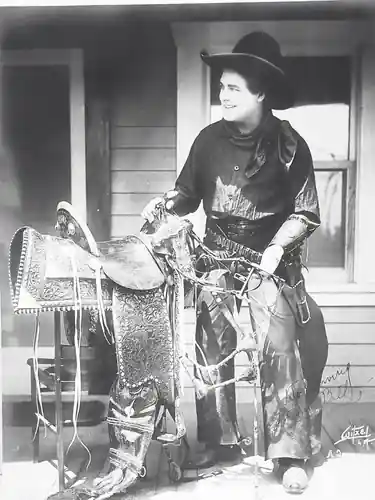
Comparing The Last of the Duanes to other films of its era provides valuable context. While not as overtly political as something like Damaged Goods, which tackled social issues head-on, or as purely escapist as some of the lighter comedies, it shares a certain dramatic intensity with films like The Call of Her People, in its exploration of character under duress. The raw, untamed spirit of the frontier and the moral ambiguity of its inhabitants resonate with the themes explored in films like Wild Women, where the harsh environment often shapes, and sometimes distorts, human nature. The film's portrayal of a man forced to choose between personal justice and the letter of the law echoes the internal struggles seen in narratives of moral reckoning.
The action sequences, while not employing the sophisticated stunt work of later eras, are nonetheless effective. The gunfights are quick and brutal, reflecting the harsh realities of frontier violence. Horse chases, a perennial favorite in Westerns, are staged with a dynamic energy that keeps the audience engaged. What truly distinguishes these scenes, however, is their integration into the broader moral fabric of the story. Each act of violence, each flight from the law, serves to deepen Duane's internal conflict and further entrench him in the outlaw world, even as he strives to maintain a semblance of his former honor. The film, in this regard, avoids glorifying violence for its own sake, instead presenting it as a catalyst for character development and plot progression.
The thematic core of The Last of the Duanes revolves around the concept of redemption. Can a man, branded an outlaw by circumstance, ever truly find his way back to a life of honor and acceptance? Duane's interactions with the various characters he encounters—from the hardened outlaws to the innocent settlers—force him to continually re-evaluate his choices and his identity. He is not merely escaping the law; he is grappling with his own conscience, striving to define what it means to be a 'good' man in a 'bad' situation. This internal struggle is what lends the film its enduring power, making Duane a character with whom audiences, then and now, can empathize.
The film's exploration of women's roles, while perhaps constrained by the conventions of its time, offers intriguing facets. The rescued girl represents a more traditional ideal of feminine purity and vulnerability, a motivation for the hero's protective instincts. Conversely, the outlaw chief's wife shatters these conventions, embodying a dangerous agency and a powerful, almost primal, sexuality. Her character introduces a fascinating counterpoint to the more straightforward romantic arc, challenging Duane's moral fortitude and adding a layer of psychological complexity that was perhaps quite daring for a Western of 1919. This duality in female representation hints at the evolving portrayals of women in cinema, moving beyond mere damsels in distress to figures of influence and even peril.
J. Gordon Edwards' direction, while perhaps not as celebrated as some of his contemporaries, demonstrates a clear understanding of how to build tension and convey narrative effectively in the silent medium. He utilizes the vast landscapes to frame Duane's journey, employing long shots to emphasize his isolation and close-ups to capture the emotional nuances of his internal turmoil. The pacing, though deliberate by modern standards, allows the audience to fully immerse themselves in the unfolding drama, savoring each gesture, each intertitle, and each expertly composed shot. His work, alongside that of the cinematographer, crafts a visual narrative that is both expansive and intimately personal.
The legacy of The Last of the Duanes is multifaceted. As an adaptation of a Zane Grey novel, it cemented the author's popularity in the burgeoning film industry, paving the way for numerous subsequent adaptations. As a silent Western, it contributed to the genre's formative years, establishing tropes and narrative structures that would be refined and reinterpreted for decades to come. And as a piece of early American cinema, it offers a window into the storytelling sensibilities and technical capabilities of a bygone era. It reminds us that even without synchronized sound, filmmakers were capable of crafting compelling, emotionally resonant stories that explored complex human dilemmas.
Indeed, the film's enduring appeal lies in its ability to transcend its historical context. While the stylistic conventions of silent cinema might require a certain adjustment for contemporary viewers, the core themes—vengeance, justice, love, loyalty, and the search for identity—remain timeless. Duane's struggle to reconcile his past actions with his desire for a future free from the shadow of the law is a narrative that continues to resonate. It speaks to the universal human experience of making difficult choices, grappling with consequences, and striving for personal redemption in a world that often refuses to offer easy absolution. The film, therefore, is not merely a historical curiosity but a powerful piece of dramatic cinema that continues to provoke thought and stir emotion.
In its quiet intensity, The Last of the Duanes stands as a significant entry in the canon of early Westerns. It showcases the formidable talent of William Farnum, the narrative prowess of Zane Grey, and the evolving artistry of silent filmmaking. It is a film that rewards careful viewing, inviting audiences to look beyond the surface-level adventure and delve into the profound moral and emotional landscape of its protagonist. For those interested in the foundational works of the Western genre, or simply in experiencing the raw power of silent storytelling, this film is an essential watch, a compelling journey into the heart of a wild frontier and the complex soul of a man caught within its unforgiving embrace.
IMDb —
1922
Community
Log in to comment.