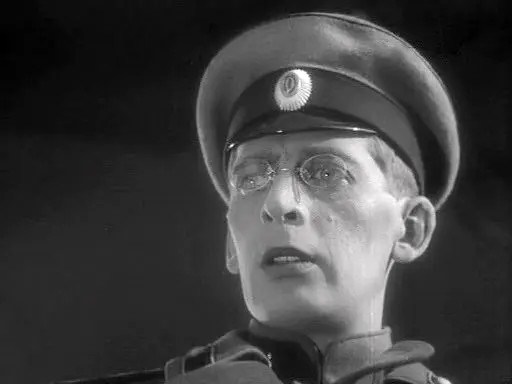
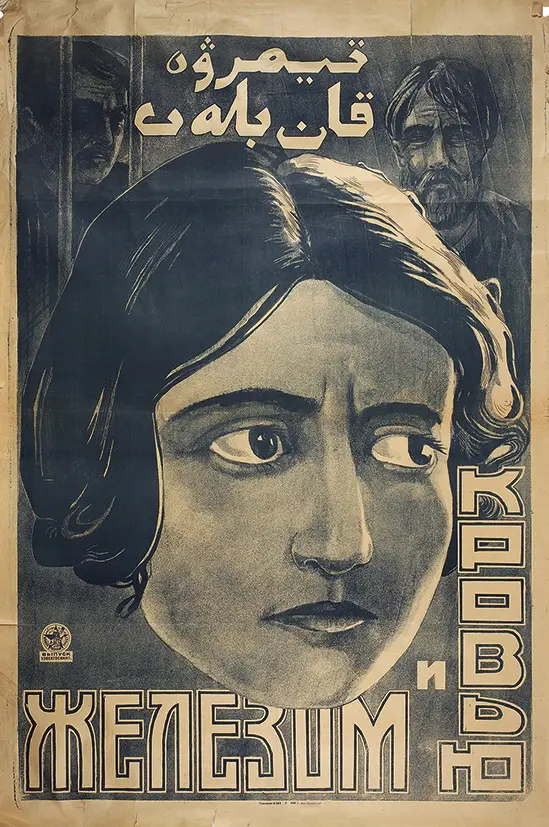
The life of the production plant and its workers from the imperialist war to the recovery period following the Russian civil war. Bolshevik Sergey, a former factory worker - in the 1920s - its director.
Is Zhelezom i krovyu worth watching today? Short answer: yes, but with significant caveats that demand a particular kind of viewer. This film isn't for casual cinema-goers seeking easy entertainment; it's a stark, often challenging historical document best suited for those deeply invested in early Soviet cinema, indust...

Comparing the cinematic DNA and archive impact of two defining moments in cult history.
Vladimir Karin
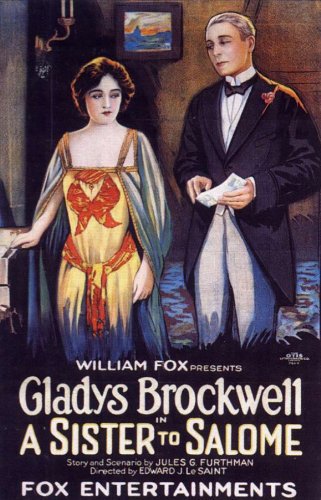
Edward LeSaint
Community
Log in to comment.
"Zhelezom i krovyu" (Iron and Blood) meticulously chronicles the arduous journey of an industrial production plant and its dedicated workforce, navigating the brutal realities of an imperialist war through the devastating aftermath of the Russian Civil War. The narrative culminates in the transformative 1920s, witnessing the plant's ideological and physical reconstruction under the stewardship of Sergey, a former laborer now elevated to director. This portrayal embodies the nascent Bolshevik vision of industrial recovery and human resilience, presenting a stark, often unvarnished, look at collective effort against a backdrop of profound societal upheaval and revolutionary restructuring.
"Is Zhelezom i krovyu worth watching today? Short answer: yes, but with significant caveats that demand a particular kind of viewer. This film isn't for casual cinema-goers seeking easy entertainment; it's a stark, often challenging historical document best suited for those deeply invested in early Soviet cinema, industrial history, or the evolution of propaganda as an art form. It is decidedly not for audiences expecting a character-driven drama or high production values by modern standards. Thi..."
Nikolay Lazarev
Vladimir Karin
Soviet Union
1920 · IMDb —
Harley Knoles