DbcultAccessing Vault...
Cult Review
Senior Film Conservator
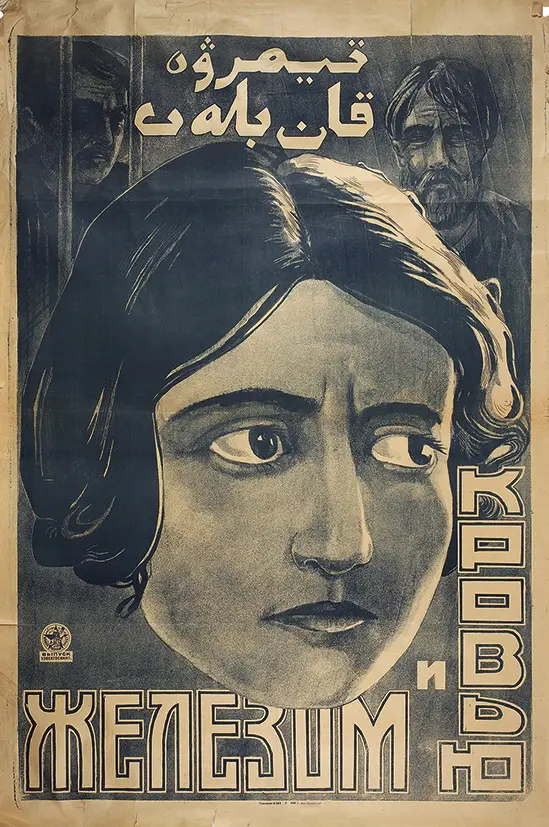
Is Zhelezom i krovyu worth watching today? Short answer: yes, but with significant caveats that demand a particular kind of viewer. This film isn't for casual cinema-goers seeking easy entertainment; it's a stark, often challenging historical document best suited for those deeply invested in early Soviet cinema, industrial history, or the evolution of propaganda as an art form. It is decidedly not for audiences expecting a character-driven drama or high production values by modern standards.
This film works because it offers an unfiltered, almost documentary-like glimpse into a pivotal moment of Russian history, showcasing the sheer human will to rebuild amidst ideological fervor. It fails because its narrative ambition often outstrips its technical execution, leading to moments of uneven pacing and a didacticism that can feel heavy-handed to a contemporary audience. You should watch it if you appreciate the raw power of early silent film, have an academic interest in the Russian Revolution's impact on industry, or seek to understand the origins of Soviet filmmaking's unique aesthetic.
"Zhelezom i krovyu" plunges us into the heart of a Russian factory, a microcosm of a nation in flux. The film opens in an era dominated by imperialist conflict, where the plant’s output is geared towards a war machine. This initial phase, while brief, establishes the grueling conditions and the impersonal nature of labor under the old regime. The workers are cogs, their faces often obscured by smoke and toil, setting a grim baseline for the transformations to come.
The true narrative pivot arrives with the seismic shifts of the Russian Civil War. The factory, like the country, is ravaged. Production ceases, machinery rusts, and the workforce disperses. This period is depicted with a stark visual language, emphasizing desolation and ruin. It’s a powerful, if somewhat melodramatic, illustration of societal collapse, underscoring the monumental task of reconstruction that lay ahead for the nascent Soviet state.
The film’s central arc focuses on the post-civil war recovery in the 1920s. Here, the figure of Sergey, a former factory worker, rises to prominence. His ascent to director is not merely a personal triumph but a symbolic representation of the Bolshevik ideal: that the workers themselves, the proletariat, would lead the nation’s industrial rebirth. This ideological underpinning is ever-present, shaping the narrative and character motivations.
Sergey's leadership is portrayed as a blend of practical ingenuity and unwavering communist conviction. He rallies the fragmented workforce, instills a new sense of purpose, and meticulously oversees the restoration of the plant. Scenes
IMDb 5.7
1928
Community
Log in to comment.