DbcultAccessing Vault...
Cult Review
Senior Film Conservator
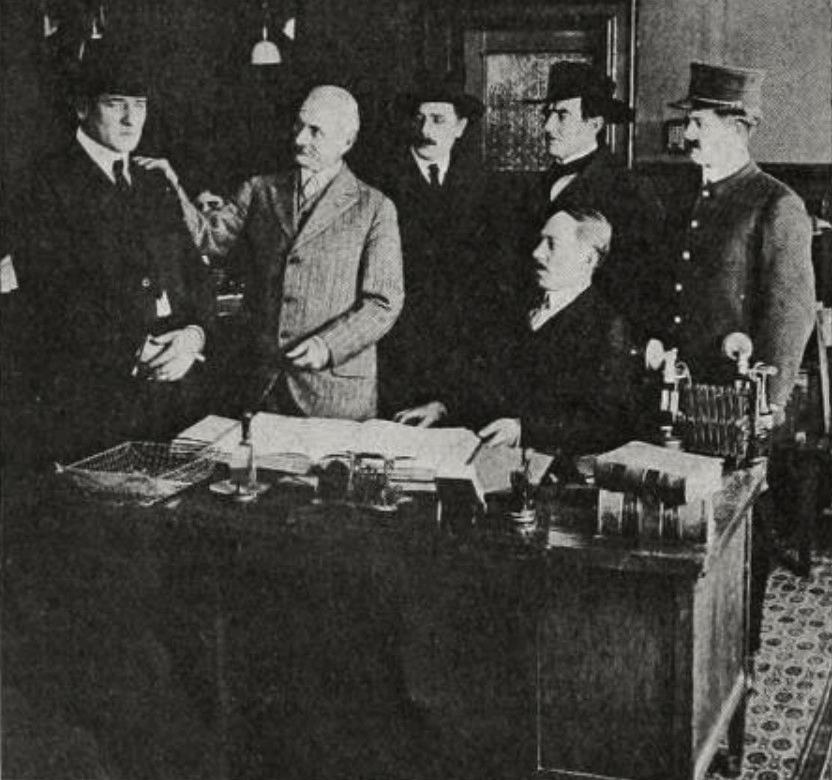
In the annals of early cinema, few films dared to tackle the societal juggernaut of capital punishment with the unflinching resolve seen in 1917's 'Who Shall Take My Life?' This silent era gem, more than a mere melodrama, stands as a polemical powerhouse, a cinematic sermon against the state's ultimate sanction, penned by the impassioned Maibelle Heikes Justice. It isn't just a story; it's a visceral argument, rendered with a starkness that, even a century later, retains its chilling resonance. The film peels back the veneer of judicial infallibility, exposing the harrowing consequences when the scales of justice are tipped by the weight of mere circumstance, rather than unassailable truth. The narrative's core is a gut-wrenching exploration of an innocent man condemned, a tragedy exacerbated by a twist so profoundly cruel it leaves an indelible mark on the viewer's consciousness.
Maibelle Heikes Justice, a name that deserves far greater recognition in film history, was not merely a screenwriter; she was an activist wielding the pen as a weapon against what she perceived as state-sanctioned murder. Her scenario for 'Who Shall Take My Life?' is a masterclass in weaving social commentary into compelling drama. Unlike many films of its time that merely entertained, Justice's work sought to provoke, to challenge, and to instigate change. Her conviction against capital punishment permeates every frame, transforming what could have been a simple tale of wrongful conviction into a searing indictment of the entire judicial system. This film isn't just a product of its time; it's a timeless plea for mercy and a cautionary tale against the irreversible nature of the death penalty. It forces us to confront the terrifying possibility that the machinery of justice, designed to protect, can also destroy, irrevocably.
The film's plot, deceptively simple on the surface, unravels with a meticulous, agonizing pace. We witness a man, whose name becomes secondary to his plight, accused of a heinous crime. The evidence against him is not direct, not irrefutable, but rather a constellation of coincidences, a tapestry of suspicion woven from the threads of circumstantial inference. The courts, in their grim wisdom, find him guilty. His appeals exhausted, his fate sealed, he is led to the gallows, or perhaps the electric chair, depending on the implicit methods of the era. His execution is presented not as a moment of triumph for justice, but as a chilling, somber act, a tragic crescendo to a symphony of errors. The film doesn't shy away from the brutality of this finality, making it clear that once a life is taken, there is no undoing, no redress, no apology that can bring back what was lost.
Then comes the gut-punch, the reveal that elevates 'Who Shall Take My Life?' from a mere cautionary tale to a truly devastating cinematic experience. The woman he was convicted of murdering—the very specter that haunted his trial and sealed his doom—is, in fact, alive. Not only alive, but living a life in the shadows, working as a prostitute in a Western city. This twist isn't just a plot device; it's a moral earthquake, shattering any remaining faith in the infallibility of the system. Her survival, her very existence, screams volumes about the profound, irreversible error committed. It transforms the executed man not just into a victim of injustice, but into a martyr to a flawed ideology, a stark symbol of the dangers inherent in a system that allows for no retraction, no second chances, even when the truth eventually, painfully, emerges.
The implications are staggering. How many others, the film tacitly asks, have met a similar fate, their innocence only proven when it was too late? This scenario, so powerfully conceived by Justice and brought to life by the cast, resonates with a haunting echo. It's a question that continues to plague modern justice systems globally. The film doesn't offer easy answers; instead, it presents the raw, unvarnished consequences of societal judgment, leaving the audience to grapple with the discomforting truth.
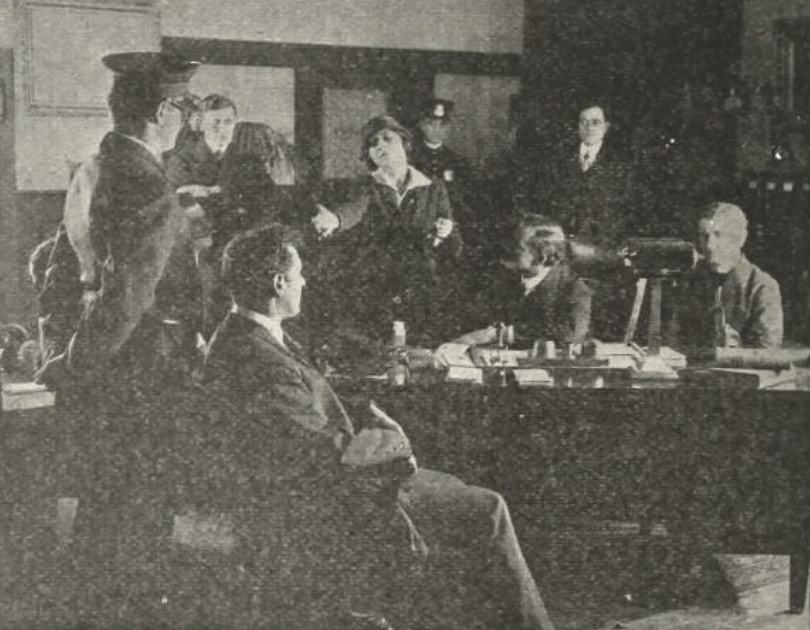
The effectiveness of such a profound narrative relies heavily on its performers, and 'Who Shall Take My Life?' boasts a cast capable of conveying immense emotional depth without uttering a single word. Tom Santschi, often celebrated for his robust, often villainous roles in Westerns, here delivers a nuanced performance as the wrongfully accused. His portrayal of despair, confusion, and ultimately, resignation, must have been profoundly moving for contemporary audiences. Santschi's ability to project inner turmoil through exaggerated, yet deeply felt, facial expressions and body language is a testament to the power of silent acting. He embodies the everyman caught in an inescapable nightmare, a figure of tragic empathy.
Fritzi Brunette, in her role as the 'victim' who isn't, also commands attention. Her later reappearance, stripped of her former identity and forced into a life of degradation, must convey a complex mix of shame, fear, and perhaps even a twisted sense of survival. Her performance would have been crucial in selling the film's shocking twist, requiring a delicate balance of vulnerability and resilience. While specific details of her portrayal are elusive without a complete print, the narrative demands a performance that justifies the central conceit, making her character's fate as poignant as the executed man's. Similarly, Bessie Eyton, Harry Lonsdale, and Al W. Filson contribute to the ensemble, each actor playing their part in constructing the suffocating atmosphere of injustice that pervades the film. The subtle gestures, the wide-eyed horror, the stern pronouncements – all combine to create a compelling, if heartbreaking, cinematic experience. Even supporting players like Edward Coxen, Virginia Kirtley, and Eugenie Besserer would have played critical roles in shaping the emotional landscape of the narrative, each face a canvas for the film's powerful themes.
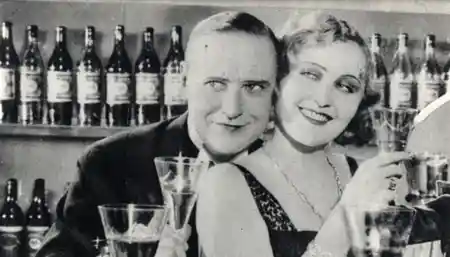
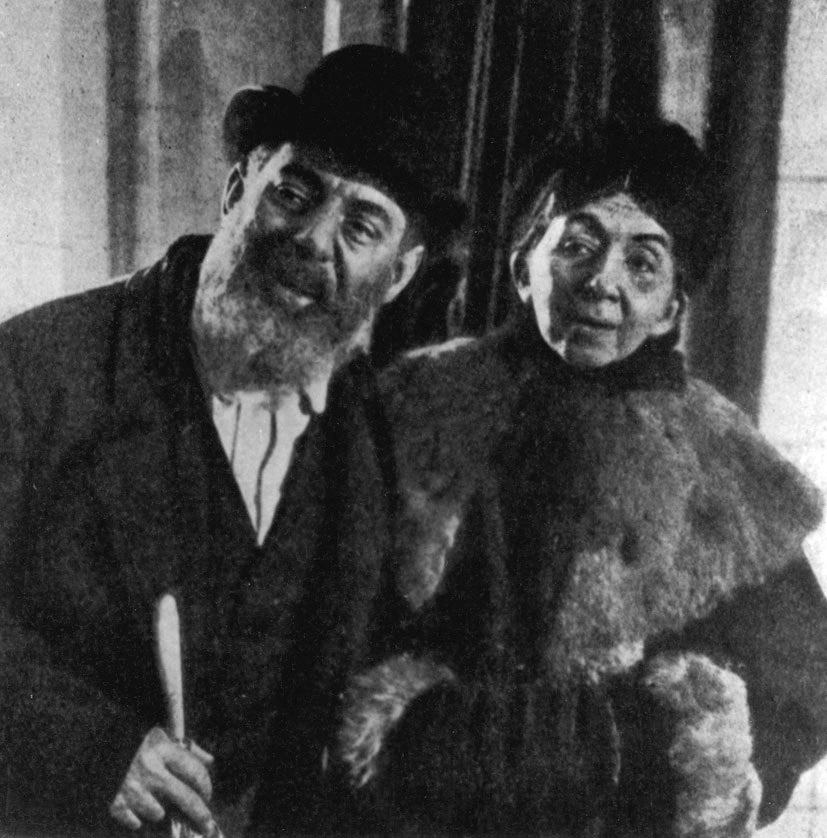
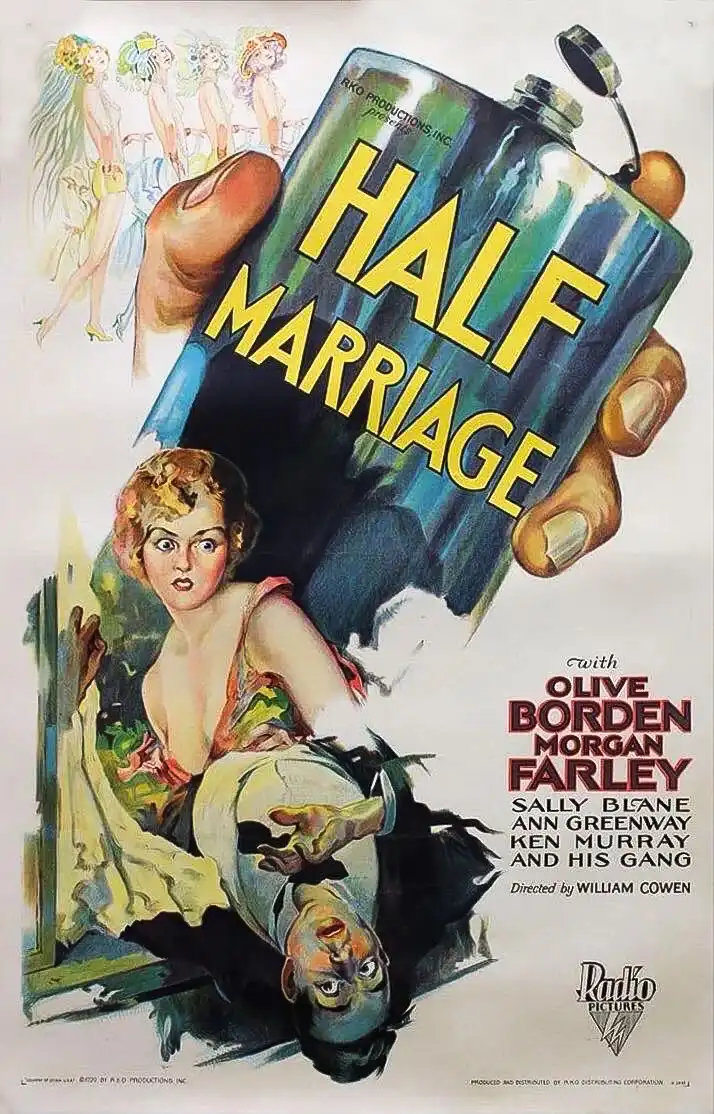
To fully appreciate 'Who Shall Take My Life?', it's beneficial to place it within the broader landscape of early 20th-century cinema, particularly films that dared to engage with social issues. While many productions like Pretty Mrs. Smith or Beverly of Graustark offered escapist romance or lighthearted adventure, 'Who Shall Take My Life?' aligns more closely with the emerging trend of social realism and dramatic critique. Films like The Regenerates, though perhaps different in thematic focus, also explored moral quandaries and the impact of societal pressures on individuals. The era was ripe for narratives that challenged norms, even if they were often wrapped in sensationalism.
The stark moral message of Justice's work echoes a similar investigative spirit found in some European productions of the time, such as Das Geheimnis von Chateau Richmond, which often delved into mysteries and the darker aspects of human nature, albeit with a different cultural lens. While not directly comparable in plot, the underlying desire to explore profound human dilemmas through the nascent art form of cinema connects them. The American silent film industry, often perceived as solely focused on Westerns like Straight Shooting or sweeping epics, also had a robust tradition of social commentary. 'Who Shall Take My Life?' stands as a powerful example of this often-overlooked facet, demonstrating the medium's capacity for serious discourse.
What makes 'Who Shall Take My Life?' particularly compelling is its enduring relevance. The debate surrounding capital punishment continues to rage globally, with arguments concerning wrongful convictions, racial bias, and the very morality of state-sanctioned killing still at the forefront. This film, crafted over a century ago, speaks directly to these contemporary concerns. It serves as a stark reminder that the human element in judicial processes is inherently fallible, and when the stakes are life and death, that fallibility carries an unbearable weight. The film's narrative pre-dates many celebrated legal dramas, yet its core message feels startlingly modern, urging continuous scrutiny of judicial systems and a profound skepticism towards absolute certainty.
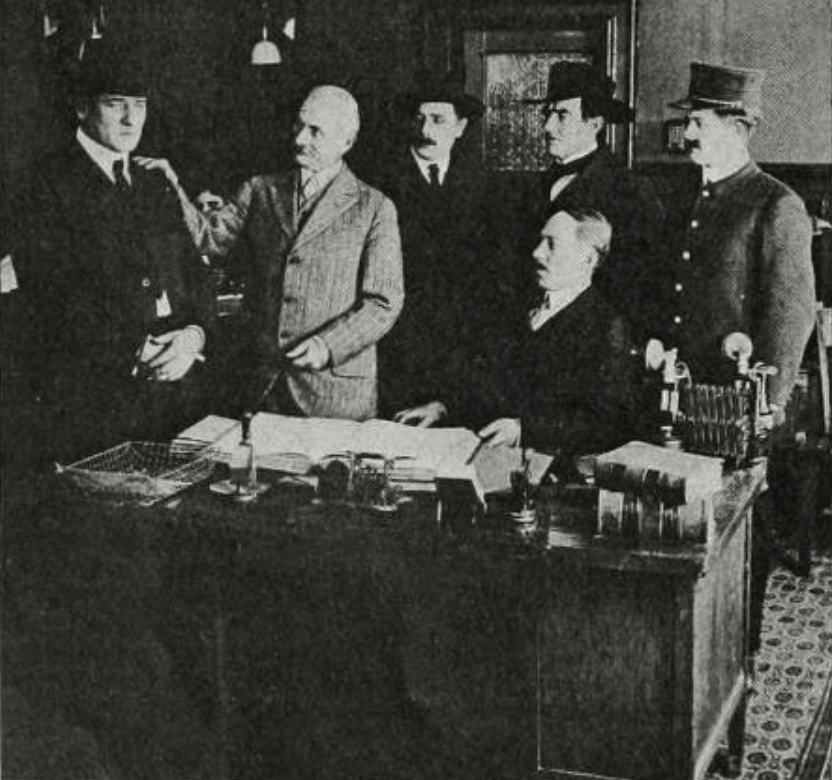
Moreover, the film's depiction of a woman forced into prostitution after being presumed dead also touches upon themes of societal abandonment and the precariousness of female existence in that era. While the primary focus is capital punishment, this secondary layer adds another dimension of social critique, hinting at the broader injustices faced by marginalized individuals. This complexity, even in a silent film, showcases the thoughtful writing of Gilson Willets and Maibelle Heikes Justice. It’s a far cry from the simpler morality plays or romantic escapades of films like The Girl with the Green Eyes or even the more dramatic but less socially pointed Heart and Soul.
The power of 'Who Shall Take My Life?' lies not just in its shocking plot twist, but in its ability to provoke profound moral introspection. It asks us to consider the ethical boundaries of state power and the sanctity of individual life. While films like Passion (though a later European production) might explore intense personal drama, 'Who Shall Take My Life?' grounds its drama in a very specific, very public, and very political debate. It's a film that argues for empathy over retribution, for caution over irreversible judgment. It suggests that even in the pursuit of justice, humanity must always leave room for the possibility of error, especially when that error carries the ultimate price.
Comparing it to other melodramas of the era, such as Money Magic or Blazing Love, one immediately notices its distinct, more serious tone. While those films might explore personal betrayals or romantic entanglements, 'Who Shall Take My Life?' elevates its narrative to a societal critique, a direct challenge to the establishment. Even a film like The Conflict, by its very title, suggests weighty themes, but it is the specific, chilling nature of the conflict in Justice’s film that truly sets it apart. It’s not merely a personal struggle, but a systemic one. This film is a testament to the fact that early cinema was not merely a novelty or a fleeting entertainment, but a powerful platform for social advocacy, capable of stirring the collective conscience with a potency that endures through the decades.
The film's impact, though perhaps not as widely studied as D.W. Griffith's epics, is significant in its specific niche. It adds to a lineage of films that use the medium to question authority and highlight human rights issues. It reminds us of the power of a well-crafted scenario to transcend its immediate context and speak to universal truths about justice, forgiveness, and the irreparable nature of certain societal decisions. It’s a film that, despite its age and the limitations of silent cinema, manages to communicate a message with profound clarity and emotional force, urging us to reflect on the very foundations of our legal systems. Much like Hedda Vernon's Bühnensketch might offer a glimpse into a particular theatrical world, or Champagneruset into a specific social milieu, 'Who Shall Take My Life?' offers a window into a critical societal debate that remains acutely relevant today. Its absence from wider public discourse is a loss, for its lessons are as vital now as they were over a hundred years ago.
In conclusion, 'Who Shall Take My Life?' is far more than a historical artifact; it is a timeless piece of advocacy cinema. It challenges viewers to look beyond the surface of legal proceedings and consider the profound human cost of irreversible judgments. Maibelle Heikes Justice and Gilson Willets crafted a narrative that is both a gripping drama and a powerful social statement, leaving an audience with an uncomfortable, yet necessary, question: when the state takes a life, and then discovers its error, who truly bears the burden of that irreparable wrong? The film's legacy is one of unwavering critique, a silent scream against the ultimate injustice, resonating long after the projector lamp has dimmed.
IMDb —
1918
Community
Log in to comment.