DbcultAccessing Vault...
Cult Review
Senior Film Conservator
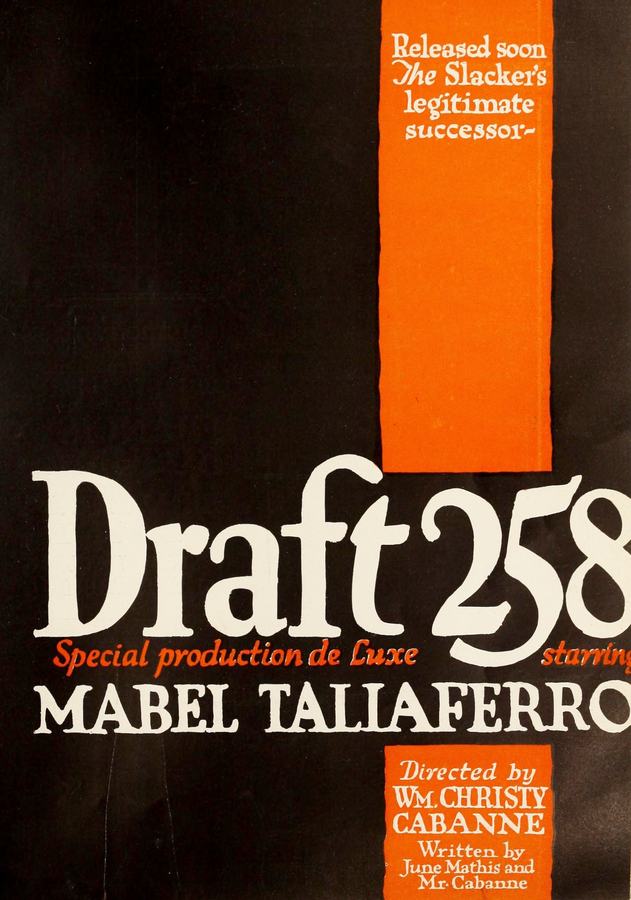
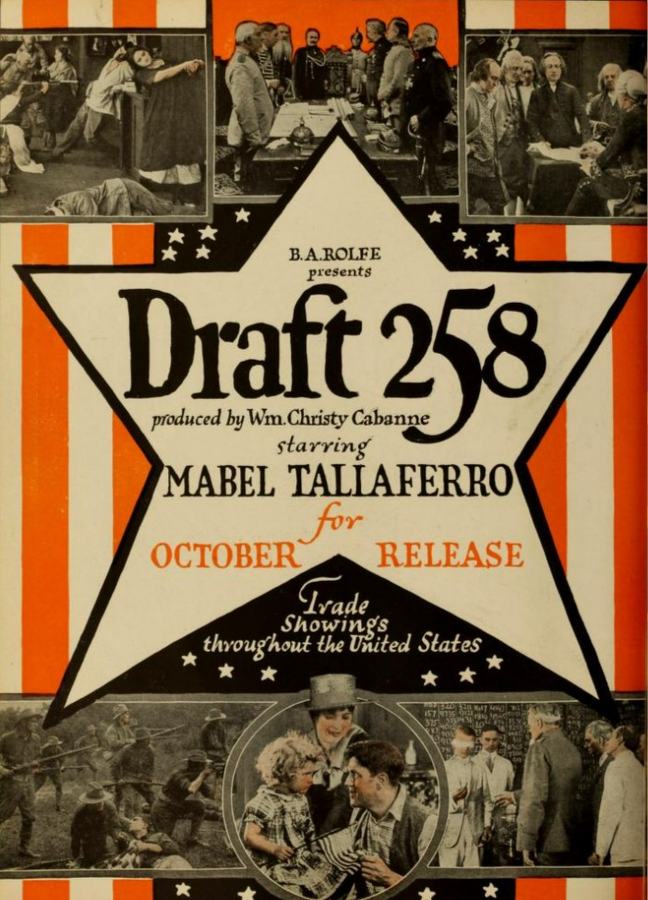
In the pantheon of early American cinema, specifically the feverish output of 1917, few artifacts capture the jagged intersection of domestic anxiety and geopolitical turmoil as poignantly as Draft 258. Directed by Christy Cabanne and penned by the formidable June Mathis, this film is not merely a piece of wartime propaganda; it is a nuanced, albeit didactic, exploration of ideological divergence within the nuclear family. At a time when the United States was transitioning from isolationism to active belligerence, the screen became a surrogate pulpit for national cohesion. Unlike the more escapist fare of the era, such as A Princess of Bagdad, Draft 258 confronts the gritty reality of the Selective Service Act with a fervor that borders on the religious.
The narrative engine of the film is powered by the three Alden siblings, each representing a distinct facet of the American psyche during the Great War. Mary Alden, portrayed with a luminous yet steely resolve by Mabel Taliaferro, stands as the moral compass of the piece. Her patriotism is not passive; it is an active, demanding force. In contrast, her brother Matthew (Robert Anderson) embodies the intellectual pacifist, a figure often vilified in contemporary media but given a complex, if tragic, treatment here. Then there is George (Donald Gallaher), whose reluctance to serve provides the film's title and its most visceral conflict. This familial friction mirrors the larger societal debates seen in works like The Absentee, where personal duty is weighed against social responsibility.
The brilliance of June Mathis’s screenplay lies in its refusal to let Matthew’s pacifism exist in a vacuum. Instead, it weaponizes his idealism. By making him the unwitting patsy for German agents, Mathis creates a cautionary tale about how noble intentions can be subverted by predatory foreign interests. This subversion is orchestrated by Van Bierman, played with a chilling, calculated precision that prefigures the sophisticated villains of later noir. The presence of Erich von Stroheim in the cast, even in a supporting capacity, adds a layer of historical weight, given his later reputation as 'the man you love to hate.'
Christy Cabanne’s direction in Draft 258 exhibits a sophisticated understanding of spatial tension. The scenes within the airplane factory are particularly noteworthy, utilizing industrial geometry to heighten the sense of impending doom. The threat of sabotage is not merely a plot point; it is a visual motif. The looming shadows and the rhythmic movements of the machinery create a sense of mechanical dread that stands in stark contrast to the domestic warmth of the Alden home. This aesthetic choice aligns the film more closely with the dark realism of Life's Whirlpool (1917) than with the more theatrical presentations of the time.

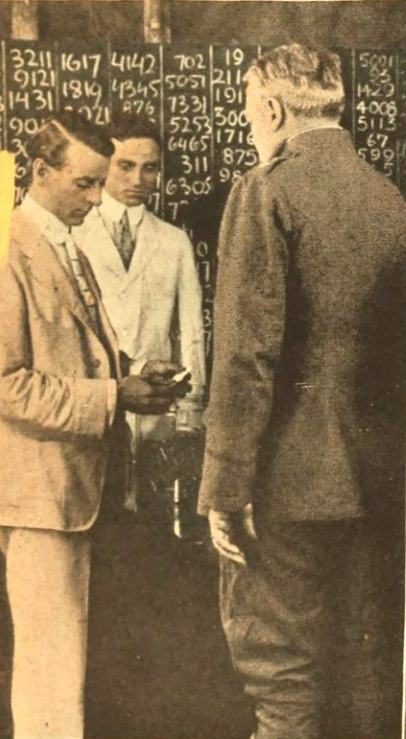
The draft lottery sequence itself is a masterclass in suspense. As the numbers are drawn, Cabanne cuts between the cold, bureaucratic process of the lottery and the agonized faces of those waiting at home. When number 258 is finally called, it feels like a death sentence, not just for George, but for the family’s remaining innocence. The film masterfully captures the claustrophobia of duty. It reminds one of the high stakes found in On Record, where a single document or decision can irrevocably alter a life's trajectory.
Mabel Taliaferro’s Mary is a fascinating study in the 'Spartan Mother' archetype, a theme also explored in The Spartan Girl. However, Mary is more than just a cheerleader for the front lines. She is an operative in her own right. Her plan to shame George into induction is a brutal exercise in psychological warfare, illustrating the immense pressure women placed on men to conform to traditional masculine roles during the war. This dynamic is far more complex than the romanticized heroism often found in films like The Puppet Crown or the whimsical nature of Borrowed Plumage.
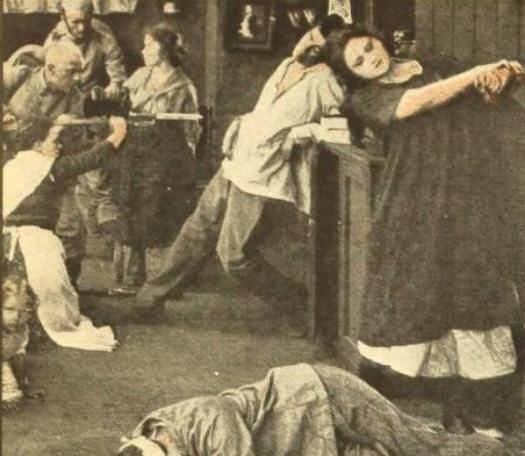
Mary’s agency is the film's true center. While the men are paralyzed by ideology or fear, she is the one who perceives the German threat and takes decisive action. This elevation of the female protagonist was a hallmark of June Mathis’s writing, which often sought to place women at the heart of historical and social upheaval. In Draft 258, the domestic sphere is not a sanctuary from the war; it is the front line. The betrayal that occurs within the family home is treated with the same gravity as the sabotage at the factory, suggesting that the ultimate threat to the nation is internal discord.
When compared to other contemporary dramas like The Evil Women Do or Heart and Soul, Draft 258 feels remarkably modern in its pacing and thematic density. It eschews the melodramatic excesses of Madame Du Barry in favor of a taut, thriller-like structure. The film shares a certain gritty DNA with The Bruiser, emphasizing physical stakes and the consequences of inaction. Even the more allegorical Samson lacks the immediate, visceral punch of Draft 258's contemporary setting.
The inclusion of the German spy ring adds a layer of 'yellow journalism' sensationalism that was rampant in 1917. Van Bierman is not a character so much as a personification of the 'Hun' threat—a motif that would be repeated in countless films but rarely with such effective integration into a family drama. The way the plot weaves Matthew’s pacifist speeches into the spies' plans for destruction is a sophisticated, if cynical, piece of storytelling. It suggests that in times of total war, there is no such thing as neutral ground. One is either a patriot or a tool for the enemy, a binary that the film explores with relentless conviction.
One cannot discuss Draft 258 without acknowledging the influence of June Mathis. As one of the most powerful women in early Hollywood, her ability to structure a narrative for maximum emotional and political impact was unparalleled. Here, she takes a potentially dry subject—the draft—and turns it into a high-stakes espionage thriller. The dialogue intertitles are sharp and evocative, avoiding the flowery prose that bogged down films like Die toten Augen or Powder.
The cinematography, though limited by the technology of the time, makes excellent use of natural light and shadow. The nighttime sequences, involving the movement of secret agents and the eventual confrontation at the factory, possess a proto-noir quality. The editing is also remarkably advanced, using cross-cutting to build tension in a way that feels surprisingly contemporary. This technical proficiency ensures that the film remains engaging even for modern audiences who might struggle with the slower pace of other 1917 releases like The Convict Hero.
Ultimately, Draft 258 is a haunting reminder of the power of cinema to shape national identity. While it was undoubtedly designed to encourage enlistment and vigilance, it succeeds as a piece of art because it anchors its political message in human relationships. The tragedy of the Alden family is the tragedy of a nation being forced to grow up too fast, to trade its innocence for a seat at the global table. The final act, involving the thwarted explosion and the eventual redemption of the brothers, provides a catharsis that was likely essential for audiences of the time.
In the century since its release, the film has transitioned from a piece of timely propaganda to a fascinating historical document. It offers a window into the anxieties of an era when the world was literally being torn apart. For students of silent cinema, it is an essential watch, demonstrating the sophisticated storytelling techniques that were being developed by pioneers like Cabanne and Mathis. It stands as a testament to the fact that even in the earliest days of the medium, film was being used to grapple with the most complex and painful questions of the human experience.
Whether viewed as a thriller, a family drama, or a historical artifact, Draft 258 remains a potent and provocative work. It challenges the viewer to consider the price of peace and the cost of war, and to reflect on the enduring tension between the individual and the state. In the end, the number 258 is more than just a draft selection; it is a symbol of the arbitrary and often brutal ways in which history demands our participation.
Critical Verdict: A searing, high-stakes drama that transcends its propaganda roots through sharp writing and atmospheric direction. A vital piece of WWI-era cinema that remains intellectually stimulating over a century later.
IMDb 6.5
1935
Community
Log in to comment.