DbcultAccessing Vault...
Cult Review
Senior Film Conservator
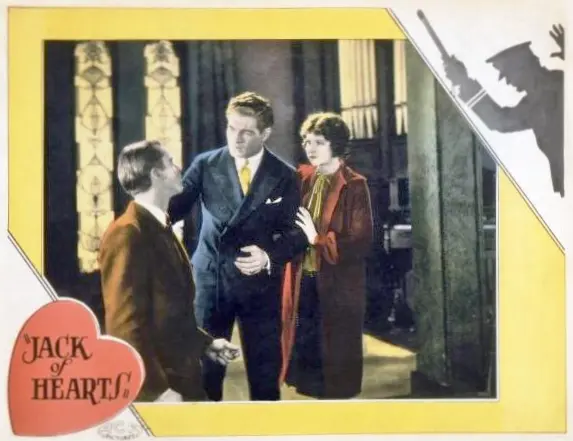
Is Jack O'Hearts a silent film worth your time in the roaring twenties of the 21st century? The short answer is a qualified yes, particularly for cinephiles with an appreciation for early dramatic storytelling, though it might test the patience of those accustomed to modern pacing. This film is decidedly for those who find value in cinematic history, in observing the foundations of narrative filmmaking, and in stories of moral fortitude against overwhelming odds.
It is decidedly not for viewers seeking fast-paced action, complex psychological depth, or the polished realism of contemporary cinema. If you struggle with the visual language of silent films or demand narratives free of melodramatic conveniences, Jack O'Hearts will likely prove a challenging watch.
At its core, Jack O'Hearts is a parable of innocence lost and reclaimed, framed within the fledgling conventions of early cinema. It chronicles the journey of Jack Farber, a young man on the cusp of a spiritual calling, who seeks worldly experience before committing to the pulpit. This initial premise, a timeless clash between idealism and reality, sets a compelling stage. However, the film quickly veers into a more sensational, if somewhat predictable, narrative of injustice and redemption.
The plot, penned by Frances Nordstrom and Gordon Morris, relies heavily on coincidence and the archetypal 'good man wronged' trope. Jack's rapid descent into the penal system due to a planted purse feels less like organic storytelling and more like a narrative device designed to propel him into a series of moral trials. This is a common characteristic of films from this era, where plot often served as a scaffold for moral lessons rather than a meticulously crafted engine of character development.
Despite these structural simplifications, the film manages to evoke a genuine sense of sympathy for Jack. His struggle to find work post-incarceration, constantly shadowed by the persistent Detective Corrigan, highlights a societal problem that remains relevant even a century later. The film, in its own quaint way, offers a subtle critique of a system that punishes not just the guilty, but also those merely touched by its shadow.
The eventual resolution, involving a dramatic confession during a sermon and a convenient declaration of innocence, leans heavily into melodrama. While satisfying in its moral clarity, it sidesteps the messy complexities of real-world justice. It's a testament to the era's storytelling preferences, where clear-cut good and evil, and an ultimate triumph of virtue, were paramount.
This film works because of its earnest emotional core, its clear moral compass, and a surprisingly resonant performance from its lead. It’s a simple story, but its heart is in the right place, advocating for empathy and second chances. This film fails because of its reliance on convenient plot devices and a somewhat rushed, almost magical, resolution to deeply ingrained problems. You should watch it if you appreciate the historical context of silent cinema, enjoy a straightforward tale of a good person overcoming adversity, and don't mind a touch of old-fashioned melodrama.
The cast of Jack O'Hearts, led by Cullen Landis as Jack Farber, carries the weight of the narrative largely through expressive physicality and facial cues, a hallmark of silent acting. Landis delivers a performance that is, at times, surprisingly nuanced for the period. His initial portrayal of Jack as a wide-eyed, slightly naive idealist is convincing, making his subsequent fall from grace all the more impactful.
Observe Landis's transformation after his release from prison. The subtle slump in his shoulders, the weariness in his eyes, and the hesitant way he interacts with the world speak volumes about his ordeal. This isn't grandstanding; it's a genuine attempt to convey an internal struggle, a commendable feat without the aid of dialogue. His impassioned, silent sermon, where he recounts his misfortunes, is a particular highlight, demanding that the audience infer his pain and resilience.
Gladys Hulette, though her role is not explicitly detailed in the plot summary, often brought a compelling presence to films of this era. If she plays a significant emotional anchor, her contributions would undoubtedly add depth. John T. Dwyer, likely as the relentless Detective Tim Corrigan, must embody the antagonist's unwavering resolve. The persistent shadowing of Jack, a constant reminder of his past, requires a certain sternness that Dwyer, known for character roles, would likely have delivered with conviction.
The 'crook friends,' including Antrim Short and others, represent the film's attempt at social commentary and the possibility of redemption for all. Their commitment to a 'clean and honest life' after befriending Jack in prison, while perhaps a touch too idealistic, allows for moments of camaraderie and demonstrates Jack's inherent goodness and influence. This ensemble, through their exaggerated gestures and clear emotional beats, ensures the story's intentions are never lost, even to modern eyes.
The direction in Jack O'Hearts, likely constrained by the technical limitations and narrative conventions of its time, still offers valuable insights into early cinematic language. Directors of this era were pioneers, experimenting with how to tell a story visually without spoken words. This often meant clear, unambiguous staging and a reliance on intertitles to convey dialogue and crucial plot points.
One can anticipate a straightforward visual style, with medium shots and full shots dominating, ensuring that the audience can see the actors' full body language and expressions. Close-ups would have been used sparingly, reserved for moments of intense emotion or revelation, such as Jack's face during his sermon or the moment of Steve's confession. The effectiveness of these moments hinges entirely on the director's ability to frame and hold the shot, allowing the silent performance to breathe.
Cinematography of the period, while lacking the sophisticated lighting and camera movement of later decades, often had a stark beauty. The contrast between the harsh urban environment where Jack is imprisoned and the more serene, perhaps pastoral, setting of his home pulpit would likely be emphasized through lighting and set design. The city scenes might employ more dramatic, shadow-laden visuals to convey danger and injustice, while the home scenes would be brighter, more open, symbolizing hope and purity.
The film's visual storytelling would also rely on symbolic imagery. The 'heart' in its title, for instance, might be subtly referenced through visual motifs, perhaps in set dressing or character interactions, representing Jack's inherent goodness or the emotional core of the narrative. While not 'visually stunning' in a modern sense, its visual choices are historically significant and effective for their time.
The pacing of Jack O'Hearts, typical of many silent dramas, will feel deliberate to contemporary audiences. Narratives often unfolded with a slower rhythm, allowing for the absorption of visual information and the reading of intertitles. However, moments of high drama—Jack's arrest, his struggles to find work, the climactic sermon—would have been punctuated by quicker cuts and more intense performances to maintain engagement. It’s a constant push and pull between exposition and emotional crescendo.
The tone is undeniably melodramatic. This is not a criticism, but an observation of the genre. Characters' emotions are writ large, conflicts are clear-cut, and moral lessons are explicit. There's a certain charm in this directness, a refreshing lack of cynicism that often pervades modern storytelling. The film aims to tug at the heartstrings, to inspire belief in redemption, and to affirm the triumph of good over adversity.
One unconventional observation is how the film, despite its seemingly simple moralistic framework, inadvertently highlights the systemic issues of justice and societal prejudice. Jack's inability to escape his prison record, even after serving his time, is a brutally simple and enduring truth. The film's resolution, while dramatically satisfying, doesn't fully erase the implicit critique of a society that is quick to judge and slow to forgive.
Another interesting aspect is the role of Detective Corrigan. While initially an antagonist, his final declaration of Jack's innocence transforms him from a symbol of oppressive justice to an agent of truth. This shift, while convenient, suggests a latent belief in the ultimate fairness of the system, even if individual players falter. It works. But it’s flawed. This kind of narrative arc, where a character's initial function is reversed, offers a surprising layer to an otherwise straightforward tale.
Yes, Jack O'Hearts is worth watching today for specific audiences. It serves as an excellent historical document, showcasing the narrative techniques and acting styles prevalent in early 20th-century cinema. For film students or enthusiasts of silent films, it offers a valuable glimpse into the craft. The earnestness of its performances and the clear moral message can be quite affecting.
However, it demands patience. The pacing is different, and the reliance on intertitles requires an adjustment from modern viewing habits. If you approach it with an open mind and an appreciation for its historical context, you'll find a moving story of perseverance and the enduring human spirit. It is a testament to the power of simple, direct storytelling that still resonates a century later.
Ultimately, Jack O'Hearts is a compelling, if imperfect, relic of early cinema. It tells an earnest story of a good man's journey through adversity, powered by a commendable lead performance and a clear moral vision. While its narrative shortcuts and melodramatic leanings might not satisfy every contemporary palate, it holds significant value for those interested in film history and the evolution of storytelling. It reminds us that even with rudimentary tools, the power of a human story, particularly one of redemption, can transcend time. For the right audience, it's more than just a historical curiosity; it's a moving testament to resilience.
IMDb 6.4
1933
Community
Log in to comment.