DbcultAccessing Vault...
8/10
Senior Film Conservator
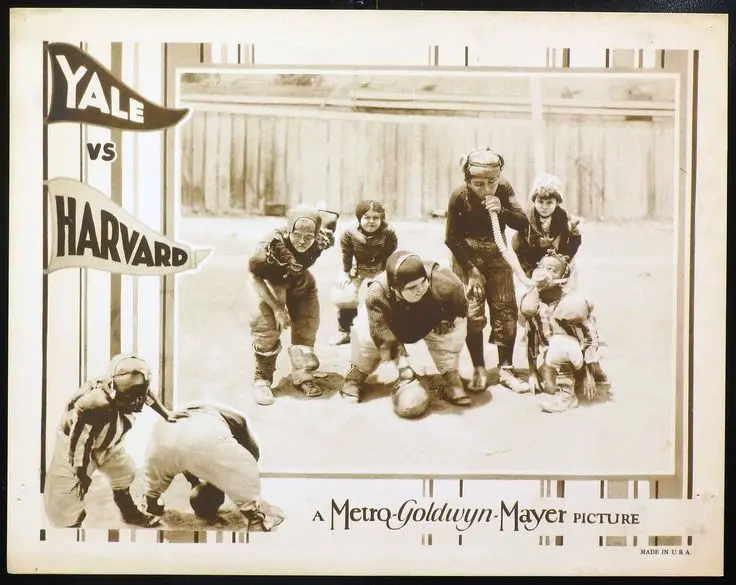
A definitive 8/10 rating for a film that redefined the boundaries of cult cinema. Yale vs. Harvard remains a cornerstone of transgressive art.
Short answer: Is Yale vs. Harvard worth your time today? Yes, but only if you view it as a kinetic historical artifact rather than a modern narrative.
This film is for silent comedy purists, historians of early Hollywood, and fans of the 'Little Rascals' who want to see the franchise in its raw, silent-era prime. It is NOT for viewers who struggle with the slow pacing of 1920s cinema or those who cannot look past the era's problematic social caricatures.
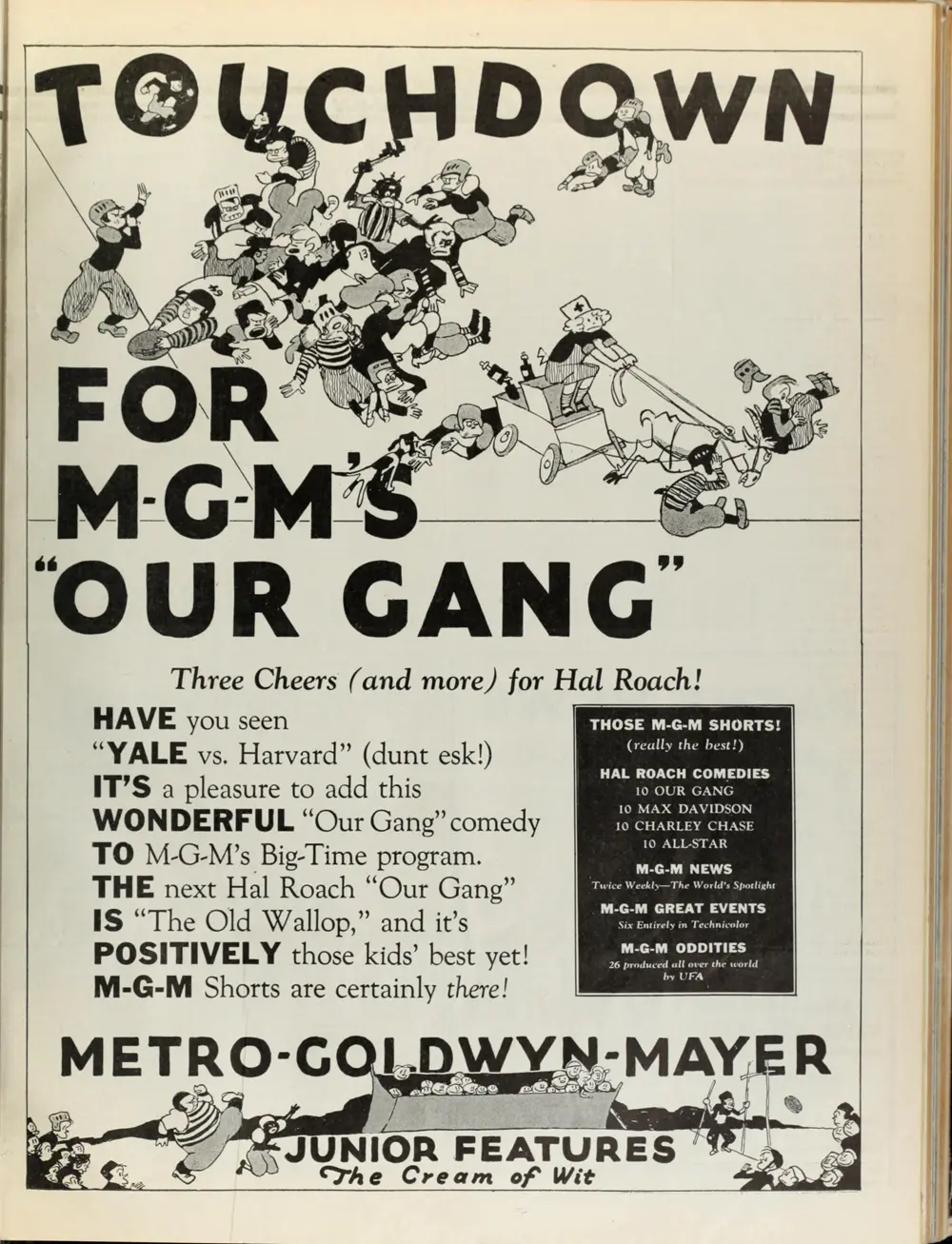
1) This film works because its slapstick timing is surprisingly sophisticated for its age.
2) This film fails because the thin plot is essentially a single joke repeated for twenty minutes.
3) You should watch it if you want to see the DNA of every 'underdog sports' movie ever made.
By 1927, Hal Roach had perfected the art of the 'kid comedy.' Unlike the more staged and rigid performances seen in contemporary dramas like His Father's Son, Yale vs. Harvard thrives on a sense of unscripted chaos. The 'Our Gang' shorts were revolutionary because they treated children like children—messy, loud, and prone to disaster—rather than miniature adults.
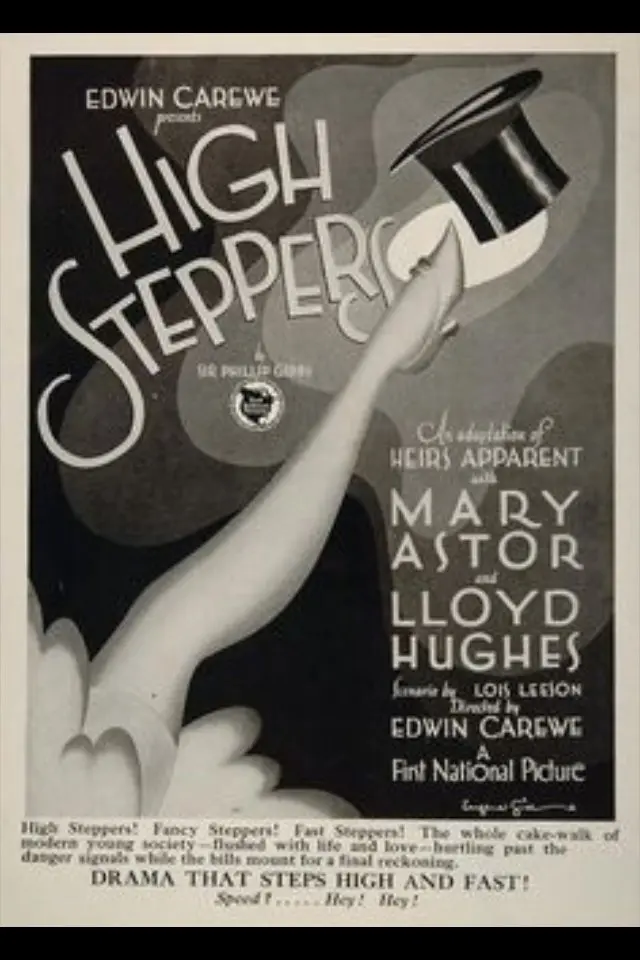
The setting here is a dusty, vacant lot that serves as the gridiron. It’s a stark contrast to the high-society glamour often found in films like Love's Blindness. In Yale vs. Harvard, the stakes are low, but the energy is high. The direction by Robert McGowan focuses on the physical geography of the field, ensuring that every tumble and tackle is visible and impactful.
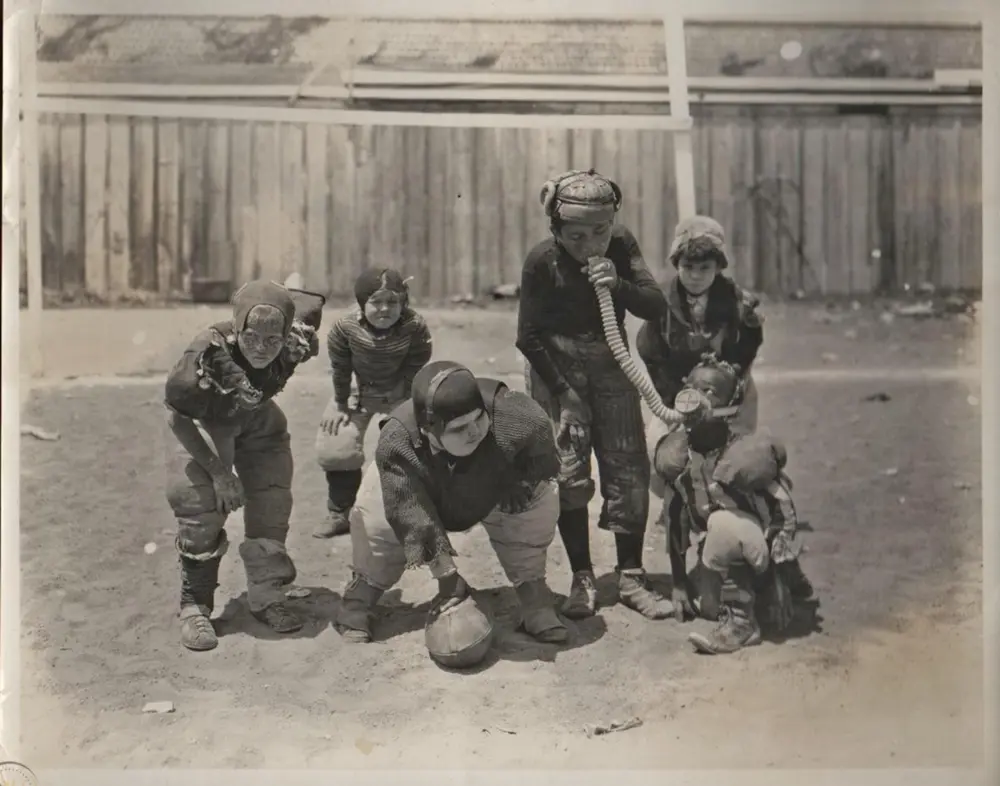
One specific moment involving a 'hidden ball' trick highlights the film's cleverness. It isn't just a gag; it's a commentary on the gang's resourcefulness. They can't out-muscle the Gas House Garlics, so they must out-think them. This theme of brains over brawn is a staple of the series, yet it feels particularly fresh here because of the athletic context.
Allen 'Farina' Hoskins remains the standout of this era. His screen presence is undeniable. Even in a crowded frame, your eyes gravitate toward him. While the racial tropes of the 1920s are present and uncomfortable, Farina often emerges as the most competent member of the group. He isn't just a sidekick; he is a primary driver of the action.
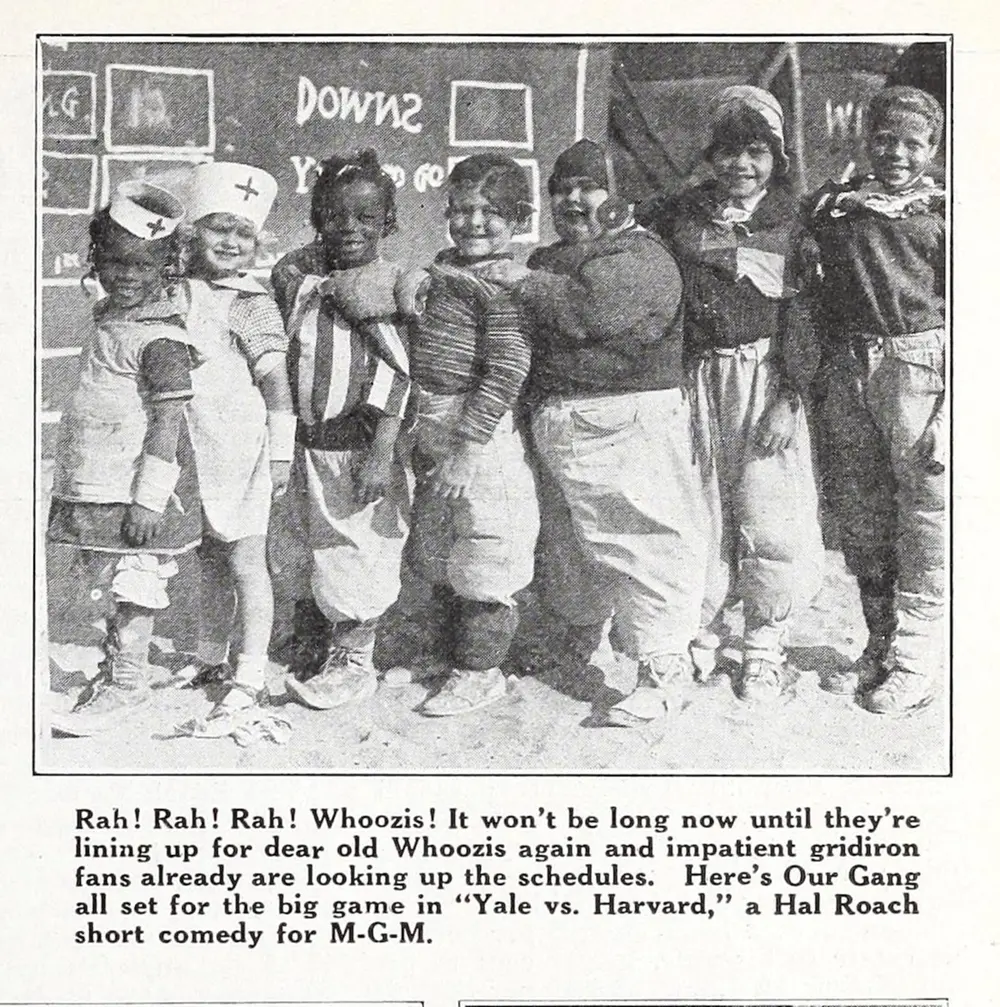
The chemistry between Wheezer and the rest of the gang provides a layer of warmth that many silent shorts lacked. Compare this to the stiff ensemble work in Anna Karenina; here, the interactions feel genuine. When a player gets knocked down, the reaction from the sidelines feels like real childhood concern. It’s a rare feat for 1927.
Then there is Pal the Wonder Dog. Animal actors in this period were often used as static props, but Pal is a full-fledged character. His participation in the football game is better choreographed than the stunts in many big-budget action films of the time, such as Beasts of Paradise. He adds a layer of unpredictable comedy that keeps the pacing from sagging.
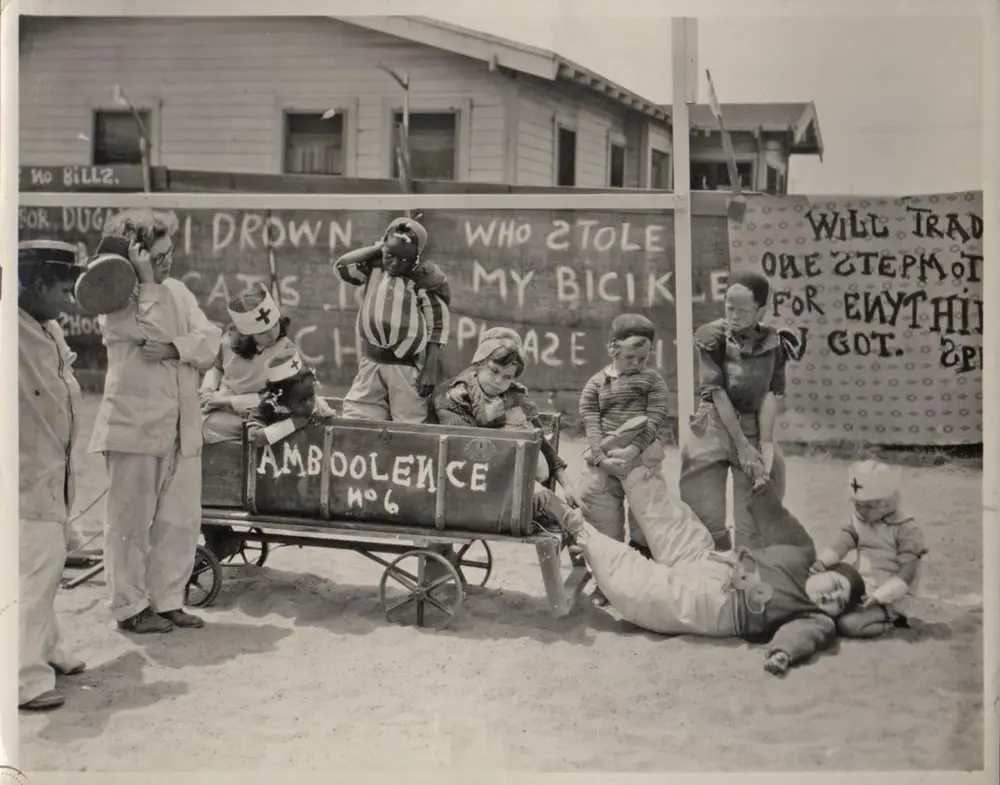
Yale vs. Harvard is worth watching if you appreciate the evolution of visual comedy. It provides a fascinating look at how early filmmakers used limited resources to create high-energy entertainment. The film captures a specific moment in American culture where the obsession with college football trickled down into the play of neighborhood children.
However, if you are looking for a deep story, you won't find it here. The plot is paper-thin. It is essentially a series of vignettes tied together by the loose thread of a football game. But as a study in physical comedy, it is invaluable. It works. But it’s flawed.
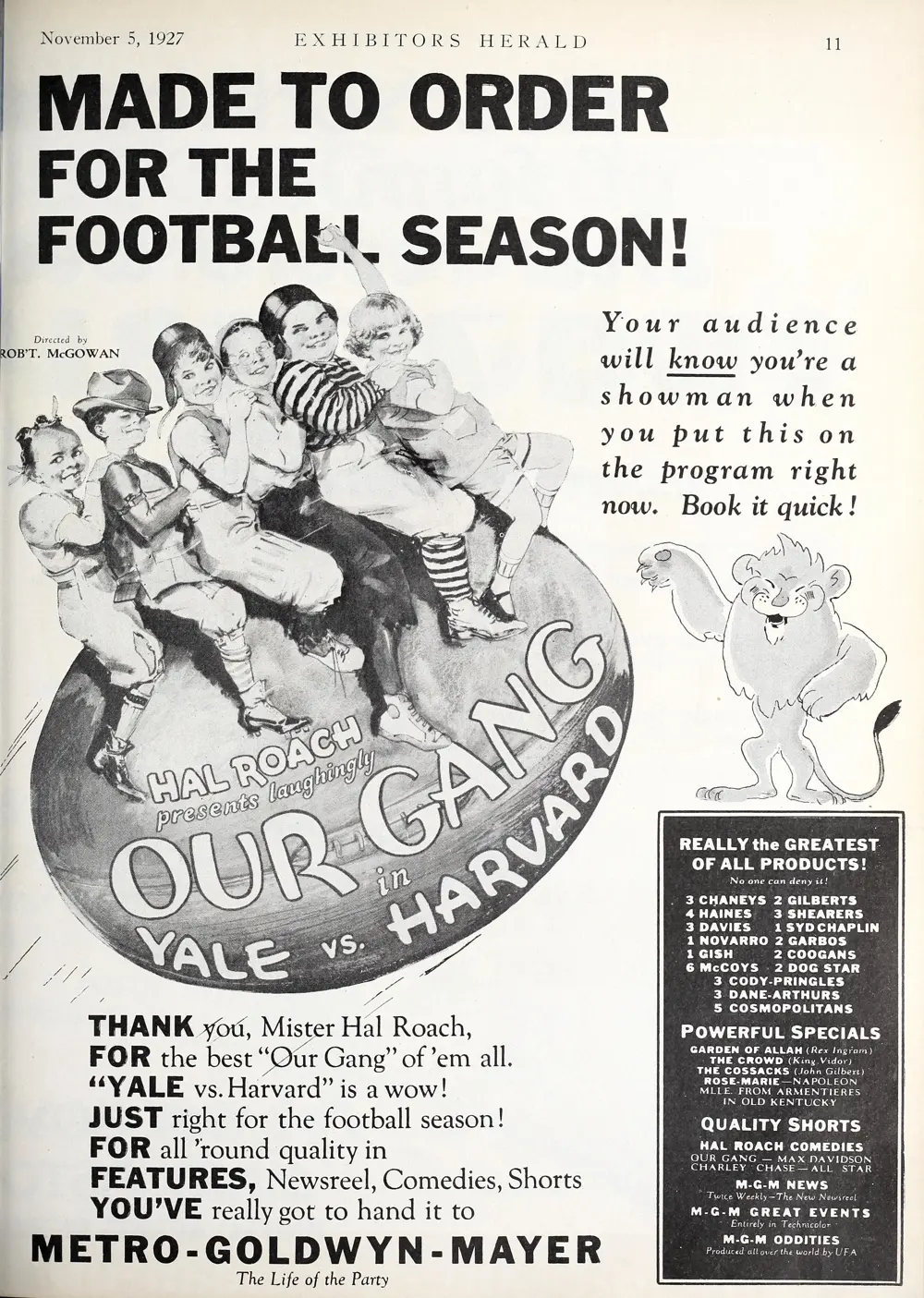
The cinematography in Yale vs. Harvard is functional rather than artistic. You won't find the sweeping vistas of North of 36 here. Instead, the camera stays close to the ground, mimicking the perspective of the children. This choice is deliberate. It makes the 'Gas House Garlics' look like giants and the gang look like vulnerable underdogs.
The editing is where the film truly shines. Slapstick relies entirely on timing. If a cut is a second too late, the joke dies. The sequence where the football is replaced by a heavy object is a perfect example of rhythmic editing. The buildup, the impact, and the reaction are timed with surgical precision. It’s a level of craft that was often missing from the more experimental works like The Mysteries of Myra.
H.M. Walker’s title cards deserve a mention as well. Walker was the secret weapon of the Hal Roach studio. His writing adds a layer of cynical, adult wit to the childish proceedings. The way he describes the 'Gas House Garlics' provides more character development in two sentences than some modern scripts do in twenty pages.
Pros:
The film is genuinely funny in parts, especially the 'hidden ball' sequence. It features some of the best child-ensemble acting of the 1920s. The pacing is brisk, making it an easy watch at under 20 minutes.
Cons:
The racial stereotypes are a significant hurdle for modern audiences. The 'Gas House Garlics' are somewhat one-dimensional villains. The lack of a strong ending leaves the film feeling a bit unfinished.
Yale vs. Harvard is a fascinating, if slightly uncomfortable, relic. It represents a bridge between the vaudeville-style comedy of the early 1900s and the structured sitcoms of the mid-20th century. While it lacks the emotional depth of something like Thirty a Week, it makes up for it with sheer, unadulterated energy. It is a loud, messy, and occasionally brilliant short that proves you don't need a massive budget to create memorable screen moments. It isn't a masterpiece, but it is a vital piece of the comedic puzzle. Watch it for the history, stay for the dog, and ignore the dust.
IMDb 6.5
1930
Community
Log in to comment.