DbcultAccessing Vault...
Cult Review
Senior Film Conservator
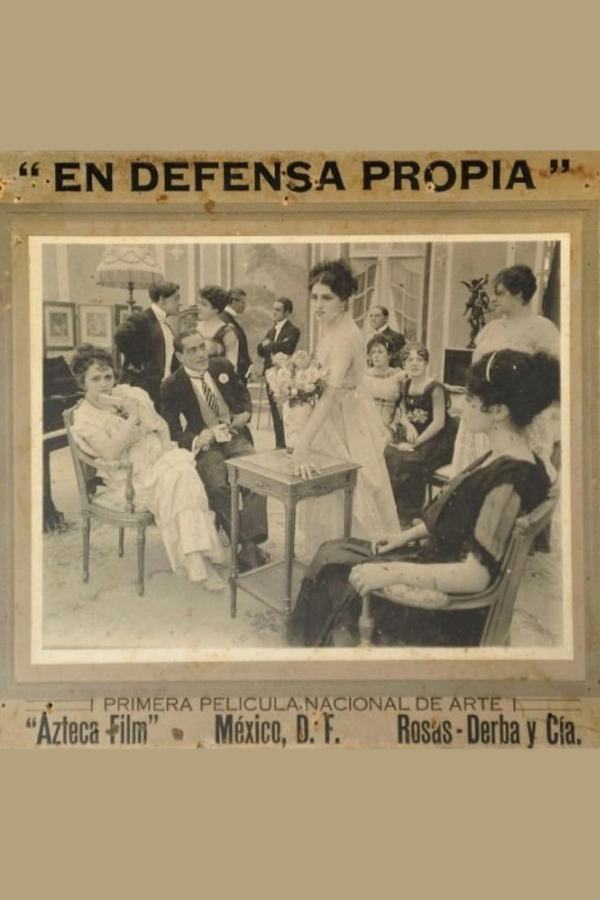
Stepping into the spectral glow of early 20th-century Mexican cinema, one encounters a rare gem, a film whose very title, En defensa propia, resonates with a profound, almost visceral urgency. Directed by the visionary Mimí Derba, a true pioneer in an era largely dominated by men, this silent masterpiece transcends its temporal constraints to deliver a narrative that is as relevant today as it was upon its initial release. It is a cinematic excavation of societal mores, a searing indictment of injustice, and a testament to the indomitable spirit of an individual fighting for their very existence against overwhelming odds. Derba, not merely content with acting, also penned the script, imbuing it with a raw authenticity that few contemporaries could rival. Her dual role as writer and director allowed for a singular, cohesive artistic vision, a rarity in an industry still finding its footing.
The film plunges us into the harsh realities faced by Elena, a seamstress navigating the treacherous currents of poverty in a bustling, yet unforgiving, Mexico City. Her existence, a delicate tapestry woven with threadbare hopes and incessant toil, is abruptly torn asunder by the predatory gaze of Don Ricardo, a man whose wealth and social standing grant him an alarming sense of impunity. This initial confrontation is not merely a plot device; it is a meticulously crafted societal mirror, reflecting the stark power imbalances that permeated the era. Don Ricardo, portrayed with a chilling blend of entitlement and menace by Eduardo Gómez Haro, represents the entrenched patriarchy, a force that dictates the lives of the vulnerable with casual disregard. His actions are not an isolated incident but symptomatic of a systemic oppression, a pervasive shadow that darkens the lives of countless women. The film, even without spoken dialogue, communicates this insidious dynamic with remarkable clarity through the nuanced performances and evocative visual storytelling. The close-ups on Elena’s face, etched with fear and desperation, speak volumes, conveying a terror that words alone might struggle to capture.
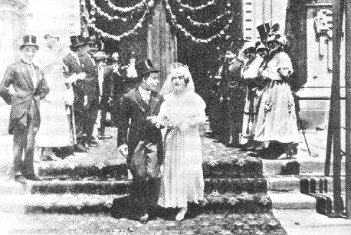
The pivotal moment, the tragic altercation in Elena’s meager dwelling, is choreographed with a brutal, almost balletic intensity. It is a struggle for dignity, for bodily autonomy, a desperate fight for survival against a force that seeks to strip her of both. The accidental death of Don Ricardo, a consequence of Elena’s desperate self-defense, propels the narrative into the unforgiving labyrinth of the legal system. Here, En defensa propia truly distinguishes itself, transforming from a personal tragedy into a profound social commentary. The subsequent legal battle is not merely about guilt or innocence; it is a trial of society itself, a test of its capacity for empathy and justice. The film masterfully illustrates how swiftly public opinion can be swayed, how easily a victim can be recast as a villain when social status and influence are brought to bear. The powerful family of Don Ricardo, with their connections and resources, mobilize to ensure Elena's conviction, their grief morphing into a relentless pursuit of vengeance, heedless of the circumstances that led to their patriarch's demise.
The cast, a veritable who’s who of early Mexican cinema, delivers performances that are nothing short of captivating. While the silent film era often necessitated grander, more theatrical gestures, the actors in En defensa propia manage to convey immense emotional depth with surprising subtlety. María Caballé, likely embodying Elena, portrays her character’s journey from quiet resilience to abject terror and defiant resolve with a heartbreaking authenticity. Her eyes, often wide with fear or burning with indignation, are the windows to a soul under siege. Julio Taboada, as the sympathetic lawyer, offers a counterpoint to the prevailing cynicism, embodying the flickering flame of hope for justice. His impassioned arguments, conveyed through expressive gestures and determined facial expressions, are a stark reminder of the individual’s power to challenge systemic injustice. One can almost feel the weight of his conviction, a heavy burden in a courtroom designed to crush the spirit. The ensemble, including Carpio Sr., Manuel Campa Siliceo, Manuel Arvide, and the incomparable Mimí Derba herself in a supporting role, create a rich tapestry of characters, each contributing to the film's immersive atmosphere. Even figures like Sara García, in what might have been an early, perhaps uncredited, appearance, add layers of authenticity to the bustling background of the courtroom and the city.
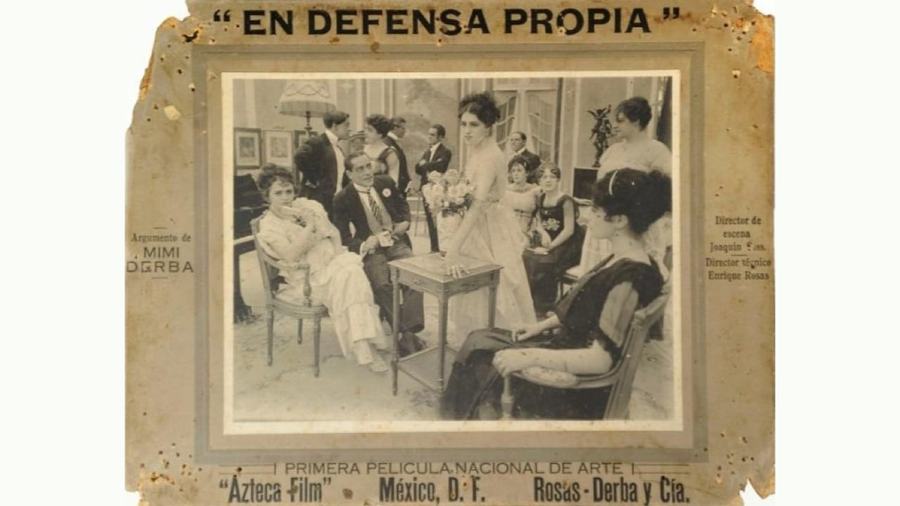
Derba's direction is particularly noteworthy for its ability to craft a compelling narrative without the aid of spoken dialogue. She relies heavily on visual storytelling, using evocative cinematography and meticulous staging to convey complex emotions and intricate plot points. The use of intertitles is judicious, providing necessary exposition without interrupting the flow of the visual narrative. The camera, while perhaps not as mobile as in later cinematic epochs, is employed with a keen understanding of its power to frame and emphasize. Close-ups on faces, hands, and crucial objects — like the aforementioned letter opener — draw the viewer’s attention to the emotional core of a scene or a pivotal plot detail. This deliberate choice of framing ensures that every gesture, every flicker of an eye, carries significant weight. The pacing, though deliberate, builds inexorably towards the climactic courtroom drama, a sequence that crackles with tension and emotional intensity. One might draw a faint parallel to the stark moral dilemmas explored in films like The Shielding Shadow, though En defensa propia delves deeper into the societal implications of its central conflict.
The courtroom scenes are the undisputed heart of the film, a masterclass in silent dramatic tension. Here, the struggle is not just legal but profoundly moral. The prosecution, represented by figures like Carpio Sr., paints Elena as a cold-blooded killer, leveraging her social standing and gender against her. The defense, led by Julio Taboada's character, meticulously dismantles these accusations, presenting the case for self-defense with an unwavering commitment to truth. The reactions of the jury, the judge, and the spectators are all crucial elements, conveyed through subtle shifts in posture and facial expressions, creating a palpable sense of the stakes involved. The film's power lies in its refusal to offer easy answers, instead forcing the audience to grapple with the ambiguities of justice and the subjective nature of truth. It’s a thematic exploration that resonates with the existential inquiries found in later European films like Vor, albeit through a distinctly Mexican lens and a different cinematic language.
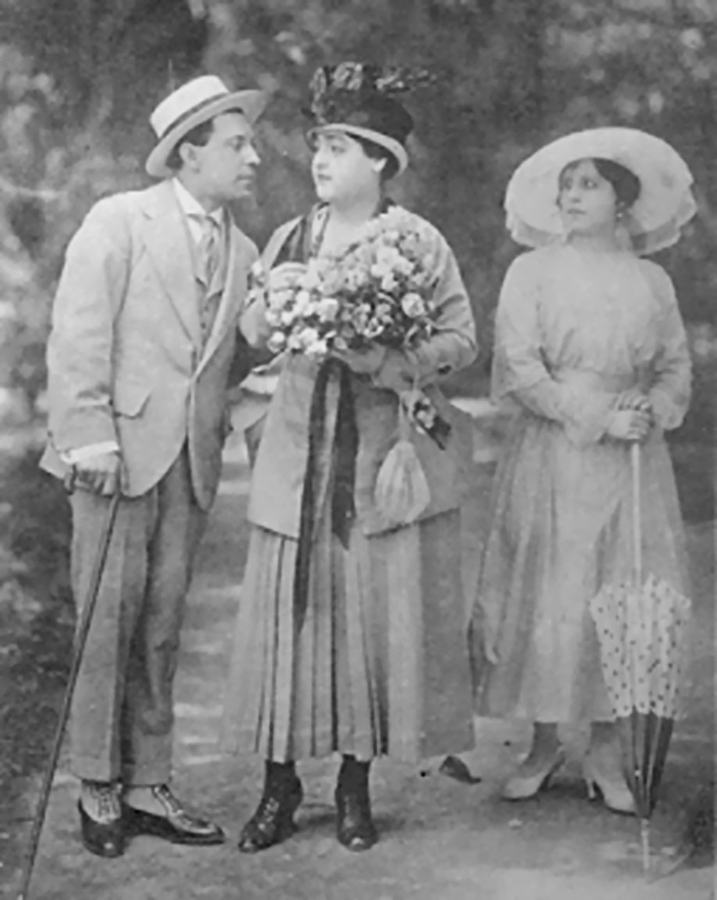
Beyond its immediate narrative, En defensa propia serves as an invaluable historical document, offering a rare glimpse into the social fabric and legal practices of early 20th-century Mexico. It captures the essence of a society grappling with rapid modernization while still bound by deeply traditional, often patriarchal, norms. The film’s portrayal of class distinctions is particularly stark, highlighting how wealth and influence could manipulate the scales of justice. The gritty realism of its urban settings, the detailed costumes, and the portrayal of daily life, however brief, all contribute to its archival significance. For cinephiles and historians alike, it provides crucial insights into the nascent stages of Mexican cinema, showcasing its potential for both entertainment and profound social commentary. It stands as a testament to the fact that compelling storytelling and poignant social critique were not exclusive to European or Hollywood productions of the era, but were flourishing in other parts of the world, often against greater odds.
The legacy of Mimí Derba and En defensa propia is multifaceted. As a trailblazing female director and writer, Derba shattered gender barriers, paving the way for future generations of women in film. Her work demonstrates a profound understanding of the cinematic medium, utilizing its unique capabilities to tell stories that mattered. The film’s thematic concerns – justice, class struggle, gender inequality, and the right to self-preservation – remain as potent and relevant today as they were over a century ago. Its exploration of a woman's struggle against a system designed to disempower her is a narrative that continues to resonate globally. In an age where discussions around victim blaming and systemic bias are increasingly prominent, the film serves as a powerful, if silent, precursor to these contemporary dialogues. While other films of the period, such as The County Chairman, explored political machinations, Derba’s film grounded its drama in the intensely personal and societal. The enduring power of En defensa propia lies not just in its historical significance but in its timeless ability to provoke thought, stir emotion, and advocate for a more just world. It's a film that demands rediscovery, a vital piece of cinematic heritage that continues to speak volumes without uttering a single word. Its influence, though perhaps understated in broader cinematic histories, is undeniable for those who delve into the rich tapestry of global silent film. It reminds us that the fight for dignity and justice is a universal, enduring human endeavor, beautifully captured through the artistry of early cinema.
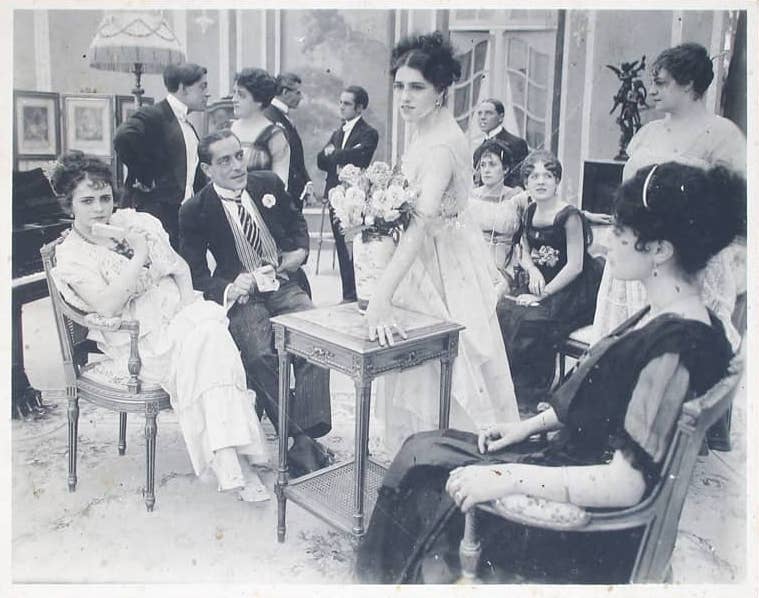
The sheer ambition of the film, considering the technological and artistic limitations of its time, is commendable. Derba and her team managed to create a world that felt lived-in, populated by characters whose struggles felt authentic. The use of various locations, from the cramped quarters of Elena’s home to the imposing grandeur of the courthouse, added a layer of visual richness that enhanced the storytelling. The attention to detail in the costumes and set design, while perhaps not extravagant, contributed significantly to the film’s verisimilitude. The very act of watching a silent film requires a different kind of engagement from the audience, a willingness to interpret gestures, expressions, and the interplay of light and shadow. En defensa propia rewards this engagement tenfold, drawing the viewer into its dramatic core with an almost hypnotic pull. The performances, particularly from María Caballé and Julio Taboada, are nuanced, conveying a spectrum of human emotion from despair to defiance with remarkable clarity. Their work, alongside the compelling script, elevates the film beyond a simple melodrama into a profound exploration of human resilience.
In conclusion, En defensa propia is more than just a historical curiosity; it is a powerful, enduring work of art that deserves its place in the pantheon of world cinema. Mimí Derba’s pioneering vision, both as a writer and director, shines brightly, illuminating a path for future filmmakers. The film’s ability to tackle complex social issues with sensitivity and force, all within the constraints of the silent era, is a testament to its artistic genius. It invites us to reflect on the nature of justice, the impact of societal prejudice, and the unwavering courage required to fight for one’s truth. It is a film that, despite its age, continues to speak to the contemporary human condition with remarkable clarity and emotional resonance. Its rediscovery is not just an academic exercise but an essential journey into the heart of early cinematic storytelling, a journey that reveals how deeply ingrained the pursuit of justice has been in our shared human narrative. Like the enduring tales of struggle in films such as På livets ödesvägar, Derba's work resonates with a universal plea for understanding and equity, cementing its status as a timeless cinematic achievement.
IMDb 5.5
1935
Community
Log in to comment.