DbcultAccessing Vault...
6/10
Senior Film Conservator
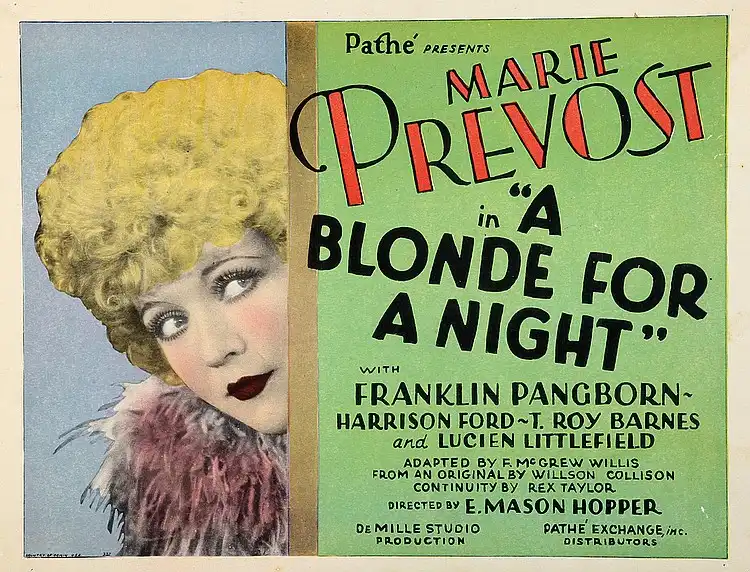
A definitive 6/10 rating for a film that redefined the boundaries of cult cinema. A Blonde for a Night remains a cornerstone of transgressive art.
For most casual filmgoers, 1928’s A Blonde for a Night will feel like a curiosity rather than essential viewing. Its premise — a wife testing her husband’s fidelity through disguise — is a well-worn comedic trope, and its silent film execution, while competent, doesn't break new ground. However, for enthusiasts of early Hollywood cinema, particularly those with an affection for silent comedies or the often-underestimated talents of Marie Prevost, it’s certainly worth a look. It offers a charming, if slight, diversion, showcasing Prevost’s effervescent screen presence. Those who struggle with the pacing of silent films or expect deep thematic resonance will likely find it a tedious experience.
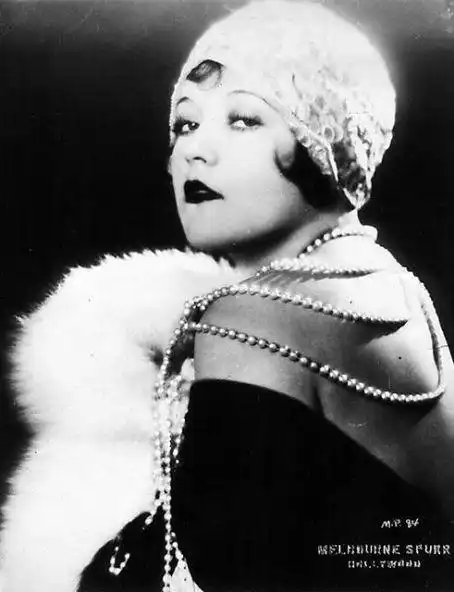
The clear standout here is Marie Prevost, who anchors the film with a performance that vacillates between a put-upon wife and a mischievous, vampish blonde. Prevost had a natural comedic timing, and it’s on full display. As Nancy, the wife, she conveys a believable frustration with her husband, Robert (Harrison Ford), particularly in the early scenes where their arguments escalate into theatrical pouting and grand gestures. Her decision to don the blonde wig isn't just a plot device; Prevost makes it feel like an act of genuine, albeit misguided, marital rebellion.
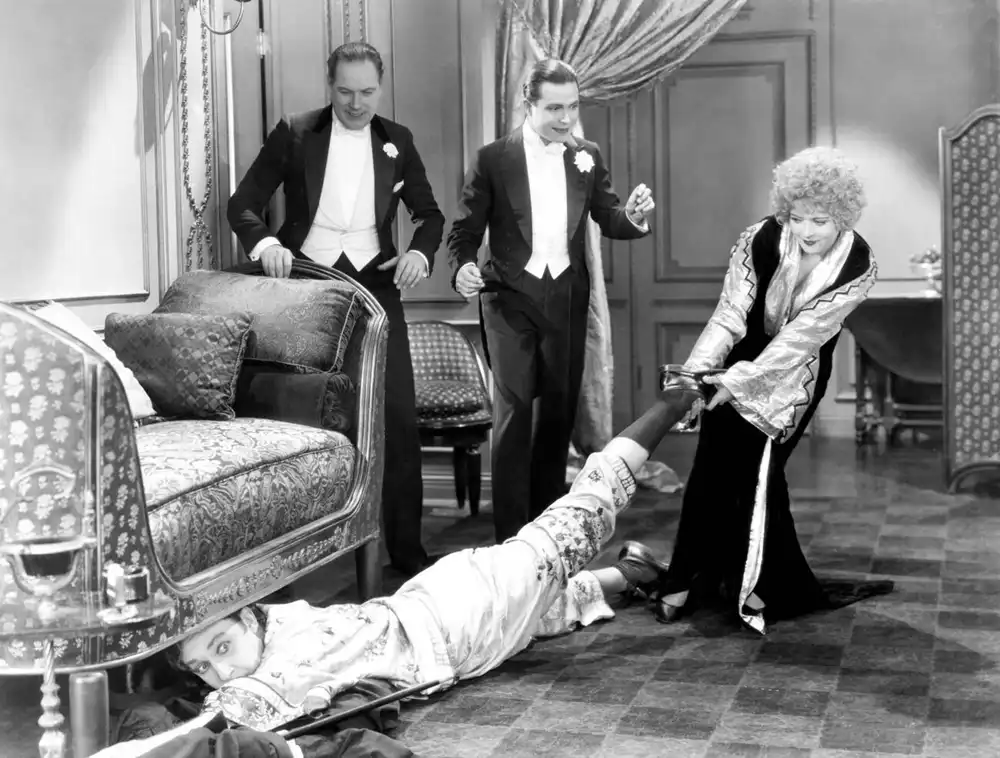
Once she transforms into the titular 'blonde,' Prevost truly comes alive. She doesn't just change her hair; she changes her entire physicality. Her posture shifts, her expressions become more exaggerated, and there's a playful, almost predatory glint in her eye. One particularly effective moment comes when she’s first practicing her new persona in a mirror, trying on different seductive poses and expressions, visibly delighted by her own newfound allure. It’s a small, intimate scene that reveals her character’s investment in the deception.
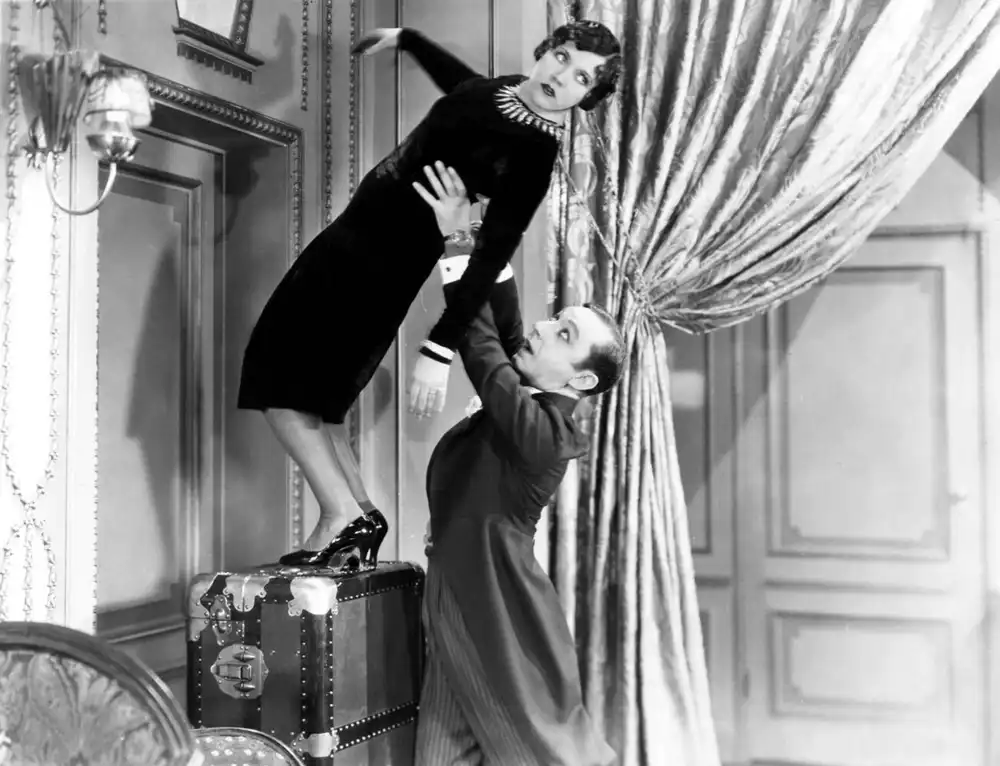
Harrison Ford, the silent film actor, plays Robert with a certain bland handsomeness that suits the role of a somewhat oblivious, easily flattered husband. He’s not given much depth, primarily serving as the object of Prevost’s experiment. His reactions to the ‘blonde’ are predictable: a mix of surprise, flirtation, and a hint of guilt. Franklin Pangborn makes a brief but memorable appearance as a fussy, easily flustered hotel manager, delivering his usual brand of fastidious comedic relief, though his screen time is limited.
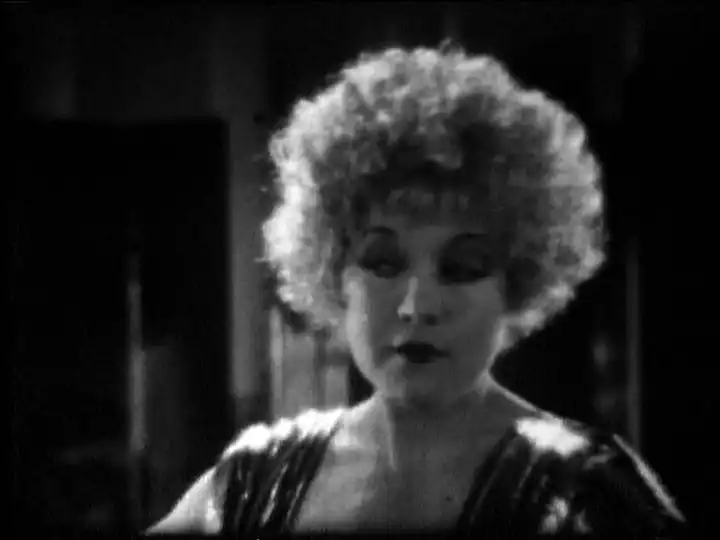
As with many silent comedies, the pacing of A Blonde for a Night can feel a little stretched for modern sensibilities. The setup, while necessary, takes its time, establishing the marital strife before Prevost's character even conceives of her plan. Once the disguise is in place, the film picks up, relying on a series of near-misses and mistaken identities to drive the humor. Some sequences, particularly those involving Robert's attempts to evade his disguised wife, feel repetitive, lingering on reaction shots a beat too long.
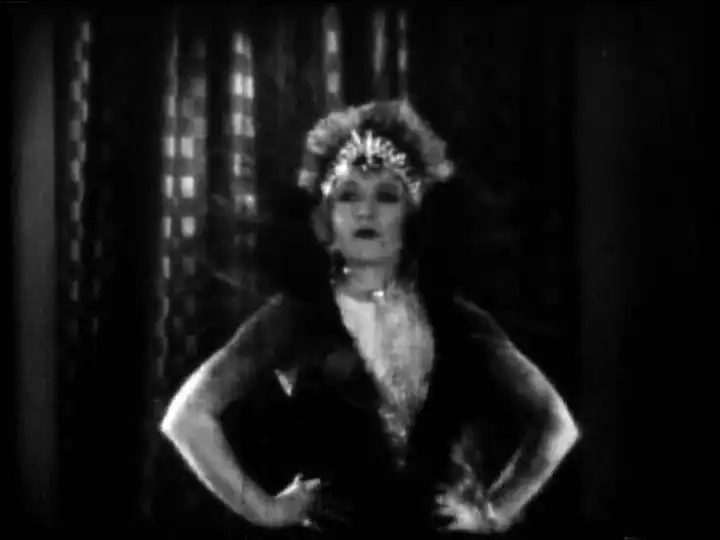
The film maintains a light, farcical tone throughout, never truly delving into the emotional stakes of marital infidelity. It’s clearly intended as a frothy comedy, and it largely succeeds in that regard. There’s a scene where Prevost, as the blonde, is dancing with her unwitting husband at a party, and the camera frequently cuts to her knowing glances at the audience, as if sharing a private joke. This direct address, common in silent film, reinforces the comedic, low-stakes nature of the entire endeavor.
Visually, A Blonde for a Night is a fairly standard production for its era. The sets are functional, depicting comfortable domestic spaces and bustling hotel lobbies, but rarely striking. The cinematography is straightforward, opting for clear compositions that prioritize the actors’ expressions and physical comedy. There are no particularly inventive camera angles or experimental lighting choices to speak of.
What does stand out, however, is the effectiveness of Prevost’s transformation. The blonde wig, while clearly a wig, is styled to give her a distinctly different look, and her costumes as the ‘blonde’ are noticeably more glamorous and daring than her everyday attire as Nancy. This visual contrast is crucial to the film’s central conceit and Prevost sells it completely.
One small, but telling detail: when Nancy first dyes her hair, the sequence is played for broad laughs, with her emerging from the bathroom covered in dye, looking utterly disheveled. It’s a moment that grounds her character in a relatable, slightly clumsy reality before she fully embraces the polished artifice of her alter ego.
A Blonde for a Night is not a lost masterpiece, nor is it a film that demands rediscovery for its groundbreaking artistry. It is, however, a perfectly enjoyable silent comedy, largely due to the magnetic presence of Marie Prevost. If you’re a fan of silent-era hijinks, or simply curious about the careers of its stars, it’s a pleasant way to spend an hour. It’s a film that knows exactly what it is: a lighthearted diversion built on a simple premise, executed with charm. Just don't go in expecting the more famous Harrison Ford to make an appearance, and you'll likely find something to smile about.
IMDb 5.9
1922
Community
Log in to comment.