DbcultAccessing Vault...
5.1/10
Senior Film Conservator
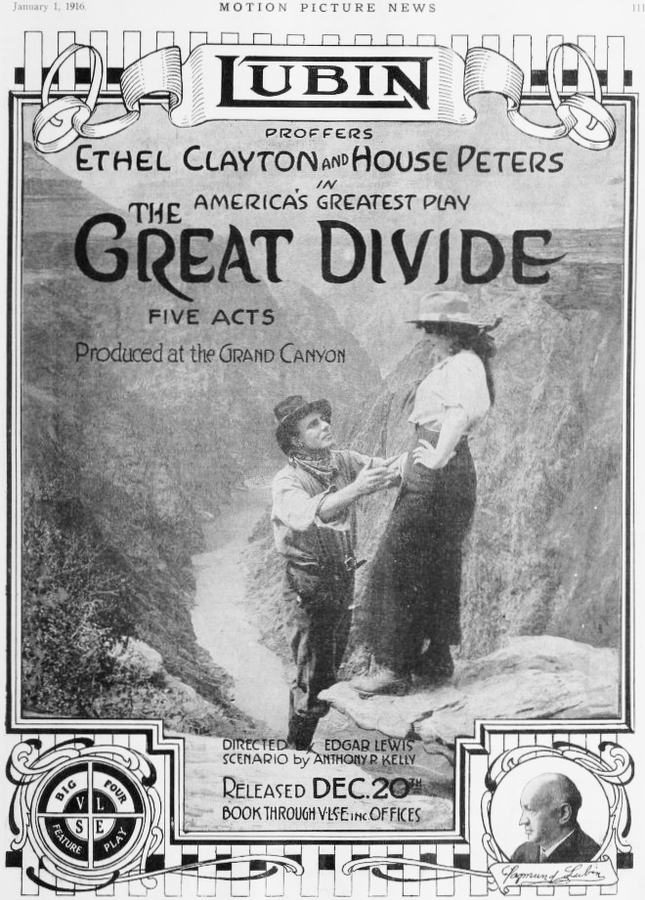
A definitive 5.1/10 rating for a film that redefined the boundaries of cult cinema. The Great Divide remains a cornerstone of transgressive art.
The flickering silver screen often served as a grand canvas for exploring the elemental clashes of human nature, and few films capture this struggle with such raw, unvarnished intensity as The Great Divide. This 1915 silent film, a dramatic Western that transcends its era, plunges us into a world where the genteel strictures of Eastern society collide head-on with the brutal, transformative power of the American frontier. It's a tale not just of geographical relocation, but of spiritual upheaval, a profound journey into the heart of what it means to be civilized, to be wild, and ultimately, to be redeemed.
Our narrative commences with the Jordan family – Phil, Ruth, and Phil's wife, Polly – bidding farewell to the staid comforts of Milford Corners, Massachusetts. Accompanying them is Dr. Winthrop Newbury, a suitor with a hopeful eye on Ruth. Their destination? The sprawling, unyielding desert lands of the West, inherited from their deceased father, ripe, they believe, for cultivation and prosperity. This initial departure is steeped in the naive optimism of those who romanticize the frontier from a distance. They arrive, however, to find their inherited desert anything but welcoming. Their efforts to tame the land prove futile, a poignant metaphor for their inability to immediately adapt their cultivated sensibilities to the unforgiving wilderness. The dream quickly sours, laying bare the profound chasm between expectation and reality. This early struggle for the Jordans mirrors the broader thematic 'great divide' of the film itself, not merely geographical, but ideological and moral.
Polly, the most superficial of the Eastern transplants, is the first to capitulate. Western life, with its grit and hardship, holds no allure for her; the promise of 'Frisco' proves far more enticing. Her swift departure, facilitated by Philip, underscores the fragile commitment many held to the frontier ideal once its harsh truths became evident. Meanwhile, a local cowpuncher's serious injury calls Dr. Newbury away, leaving Ruth, the film's indomitable protagonist, isolated and vulnerable. This deliberate stripping away of her societal safeguards is a crucial narrative device, setting the stage for the crucible that will forge her spirit.
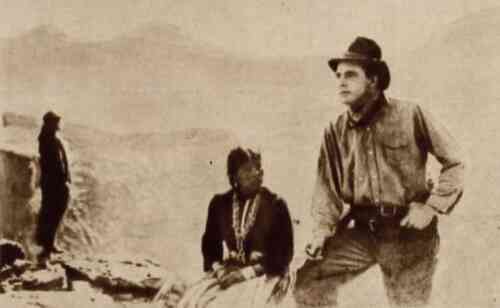
Enter Stephen Ghent, portrayed with compelling intensity by House Peters. Ghent is the antithesis of Eastern refinement – an untamed, untrained man of the West, whose very demeanor commands a primal respect among the denizens of Miller's saloon and dance hall. He embodies the raw, unfettered spirit of the frontier, a stark contrast to the Jordans' cultured, yet ultimately ineffectual, attempts at civilization. He frequents the saloon with his equally rough acquaintances, Pedro, a half-breed Mexican, and Dutch, a figure of brutal Western archetypes. This trio represents the dangerous, unpredictable element that the East could never truly comprehend or control. Their drunken departure from the saloon, taking the Coldwater Trail that winds past the Jordan home, is a moment laden with ominous foreboding.
As they pass the dimly lit cabin, the sight of Ruth standing in the doorway ignites a predatory impulse. What follows is a scene of profound violation and a pivotal turning point in the narrative. Ruth is overpowered, and in a shocking display of frontier justice – or perhaps, injustice – Ghent and Dutch engage in a brutal duel for her. Dutch falls, leaving Ghent as her 'victor.' Pedro is summarily bought off with a string of gold nuggets, sealing Ruth's fate as Ghent's unwilling possession. It's a sequence that, even in its silent film presentation, conveys a visceral sense of terror and the stark reality of lawlessness that could prevail in isolated Western territories. This traumatic event, however, is not simply an act of brutality; it's the catalyst for Ruth's extraordinary journey of internal transformation and, ultimately, Ghent's own slow, painful path to redemption.
In a remarkable psychological twist, Ruth, despite her horrific ordeal, begins to recognize in Ghent a certain primal strength, an 'ideal man' for a helpmate in the harsh environment. This is not Stockholm Syndrome in its modern understanding, but rather a complex survival mechanism, a desperate attempt to exert agency within an utterly disempowering situation. She proposes a marriage, but one 'in name only,' a fragile pact contingent upon Ghent's moral reformation. He agrees, and they are married, beginning a life together in his isolated cabin. This initial agreement marks the beginning of a profound, albeit fraught, relationship, where Ruth attempts to civilize the wildness she both fears and, perhaps, unconsciously respects. Her resilience in the face of such trauma is truly compelling, echoing the fortitude seen in characters navigating societal upheaval in films like A Woman's Triumph, where female protagonists must forge their own destinies against overwhelming odds.
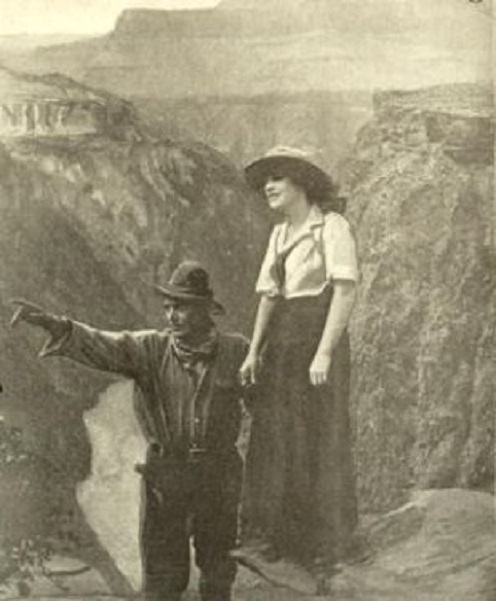
Day by day, Ruth observes Ghent, discerning qualities beyond his initial savagery. She begins to see glimmers of decency, perhaps even a nascent capacity for love, and her belief in his potential for change slowly takes root. This period of fragile hope, however, is shattered one night when Ghent, consumed by desire and the emboldening influence of whiskey, breaks his promise. Ruth's subsequent denunciation is fierce and unwavering. She declares that she will not believe in him again until he has 'purged himself through suffering.' More than that, she vows to earn enough money to buy back the string of nuggets from Pedro – the very symbol of her subjugation – thereby reclaiming her freedom and dignity. This act of defiance is not merely emotional; it is a declaration of economic independence, a tangible goal to restore her self-worth.
Ruth's subsequent efforts to reclaim her autonomy are depicted with a quiet, yet powerful, determination. She dedicates herself to weaving Navajo blankets, transforming her labor into a means of liberation. Each thread woven, each intricate pattern completed, brings her closer to the sum required to buy back her freedom. This imagery is potent, symbolizing the meticulous, painstaking work of rebuilding a life shattered by violence and betrayal. Her unwavering focus on this task highlights her incredible resolve, a testament to the human spirit's capacity for endurance and self-reliance, a theme that resonates with the struggles for self-improvement and moral clarity found in narratives like The Regeneration, where characters battle internal and external demons to find their path.
Meanwhile, the Jordans, utterly disgusted by their Western venture's failure, prepare to return East. Their disillusionment serves as a stark contrast to Ruth's deepening, albeit painful, engagement with the land and its people. While waiting at the station, they encounter Ruth, who has just completed the sale of her final blanket. Her mission is accomplished: she possesses the means to buy back her freedom. Unbeknownst to her, her family follows her on foot as she starts up the trail back to the cabin. This creates a powerful tension: Ruth is on the cusp of a dramatic personal declaration, while her family is ready to intervene, hoping to whisk her back to the life she left behind.
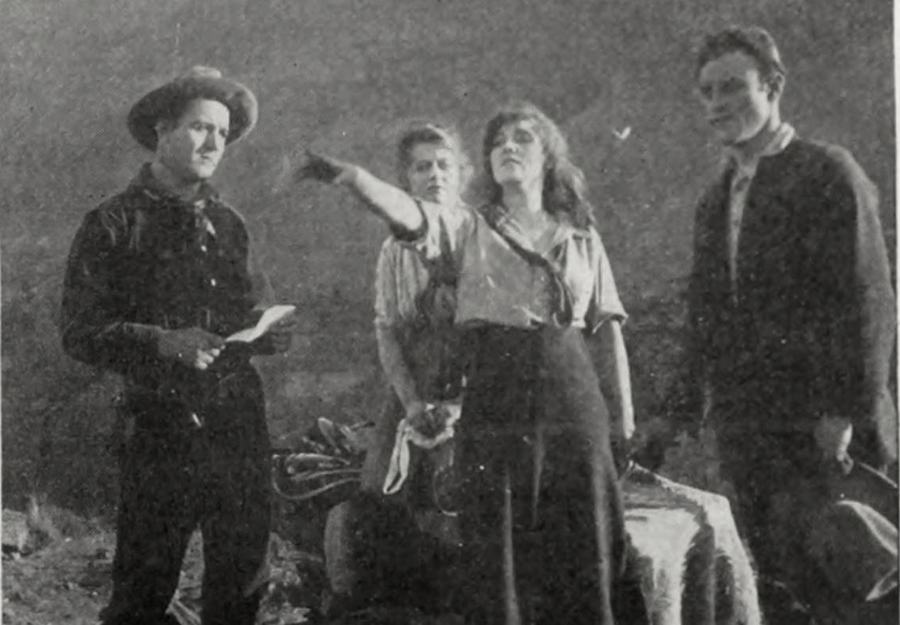
Upon her arrival at the cabin, Ruth successfully buys back the gold nuggets from Pedro. Yet, before she can present them to Ghent and declare her newfound freedom, her family arrives. In a moment of profound complexity, Ruth chooses to present a façade of happiness, introducing Ghent to them as her content husband and refusing their pleas to return East. Her motives here are layered: perhaps a protective instinct for Ghent, shielding him from their judgment; perhaps a desire to maintain the illusion of control and agency she has so painstakingly built; or even a nascent, unspoken affection that prevents her from publicly shaming him. It's a masterful display of internal conflict, beautifully conveyed through Ethel Clayton's nuanced performance.
As her family prepares to catch their train, Ghent, unable to comprehend her seemingly changed attitude, begins to thank her. It is then that Ruth delivers her devastating truth: circumstances forced her to act as she did, but she is now able to buy back her freedom from him. Ghent is stunned, his world collapsing around him. He initially refuses to release her, clinging to the fragile bond they had formed. But Ruth's powerful appeal to the 'life that is to come,' hinting at a potential child or simply the future happiness they are bound to protect through a mother's love, finally breaks his resistance. He releases her from her promise, and Ruth, with a palpable sense of newfound liberation, begins her walk down the trail to rejoin her family, leaving Ghent shattered in her wake. This scene is a powerful exploration of sacrifice and the intricate dance between personal freedom and profound human connection.
The narrative reaches its dramatic climax with a breathtaking act of heroism and self-sacrifice. As Ghent watches Ruth depart, his attention is suddenly drawn to a trembling patch of earth on the mountainside. He instantly grasps the grave danger Ruth is in. Without a moment's hesitation, he races down the trail, reaching her just in time to throw her to one side as the landslide crashes down upon him, carrying him into the valley below. The rumbling catastrophe causes the others to look back, witnessing the terrible event. This sudden, violent act of nature serves as the ultimate crucible for Ghent's redemption, a literal purging through suffering that Ruth had demanded.
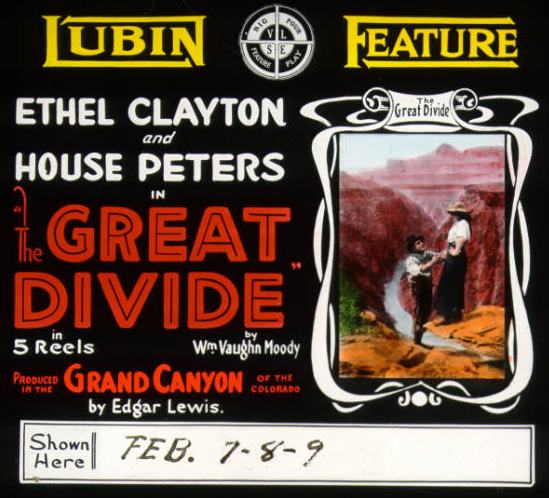
A reunion takes place over the injured Ghent, a moment of shared humanity transcending past conflicts. He is brought back to the cabin, where he slowly recovers under the attentive care of both Dr. Newbury and Ruth. It is here, in the quiet intimacy of his recuperation, that Ruth finally declares his penance complete. He has purged himself through his suffering. This declaration signifies not just a forgiveness, but a profound understanding and acceptance. The couple, now truly transformed by their shared ordeal and individual journeys, embarks upon a new life together, built on a foundation of mutual respect, hard-won understanding, and a love forged in the fires of the 'Great Divide.' The arc of Ghent's character, moving from untamed brute to redeemed protector, is a testament to the film's enduring message about the transformative power of love and sacrifice.
The Great Divide, penned by William Vaughn Moody and Anthony Paul Kelly, is more than just a Western drama; it's a profound exploration of human nature under duress. The film masterfully employs its frontier setting not merely as a backdrop, but as an active force shaping its characters. The performances, particularly from Ethel Clayton as Ruth and House Peters as Stephen Ghent, are remarkably nuanced for the silent era, conveying complex emotions through gesture, expression, and physical presence. Clayton imbues Ruth with an extraordinary blend of vulnerability and steel, making her journey from victim to self-possessed woman utterly believable. Peters, in turn, projects a raw magnetism that makes Ghent's eventual transformation feel earned rather than simply mandated by plot.
The supporting cast, including Fred O'Beck, Marie Sterling, Hayden Stevenson, Warner Richmond, Ray Chamberlin, and Mary Moore, contribute to the tapestry of this frontier world, each adding depth to the challenges faced by our protagonists. The film's themes—the clash between civilization and wilderness, the redemptive power of suffering, and the complex dynamics of love forged in adversity—are timeless. It asks us to consider what truly defines a 'civilized' man or woman, suggesting that true character is often revealed not in comfort, but in crisis. The narrative's bold confrontation with difficult subject matter, particularly Ruth's initial ordeal, places it firmly in the tradition of early cinema that wasn't afraid to explore the darker aspects of the human condition, even as it ultimately champions hope and moral evolution. While it shares the rugged setting of films like The Romance of the Utah Pioneers, The Great Divide delves deeper into psychological transformation, making it a compelling study of individual growth against a grand, untamed landscape.
This cinematic gem remains a powerful testament to the enduring appeal of stories about personal redemption and the complex, often brutal, process of forging one's identity in the crucible of life's greatest challenges. It's a reminder that sometimes, the greatest divides are not geographical, but within ourselves, and bridging them requires immense courage and profound sacrifice. The film's conclusion, with Ghent and Ruth embarking on a happier basis, suggests that true harmony is achieved not by escaping the wilderness, but by finding one's authentic self within it, scars and all. It’s a compelling piece of early American cinema that deserves renewed appreciation for its bold storytelling and powerful performances.
IMDb 5.8
1934
Community
Log in to comment.