DbcultAccessing Vault...
Cult Review
Senior Film Conservator
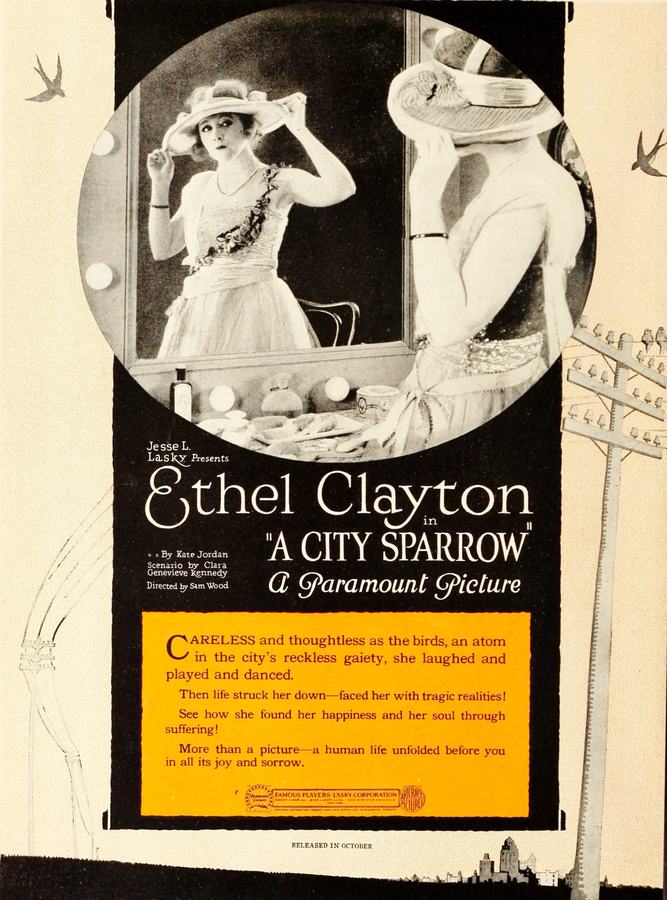
Stepping back into the cinematic tapestry of 1920, we encounter A City Sparrow, a film that, at first glance, might seem like a conventional melodrama of its era. Yet, beneath its surface, Clara Genevieve Kennedy and Kate Jordan, the astute writers, along with director William C. Dowlan, weave a narrative of surprising emotional depth and enduring relevance. This isn't just a tale of romantic entanglements; it’s a nuanced exploration of identity, societal expectations, and the profound impact of personal tragedy on the human spirit. The film, starring Ethel Clayton as the titular Milly West, invites us to reflect on themes that resonate even a century later: the redefinition of womanhood beyond biological imperatives, the nature of genuine affection, and the unexpected pathways to fulfillment.
Milly West, a vaudeville dancer whose vivacity once lit up the stage, finds her world irrevocably altered by a debilitating injury. This isn't merely a career-ending setback; it's a life-altering diagnosis that strips her of the ability to bear children. In an age where a woman's worth was often intrinsically linked to her capacity for motherhood, this revelation is nothing short of catastrophic. The immediate aftermath sees Milly recuperating in the bustling, yet impersonal, confines of Mrs. Babb's boarding house. This setting, a microcosm of urban life, becomes a crucible for her emotional and physical recovery, a place where disparate lives intersect and personal dramas unfold. It's here that the film begins to peel back layers of conventional romance to reveal something more complex.
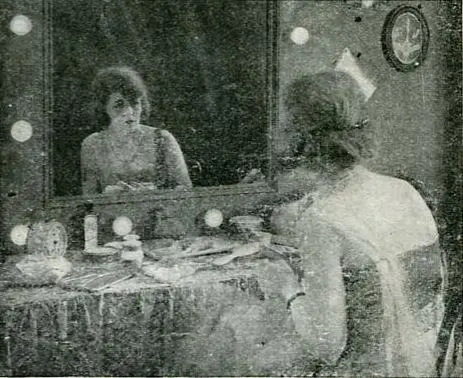
The ensemble cast, featuring talents like Sylvia Ashton, Johnny Fox, and William Boyd, helps populate this vibrant domestic tableau. Each character, however minor, contributes to the atmosphere of the boarding house, making it feel like a living, breathing entity. Bartine Burkett, as one of the lodgers, adds to the rich tapestry of personalities. The initial romantic misdirection involving Tim Ennis, played by Robert Brower, is a masterstroke of narrative economy. Tim, smitten with Milly, represents a superficial attraction, one born more of proximity and circumstance than genuine understanding. Milly's rejection of him, while perhaps painful for Tim, is a subtle assertion of her own agency, a refusal to settle for less than a profound connection, even in her vulnerability. This early development sets the stage for the film's deeper exploration of love.
Tim's subsequent melodramatic threat of suicide, communicated to his alarmed mother, introduces a delightful element of comedic irony into what could otherwise be a purely dramatic narrative. This exaggerated response, a common trope in silent cinema, effectively serves to bring David Muir, played by the dashing William Boyd, into Milly's orbit. David, a friend of Tim's family, arrives at the boarding house on a mission of intervention, only to find himself captivated by Milly. This serendipitous encounter forms the true romantic core of the film. It's a testament to the script's cleverness that Tim's manufactured crisis leads to a genuine love story for Milly. Meanwhile, Tim's own rapid recovery from his suicidal ideation, spurred by the discovery of the minister's daughter's delectable doughnuts, injects a much-needed dose of lightheartedness, illustrating the ephemeral nature of some youthful infatuations.

The contrast between Tim's fickle affections and David's growing, more substantial admiration for Milly is stark and effective. David sees beyond Milly's physical injury and her perceived 'defect,' recognizing her inner strength and spirit. This is where the film begins to distinguish itself from simpler romantic narratives. It's a love built on empathy and understanding, not just physical attraction or societal convenience. One might draw parallels to the nuanced emotional landscapes explored in films like When a Man Loves, where genuine affection often transcends superficial considerations, or even the subtle character development seen in Dulcie's Adventure, though A City Sparrow delves deeper into personal trauma.
David's decision to take Milly to the countryside for further recuperation is a symbolic as well as practical gesture. The pastoral setting, with its inherent tranquility and distance from the bustling city, offers Milly not just physical healing but also emotional respite. It’s a chance for her to shed the layers of urban pressure and societal judgment, allowing her true self to emerge. In this idyllic environment, their bond deepens, culminating in David's heartfelt proposal. This moment, which should be one of unbridled joy, is instead tinged with Milly's profound sorrow. Her inability to bear children, a secret she has carried with such heavy burden, now threatens to overshadow their future together. The internal conflict she experiences is palpable, a silent struggle rendered powerfully through Ethel Clayton's expressive performance.
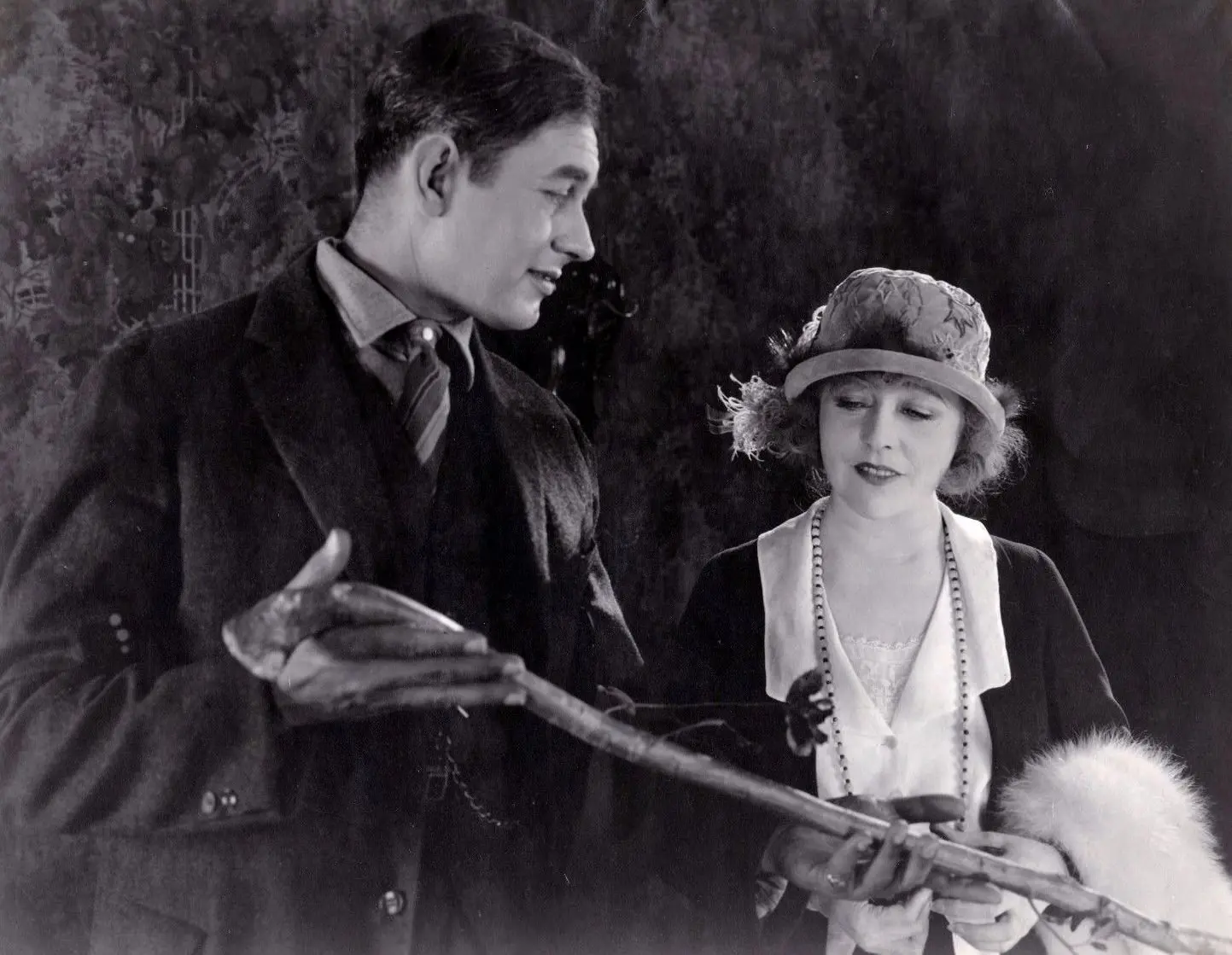
Milly's instinct to run away, to spare David the perceived hardship of a childless marriage, speaks volumes about the societal pressures and personal shame associated with infertility at the time. It’s a self-sacrificing act born of love, yet misguided by fear. This poignant moment, a silent film staple, relies heavily on the actors' ability to convey complex emotions without dialogue. Clayton masterfully portrays Milly’s anguish and her internal debate, making her struggle profoundly relatable. The narrative here avoids easy answers, presenting Milly's dilemma with a sensitivity that was perhaps ahead of its time. Unlike the more straightforward emotional arcs in films like Sandy or even The Good Bad-Man, A City Sparrow plunges into the psychological depths of its protagonist's most intimate fears.
The climax of the film arrives when David uncovers the truth behind Milly's reluctance. His reaction is not one of disappointment or withdrawal, but of profound understanding and unwavering commitment. This pivotal scene is where A City Sparrow truly soars. David's immediate embrace of adoption as a viable, loving path to parenthood is revolutionary for a film of this era. It challenges the conventional wisdom that biological ties are the sole foundation of a family, presenting a progressive vision of love and commitment that transcends mere procreation. This resolution is not a facile happy ending, but a deeply earned one, built on mutual respect, empathy, and a shared vision of the future.
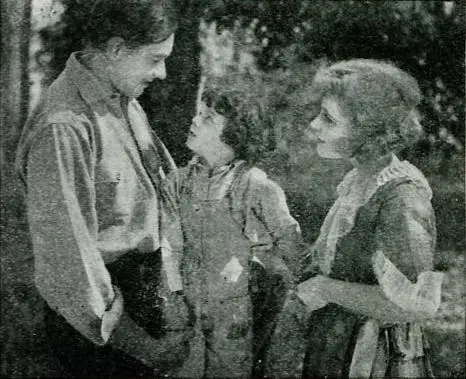
The film's ultimate message is one of hope and inclusivity. It reassures Milly, and by extension, the audience, that love is expansive enough to encompass diverse forms of family. The decision to adopt, presented not as a second-best option but as a joyful alternative, is particularly resonant. It speaks to the enduring power of human connection and the capacity for compassion. This theme of finding unconventional happiness is subtly echoed in other films of the period, though perhaps not as directly or centrally as here. For instance, the challenges faced in Less Than the Dust might touch upon similar feelings of ostracization, but A City Sparrow offers a more direct and uplifting solution to a deeply personal woe.
Ethel Clayton delivers a truly compelling performance as Milly West. Her ability to convey a wide spectrum of emotions – from the initial vibrancy of the dancer, through the depths of despair and secret anguish, to the final embrace of hope – is remarkable, especially within the constraints of silent film acting. William Boyd, as David Muir, provides a strong, empathetic counterpart, embodying the ideal partner who sees beyond superficialities. Their chemistry, though unspoken, is palpable and forms the emotional backbone of the film. The supporting cast, including Lillian Leighton and Clyde Fillmore, contribute effectively to the narrative's texture, ensuring that even minor interactions feel authentic.
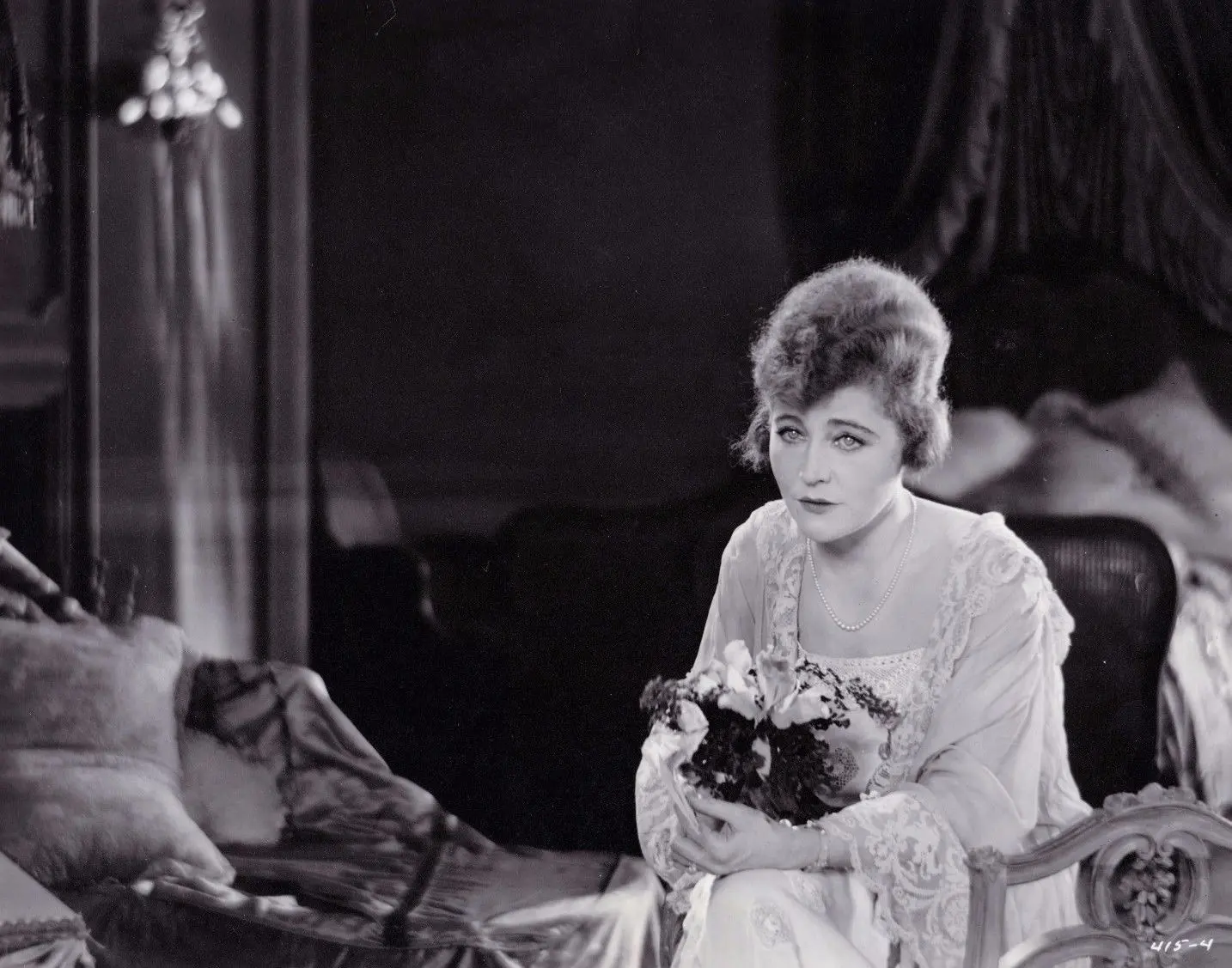
The direction by William C. Dowlan is competent, allowing the emotional beats of the story to unfold naturally. The cinematography, while typical of the era, effectively captures both the bustling energy of the city and the serene beauty of the countryside, using these settings to underscore Milly's internal journey. The film's pacing is deliberate, allowing the audience to fully invest in Milly's emotional arc. In comparison to some of its contemporaries, which could sometimes lean into broad caricature, A City Sparrow maintains a commendable level of emotional realism, a quality that elevates it above mere period curiosity. The narrative avoids the sensationalism found in some films of the period, such as The Relief of Poland, which focused on grander, external conflicts, or the more lighthearted fare like Skinny, School and Scandal.
A City Sparrow, despite its age, remains a compelling watch. Its exploration of female identity in the face of physical and emotional trauma, and its progressive stance on adoption, grant it a timeless quality. It's a reminder that the human spirit's capacity for resilience, love, and redefinition is boundless. The film doesn't shy away from the pain of Milly's diagnosis but ultimately champions a message of hope and the idea that family is forged not just by blood, but by choice, compassion, and an unwavering commitment to one another. This theme, while perhaps not overtly revolutionary in today's context, was certainly forward-thinking for the 1920s, offering solace and inspiration to audiences grappling with similar personal challenges. The film's gentle yet firm assertion that a woman's value extends beyond her reproductive capabilities is a powerful, understated feminist statement for its time.
In an era when many films focused on more overt heroics or societal dramas, A City Sparrow chose to delve into the quiet, internal battles of a woman finding her way back to happiness after profound loss. It's a film that speaks to the heart, demonstrating that true love is about acceptance, understanding, and building a future together, even if that future looks different from what was originally envisioned. This nuanced approach to personal struggle and triumph ensures its place as a poignant and relevant piece of early cinematic history, a small gem that continues to shine brightly. It stands apart from more action-oriented narratives like The Hiding of Black Bill, instead focusing on the intimate drama of human connection. The film's ultimate message of embracing an unconventional path to family is a testament to its enduring charm and progressive spirit. It’s a beautifully crafted narrative that reminds us that happiness often lies in unexpected places, and that love truly does find a way, even when faced with the most daunting of personal obstacles. This quiet power makes it a film well worth rediscovering for its historical significance and its timeless emotional resonance.
IMDb —
1933
Community
Log in to comment.