DbcultAccessing Vault...
5.6/10
Senior Film Conservator
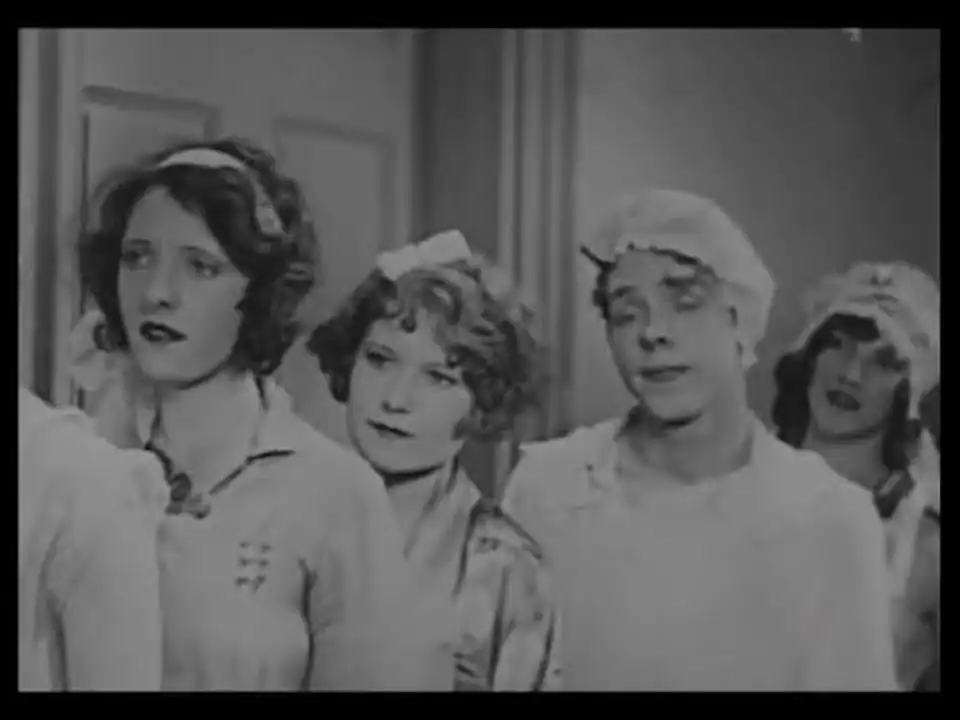
A definitive 5.6/10 rating for a film that redefined the boundaries of cult cinema. Night Owls remains a cornerstone of transgressive art.
So, you thinking about watching Night Owls today? 🤔 Well, hold on a sec. This one isn’t for everyone, let's be real. If you’re a serious film history buff, or someone who loves the quiet thrill of digging up forgotten bits of early cinema, then yeah, give it a shot. But if you're looking for big action, snappy dialogue, or anything remotely resembling modern pacing, you'll probably want to just skip it. This is deep-cut territory, folks.
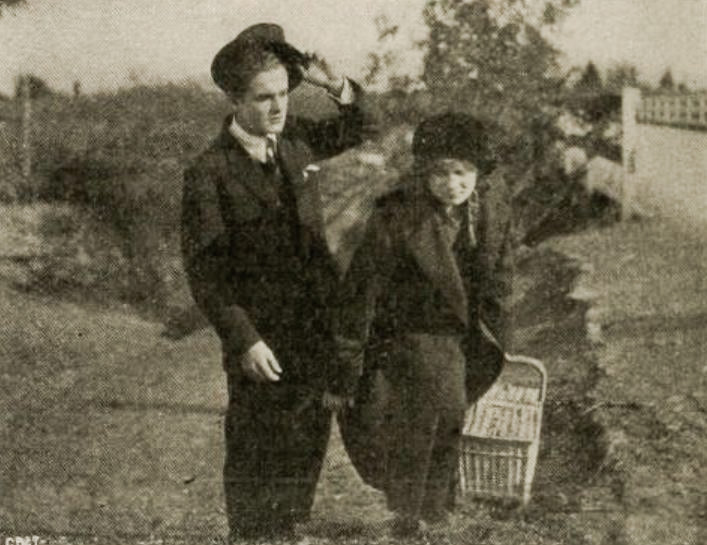
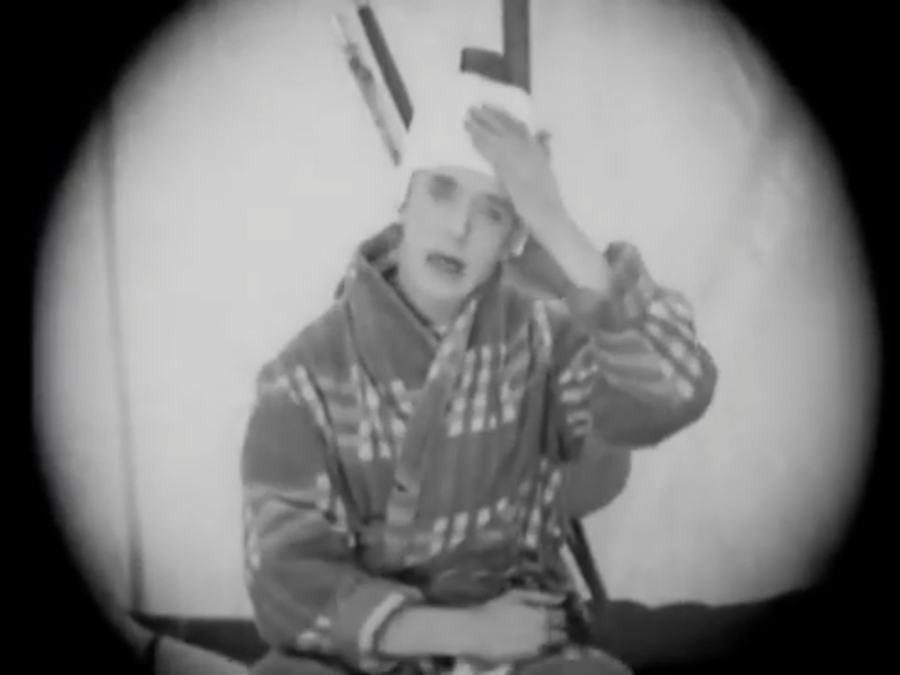
Watching it feels like you've stumbled into a forgotten room, honestly. The print I found was a little grainy, sound sometimes a bit tinny, which just adds to that *time capsule* vibe. It’s hard to judge these things on a modern scale, because the whole experience is just different. You’re not just watching a movie; you're watching a piece of history.
Fay Holderness, she’s in it, and there's a specific moment where her character makes this face – a kind of exasperated sigh mixed with a knowing glance – and it just *lands*. You get a real sense of her stage presence, even through the decades. It’s like, she knew exactly what she was doing, even if the cameras back then were a bit clunky trying to keep up. That one little reaction shot almost makes the whole thing worthwhile, just for that glimpse.
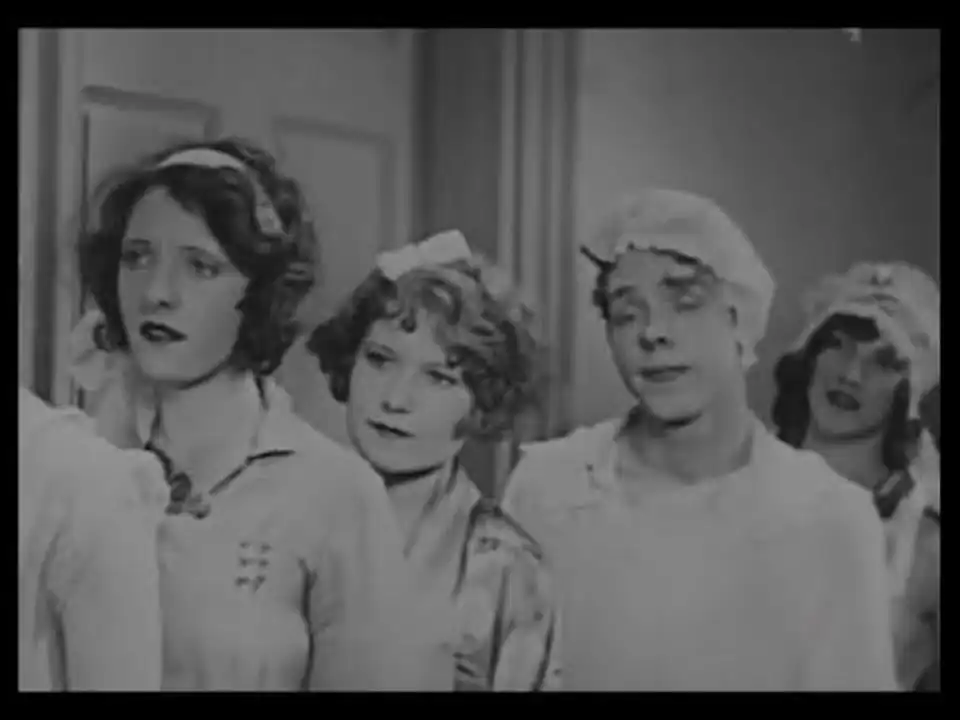
Arthur Lake is here too, of course. He brings that sort of *earnest, slightly bewildered* energy that he was so good at. There’s a scene, I think it’s in a kitchen, where he’s trying to fix something, and his movements are so exaggerated, yet also kind of endearing. It’s the kind of physical comedy that was probably huge then, but now it feels almost like a pantomime. It's not laugh-out-loud funny today, maybe, but it's certainly interesting to see.
The pacing, oh boy, the pacing. It definitely takes its time. There are stretches where you can almost feel the movie just… *breathing*. Not much happens for a good minute or two, just characters moving around a room, or reacting to something off-screen. It’s not boring in an annoying way, more like a slow, deliberate waltz. It’s a stark reminder that attention spans were just different back then.
One odd thing I noticed was the set design for what I think was their living room. There’s this lamp, very specific, with a fringed shade that looks like it belongs in a different house entirely. It’s a tiny detail, but it just stuck with me. You know, like, was that a prop they just had lying around? Or was it meant to say something about the characters' taste? Probably neither, just a lamp. But my mind went there.
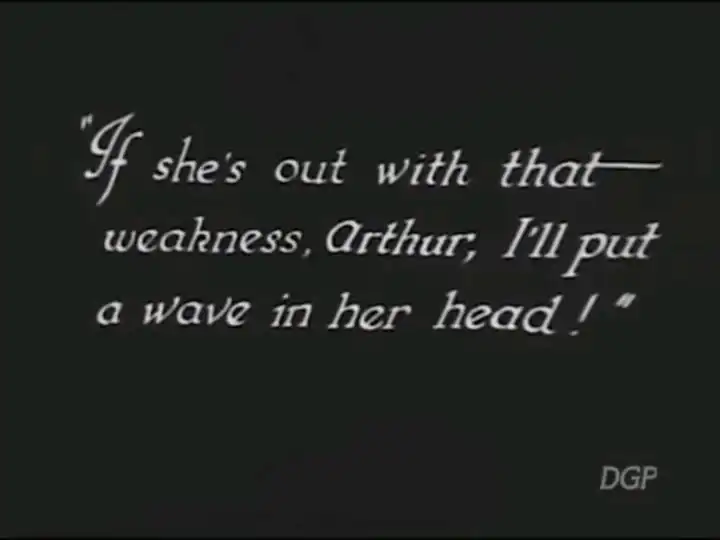
The story itself, from what I could piece together, is pretty straightforward. A domestic squabble, maybe some misunderstandings, then everything gets sorted out. No big twists, no shocking revelations. It feels like a stage play adapted directly to film without much cinematic translation. Which, again, totally makes sense for the era.
There are a few moments where the dialogue (or intertitles, depending on the version you might find) feels a little too on-the-nose. You can almost hear the writers, Bill Weber and Tenny Wright, saying exactly what they want the audience to feel. It doesn't leave much room for interpretation, but then, maybe that was the point. Simpler times, simpler storytelling.
Is it a forgotten classic? Nah, probably not. But is it worth watching if you're curious about the evolution of film? Absolutely. It’s a quiet little window into how people entertained themselves, and what acting looked like, way back when. You get a sense of the sheer effort that went into making *any* moving picture. It's a good reminder that not every film needs to be a blockbuster to have its own kind of value.
It's not a movie you'll ever recommend to your casual movie-watching friends, unless they're super patient. But for those of us who appreciate the quirks and the history, Night Owls offers its own quiet reward. It’s a film that exists, and sometimes, that’s enough. Like finding a strange, old penny. 🪙
IMDb 8.6
1917
Community
Log in to comment.