DbcultAccessing Vault...
6.2/10
Senior Film Conservator
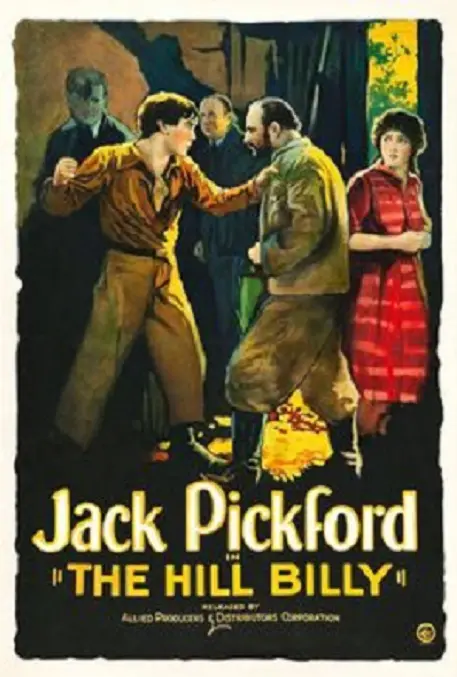
A definitive 6.2/10 rating for a film that redefined the boundaries of cult cinema. The Hill Billy remains a cornerstone of transgressive art.
The year 1924 stood as a watershed moment for the cinematic medium, a period where the primitive aesthetics of the previous decade gave way to a sophisticated, visual language that prioritized emotional interiority and environmental texture. Within this milieu, The Hill Billy emerges not merely as a relic of early Hollywood’s fascination with the rural 'other,' but as a potent exploration of the friction between ancestral tradition and the cold, unyielding advance of industrial capitalism. Directed with a keen eye for the visceral realities of mountain life, the film serves as a showcase for Jack Pickford, a performer often overshadowed by his sister Mary, yet here demonstrating a rugged vulnerability that anchors the entire production.
At the heart of this Appalachian gothic tale is a conflict as old as the hills themselves: the theft of the birthright. The character of 'Groundhog' Spence, portrayed with a chilling, calculated menace by Frank Leigh, embodies the predatory nature of the Gilded Age. His murder of the McCoy patriarch isn't just an act of individual violence; it is a symbolic decapitation of the local social order to facilitate the extraction of coal. This thematic obsession with the land's resources mirrors contemporary works like The Alaskan, where the wilderness is simultaneously a sanctuary and a commodity to be plundered.
Spence’s decision to marry the widow McCoy is a stroke of narrative genius by writers Marion Jackson and Waldemar Young. It transforms a simple murder plot into a claustrophobic domestic drama. The McCoy household becomes a site of occupation, where the rightful heir, Jed, is forced to witness the desecration of his family legacy. Pickford’s portrayal of Jed is characterized by a simmering resentment that avoids the histrionics common in silent-era performances. He captures the essence of a man whose spirit is being slowly suffocated by the very soil he was born to protect.
One cannot discuss The Hill Billy without acknowledging the haunting presence of Lucille Ricksen. As Emmy Lou, she provides the film’s moral and intellectual compass. In an era where rural characters were often depicted as caricatures of ignorance, the choice to make Emmy Lou a self-taught educator is revolutionary. Her relationship with Jed is built not on fleeting passion, but on the shared pursuit of literacy. This pedagogical bond is their only weapon against the swindlers who use legal jargon and contracts to disenfranchise the illiterate mountaineers.
Ricksen’s performance is imbued with a palpable sense of melancholy, perhaps heightened for modern viewers by the knowledge of her untimely death shortly after the film's release. She brings a gravity to the role that elevates the 'damsel in distress' trope into something far more nuanced. When she is forced into a marriage with Aaron Spence (Bud Geary), the film delves into the horrific realities of female autonomy—or the lack thereof—in isolated communities. This subplot echoes the social tensions found in Her Five-Foot Highness, though handled here with a significantly darker tone.
The middle act of the film introduces a secondary antagonist: the angry mob. While their grievance against the coal-land swindlers is legitimate, the film expertly portrays the blind, destructive nature of collective rage. The accidental shooting of Aaron Spence serves as the narrative’s pivot point, shifting the focus from land disputes to a legal thriller. The subsequent trial of Jed McCoy is a masterclass in silent suspense. The courtroom becomes a theater of the absurd, where the truth is secondary to the machinations of the powerful.
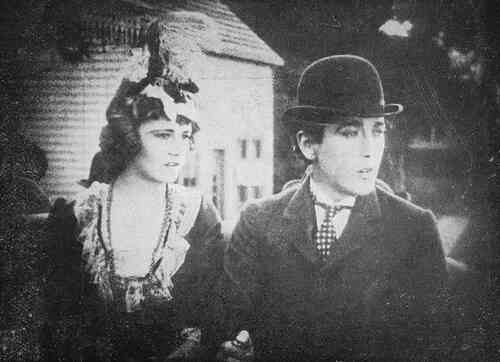
This sequence invites comparison to Blind Man's Holiday, where the fallibility of human judgment is central to the plot. In The Hill Billy, the law is shown to be a tool that can be manipulated by those with the means to do so. Jed’s eventual acquittal is not a victory for the system, but rather a narrow escape from a rigged game. It underscores the film's cynical view of civilization’s institutions when they are transplanted into the lawless frontier of the mountains.
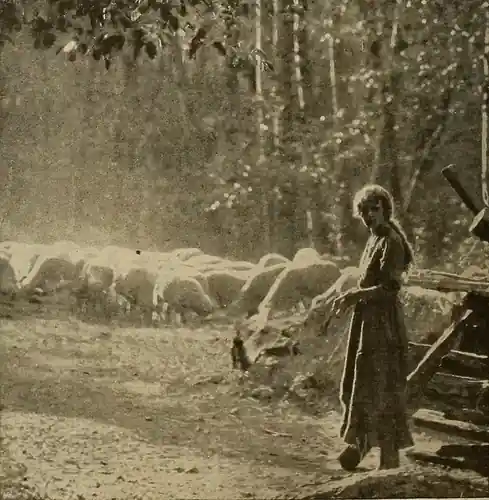
Technically, the film is a marvel of its time. The location shooting provides an authenticity that studio sets could never replicate. The texture of the bark, the mist clinging to the valleys, and the turbulent waters of the river are characters in their own right. The cinematography captures the duality of the Appalachian landscape: its breathtaking beauty and its indifferent lethality. This visual commitment reminds one of the atmospheric depth seen in Nan of Music Mountain.
The final reel is dominated by the legendary raft sequence. As Groundhog Spence attempts his getaway, the film shifts into high-octane action. The choreography of the fight on the makeshift raft is astonishingly modern. The stunt work, likely performed by the actors themselves, carries a weight and danger that CGI-saturated modern films lack. As the raft dashes unguided downstream toward the rapids, the editing rhythm accelerates, mirroring the characters' desperation. The collapse of the raft and Spence’s subsequent drowning serve as a form of poetic, elemental justice. The river, much like the land he tried to steal, eventually reclaims him.
While the action sequences provide the thrills, the intellectual core of the film remains the literacy plotline. By teaching Jed to read and write, Emmy Lou is doing more than just expanding his horizons; she is arming him. In the context of the 1920s, literacy was the dividing line between the exploited and the exploiter. The 'Hill Billy' of the title is a derogatory term that the film seeks to deconstruct. Jed’s transformation from a reactive victim into a proactive man of letters is a powerful statement on the democratization of knowledge.
This theme of self-improvement and education is a common thread in silent dramas, often seen in a more urban context in films like The Career of Katherine Bush. However, placing this struggle in the mountains adds a layer of survivalist urgency. For Jed, learning to read is not about social climbing; it is about literal survival against those who would use the written word to steal his home.
The ensemble cast provides a rich backdrop to the central conflict. Snitz Edwards and Madame De Bodamere bring a grounded reality to the mountain community, ensuring that the world feels inhabited and lived-in. The presence of Ralph Yearsley and Malcolm Waite adds to the sense of a cohesive, albeit fractured, society. These characters represent the collective soul of the hills—people who are often caught in the crossfire of the powerful but who possess a quiet, enduring resilience.
The film’s pacing is deliberate, allowing the tension to simmer before boiling over. This is a hallmark of the writing team, who also contributed to works such as The Bargain. They understand that for the violence to have impact, the audience must first understand the stakes of the silence. Every glance from Pickford and every shadow cast across the mountain face is heavy with the weight of impending doom.
In the broader spectrum of 1920s cinema, The Hill Billy occupies a unique space. It avoids the pure escapism of Golden Dreams or the lightheartedness of Her First Kiss. Instead, it leans into the grit. It is a precursor to the Southern Gothic movement that would later dominate American literature and film. It treats its subjects with a level of dignity that was rare for the time, acknowledging their complexity rather than settling for easy stereotypes.
The film’s climax, with Jed being rescued by Emmy Lou, subverts the typical gender roles of the era. It is the woman, through her wit and her bravery, who ultimately saves the hero. This inversion is a testament to the forward-thinking nature of the production. It suggests that the future of the mountains lies not in the patriarchal violence of the past, but in a collaborative, educated partnership.
Revisiting The Hill Billy today, one is struck by how little the core human conflicts have changed. The struggle for land, the corrupting influence of greed, and the liberating power of education remain as relevant now as they were a century ago. Jack Pickford delivers perhaps the most definitive performance of his career, proving that he was a formidable talent in his own right. The film stands as a testament to the power of silent storytelling—where a single look can convey a lifetime of grief, and a rushing river can represent the unstoppable force of fate.
While it may not have the name recognition of some of its contemporaries, The Hill Billy is a vital piece of cinematic history. It is a film that demands to be seen, not just as a historical curiosity, but as a living, breathing work of art. For fans of rural dramas like The Halfbreed or the rugged adventures of Devil McCare, this is an essential addition to the watch list. It is a haunting, beautiful, and ultimately hopeful exploration of the human spirit’s ability to survive even the darkest of valleys.
Technical Credits: Directed by George Hill; Screenplay by Marion Jackson and Waldemar Young; Based on the story by John Fox Jr. Starring Jack Pickford and Lucille Ricksen. Released by United Artists, 1924.
IMDb 4.6
1930
Community
Log in to comment.