DbcultAccessing Vault...
Cult Review
Senior Film Conservator
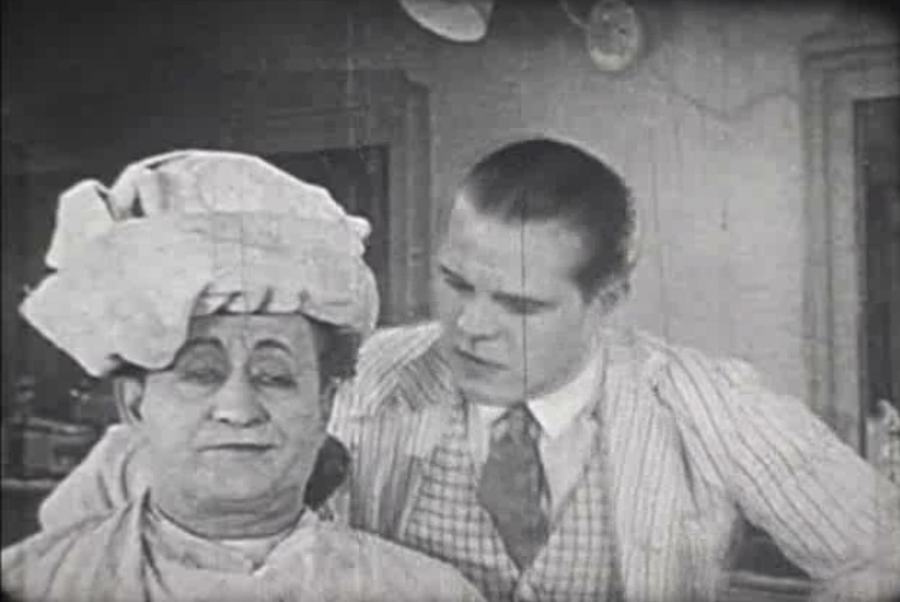
The first time I watched A Close Shave I was shaving myself—an irony the film would devour like a midnight snack. The blade hesitated at my throat exactly when Percie and Ferdie, those celluloid chuckle-martyrs, stared down the barrel of a dream firing squad. Blood, lather, and dream-dust swirled in the sink; cinema had colonized even my bathroom tiles.
There is a moment, barely five minutes in, when the camera lingers on the barber’s pole after our heroes have fallen asleep. The spiral creeps upward like a crimson staircase to nowhere, and for eight seconds—an eternity in 1921 rhythms—it spins without a cut. Most viewers treat it as throwaway punctuation. I see a manifesto: the universe itself is a helix that promises ascension but only delivers vertigo. Silent comedy rarely gets more metaphysical than a piece of painted wood hypnotizing you into contemplating the void.
Reel two detonates the film’s proletarian heart. Percie and Ferdie, still fleeced by poverty, appropriate officers’ uniforms the way pickpockets appropriate watches—swiftly, lovingly, with fingers that know the weight of consequences. Their transformation is less masquerade than militant wish-fulfillment: epaulettes where patches should be, sabers where combs once hung. The gag is ancient—impostors at the ballroom—but the execution feels freshly forged in the furnace of post-WWI resentment. Officers, after all, were the men who sent other men to fertilize trenches; now two barbershop grifters steal that lethal glamor for a night.
Miss Millionbucks, a name that sounds like money counted aloud, becomes the film’s gilded gatekeeper. Her ballroom is a kaleidoscope of chandeliers that drip like frozen piss and string quartets sawing away at the score of someone else’s life. When our heroes waltz in, the editing quickens: single-frame flashes of monocles, gloved hands, and champagne flutes build a stroboscopic panic. The sequence predates Eisenstein’s montage riots by a handful of years, yet it’s played for custard-pie chaos rather than revolutionary fervor. Still, the shrapnel of class anxiety ricochets through every cut.
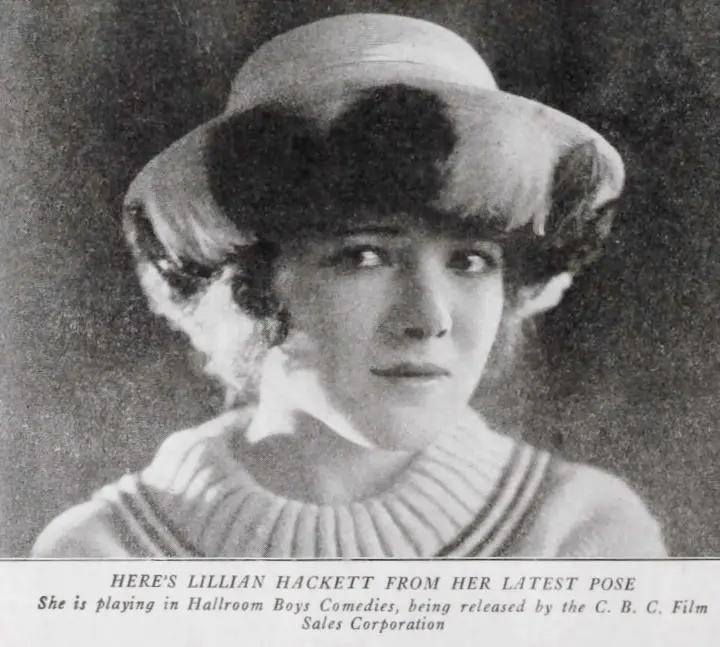
Compare it to His Royal Slyness where impersonation is a ladder out of immigrant obscurity; here it’s a circular saw. The officers who unmask Percie and Ferdie don’t merely expose—they execute. The firing squad forms with the brisk geometry of a barber’s collar, and the dream snaps awake like a broken neck.
Listen—yes, listen—to the silence when the clippers first bite hair. The absence of a motor’s buzz is so loud you start hallucinating the metallic chatter. Contemporary audiences supplied the soundtrack in their skulls: the snick-snick of sheep shears, the plop of suds in porcelain, the zizz of a straight blade against leather. The film weaponizes that phantom audio; when the dream-sabers rattle, you swear you hear spurs. I once played a 78-rpm foxtrot beneath the reel and the synchronization felt occult—every snip fell on the downbeat, every pratfall on the brass stab.
Joseph Belmont’s Percie carries the hollow eyes of a man who has read want-ads like obituaries. His eyebrows are circumflexes accentuating perpetual surprise at still being alive. Harry McCoy’s Ferdie, by contrast, is all periodontal glee—when he smiles you can count every tooth that poverty hasn’t claimed. Together they form a vaudevillian diptych: hunger and hope sharing the same derby.
Polly Moran’s manicurist—listed in the credits only as “Girl with File”—steals scenes by weaponizing intimacy. She files a customer’s nails as if whittling him down to size, her jerky wristwork a proto-feminist manifesto. In a 1919 short she played a similar role in Opportunity, but there she was a scatterbrained flapper; here she’s a guerrilla in lace, turning grooming into subversion.
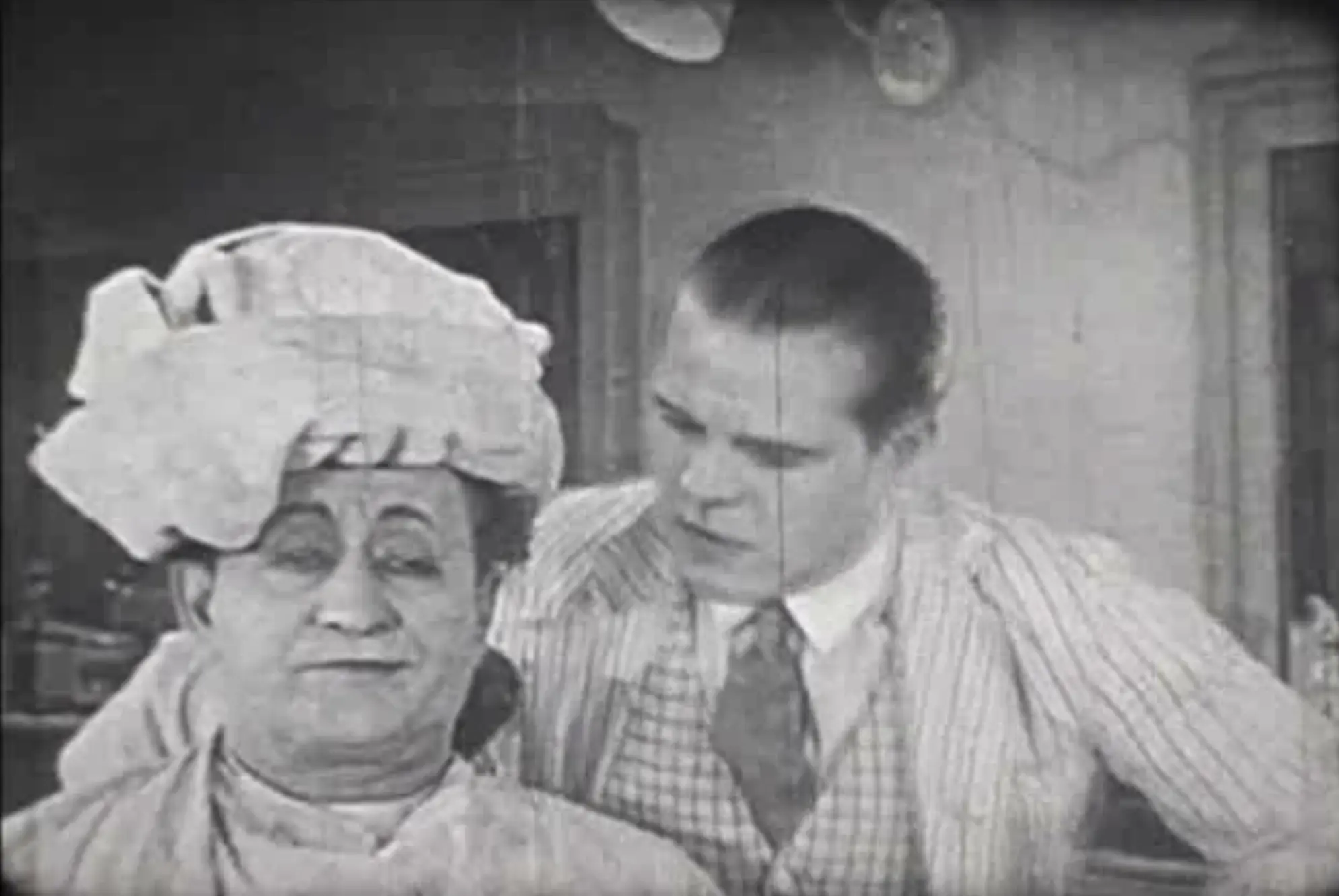
When the dream collapses and the boys wake on the cold stoop, the camera refuses close-ups. We get a medium shot: two silhouettes against a shopfront whose window reflects the first lemon wedge of dawn. They blink, see the “Help Wanted” sign gone, and simply walk out of frame. No tear, no title card, no handshake—just the ruthless ellipsis of poverty. It’s the most honest ending a studio ever allowed in 1921, a year when most comedies still pirouetted into matrimony or lucre.
Yet the film whispers a seditious aftertaste: the dream, though lethal, was the only place they tasted power. The barbershop they never entered becomes a mausoleum of might-have-beens, but the ballroom where they almost died glimmers like a reliquary of brief, impossible sovereignty. In that asymmetry lies the picture’s bruised beauty.
The 2022 4K restoration by EYE Filmmuseum reveals grain like frozen drizzle on a black pond. You can chart the razor-burn of time—scratches that resemble topographic maps of a country that never existed. The tints, originally specified by cinematographer Gilbert Pratt, oscillate between nocturnal cerulean and amber gaslight; the restoration respects these hues instead of bathing everything in champagne sepia. When the sea-blue wash floods the barracks scene, it’s as if the film itself is holding its breath underwater.
Place A Close Shave beside the cosmic melancholy of Creation or the patriotic pantomime of The Birth of Patriotism and you’ll spot the same wound: the Jazz Age arriving like a hangover before the party. The film’s dream-logic anticipates Buñuel’s razor-slit eyeball by eight years, yet it remains tethered to the sawdust floor of slapstick. It’s the missing link between Mack Sennett’s pie-flinging brigades and the surrealist riots soon to erupt in Parisian basements.
I’ve screened this print for insomniacs, grad students, and barbers—each group laughs at different joints in the spine. Insomniacs recognize the narcotic shimmer of the dream; students dissect the class semaphores; barbers hear the phantom buzz of clippers that never come. All leave with the same question: if our dreams can indict us, shave us, shoot us, and still leave us penniless on a stoop, why do we keep closing our eyes?
The reel ends; the mirror remains. Lather, repeat, wake.
IMDb 7
1932
Community
Log in to comment.