DbcultAccessing Vault...
5.8/10
Senior Film Conservator
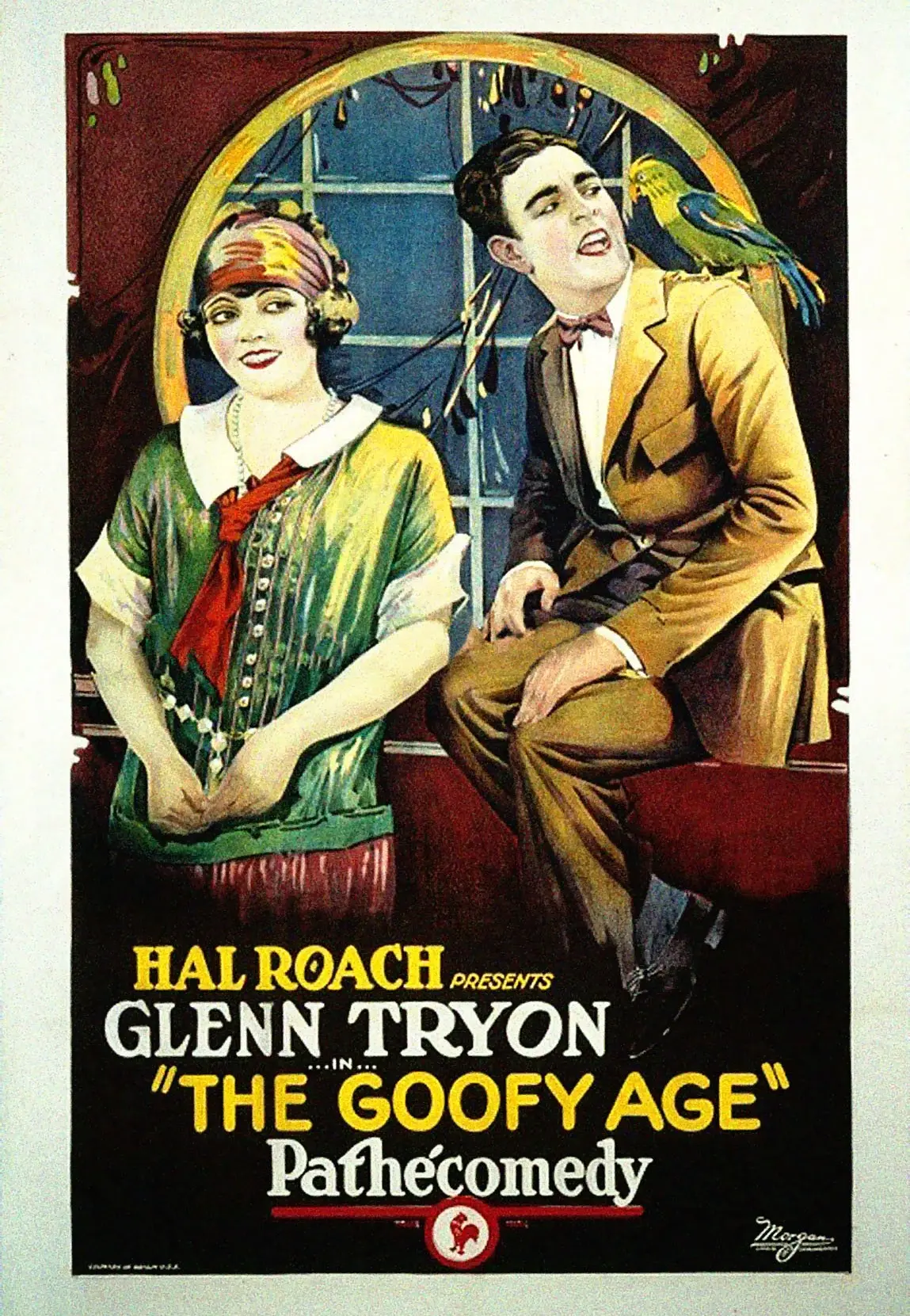
A definitive 5.8/10 rating for a film that redefined the boundaries of cult cinema. The Goofy Age remains a cornerstone of transgressive art.
There is a specific, mercurial energy inherent to the mid-1920s silent comedy that feels almost impossible to replicate in the modern era. The Goofy Age is a quintessential artifact of this period, a film that thrives on the friction between domestic obligation and pure, unadulterated chaos. While some might dismiss the short-form comedies of the era as mere precursors to the feature-length giants, this film proves that the short format allowed for a density of gags and a purity of vision that often gets diluted when stretched over ninety minutes. Unlike the heavy thematic weight of Paradise Lost, this is a film that finds its divinity in the absurd.
The setting of a goldfish store is not merely a backdrop; it is a stroke of scenographic genius. The glass tanks provide a layer of visual distortion and fragility that mirrors the protagonist’s precarious social standing. Glenn Tryon, playing the harried hero, moves with a jittery grace that suggests a man constantly on the verge of shattering. His performance here is a fascinating study in physical anxiety. He isn't just trying to marry the girl; he is trying to preserve a world that is literally made of glass. When we compare this to the more grounded, pastoral settings of Lena Rivers, the goldfish shop feels like a fever dream of urban claustrophobia.
The plot, involving a mother (the formidable Laura La Varnie) pushing her daughter toward a wealthy but insufferable rival (William Gillespie), is a trope as old as time. However, The Goofy Age elevates this through its relentless pacing. The mother isn't just a hurdle; she is a force of nature, a domestic tyrant whose machinations drive the hero into his desperate, aquatic marriage plot. It lacks the mystical ambiguity of Lucille Love: The Girl of Mystery, opting instead for a transparent, high-stakes conflict that demands immediate, physical resolution.
Blanche Mehaffey provides a luminous counterpoint to Tryon’s frantic energy. Her role as the 'loved one' could have easily been a static prize to be won, but Mehaffey injects a sense of agency into her glances and gestures. She isn't just a passive victim of her mother’s greed; she is a willing co-conspirator in the goldfish shop madness. Their chemistry is what anchors the film when the gags threaten to spin out of control. It’s a far cry from the more somber romantic entanglements seen in The Sin of Martha Queed, where the stakes are life and death rather than just social embarrassment and broken glass.
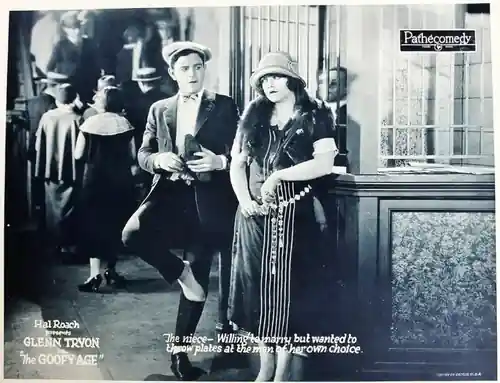
The inclusion of character actors like Noah Young and George Marion adds layers of texture to the chaos. Young, in particular, has a face built for silent comedy—a rugged, expressive canvas that reacts to the unfolding disaster with a mix of confusion and stoicism. These actors understood the 'syntax' of the gag. Every movement is a word, every fall is a punctuation mark. The way the customers interrupt the Justice of the Peace is a masterclass in comedic timing, reminiscent of the societal friction found in Egyenlöség, albeit played for laughs rather than political commentary.
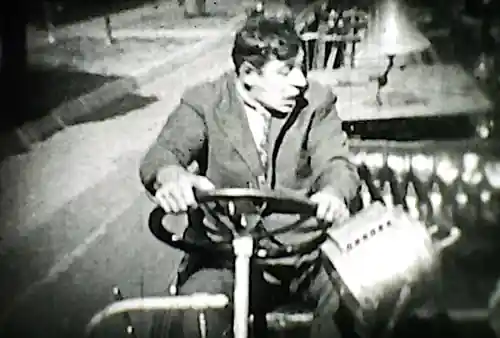
The final act of the film is where the 'goofy' truly takes over. The arrival of the firemen is a classic silent movie 'deus ex machina,' but here it serves a dual purpose. It destroys the temporary sanctuary of the goldfish shop, forcing the characters out into the world. The transition from the static, confined space of the store to the kinetic, wide-open speed of the hook-and-ladder wagon is a breathtaking editorial shift. It mirrors the frantic energy of Toonerville's Fire Brigade, but with a more romantic, desperate core.
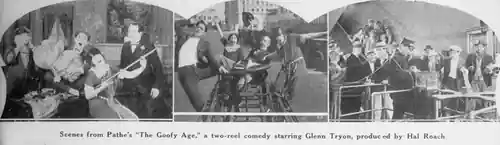
As the fire truck hurtles through the streets, the Justice of the Peace attempting to scream the vows over the roar of the engine and the clanging of the bell, the film reaches a state of pure cinematic bliss. This is the 'goofy age' personified—a time of life where logic is secondary to momentum. The resolution is simple, yet it feels earned because of the sheer physical effort required to reach it. It’s a triumphant subversion of the 'proper' wedding, much like the rebellious spirit seen in The Twinkler.
Technically, the film is surprisingly sophisticated. The use of depth within the shop—placing tanks in the foreground to frame the action—shows a keen eye for composition. The lighting, while standard for the time, manages to capture the shimmer of the water and the glint of the fire truck’s chrome with a clarity that feels modern. While it might not have the experimental grandeur of La montagne infidèle, its technical competence serves the story perfectly. Every shot is designed to maximize the impact of the next gag.
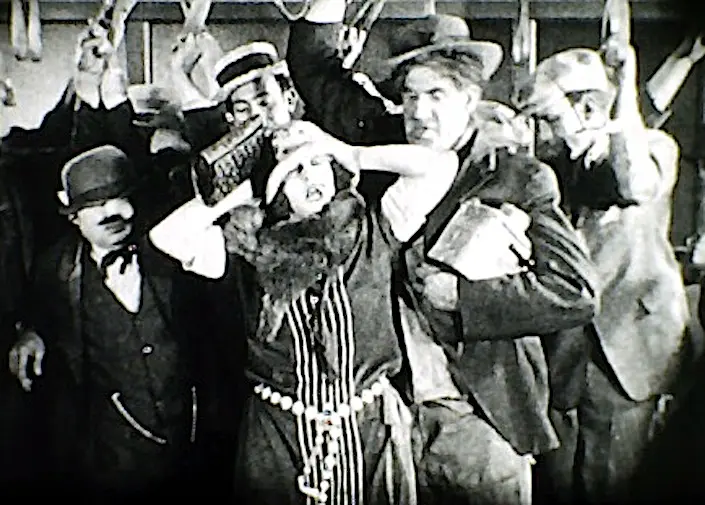
Consider the scene where the firemen smash through the door. The timing of the wood splintering, the reaction of the goldfish (who are arguably the best-behaved actors in the film), and the immediate pivot to the escape is handled with surgical precision. This isn't just 'slapstick'; it's 'choreography.' It requires a level of rehearsal and spatial awareness that is often overlooked in discussions of early comedy. In many ways, Tryon’s physical performance here is as demanding as the dramatic roles in The Man Who Played God, just requiring a different set of muscles.
Why does The Goofy Age still resonate? Perhaps because the 'mother-in-law from hell' and the 'disastrous wedding' are universal anxieties. But more so, it’s because the film captures a sense of joy in the face of catastrophe. It suggests that even when your world is literally being smashed by firemen and your career involves tending to tiny fish, love—and a fast truck—can save you. It lacks the cynical edge of Lulù or the grim inevitability of The Devil's Garden. Instead, it offers a sun-drenched, chaotic optimism.
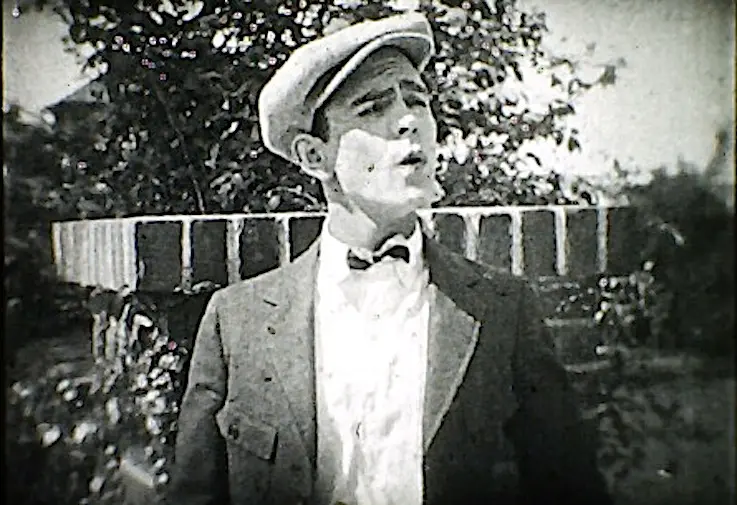
In the broader context of silent film history, Glenn Tryon remains an underrated figure. He possessed a 'everyman' quality that made his descent into madness relatable. When he’s being bullied by William Gillespie’s rival character, you feel his frustration. Gillespie plays the 'heavy' with a wonderful lack of subtlety, making his eventual defeat all the more satisfying. It’s a dynamic we see echoed in The Bashful Lover, yet here the stakes feel more immediate due to the ticking clock of the forced marriage.
Ultimately, the film is a celebration of the 'hurried ceremony.' In an era where everything was becoming more mechanized and structured, the idea of a wedding on a fire truck was the ultimate act of rebellion. It’s a theme that crops up in many comedies of the time, including Back from the Front, where the military structure is similarly subverted by personal desire. The 'knot is tied before they are caught'—a perfect ending for a film that refuses to slow down for even a second.
For those who appreciate the interplay of light, movement, and absurdity, The Goofy Age is a mandatory watch. It’s a reminder that cinema, at its most basic level, is about the thrill of the chase and the triumph of the underdog. Whether you’re a fan of the sports-centric humor in Play Ball with Babe Ruth or the exotic adventures of Sands of the Desert, there is something deeply, fundamentally satisfying about watching a man in a suit try to keep a goldfish tank from exploding while being chased by his future mother-in-law. It is, quite simply, the goofy age at its finest.
A frantic, aquatic, and utterly charming slice of silent history that proves some things—like the chaos of love—never change.
IMDb —
1927
Community
Log in to comment.