DbcultAccessing Vault...
Cult Review
Senior Film Conservator
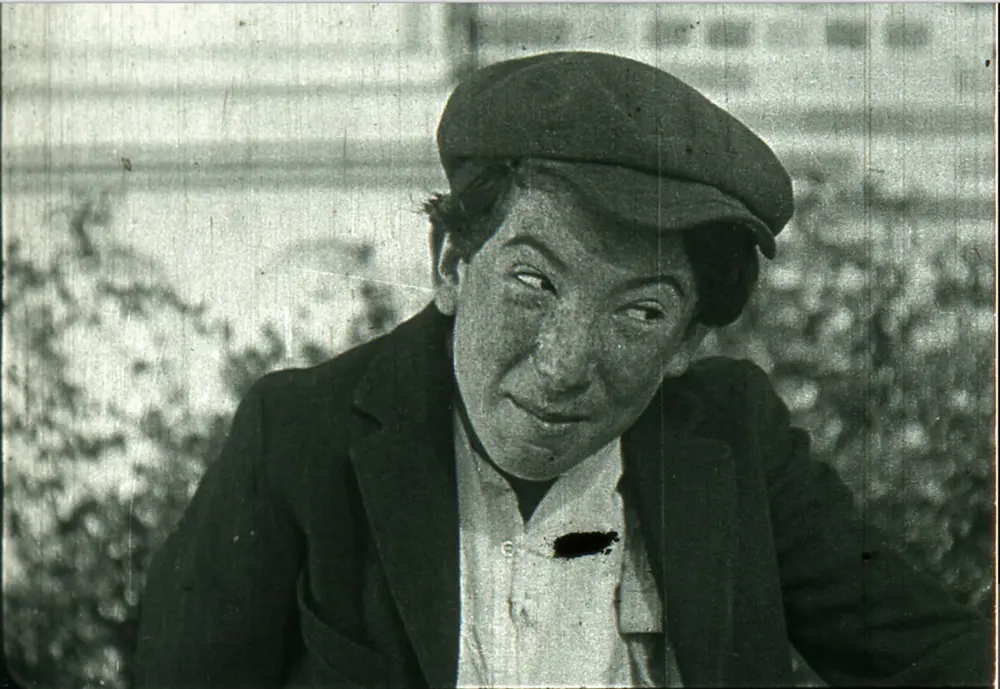
Is Captain Kidd's Kittens a lost gem or a dusty relic? Short answer: It is a fascinating, if messy, time capsule that works best for those who appreciate the unrefined charm of early 20th-century child actors, but it will likely bore those looking for modern pacing.
This film is for historians of the 'Our Gang' style of comedy and fans of pre-Code adolescent mischief. It is NOT for viewers who demand high-fidelity sound, tight narratives, or a lack of period-typical rowdiness.
Captain Kidd's Kittens is worth watching if you want to see the DNA of modern childhood comedies. It captures a raw, unpolished energy that today's highly sanitized child performances lack. While the humor is dated, the central theme of children misinterpreting adult lessons is timeless.
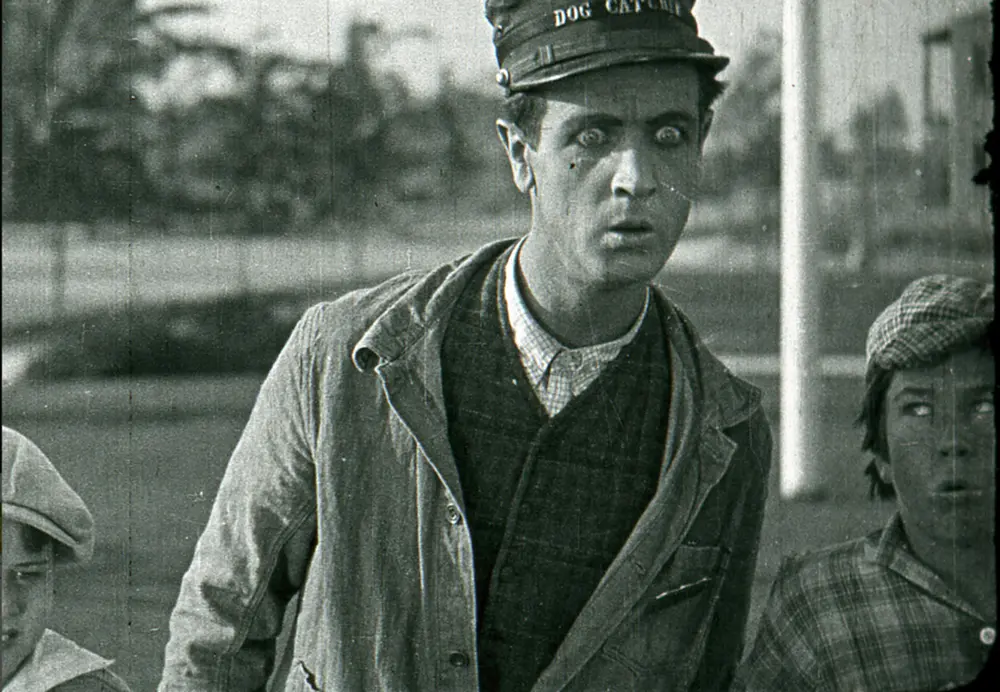
1) This film works because the chemistry between the child actors feels genuine rather than coached, creating a sense of authentic backyard play.
2) This film fails because the middle act drags significantly, relying on repetitive physical gags that overstay their welcome even in a short format.
3) You should watch it if you enjoy seeing how early cinema handled the 'kids-building-a-machine' trope, which later became a staple of 1980s adventure films.
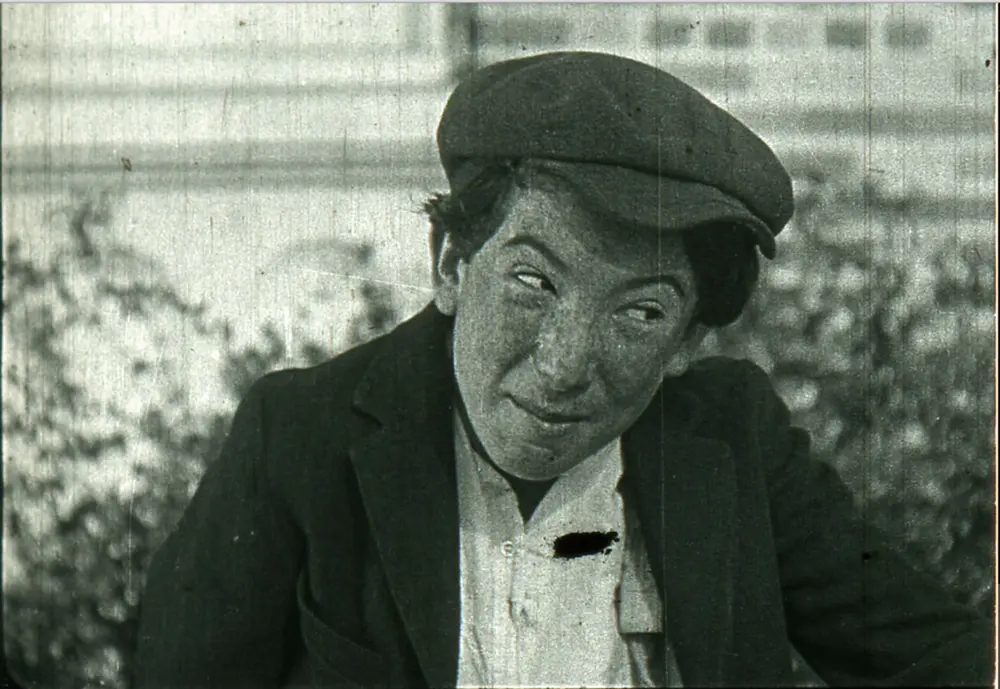
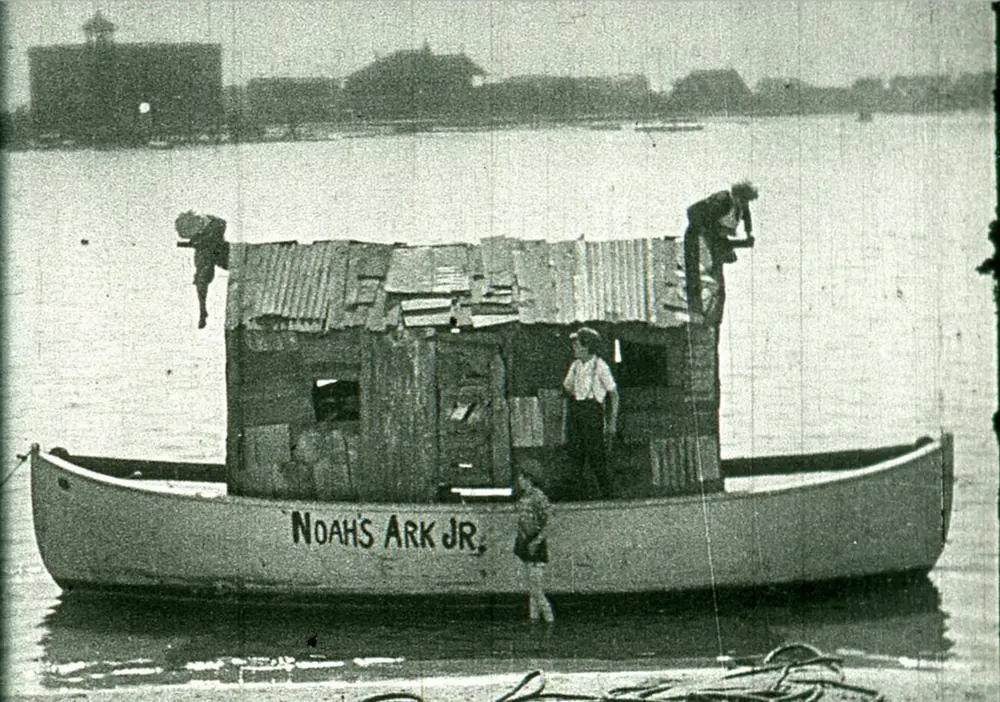
The film begins in the most relatable of settings: a stuffy classroom where the air is thick with boredom. The teacher, attempting to impart a lesson on Noah’s Ark, inadvertently lights a fuse in the minds of her students. When Jack McHugh and Leon Holmes see the drawing on the chalkboard, they don't see a moral lesson. They see a blueprint.
The transition from the classroom to the construction site is where the film finds its rhythm. The boys’ 'ark' is a shambolic collection of scrap wood and optimism. Unlike the grand religious themes found in Christus, this film grounds its biblical reference in the dirt and splinters of a 1920s backyard. There is a specific scene involving the gathering of 'animals'—mostly confused local pets—that highlights the film’s commitment to low-stakes, high-energy slapstick.
It works. But it’s flawed. The narrative logic is secondary to the visual gag of children doing things they shouldn't. This isn't the sophisticated social commentary you might find in Hypocrites; it’s a celebration of the messiness of youth.
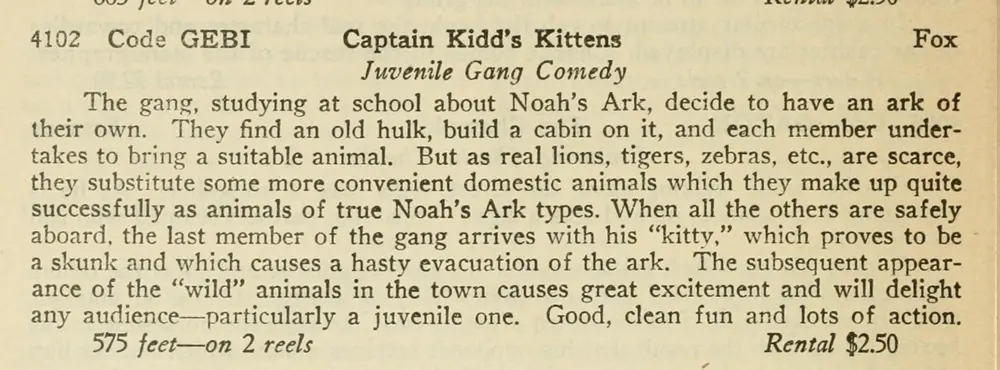
The cast, featuring Jack McHugh and Leon Holmes, represents a specific archetype of early Hollywood child stars. These weren't the polished, 'stage-parented' kids of the modern era. They were scrappy, often loud, and possessed a physical comedy timing that feels surprisingly modern. McHugh, in particular, has a way of commanding the 'gang' that feels authoritative yet ridiculous.
Leon Janney also makes an appearance, and his presence adds a layer of professionalism to the otherwise chaotic ensemble. While the acting isn't 'good' by traditional dramatic standards, it is highly effective for the genre. They react to the collapse of their makeshift boat with a level of genuine-looking frustration that makes you wonder how many real splinters were involved in the production.
Compare this to the more adult-oriented domestic comedies like Madame Doesn't Want Children, and you see a stark contrast. Where that film treats the idea of children as a burden or a disruption to a lifestyle, Captain Kidd's Kittens puts them at the center of their own universe. Here, the adults are merely obstacles or catalysts for the boys' imagination.
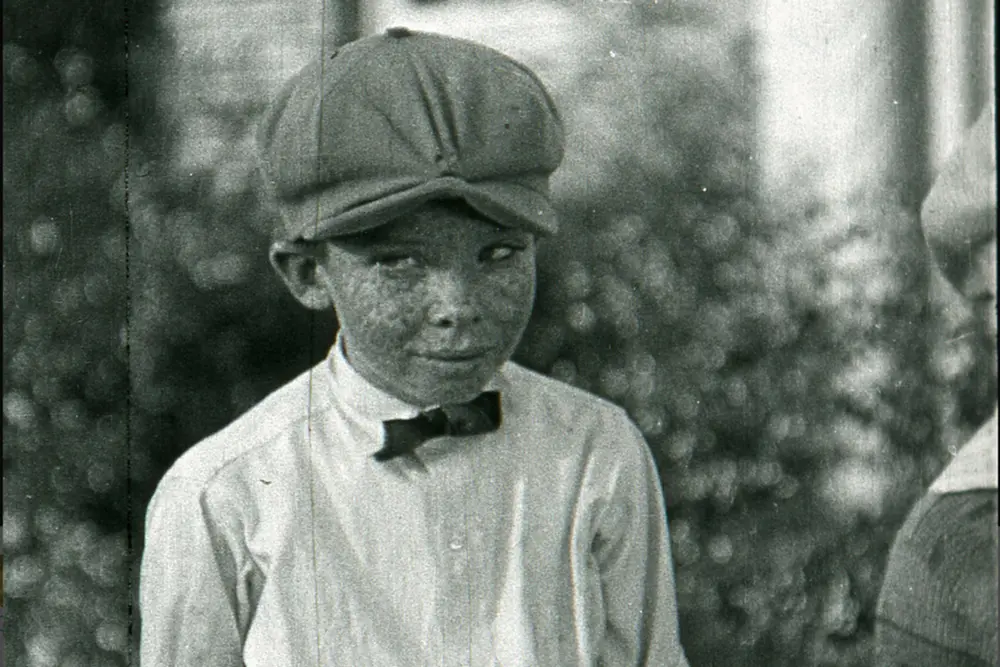
Sidney Levee’s direction is functional, prioritizing the visibility of the gags over any artistic flourish. This was common for the era, but there are moments where the camera lingers just a bit too long on a setup. The pacing in the second act feels like it’s stuck in the mud, much like the ark the boys are trying to launch.
However, the cinematography captures the textures of the era beautifully. The dusty streets and the cluttered backyards feel lived-in. There is a specific shot of the chalkboard drawing early on that is framed with a sense of impending doom; the director knows exactly what that drawing will do to the boys' focus. It is a simple but effective piece of visual storytelling.
"The film’s greatest strength is its refusal to take its own biblical premise seriously, opting instead for the glorious absurdity of childhood ambition."
The film offers a genuine look at 1920s play culture. The lack of adult supervision in the story reflects a different era of parenting and childhood freedom. The physical comedy, while simple, is executed with a high level of energy that is infectious. It’s a short, easy watch for anyone interested in the evolution of the 'gang' comedy subgenre.
The audio—if you're watching a version with the early synced sound or a later dub—can be grating. The film lacks the emotional depth of something like The Ghosts of Yesterday, choosing instead to stay firmly in the realm of the superficial. Some gags involve animals in ways that would never pass modern production standards.
If you are a student of film history, yes. Seeing how Sidney Levee handles a group of children in 1929 provides a great comparison point to the more polished 'Our Gang' shorts being produced by Hal Roach at the time. It is a rougher, more jagged version of that formula. If you are a casual viewer looking for a laugh, you might find it more interesting as a curiosity than as a comedy.
Captain Kidd's Kittens is a shambolic, energetic, and occasionally boring piece of cinematic history. It doesn't have the grace of the era's great features, but it has a heart made of scrap wood and nails. It’s a loud reminder that children have always been the same: give them a lesson, and they will find a way to turn it into a disaster. It is a minor work, but for those who love the era, it’s a necessary one. It’s not a masterpiece. It’s a messy, splinter-filled joy.
IMDb 6.7
1931
Community
Log in to comment.