DbcultAccessing Vault...
Cult Review
Senior Film Conservator
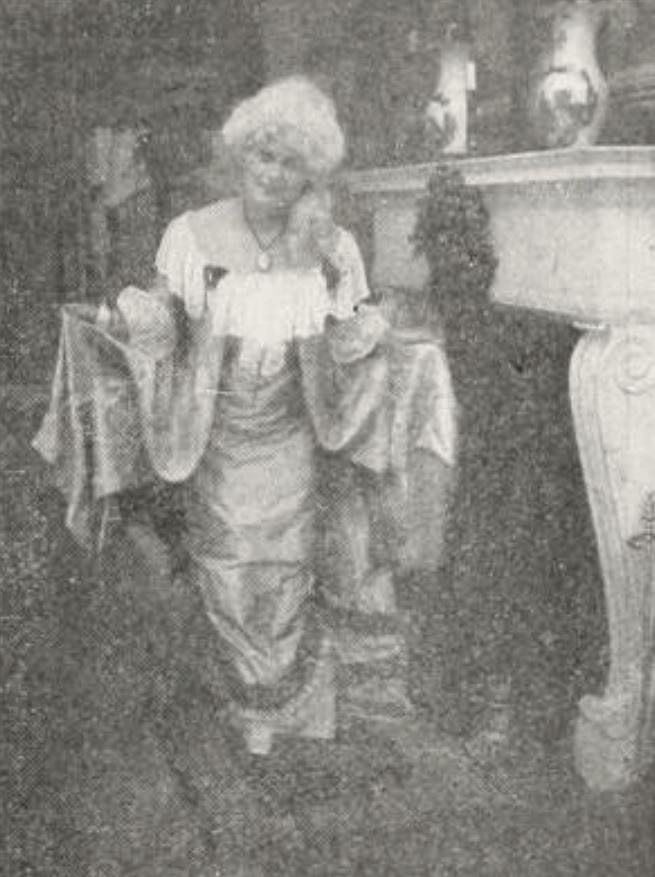
Ah, the silver screen of yesteryear! There’s a particular magic to revisiting films from the nascent era of cinema, a charm that transcends mere nostalgia. And when we talk about a picture like A Continental Girl, we’re not just observing a historical artifact; we’re stepping into a vibrant, pulsing narrative that, despite its age, still manages to stir the soul. Released in the spirited year of 1915, this film, penned by the evocative Joseph Adelman, plunges us headfirst into the tumultuous, exhilarating days of 1776, a period that forever reshaped the global geopolitical landscape and, more intimately, the lives of ordinary people caught in its revolutionary currents.
From its very opening frames, A Continental Girl establishes itself as more than a simple period drama. It’s an ambitious tapestry woven with threads of love, loyalty, betrayal, and the fierce, unyielding spirit of independence. The backdrop, of course, is the birth of a nation – a time when allegiances were tested, and the very concept of 'home' was being redefined. This isn't just a love story; it's a love story inextricably linked to the grander, more perilous adventure of a country declaring its freedom. It's a testament to the power of early cinema to encapsulate complex historical moments through deeply personal struggles.
At the heart of this unfolding drama is Flossie Burgett, a character brought to life with compelling grace, presumably by Elys Lotus. Flossie isn’t merely a damsel in distress; she embodies the very spirit of the nascent American identity – resilient, passionate, and decisive. Her affections become the fulcrum upon which much of the plot hinges, contested by two soldiers, each representing the opposing ideologies of the era. One, an ardent American patriot, embodies the burgeoning hope and courage of the revolutionaries. The other, a staunch Tory, represents the established order, a loyalty to the Crown that, in this new world, is quickly becoming an anachronism. Flossie's choice, a profound declaration of her heart and her principles, aligns her destiny with the American cause, setting in motion a chain of events that is both romantic and incredibly dangerous.
The rejected suitor, Staunton, presumably portrayed by Jack Murray with a menacing intensity, transforms almost immediately into a formidable antagonist. His unrequited love curdles into a bitter, burning animosity, directed not just at Flossie's chosen American sweetheart, but against her entire family. This isn't just a personal slight; it's a political one, amplifying the tension of the era. Staunton becomes the embodiment of the forces resisting change, clinging to a dying order with a vindictive fervor. The stakes are raised dramatically, blurring the lines between personal vendetta and the larger conflict for national sovereignty. It reminds me a bit of the intense emotional stakes found in other period dramas where personal lives intertwine with grand historical shifts, much like the intricate familial and romantic entanglements in The Betrothed, though with a distinct American flavor.
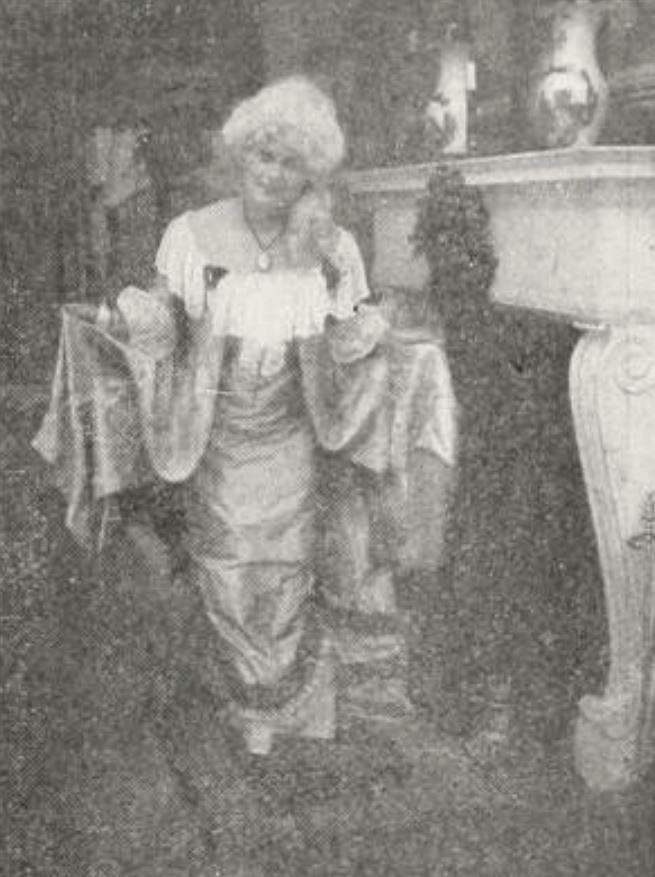
The narrative escalates with a dramatic duel between the two rival soldiers. This isn't merely a contest of skill; it's a clash of ideologies, a symbolic microcosm of the war itself. Staunton, worsted in this confrontation, experiences not humility, but a deepening of his festering resentment. The defeat, rather than quelling his passion, fans it into a deeper, more dangerous flame. His animosity becomes a relentless, almost obsessive force, driving him to systematically persecute Flossie. This shift from jilted lover to outright villain is deftly handled, showcasing the destructive power of pride and unbridled anger. The film illustrates how personal grievances can become entangled with national conflicts, making the stakes incredibly high for our protagonist.
The persecution of Flossie by Staunton forms a significant portion of the film's middle act, highlighting her resilience in the face of relentless adversity. She is a woman of her time, yes, but also a woman who embodies a nascent independence that foreshadows the future. She doesn't passively accept her fate; she struggles, she endures, and she inspires. This portrayal of a strong female lead navigating a perilous historical landscape is particularly noteworthy for early cinema, perhaps even drawing parallels to the courageous protagonists found in films like The Woman Who Dared, where female characters often defy societal expectations and personal dangers.
Yet, even in the darkest moments, the narrative introduces elements of unexpected heroism. The character of Deerfoot, presumably portrayed by William H. Cone, emerges as a pivotal figure. His intervention is both heroic and tragically poignant. In a climactic confrontation, Deerfoot strikes down the villainous Staunton, delivering him his just deserts. However, this act of self-sacrifice comes at a terrible cost, as Deerfoot himself receives a mortal wound. This selfless act of courage and justice adds a layer of profound pathos to the story, emphasizing that heroism often demands the ultimate price. Deerfoot’s character, though perhaps not central throughout, serves as a powerful reminder of the diverse individuals who contributed to the fight for freedom, often from the periphery of the main narrative.
The film’s dramatic crescendo is further amplified by a truly breathtaking sequence: the captain's leap from a high cliff. This moment of high-stakes action, where a character plunges into the churning waters below, is filled with an exhilarating sense of peril and desperation. It's a remarkable feat of staging for a film of its era, showcasing the nascent cinematic techniques used to create spectacle and excitement. The visual impact of such a scene, even in black and white, would have been immense for audiences of 1915, drawing them deeper into the adventure. It speaks to the ambition of early filmmakers like Joseph Adelman and his collaborators to push the boundaries of visual storytelling, much like other innovative productions of the time, such as the grand narratives explored in The Master Key or the dramatic flair of Pierrot the Prodigal.
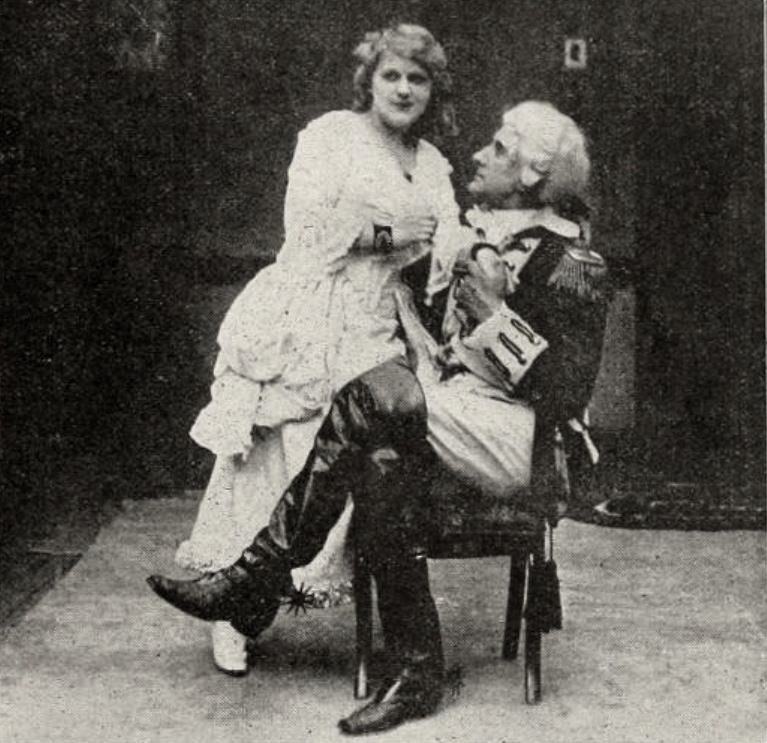
Beyond the thrilling action and romantic entanglements, A Continental Girl is fundamentally about the birth of a nation. The struggle for independence, the shedding of colonial shackles, and the forging of a new identity are all woven into the personal journeys of its characters. The war, with all its hardship and sacrifice, ultimately gives way to the dawn of the United States. And as the dust settles, the film brings its various narrative threads to a beautiful, heartwarming conclusion. All ends happily on Christmas Day, a poignant choice of setting that symbolizes rebirth, peace, and the joy of community. Several pairs of lovers, whose paths have been fraught with danger and despair, finally find their happiness, providing a sense of closure and optimism that resonates deeply.
The cast, including May Ward, Edwin B. Tilton, Mabel Julienne Scott, Olaf Skavlan, William Sorelle, Miss Harcourt, Miss Beresford, George Brugger, George Harcourt, and Miss Davis, collectively deliver performances that, for their time, would have been considered compelling and robust. While the acting styles of the early 20th century might appear more theatrical to modern eyes, their ability to convey intense emotion and propel the narrative forward without the aid of spoken dialogue is truly remarkable. These silent film pioneers laid the groundwork for the sophisticated cinematic performances we see today, and their contributions to the storytelling in A Continental Girl are integral to its enduring appeal.
Joseph Adelman’s writing, though concise in its original plot synopsis, clearly provided a rich framework for the visual storytelling. The narrative structure, moving from romantic entanglement to political conflict, then to personal persecution and heroic sacrifice, before finally resolving in peace and joy, demonstrates a keen understanding of dramatic arcs. It’s a blueprint that many subsequent historical romances would follow, a testament to its effectiveness. The blend of historical epic with intimate human drama is a delicate balance, and Adelman, along with the film's director (uncredited in the provided information, but crucial to the execution), managed to strike it with considerable skill.
Reflecting on A Continental Girl, one cannot help but admire its ambition and its success in capturing a pivotal moment in history through a deeply human lens. It’s a film that not only entertains with its adventures and romances but also subtly educates about the spirit and sacrifices of an era. It stands as a vibrant example of early American cinema's capacity for grand storytelling, a testament to the enduring power of classic narratives. In an age where digital effects dominate, there's a profound beauty in witnessing how filmmakers over a century ago could evoke such powerful emotions and immerse audiences in a world long past, using ingenuity and raw talent. It’s a film that, much like the nation it depicts, carries a legacy of courage, struggle, and ultimately, triumph. If you're looking to delve into the roots of cinematic storytelling, particularly those that intertwine personal destiny with national identity, A Continental Girl offers a rich, rewarding experience, a true jewel from the dawn of film that still shines brightly today.
IMDb 5.5
1934
Community
Log in to comment.