A definitive 6.5/10 rating for a film that redefined the boundaries of cult cinema. Fool's Luck remains a cornerstone of transgressive art.
Is "Fool's Luck" worth watching today? Short answer: yes, but with significant caveats. This early silent short, penned by the legendary Roscoe 'Fatty' Arbuckle, offers a fascinating, if sometimes challenging, glimpse into the foundational elements of physical comedy and early cinematic storytelling.
It's a film for ardent cinephiles, students of silent cinema, and those with a deep appreciation for the roots of slapstick. However, it's decidedly not for casual viewers expecting modern narrative pacing or sophisticated humor; its charm lies in its historical context and raw, unfiltered energy.
This film works because: Its foundational slapstick is surprisingly effective, showcasing the raw talent of its performers and Arbuckle's knack for escalating comedic misfortune.
This film fails because: Its rudimentary structure and often frenetic, sometimes repetitive, pacing can alienate viewers accustomed to more refined storytelling.
You should watch it if: You're interested in the evolution of comedy, appreciate the physical prowess of early cinema actors, or are a historian of the genre.
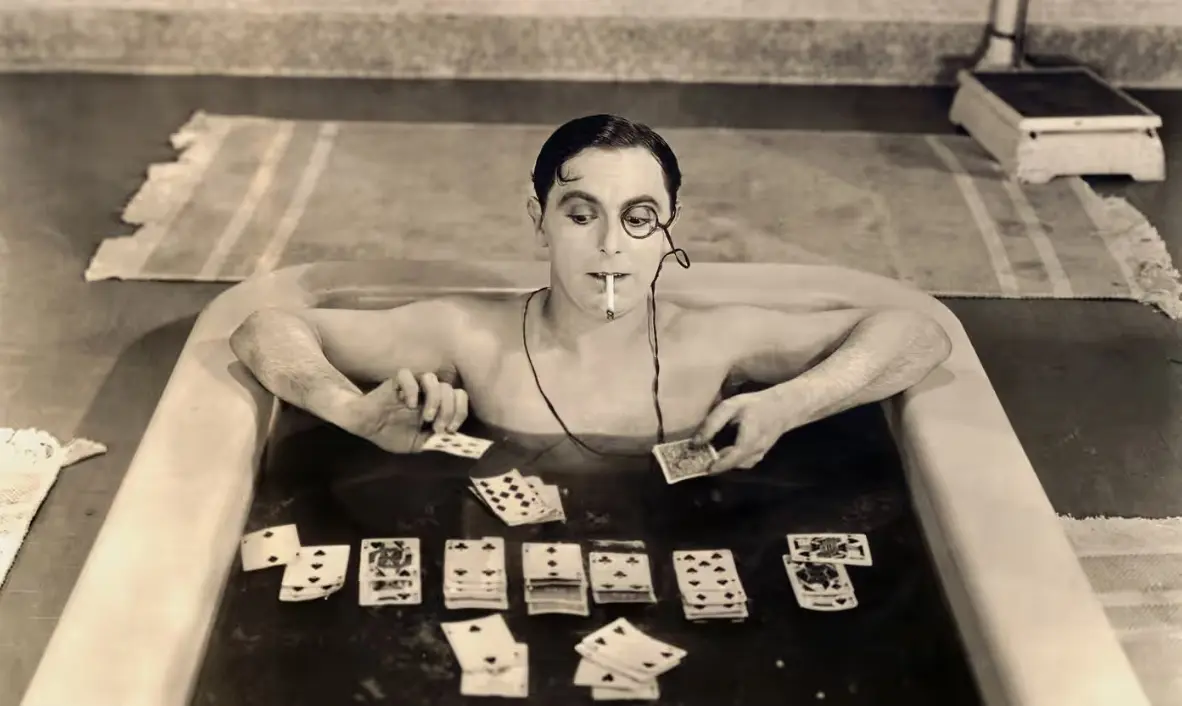
Scene from Fool's Luck
Cinematic perspective: Exploring the visual vocabulary of Fool's Luck (1926) through its definitive frames.
A Whirlwind of Misfortune: Plot and Themes
"Fool's Luck" begins with a premise as stark as it is timeless: a young man, portrayed by Jack Lloyd, is unceremoniously evicted from his modest lodgings. This isn't just a plot point; it's a societal trauma, a sudden stripping away of security that instantly renders him a vagabond in a world seemingly indifferent to his plight. The film then rapidly descends into a series of increasingly absurd and perilous adventures, transforming the urban landscape into a treacherous obstacle course.
The genius of Arbuckle's writing, even in this nascent stage, lies in its ability to extract humor from desperation. Lloyd's character, propelled by circumstance, stumbles through chaotic street scenes, narrowly escapes the clutches of various authority figures, and inadvertently becomes embroiled in situations far beyond his control. One particularly memorable (and often replicated) sequence involves Lloyd attempting to escape a pursuing landlord only to find himself clinging precariously to the side of a moving vehicle, a physical gag that highlights both his desperation and the era's raw comedic inventiveness.
The central theme of resilience, or perhaps more accurately, the sheer stubbornness to survive, permeates every frame. Lloyd is not a hero; he's an everyman, buffeted by forces he cannot comprehend or control. His 'luck' is indeed foolish, a constant dance on the precipice of disaster that somehow, inexplicably, he manages to navigate, if not entirely overcome.
This film, like many of its era, also serves as an unwitting social commentary on urban struggle and the precariousness of working-class life. The eviction isn't just a setup for gags; it's a harsh reality that grounds the subsequent fantastical escapades in a relatable human experience. The humor, therefore, often carries a faint undertone of pathos, a quality that elevates it beyond mere slapstick.
The Art of the Fall: Direction and Performance
While Roscoe 'Fatty' Arbuckle is credited as writer, the directorial choices of the era, often collaborative and fluid, clearly benefit from his comedic vision. The film's energy is palpable, driven by a relentless pace that rarely allows the audience to catch its breath. The camera, while static by modern standards, is positioned to capture the full scope of the physical comedy, often employing wide shots that allow the actors' full body movements to articulate the gags.
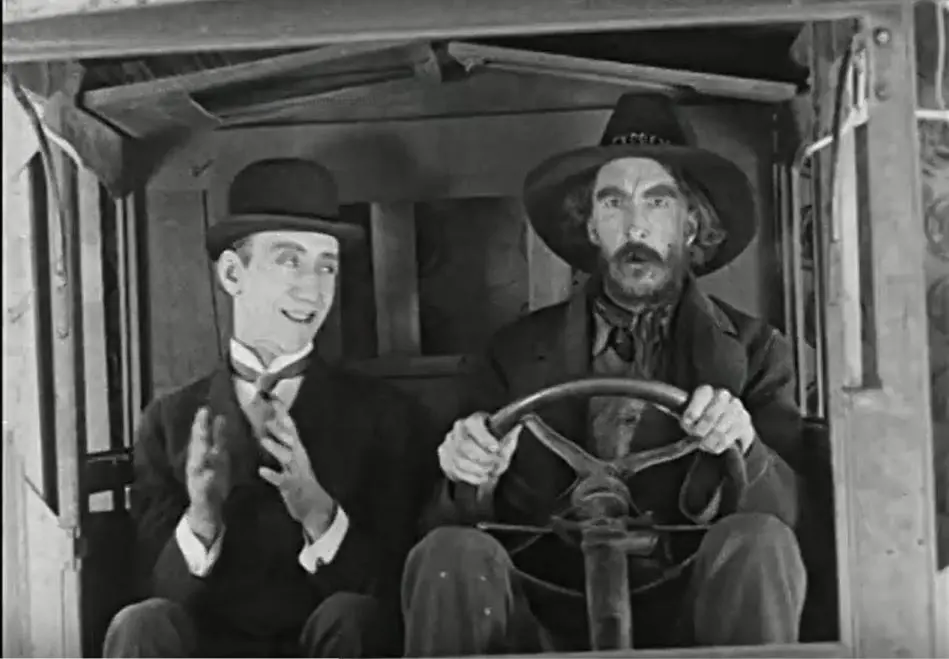
Scene from Fool's Luck
Cinematic perspective: Exploring the visual vocabulary of Fool's Luck (1926) through its definitive frames.
Jack Lloyd, as our unfortunate protagonist, delivers a performance that is a masterclass in physical comedy. His rubbery limbs and expressive face convey a spectrum of emotions, from wide-eyed terror to exasperated resignation. He doesn't just react to misfortune; he embodies it. His falls are convincing, his dodges agile, and his desperate sprints feel genuinely urgent. It's a testament to the physicality required of silent film actors, a demanding art form in itself.
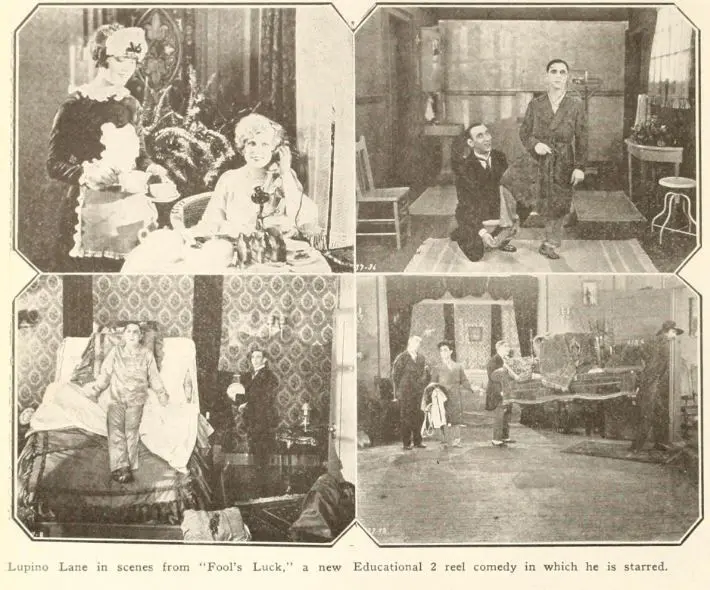
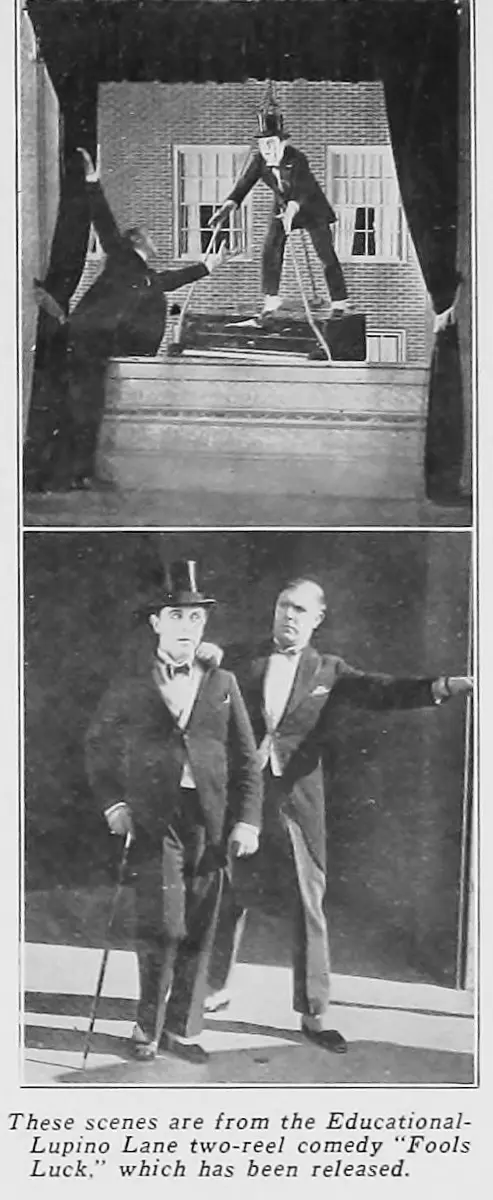
The supporting cast, including the formidable Lupino Lane and Glen Cavender, contribute significantly to the film's chaotic charm. Lane, a renowned acrobat and comedian in his own right, brings an additional layer of precision to the ensemble's physical antics, often appearing as a foil or an unexpected obstacle in Lloyd's path. Their interactions are tightly choreographed, reflecting a stage-trained sensibility that translated seamlessly to the screen.
One particularly impressive sequence involves a multi-person pile-up, a staple of silent comedy, where each actor's reaction and contribution to the escalating chaos is meticulously timed. It's a ballet of pratfalls and near misses, demonstrating a level of coordination that belies the apparent spontaneity. This kind of ensemble work is a hallmark of the period and a joy to behold.
Visual Language of Silence: Cinematography and Pacing
The cinematography in "Fool's Luck" is, by today's standards, straightforward but effective. The camera acts largely as an observer, capturing events from a fixed perspective, allowing the action to unfold within the frame without excessive cutting. This approach, while lacking the dynamic close-ups or sweeping tracking shots of later eras, demands a different kind of engagement from the viewer, forcing attention to the entire visual tableau.
Intertitles are used judiciously, providing essential plot information or punchlines without over-explaining the visual gags. The film trusts its audience to interpret the visual storytelling, a characteristic that often makes silent films incredibly immersive for those willing to lean into their unique rhythm. The stark black and white imagery, even without the tinting common in other silent features, lends a timeless quality to the urban settings.
Scene from Fool's Luck
Cinematic perspective: Exploring the visual vocabulary of Fool's Luck (1926) through its definitive frames.
Pacing, however, is where "Fool's Luck" might divide modern audiences. It's relentlessly fast, almost frantic, from the moment the eviction notice is served. There are few moments of respite, few lingering shots to absorb the emotional weight. This rapid-fire succession of gags and chases can feel exhilarating to some, but exhausting to others. It’s a sprint, not a marathon, and its brevity is both a strength and a potential weakness.
Compared to the more intricate narrative and visual inventiveness of a film like Sherlock Jr., "Fool's Luck" is undeniably simpler. Yet, its raw energy and commitment to pure physical comedy offer a different kind of satisfaction. It’s less about cinematic wizardry and more about the visceral impact of a well-executed pratfall or a perfectly timed chase. It feels more akin to the straightforward, prop-heavy antics seen in films like Dinty, prioritizing immediate laughs over narrative complexity.
Is This Film Worth Watching Today?
Absolutely, for the right audience. "Fool's Luck" holds significant historical value as a foundational piece of silent comedy. It showcases the pure, unadulterated physicality that defined the genre.
It's an excellent example of how early filmmakers, with limited technical means, managed to create compelling and hilarious narratives through sheer performance and clever writing. It offers a window into the comedic sensibilities of nearly a century ago.
However, be prepared for a viewing experience vastly different from contemporary cinema. The humor is broad, the pacing relentless, and the narrative threads are often thin, serving primarily as scaffolding for the gags. It requires an open mind and an appreciation for the historical context.
Pros and Cons
Pros:
Exceptional physical comedy from Jack Lloyd and the ensemble.
Arbuckle's script provides a strong framework for escalating gags.
Historically significant for understanding early slapstick.
Surprisingly resonant themes of resilience and urban struggle.
Fast-paced and energetic, preventing boredom for many.
Cons:
Pacing can feel exhausting and repetitive for modern viewers.
Limited narrative depth beyond the setup for gags.
Technical limitations of the era are apparent (static camera, basic editing).
Humor is broad; not for those who prefer subtle wit.
Short runtime leaves little room for character development.
Key Takeaways
Best for: Silent film enthusiasts, comedy historians, and fans of pure physical humor.
Not for: Viewers seeking complex plots, modern comedic sensibilities, or slow-burn narratives.
Standout element: Jack Lloyd's tireless and incredibly athletic performance, embodying the very spirit of silent slapstick.
Biggest flaw: Its relentless, almost one-note pacing, which, while energetic, can prevent deeper engagement.
The Verdict
"Fool's Luck" is more than just a relic; it's a vibrant, if raw, example of early cinematic comedy. It works. But it’s flawed. Its historical significance and the sheer physical prowess on display are undeniable, offering a fascinating window into the origins of a genre that would define an era. While it won't appeal to everyone, those with an appreciation for film history and the foundational elements of slapstick will find much to admire. It's a punchy, energetic ride that, despite its age, still manages to deliver genuine laughs and a surprising amount of heart.