DbcultAccessing Vault...
Cult Review
Senior Film Conservator
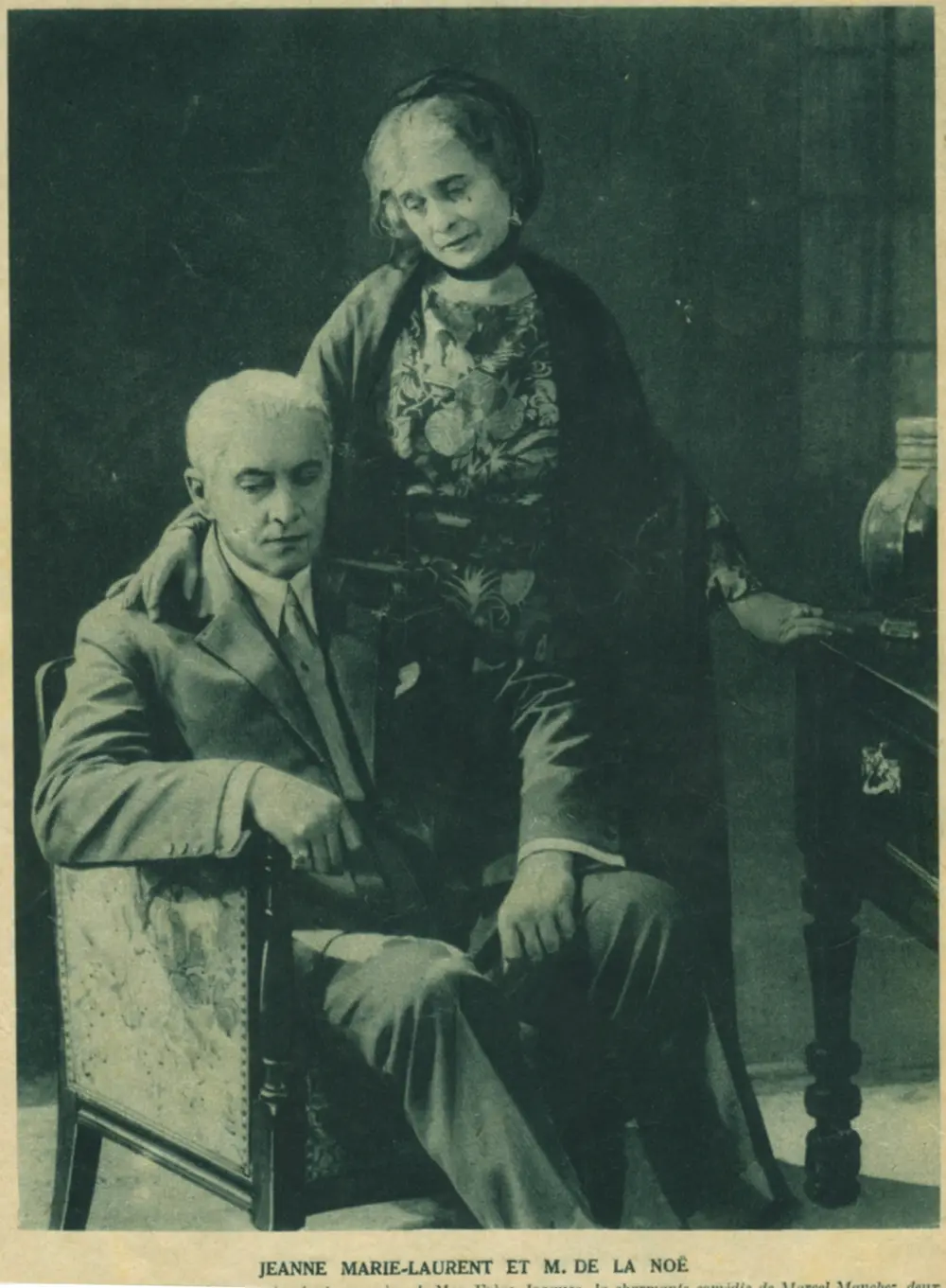
Is Mon frère Jacques a necessary watch for the modern cinephile? Short answer: No, unless you are a dedicated historian of French silent cinema or a glutton for archival melodrama.
This film is for the viewer who enjoys the slow-burn, stage-adjacent dramas of the 1920s, but it is certainly not for anyone seeking the technical innovation found in contemporaries like The Sporting Venus. It is a quiet, often static piece of work that demands a level of patience many modern audiences simply do not possess.
1) This film works because of Enrique Rivero’s hauntingly restrained performance which anchors the family drama.
2) This film fails because the narrative pacing in the second act becomes virtually glacial, losing the emotional momentum built in the opening.
3) You should watch it if you want to see a specific example of how 1920s French cinema treated the concept of patriarchal burden and social class.
At its core, Mon frère Jacques is a film about the crushing weight of responsibility. Jacques is not just a brother; he is a proxy for a lost generation of authority. Unlike the more adventurous spirit seen in films like Pirates of the Air, Manchez’s film keeps its feet firmly on the ground—perhaps too firmly.
The domestic spaces are filmed with a sense of claustrophobia. The camera rarely ventures into the wide-open world, preferring the shadows of the parlor and the dining room. This creates a psychological landscape where every look and gesture carries the weight of a death sentence.
It works. But it’s flawed. The tension is palpable, yet the release never quite arrives with the impact one would hope for in a feature-length production.
Enrique Rivero brings a certain gravitas to the role of Jacques. He avoids the eye-bulging histrionics that plagued many silent performers of the era. Instead, he uses his stillness. In the scene where he confronts Graziella de Baëre’s character regarding a family secret, Rivero says more with a slight tilt of his head than many actors do with a three-page monologue.
The supporting cast, including Odette Sorgia and Dolly Davis, provide adequate foils, though they occasionally slip into the melodramatic tropes that Manchez seems to be trying to avoid. Davis, in particular, has a luminosity that reminds one of the stars in The Love Brokers, yet she is given far less room to breathe here.
The chemistry between the siblings feels genuine, which is the film's saving grace. Without that core believability, the entire structure would collapse under its own solemnity.
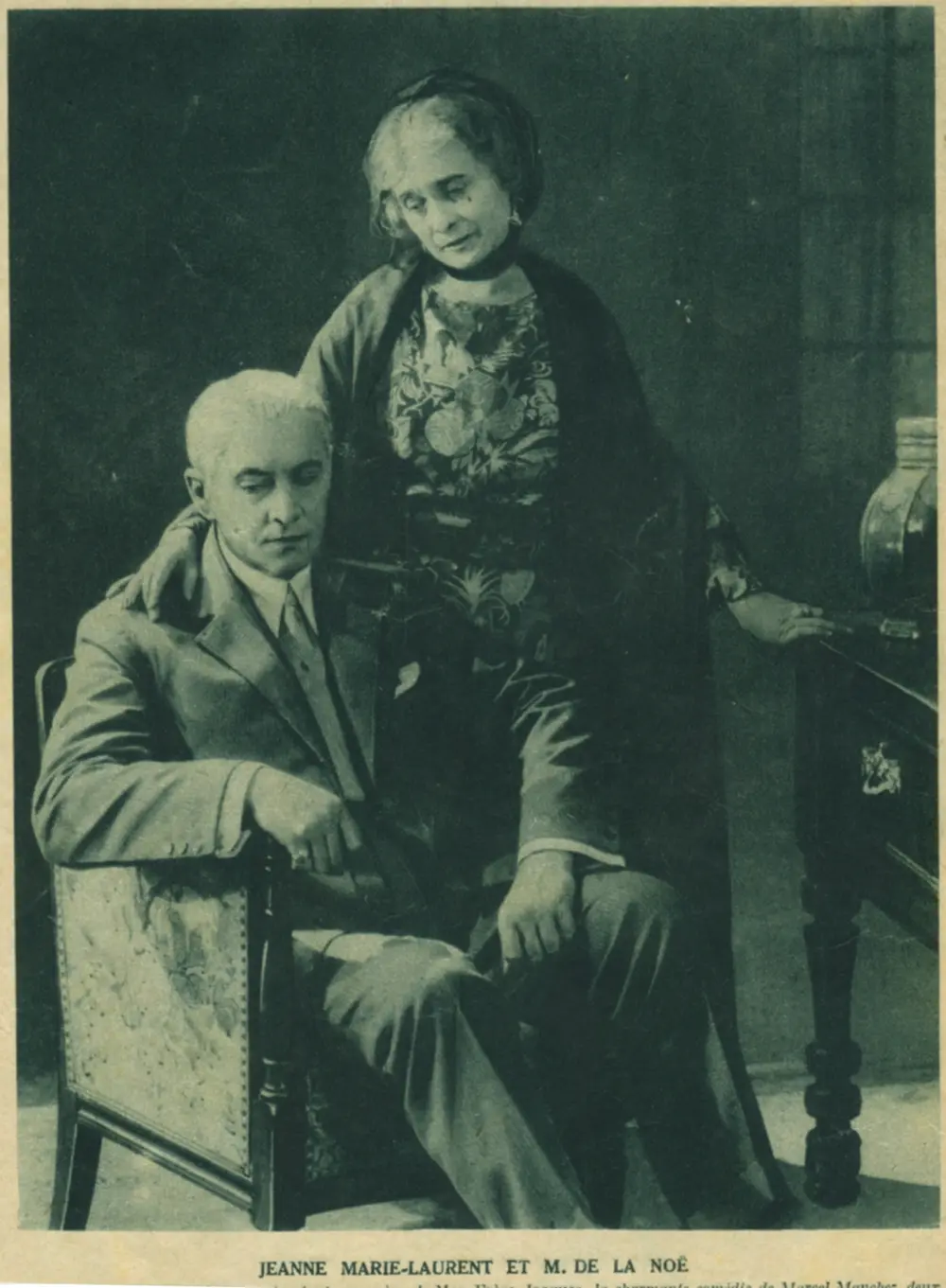
Marcel Manchez was not a revolutionary, but he was a craftsman. His use of lighting in Mon frère Jacques is surprisingly sophisticated for a mid-tier 1926 production. There are moments where the use of shadow across the actors' faces mirrors the moral ambiguity of the plot.
Compare this to the more straightforward lighting found in Half-a-Dollar Bill. Manchez is clearly interested in the texture of the image. However, his framing remains stubbornly theatrical. He treats the screen like a proscenium arch, rarely utilizing the depth of field that directors like Murnau or Lang were mastering at the same time.
This theatricality is the film's biggest hurdle. It feels like a play that happened to be recorded, rather than a story told through the unique language of cinema.
If you are looking for a gripping, fast-paced narrative, the answer is a resounding no. However, if you are interested in the evolution of the domestic drama, Mon frère Jacques offers a fascinating window into the French middle-class psyche of the 1920s.
The film provides a stark contrast to the more sensationalist American dramas of the time, such as Bought and Paid For. Where American cinema often went for the jugular, Manchez goes for the slow ache of the heart. It is a valid artistic choice, even if it results in a less "entertaining" experience by modern standards.
Pros:
Cons:
One thing that struck me about Mon frère Jacques is how much it feels like a precursor to the kitchen-sink dramas of the 1950s. While it lacks the grit of later realism, the focus on the mundane struggles of a single household is quite progressive for 1926. It eschews the grandiosity of historical epics for something much more intimate and, in some ways, much more difficult to pull off.
It is a film that respects the audience's intelligence. It doesn't over-explain every motivation through title cards. It trusts you to watch the faces. That is a rare quality for its time.
Mon frère Jacques is a competent, occasionally moving drama that is ultimately held back by its own formal conservatism. It is a respectable piece of filmmaking that serves as a solid example of the era's output without ever rising to the level of a classic. It’s fine. It’s just not essential.
If you’ve already exhausted the major works of the 1920s and are looking for something that captures the quiet dignity of the French provincial life, give it a look. Otherwise, you might find more excitement elsewhere in the silent archives.
IMDb —
1921
Community
Log in to comment.