DbcultAccessing Vault...
6.8/10
Senior Film Conservator
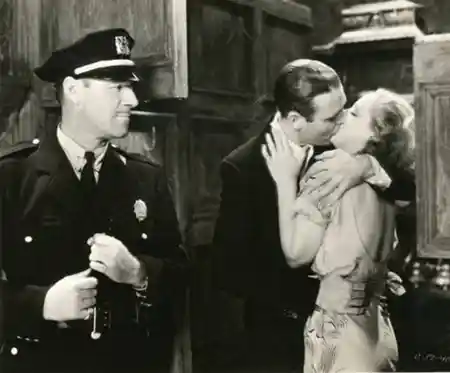
A definitive 6.8/10 rating for a film that redefined the boundaries of cult cinema. A Dangerous Affair remains a cornerstone of transgressive art.
So, is A Dangerous Affair worth digging up today? Well, that depends. If you're someone who loves old Hollywood, the kind of person who enjoys the quiet charm of early talkies, then absolutely. You'll probably get a kick out of this 1931 mystery. But if you're looking for fast-paced action or modern sensibilities, you’ll likely find yourself checking your watch. This one’s for the patient crowd, the ones who appreciate a different rhythm.
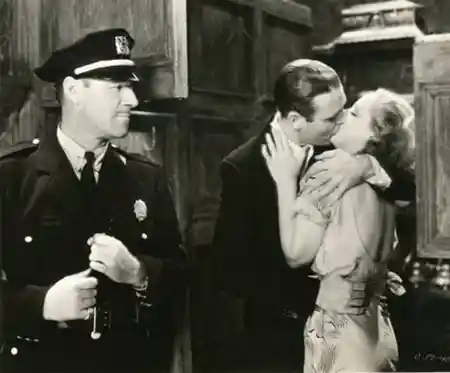
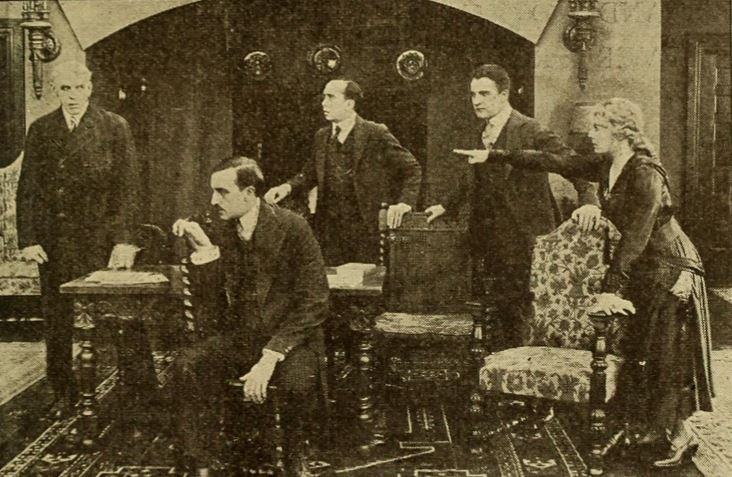
The plot itself is pretty standard for the era: a murder in a fancy house, a limited suspect pool, and a tough-as-nails detective trying to figure it all out. Our central figure is Carol, played by Sally Blane, who finds her aunt dead. Immediately, everyone starts looking suspicious, especially the people who stand to gain from the will. Classic stuff, really.
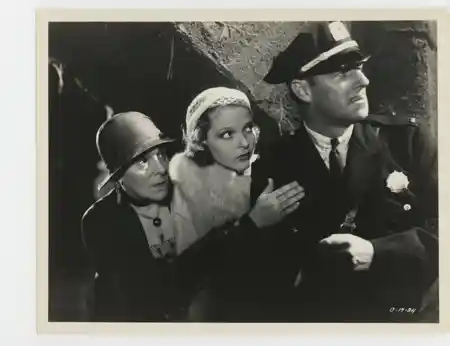
Jack Holt steps in as Detective Lieutenant McHenry, and he’s exactly what you’d expect from a 1930s leading man playing a cop: gruff, a little world-weary, but with a surprising twinkle in his eye when he’s onto something. There’s a scene where he’s interviewing old Mr. Henderson, the family lawyer, and he just keeps staring at Henderson’s cufflinks. It goes on for a bit, almost like McHenry is trying to hypnotize him or something. It felt… long. But also kind of neat? Like he was really *looking* for a tell.
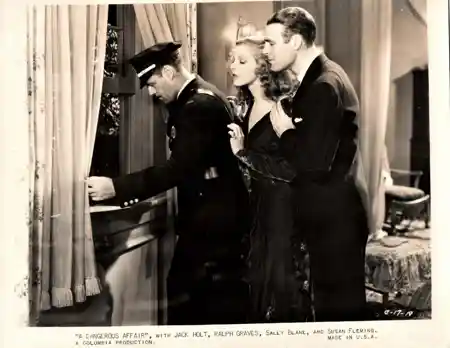
The dialogue here, oh boy. It’s very much of its time. People speak in full, perfectly constructed sentences even when they're arguing. "I assure you, my dear, your accusations are entirely unfounded!" is a common flavor. Sometimes it adds to the charm, other times it makes a heated exchange feel a bit stiff. You can almost feel the actors trying to hit their marks and project for the camera, which makes sense for early sound films.
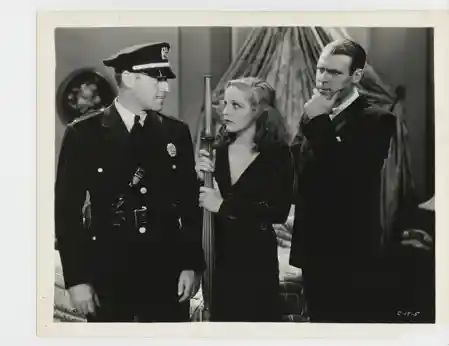
One thing that kept catching my eye was the lighting. In several of the interior scenes, especially in the drawing room where most of the questioning happens, there’s this really stark contrast. Like, half a face will be perfectly lit, and the other half in deep shadow. It’s dramatic, sure, but it also makes you wonder if they just had one giant lamp they moved around. 💡
Sally Blane, as Carol, does a good job of looking distressed without ever quite losing her composure. She cries a few times, but it’s always a very *neat* cry, if you know what I mean. Her hair stays perfect. Her performance gets noticeably better once her character stops being just a victim and actually starts poking around for clues herself. You see a bit more spark there.
There's a moment toward the middle where the police are re-enacting the crime, and the maid, played by Blanche Friderici, is asked to show where she found the body. She moves with such a strange, almost robotic precision, it's like she's been practicing it for days. It was just a tiny detail, but it really stuck with me. You can tell they filmed it a few times to get it right. It's a little unsettling.
The pacing is… well, it’s 1931. Some scenes drag a bit, like that cufflink bit. Then suddenly, something happens, and it’s over in a flash. The big reveal at the end feels a little rushed after all the slow build-up. But hey, it keeps you guessing, even if the "clues" sometimes feel like they just appear out of nowhere. You can tell they were trying to throw you off track.
Overall, A Dangerous Affair is a neat peek into a specific kind of old Hollywood filmmaking. It's not going to blow anyone away with its originality or groundbreaking visuals, but for those who enjoy the specific quirks of pre-Code cinema, it’s a perfectly serviceable way to spend an hour. Just go in knowing you’re in for a different kind of movie experience. It’s got that old-timey charm that you either love or you don't. And that’s okay!
IMDb 6
1929
Community
Log in to comment.