DbcultAccessing Vault...
Cult Review
Senior Film Conservator
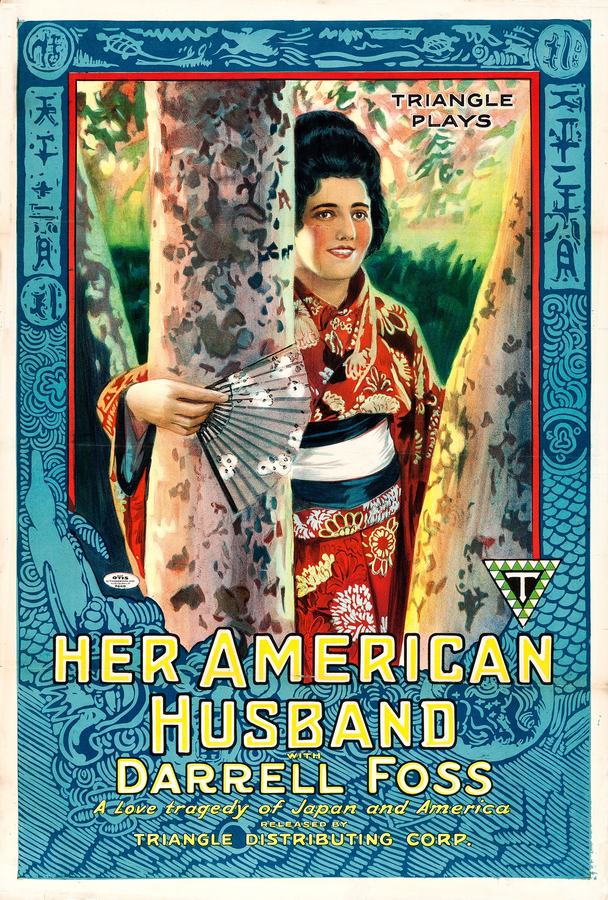
In the annals of silent cinema, certain films resonate not merely for their narrative ingenuity but for their audacious exploration of societal mores and the frequently harrowing collisions of disparate cultures. Her American Husband, a compelling 1917 drama penned by E. Magnus Middleton, stands as a stark, often brutal, testament to the perils of superficiality, unchecked privilege, and the devastating consequences of cultural insensitivity. It is a work that, even a century later, retains a poignant, almost visceral, power, compelling viewers to reflect on themes of identity, loyalty, and the tragic pursuit of an ill-conceived destiny.
The narrative unfurls with the introduction of Herbert Franklyn, portrayed with a captivating blend of charm and moral lassitude by Darrell Foss. Herbert is the privileged heir to a lucrative imported goods empire, a man whose existence is seemingly defined by an unquenchable thirst for hedonistic pursuits and a cavalier disregard for conventional propriety. His engagement to Miriam Faversham (Kathleen Emerson) proves a transient impediment to his sybaritic lifestyle, swiftly dissolving as his incorrigible philandering continues unabated. This initial exposition masterfully establishes Herbert as a character inherently flawed, a man whose superficial allure masks a profound lack of integrity, setting the stage for the tragic events that are to follow.
The film then transports us to Japan, a land depicted with an exotic allure that, while perhaps tinged with the orientalist gaze prevalent in early 20th-century Western cinema, serves as a crucial backdrop for the story's central conflict. It is here, amidst the firm's annual business pilgrimage, that Herbert encounters the exquisite Cherry Blossom, brought to life with a delicate, heart-rending performance by Misao Seki. Cherry Blossom is not merely a figure of beauty; she is a vessel of tradition, loyalty, and profound inner conflict. Her father, Tokimasa (Kisaburô Kurihara), a man of stern countenance and unwavering conviction, harbors a deeply ingrained, almost obsessive, desire for his daughter to marry a Westerner. This aspiration, born perhaps of a misguided belief in the prestige or advancement such a union might confer, becomes the fulcrum upon which Cherry Blossom's fate precariously balances.
Her heart, however, belongs unequivocally to Kato Nakamura (Ludwig Lowry), a man whose quiet dignity and steadfast devotion stand in stark contrast to Herbert’s volatile nature. Lowry imbues Kato with a profound sense of pathos, making his unrequited love a central, agonizing thread throughout the narrative. Despite the profound emotional chasm separating her desires from her father's decree, Cherry Blossom, bound by the unyielding tenets of filial piety, makes the ultimate sacrifice: she acquiesces to Tokimasa's wishes, forsaking her true love and embarking on a transatlantic journey to New Rochelle as Herbert’s wife. This pivotal decision, born of duty rather than affection, is the tragic catalyst, sealing the fates of all involved in a web of sorrow and eventual violence. It's a poignant echo of the sacrifices depicted in films like A Wife's Sacrifice, where personal happiness is subjugated to external pressures, albeit with a unique cultural overlay here.
Upon their arrival in America, the fragile veneer of Herbert's supposed reformation swiftly crumbles. His ingrained habits, his relentless pursuit of gaiety and female companionship, resurface with an alarming rapidity, casting Cherry Blossom into a profound and debilitating solitude. Misao Seki’s portrayal of Cherry Blossom's mounting loneliness and despair is particularly affecting, conveyed through subtle gestures, downcast eyes, and an overall air of increasing fragility. She is an alien in a strange land, married to a man who, despite his vows, treats her as little more than a trophy, a fleeting diversion. Her isolation is not merely physical but deeply emotional, a tragic consequence of a union founded on convenience and cultural aspiration rather than genuine affection or mutual respect.
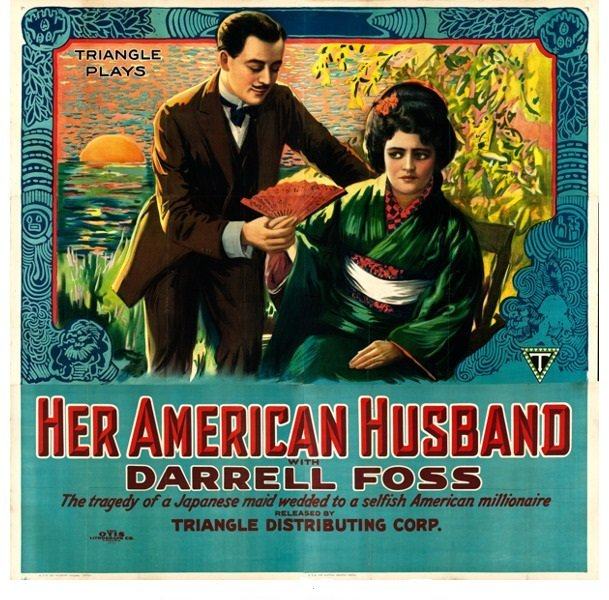
The film's dramatic tension escalates with Kato Nakamura's premonitory vision of Cherry Blossom's unhappiness. This psychic connection, a device often employed in silent films to heighten emotional stakes and foreshadow impending doom, provides the impetus for Kato and Tokimasa to journey to America. Their arrival marks the beginning of the narrative's inexorable descent into tragedy. Kisaburô Kurihara’s Tokimasa, initially a figure of patriarchal authority, transforms into an instrument of grim justice, driven by a profound sense of honor and a crushing realization of the misery he has inadvertently inflicted upon his daughter. His final, desperate act—the strangulation of Herbert, followed immediately by his own suicide—is a shocking, brutal culmination of the film's simmering tensions, a violent assertion of justice and a desperate plea for cultural redemption.
E. Magnus Middleton's direction, while perhaps constrained by the technological limitations and narrative conventions of the era, skillfully navigates the complex emotional landscape of the story. The film's strength lies in its ability to convey profound emotion through visual storytelling and the expressive performances of its cast. Darrell Foss, as Herbert, manages to elicit both disdain and, at times, a fleeting sense of pity for his character's ultimate downfall. His lack of self-awareness and moral compass is consistently portrayed, making his eventual demise feel like an inevitable consequence rather than a sudden, unearned tragedy. Misao Seki, on the other hand, carries the emotional weight of the film, her silent suffering a powerful indictment of the patriarchal structures and cultural misunderstandings that dictate her fate. The contrast between her quiet stoicism and Herbert’s boisterous indifference is a central dramatic pillar.
The thematic richness of Her American Husband is undeniable. It delves deep into the complexities of cross-cultural relationships, exposing the inherent dangers when such unions are predicated on anything less than genuine understanding and mutual respect. The film serves as a potent critique of Western arrogance and the naive assumption that cultural assimilation can be achieved through mere proximity. Tokimasa’s desire for a Western husband for his daughter, while perhaps well-intentioned, ultimately proves disastrous, highlighting the tragic consequences of imposing one’s desires onto another, especially when those desires are rooted in a superficial understanding of another culture. This theme of misguided ambition and its devastating fallout resonates with the moral complexities explored in films like The Grasp of Greed, where character flaws lead to inevitable ruin.
Moreover, the film implicitly comments on the subjugation of women in both Japanese and American societies of the time. Cherry Blossom's lack of agency, first under her father's will and then under her husband's neglect, underscores the limited choices available to women, particularly those navigating unfamiliar cultural terrains. Her ultimate fate is a stark reminder of the vulnerability of individuals caught between conflicting loyalties and societal expectations. The narrative doesn't offer easy answers or simple resolutions; instead, it presents a grim, unvarnished portrayal of the human cost of cultural collision and personal depravity.
While not as widely remembered as some of its contemporaries, Her American Husband occupies a significant, if somber, place in the history of silent cinema. Its unflinching depiction of tragedy, its exploration of cultural misunderstanding, and its powerful performances contribute to a work that transcends mere melodrama. Unlike the more intricate, plot-driven narratives such as Seven Keys to Baldpate, this film prioritizes character study and thematic depth, allowing the emotional arc to drive the story rather than relying on suspenseful twists. The film’s dramatic conclusion, while shocking, feels earned, a culmination of the characters' choices and the inexorable forces of fate they have set in motion. It's a testament to E. Magnus Middleton's writing that such a dramatic resolution feels not gratuitous, but tragically inevitable, a final, desperate act in a play of profound cultural and personal despair.
The film's impact lies in its raw emotional honesty and its willingness to confront uncomfortable truths about human nature and cross-cultural interactions. It challenges the audience to look beyond superficial appearances and consider the profound implications of individual actions within a broader societal context. The performances, particularly from Misao Seki and Kisaburô Kurihara, lend the film an authenticity that elevates it beyond a simple morality tale. Their nuanced portrayals of characters caught in an impossible bind resonate deeply, making their plight feel genuinely tragic. The film’s lasting legacy is its bold, albeit grim, examination of the human condition, reminding us that true understanding and respect are the only foundations upon which enduring relationships, whether personal or cultural, can be built. A truly powerful, if devastating, cinematic experience.
IMDb 5.8
1914
Community
Log in to comment.