DbcultAccessing Vault...
6.4/10
Senior Film Conservator
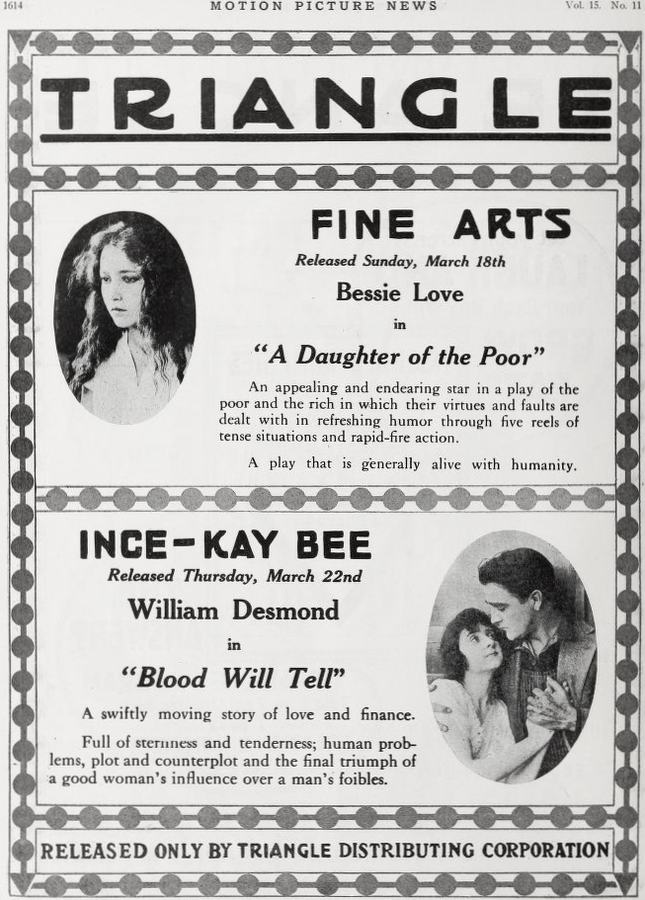
A definitive 6.4/10 rating for a film that redefined the boundaries of cult cinema. A Daughter of the Poor remains a cornerstone of transgressive art.
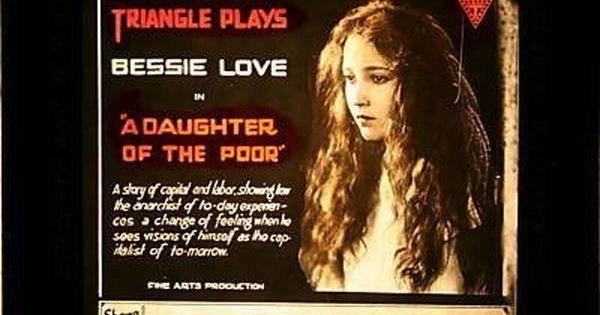
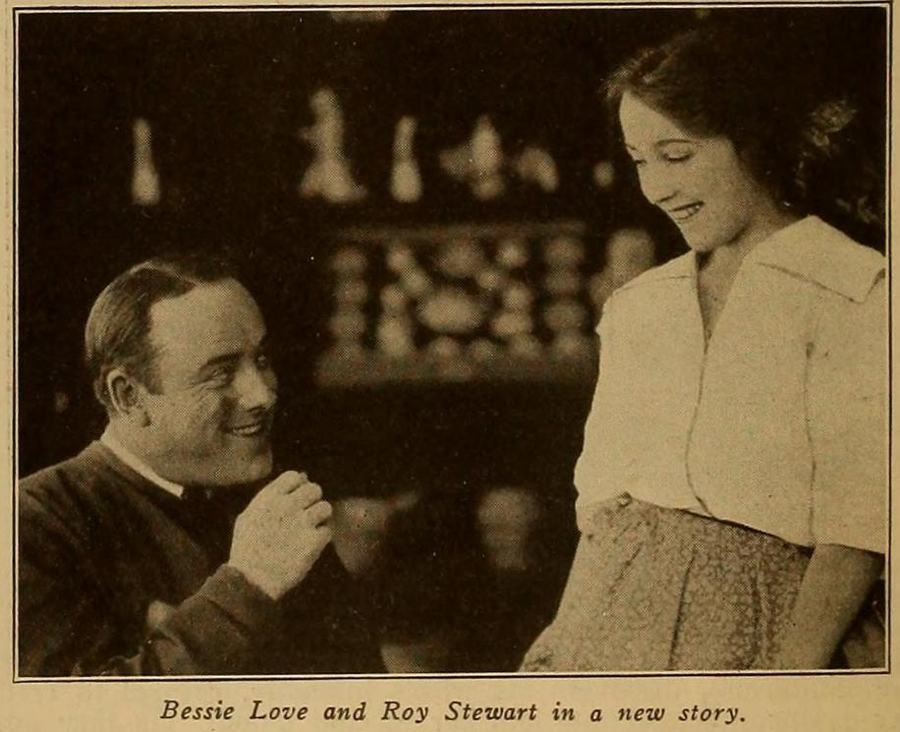
The first time we see Rose Eastmen she is a smudge of movement at the edge of the frame, half-erased by the nickelodeon flicker that once upon a time stood in for moonlight. Bessie Love—barely twenty, eyes wide as trolley tokens—lets the camera gorge on her face until poverty itself becomes a form of radiance. Director William C. deMille (yes, Cecil’s elder, quieter brother) refuses to enshrine her in the porcelain saintliness Mary Pickford trafficked; instead he smears coal dust on her cheekbones, lets a broken tooth glint when she laughs. The result is a heroine who looks like she could steal your wallet and then apologize for the inconvenience.
Anita Loos’s intertitles crackle with the same slang she later weaponized in Gentlemen Prefer Blondes. When Rose scrawls an illiterate mash-note to the man she believes is a fellow wage-slave, Loos gives us: “I luv yoo mor than a day off wiv pay.” The line is funny until you realize it is the only love letter she will ever write, and that the paper is lifted from her uncle’s mop bucket. In that moment the film announces its secret engine: every tenderness is pilfered, every grand idea second-hand.
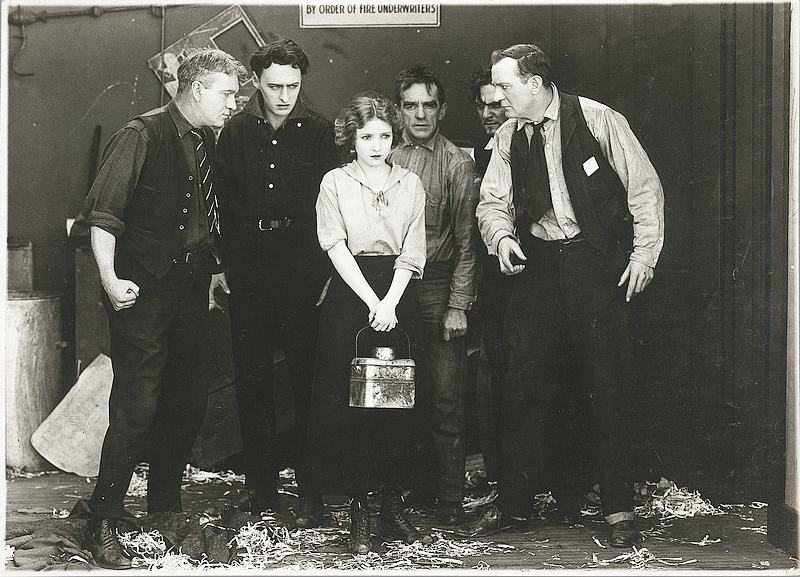
Contrast this with the way DeMille staged Madame Du Barry the same year—velvet orgies lit like sacraments—and you understand how radical A Daughter of the Poor really is. Where Du Barry reclines on gilt chaise lounges, Rose makes love on a loading dock amid the vinegar stink of printer’s ink. The class tension is not a decorative backdrop; it is the plot’s vertebrae, bending every scene into a question mark.
George Beranger’s Rudolph Creig arrives like a scarecrow animated by resentment. His cheekbones could slice bread; his eyes carry the hollow sheen of someone who has read Marx by candlelight and never laughed since. Beranger—an Australian émigré who would later play the giggling assassin in The Man Who Laughs—gives the socialist scribe a twitchy majesty. Watch the scene where he first fingers the royalty check: his pupils dilate like a junkie’s, and for three seconds you expect him to snort the ink. Loos lets the moment dangle until the laugh catches in your throat.
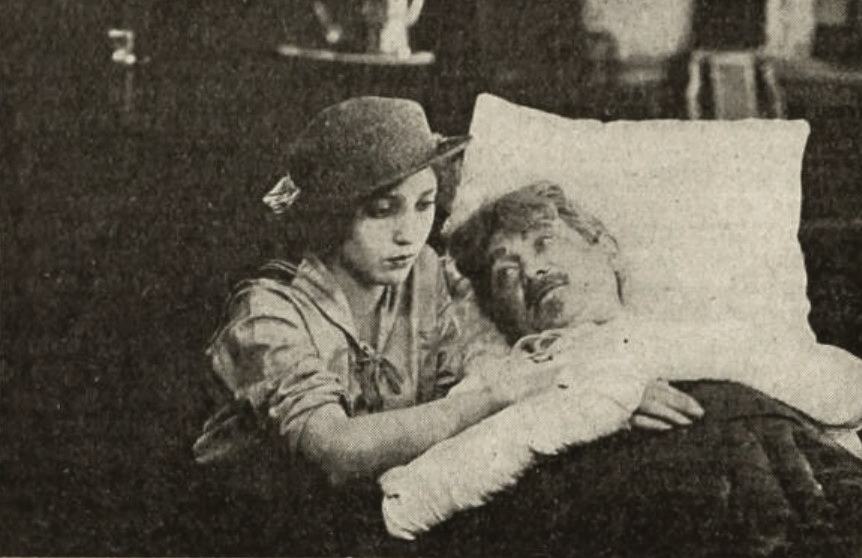
Roy Stewart’s Jack Stevens, by contrast, is silk over steel. The performance is built on micro-gestures: the way he polishes a carburetor as if it were a Fabergé egg, the half-second hesitation before he admits his surname. When Rose finally discovers his pedigree, the film drops its piano score to near silence; we hear only the clack of the printing presses downstairs, churning out the very manifestos that damn him. Stewart lets shame seep across his face like iodine, and the scene achieves the emotional violence that The Burglar chased two years later but never quite grasped.
Cinematographer L. Guy Wilky—who cut his teeth shooting Los Angeles wildfires for newsreels—bathes the tenement interiors in a sodium glow that makes skin look edible. Note the sequence where Rose and Jack ride a streetcar through the night: the windows become stroboscopic frames, each flash revealing a different socio-economic tableau—doughboys shipping out, society dames in ostrich plumes, a newsboy hawking Creig’s tract. The montage predates Soviet kino-fist by four years, yet it pirouettes rather than punches, a waltz of electric shadows.
The film’s most subversive coup arrives when Creig’s book—once a hand-stapled zine passed in whispers—becomes a best-seller. Capitalism swallows its critic whole, then mints him. Loos refuses to sermonize; instead she stages a ballroom sequence where Creig, now in tailored tails, watches debutantes quote his own incendiary lines between sips of champagne. The ironies stack like champagne flutes, teetering but never toppling into farce. Mae Giraci’s bit part as a chorus girl memorizes the entire manifesto to impress a suitor; when she recites it in a baby-doll lisp, the revolution dies of co-option right before our eyes.
Bessie Love’s ultimate close-up comes at the altar, veil made of curtain lace, eyes glistening with something too complex for triumph. DeMille shoves the lens so near that each pore becomes a lunar crater. You expect a tear; instead she smiles—small, crooked, devastating. It is the smile of someone who has bartered her anger for security and is still calculating the interest. The film freezes on that smile, no iris-out, no The End. The projector clicks like a death rattle, and the audience is exiled into the lobby before we know whether the transaction was worth it.
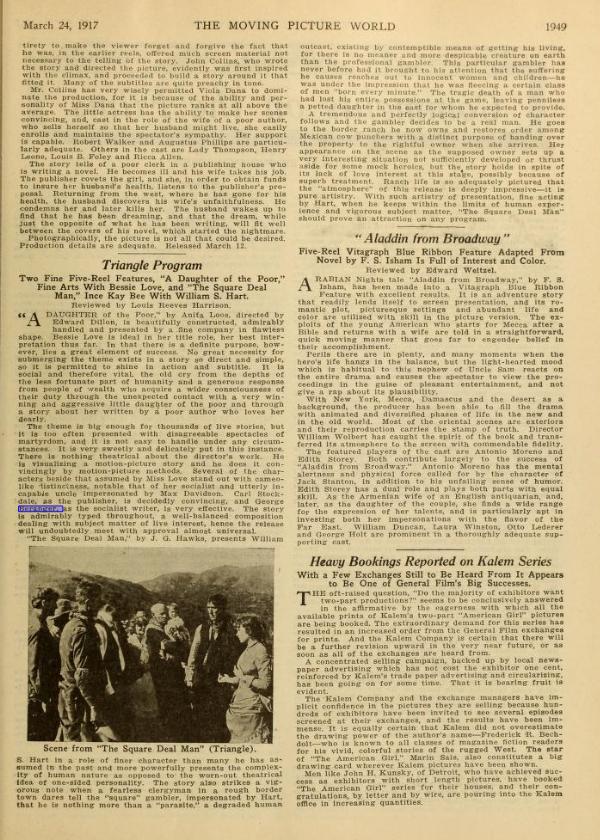
Historians often lump A Daughter of the Poor with the flurry of proletarian melodramas that limped after Griffith’s Bread Upon the Waters, yet the comparison wilts. Loos’s screenplay is too sly, too drunk on its own contradictions. Where Jim Grimsby’s Boy moralizes that virtue transcends class, Loos intimates that virtue is just another commodity with a price tag. The film ends in marriage, yes, but the nuptials feel like a hostage exchange.
Restoration-wise, the 2018 Library of Congress 4K scan is a revelation. The nickel-toned grayscale now breathes; you can read the expiration date on a milk bottle in the background of shot 112. The original Descriptive Orchestra score—reconstructed by musicologist Martin Marks—leans into tango rhythms that underscore the film’s erotic tug-of-war. Listen for the moment when the bandoneón slides into a minor key as Rose pockets Creig’s ring: the sound of a trap snapping shut.
Contemporary resonance? In an era where eat-the-rich tweets coexist with billionaire-branded athleisure, the film’s central paradox feels freshly minted. Rose’s arc—from class rage to bridal chiffon—mirrors every influencer who monetizes dissent. Creig’s royalty check prefigures every punk rocker who ends up scoring cruise-ship commercials. The picture is a prophecy wearing spats.
If you crave further silent-era class warfare after this, chase down The Auction Block (1917) for its savage send-up of marriage-as-merchandise, or The Marked Woman (1920) for a proto-noir spin on the same themes. But return to A Daughter of the Poor when you want your heart broken with surgical elegance. Just don’t expect catharsis; Loos withholds it like back rent.
Final note: the film survives only because a projectionist in Butte, Montana, stashed a 35mm nitrate print inside a disused mining shaft, believing—correctly—that the studio would torch its own archives during the talkie transition. Sometimes history is curated by packrats, not curators. Watch it while you can; capitalism is still hungry, and nitrate won’t forgive forever.

IMDb 2.1
1917
Community
Log in to comment.