DbcultAccessing Vault...
6/10
Senior Film Conservator
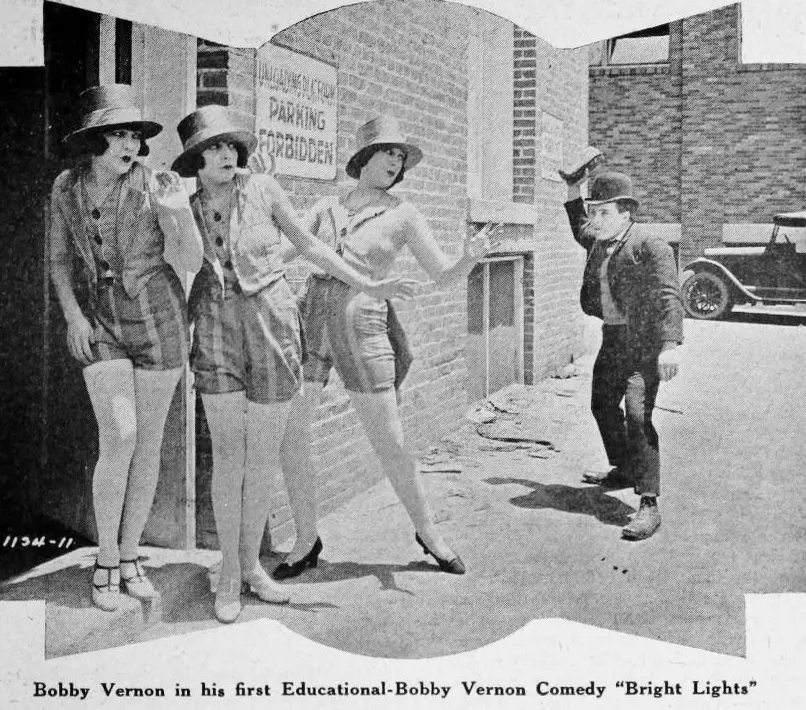
A definitive 6/10 rating for a film that redefined the boundaries of cult cinema. Bright Lights remains a cornerstone of transgressive art.
In the effulgent world of silent cinema, a plethora of comedic gems have endured, captivating audiences with their ingenious blend of slapstick humor and sophisticated wit. Among these, 'Bright Lights' (1920) stands as a testament to the genre's enduring appeal, offering a riotous escapade replete with mistaken identities, sartorial subterfuge, and a healthy dose of romantic intrigue.
The film's narrative, penned by Frank Roland Conklin, revolves around Jay Belasco, a fastidious city gentleman whose life is turned upside down by a cunning ruse. Belasco's character, redolent of the archetypal 'city chap', is initially presented as a somewhat one-dimensional figure, whose fastidious nature is expertly exploited by the cabaret dancer, Evelyn Francisco.
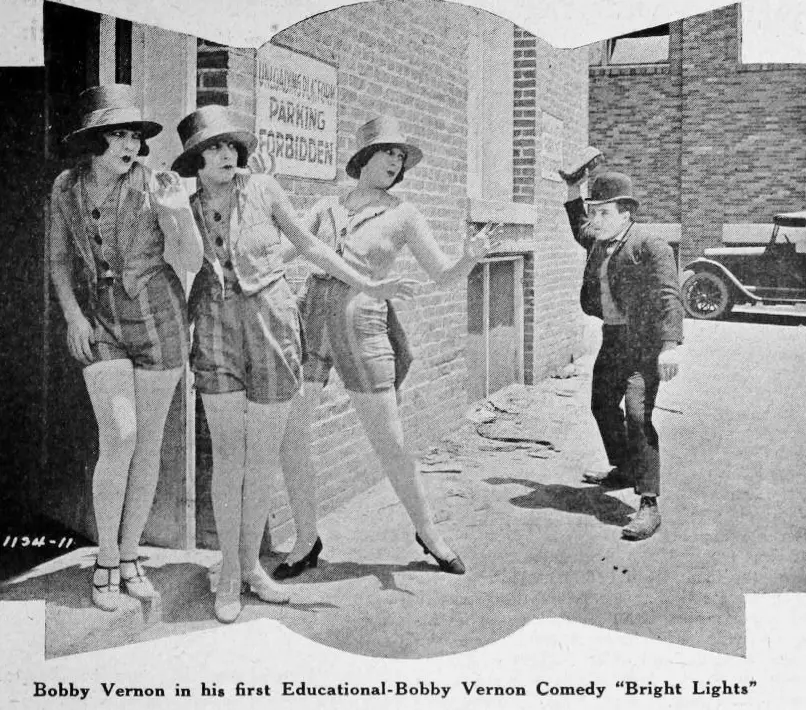
Francisco's character, meanwhile, embodies the free-spirited, bohemian ethos of the cabaret world, effortlessly navigating the porous boundaries between reality and performance. Her decision to 'kid' Belasco, persuading him to accompany her to the cabaret in outlandish 'rube' attire, serves as the catalyst for a series of events that rapidly spiral out of control.
The comedic synergy between Belasco and Francisco is undeniably one of the film's greatest strengths, as they engage in a series of witty repartees and hilarious misadventures. Their on-screen chemistry is palpable, imbuing the film with a lively, effervescent quality that proves utterly captivating.
In terms of thematic resonance, 'Bright Lights' touches upon the notion of identity and its malleability. Through Belasco's sartorial transformations, the film highlights the fluidity of self-presentation, demonstrating how externals can be manipulated to create an entirely new persona.
This motif of identity flux is reminiscent of other silent comedies, such as The Crow's Nest (1920) and Három hét (1920), which similarly explored the comedic potential of mistaken identities and disguise. However, 'Bright Lights' distinguishes itself through its particularly adept use of visual humor and slapstick, which imbues the film with a frantic, anarchic energy.
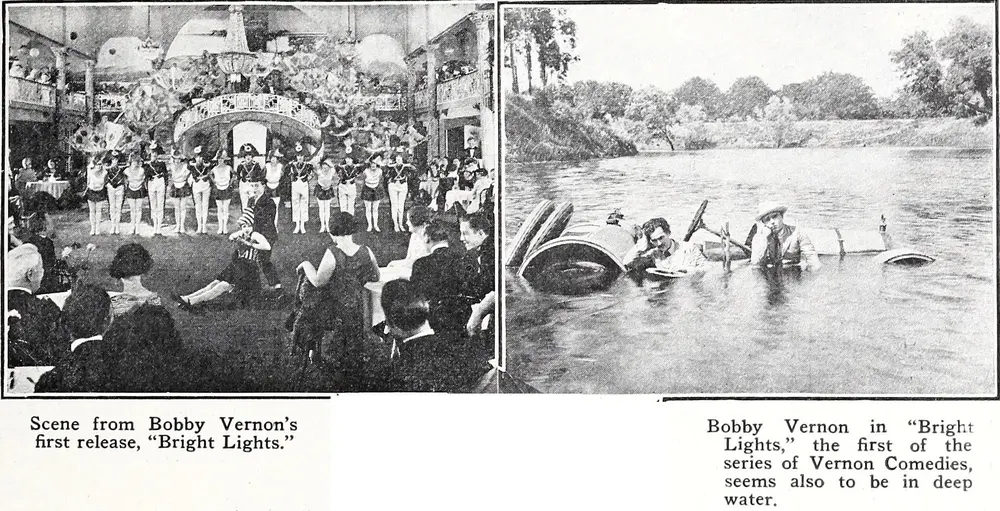
In evaluating the film's technical merits, it is noteworthy to consider the ingenious use of costume and mise-en-scène. The vivid cabaret settings, replete with flapper girls and dapper gentlemen, provide a vibrant backdrop for the hilarious events that unfold.
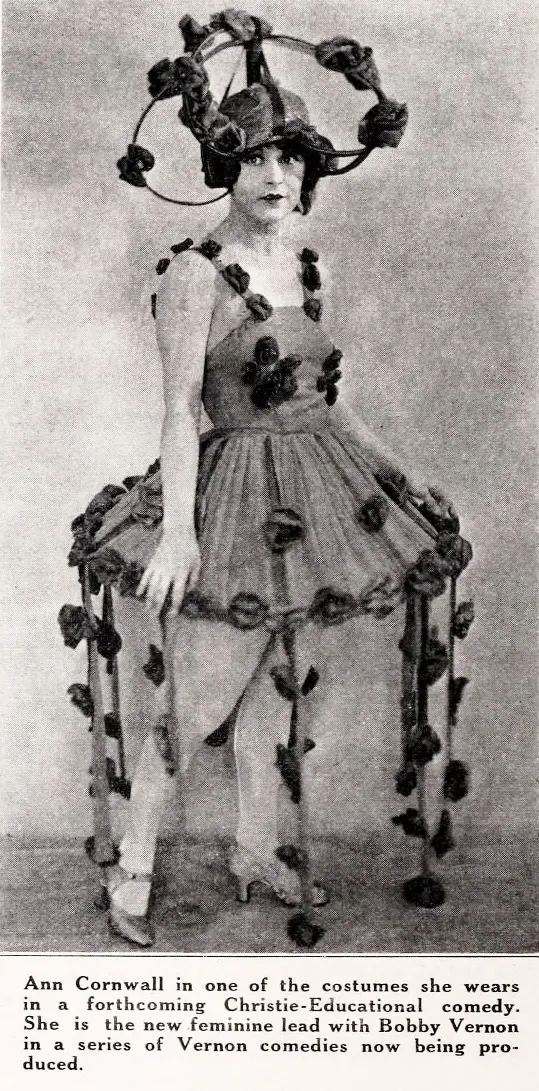
Furthermore, the supporting cast, featuring Anne Cornwall, Bobby Vernon, and Anita Garvin, add to the film's comedic texture, their expertly timed performances heightening the overall entertainment value.
In conclusion, 'Bright Lights' is a delightful comedic romp, characterized by its ingenious plot, superb performances, and expert technical execution. For those interested in exploring the rich world of silent cinema, this film is an excellent starting point, offering a hilarious and enthralling viewing experience that is sure to leave audiences enthralled.
Comparable films, such as The On-the-Square Girl (1921), The Champeen (1925), and The Runaway (1926), share similar themes and comedic elements, underscoring the enduring appeal of the silent comedy genre.
IMDb —
1914
Community
Log in to comment.