DbcultAccessing Vault...
7.3/10
Senior Film Conservator
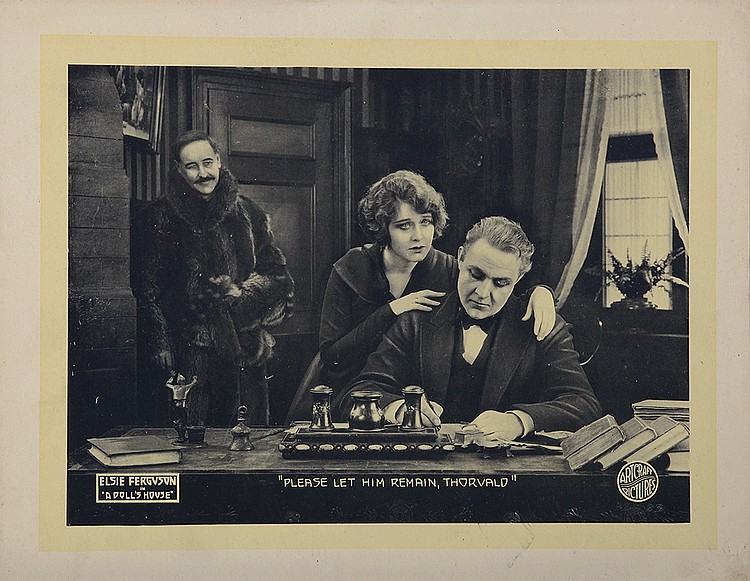
A definitive 7.3/10 rating for a film that redefined the boundaries of cult cinema. A Doll's House remains a cornerstone of transgressive art.
When one thinks of A Doll’s House, Henrik Ibsen’s 1879 play often dominates the conversation. Yet the 1918 silent film adaptation, directed by Maurice Tourneur and co-written with Charles Maigne, carves out its own identity. This version, while retaining the core premise of a woman’s forgery and its repercussions, diverges in tone and visual storytelling. It’s a film that marries the era’s emerging cinematic techniques with a narrative steeped in existential tension, making it a compelling artifact of early 20th-century cinema.
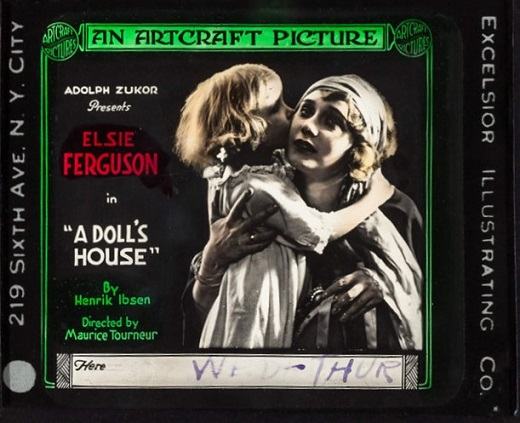
Henrik Ibsen’s original play is a cornerstone of modern drama, known for its progressive themes of gender autonomy. The 1918 adaptation, however, leans into the legal and moral ambiguities of its protagonist’s actions. The story follows a woman (expertly portrayed by Baby Ivy Ward) who forges her father’s signature to secure financial stability for her family, a decision that spirals into a web of lies. Unlike Ibsen’s娜拉, who seeks self-realization through her exit, this protagonist is ensnared by the societal structures she sought to evade. The film’s twist lies in its refusal to romanticize her rebellion, instead dissecting the cold calculus of her choices.
Director Maurice Tourneur’s approach to the material is nothing short of masterful. The film’s use of shadow and light is particularly striking. In one pivotal scene, the protagonist’s forgeries are framed in stark contrasts—her pen gliding under a flickering lamp, the ink blots resembling bloodstains on parchment. These visual motifs echo the moral ambiguity of her actions. The cinematography, though constrained by the technical limitations of the era, achieves a poetic realism that lingers in the viewer’s mind. When compared to contemporaries like Oliver Twist, the film’s austerity feels deliberate, a choice to emphasize internal states over external spectacle.
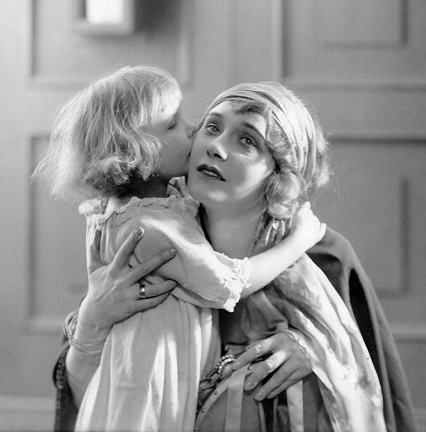
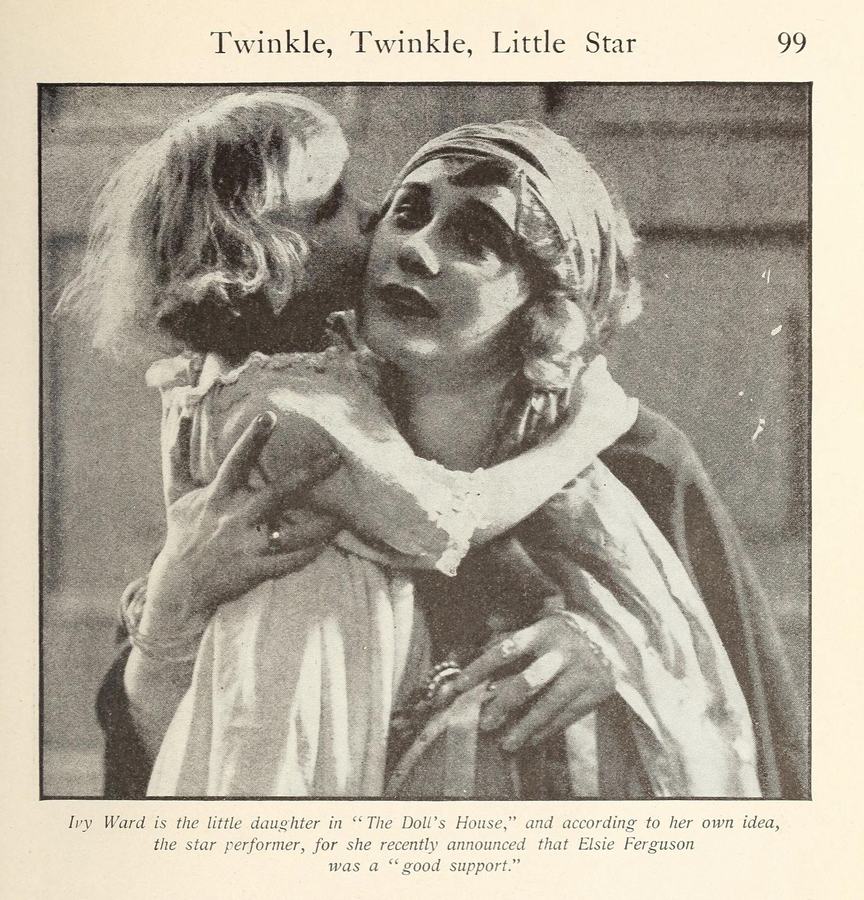
Baby Ivy Ward’s portrayal of the protagonist is a study in restraint. Her subtle glances and hesitant gestures convey a woman torn between duty and defiance. Supporting actors like Ethel Grey Terry and Elsie Ferguson add layers to the narrative, their performances grounded in the era’s theatrical conventions yet imbued with a rawness that transcends time. The chemistry between Ward and Charles Crompton, who plays her antagonistic legal adversary, crackles with subtextual tension. Their dialogue scenes, though sparse, are laden with implication—a hallmark of silent film’s reliance on subliminal cues.
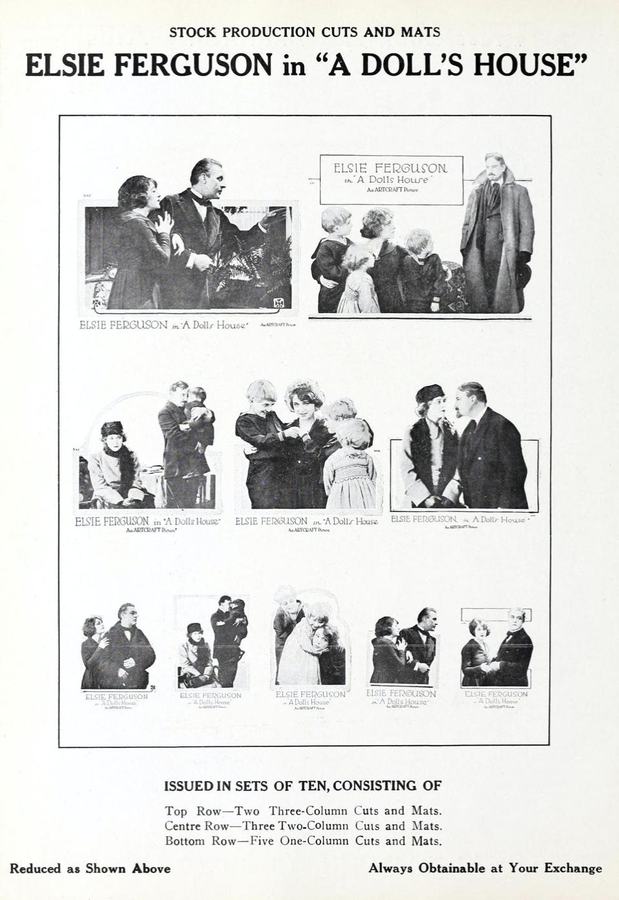
What sets this adaptation apart is its non-linear narrative structure. The film intercuts the protagonist’s present predicament with flashbacks of her father’s stern visage, his ghostly presence a constant reminder of the authority she seeks to dismantle. This technique, reminiscent of The Tenth Case’s fragmented timelines, serves to underscore the inescapability of inherited systems. The film’s climax—where the protagonist’s forgery is exposed—avoids melodrama. Instead, it opts for a quiet, almost clinical resolution, mirroring the cold logic of the legal framework that crushes her.
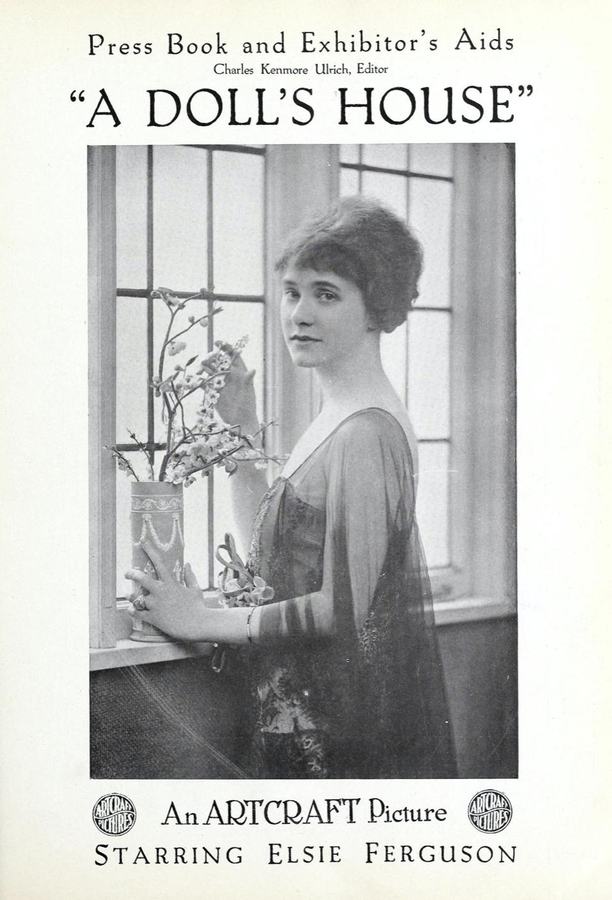
In the pantheon of silent films, A Doll’s House occupies a unique space. Its exploration of gender roles and institutional power dynamics prefigures later works like The Other Girl and Vem sköt?, yet its stylistic choices remain distinct. The absence of intertitles in key scenes forces the audience to engage with the visual metaphors—ink as blood, doors as thresholds of fate. This minimalism, coupled with the haunting score (a rare but effective addition for the era), creates an atmosphere of inevitability, as if the protagonist’s fate was sealed the moment she first touched the pen.
Though the 1918 adaptation may not have achieved the same cultural ubiquity as Ibsen’s play, its contributions to early cinema are undeniable. The film’s treatment of forgery as both a personal and systemic issue resonates with modern audiences grappling with issues of identity and autonomy. Its influence can be traced in later works like Treason, where the tension between individual ethics and collective codes is similarly dissected. For scholars and cinephiles, this film is a treasure trove of early narrative experimentation, offering insights into the evolving interplay between literature and cinema.
A Doll’s House (1918) is more than a film; it’s a mirror held up to the societal constructs of its time—and ours. Its protagonist’s journey, though rooted in a bygone era, speaks to universal struggles of agency and consequence. While the acting and direction may not have aged perfectly in every frame, the film’s thematic depth and visual ingenuity ensure its place as a seminal work in the silent film canon. For those willing to delve beyond the surface, it offers a rich tapestry of meaning, waiting to be unraveled.
IMDb —
1926
Community
Log in to comment.