DbcultAccessing Vault...
Cult Review
Senior Film Conservator
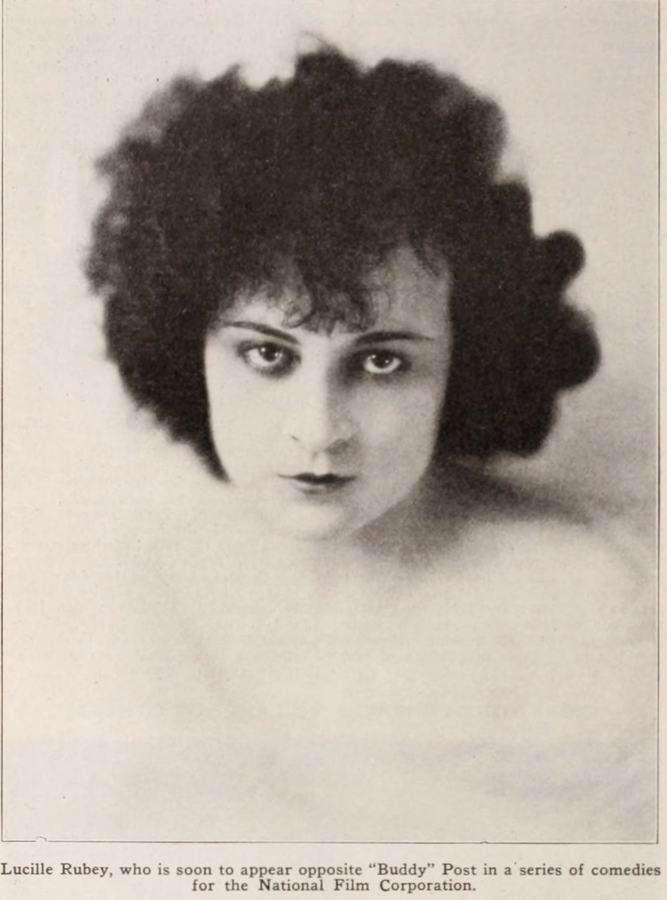
The film’s engine is a rusted-out Model-T of a morality play, coughing its way across the cinematic prairie. Every frame feels lacquered in sepia fatigue, as if the celluloid itself has been soaked in the same fraudulent tonic hawked on-screen. Rubey’s character—never named beyond “The Dame with the Dynamo Eyes”—enters astride a wagon whose flaking paint resembles diseased skin. She sings a ditty about salvation in B-flat cynicism, while the camera lingers on her gloves: white, spotless, and already curling like old parchment. The narrative doesn’t walk; it staggers, drunk on its own contradictions, until the fly appears—an absurdist chorus wearing wings. Its first landing spot? The iris of a poster’s painted angel. The second? The counterfeit pharmacist’s twitching cheek. By the third, we realize the insect is the film’s true protagonist, scribbling marginalia across every human fraud.
Burns, channeling a vaudevillian Mephistopheles, sells bottles of “Elixir Vitae” that slosh like liquid amber lies. His patter is a jazz-age fugue—syncopated, seductive, doomed. Mid-monologue, the fly lands on his tongue; he swallows it, gag-reflex becoming sacrament. From that moment, the plot fractures into prismatic vignettes: a child’s balloon pops against the tent ceiling, mirroring the collapse of parental trust; a deputy pockets a bribe with the languid grace of a man folding love letters; Rubey trades her last pearl earring for a train ticket that never arrives. Each shard cuts deeper than the last, yet the editing—hyperkinetic even by 2020s standards—refuses catharsis. Instead, we get staccato jump-cuts, irises that swallow faces whole, and intertitles written in acid: “Hope is just disappointment on a payment plan.”
Rubey’s acting style predates Method by decades, yet her micro-expressions could teach Strasberg humility. Watch her pupils dilate when a rube confesses he’s blown his farm stake on miracle water—two millimeters of black expansion that scream complicity louder than any monologue. She flirts with the camera lens itself, arching a brow until the fourth wall feels like tissue. Burns, meanwhile, weaponizes charm the way a safecracker caresses tumblers: every smile clicks closer to detonation. His body language is a dictionary of huckster kinesics—elbows akimbo when preaching, shoulders caving inward the instant the tent empties. Together they generate a fissionable tension; you expect the screen to blister rather than merely show images.
“We are all salesmen of the self,” Burns mutters to his reflection in a broken bottle—an aside that feels like the film’s mission statement carved into celluloid scar tissue.
Cinematographer Sol Polito, years before his Warner Bros. fame, treats light like a grifter’s accomplice. Kerosene flames paint faces the color of spoiled peaches, while negative space pools so black it seems dimensional. The fly—rendered via magnified double-exposure—becomes a translucent blotch of fate, its wingbeats scratched onto the emulsion by hand. One montage superimposes Rubey’s profile over a drawer of cash; as the fly lands, her silhouette dissolves into currency, suggesting identity itself is counterfeit. Another sequence tilts the camera 45 degrees, turning the carnival midway into a spiraling Möbius strip where every exit loops back to the ticket booth. You don’t watch this film; you negotiate with it.
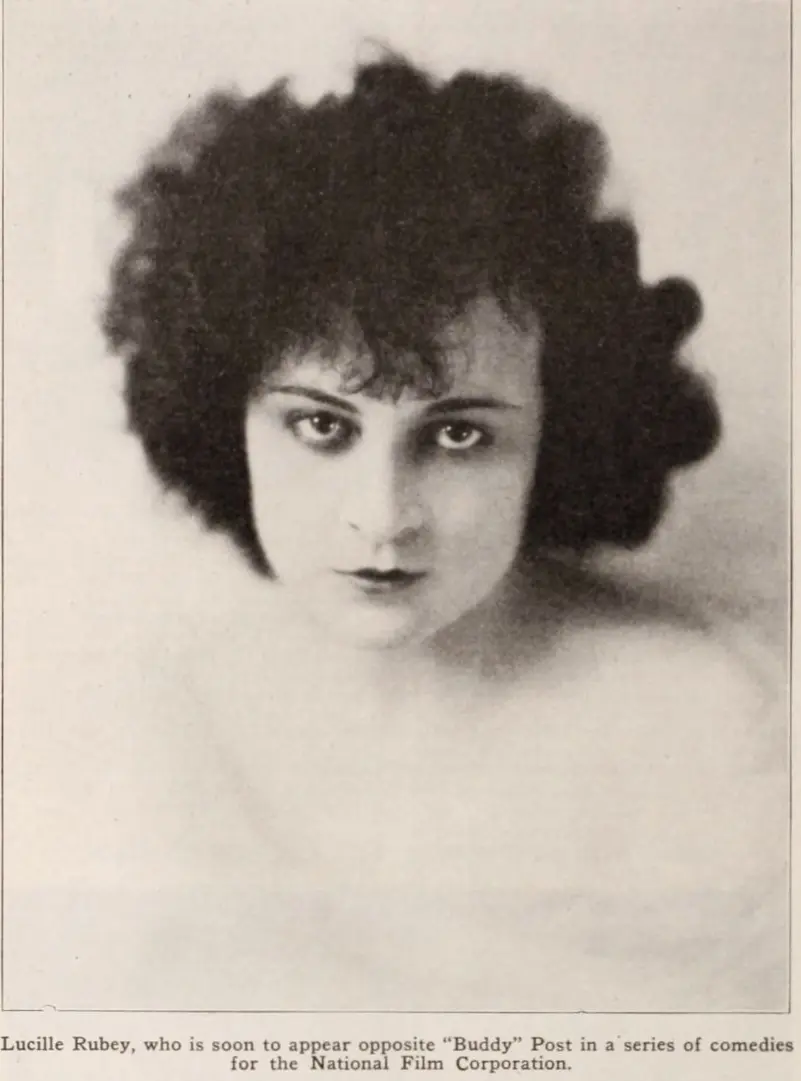
Though the original score is lost, contemporary festival screenings often pair the print with avant-garde ensembles—musicians who breathe through tubas and snap rat-traps in 3/4 time. Their cacophony underlines an unnerving truth: the silence within A Fly in the Ointment is itself a character, thick as syrup and twice as sticky. When characters scream, intertitles deliver only ellipses. When the fly buzzes, the orchestra drops to a single heartbeat on contrabass. The absence becomes a vacuum into which modern audiences project their own anxieties—pandemic fatigue, crypto scams, doom-scroll insomnia—until the 1921 narrative feels ripped from today’s push-notification apocalypse.
Where The Great Circus Catastrophe wallows in slapstick anarchy, Ointment opts for corrosive satire; its pratfalls land like paper cuts dipped in iodine. Compared to the saccharine pieties of A Weaver of Dreams, this film’s moral universe resembles a carnival mirror—warped, hilarious, merciless. Meanwhile, the sociological bite of Godless Men feels blunt when set beside Rubey’s surgical dissection of communal self-delusion.
Only two reels survive, rescued from a Norwegian basement where the nitrate had begun to weep syrupy tears. Yet those fragments combust with more relevance than most contemporary prestige miniseries. In an age of influencers shilling detox tea to teenagers, Burns’s snake-oil patter reads like a TikTok script. Rubey’s kohl-smudged eyes anticipate every Instagram filter that promises authenticity while selling fallacy. The fly—immortal, indifferent—has become meme-ified among cinephile Discords, its looping silhouette captioned “mood” whenever crypto markets crash. Restorationists estimate the surviving footage at 46 minutes; the gaps feel intentional, as though the film itself is hustling us, promising a completeness it never intends to deliver.
Do not approach A Fly in the Ointment expecting closure; expect instead a paper bag loaded with itching powder and philosophical shrapnel. Walk in humming, stagger out swatting at invisible wings. The movie will follow you home—into grocery queues, into doom-scroll binges, into the mirror when you rehearse your own daily cons. And when you finally spot that single housefly circling your desk lamp, you’ll swear you hear faint piano stings and Rubey’s smoky laughter issuing from its iridescent wings. That moment—equal parts epiphany and allergic reaction—is the price of admission, payable long after the lights come up.
IMDb 6
1915
Community
Log in to comment.