DbcultAccessing Vault...
Cult Review
Senior Film Conservator
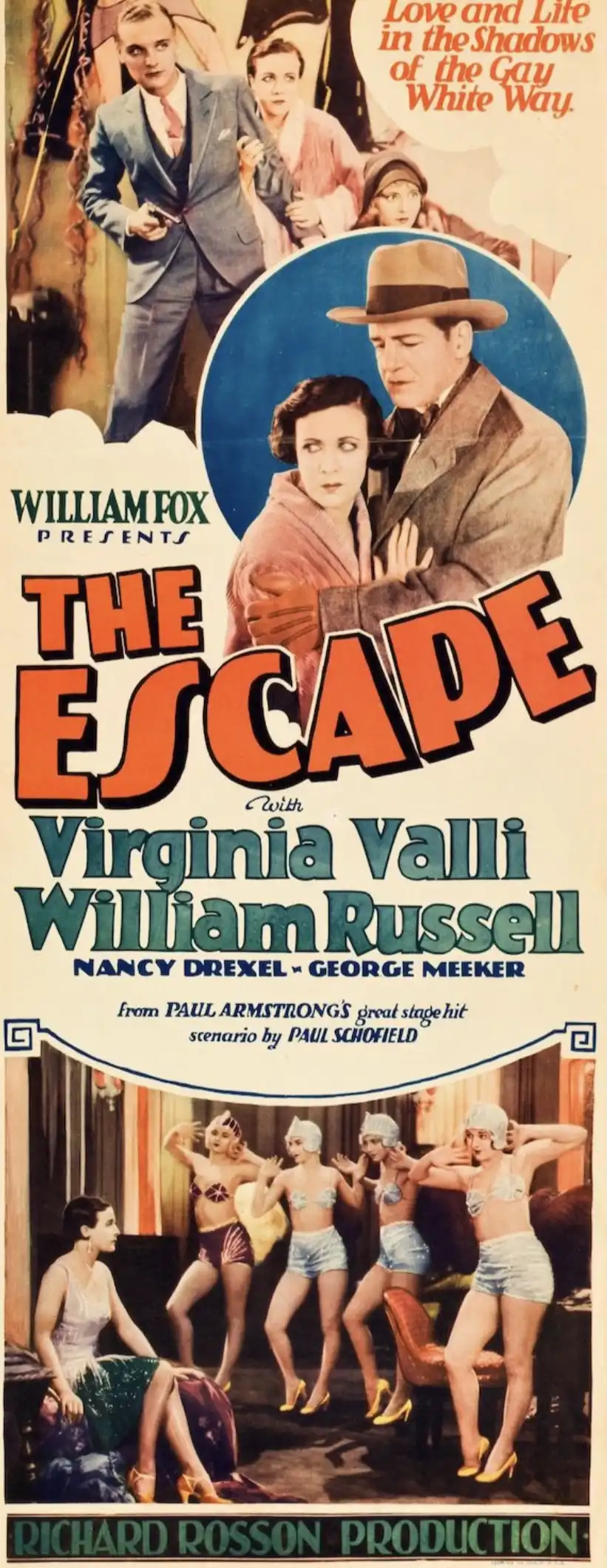
Right off the bat, if you’re not someone who can settle into a silent film, then The Escape from 1928 probably isn't for you. No shame in that, it’s a specific vibe. But for those of us who enjoy a trip back in time, or are just curious, this one’s a surprisingly solid watch. You get a real feel for early Hollywood melodrama here, without too much of the stiffness you sometimes find. People who appreciate film history or just good old-fashioned emotional storytelling will likely find something to connect with.
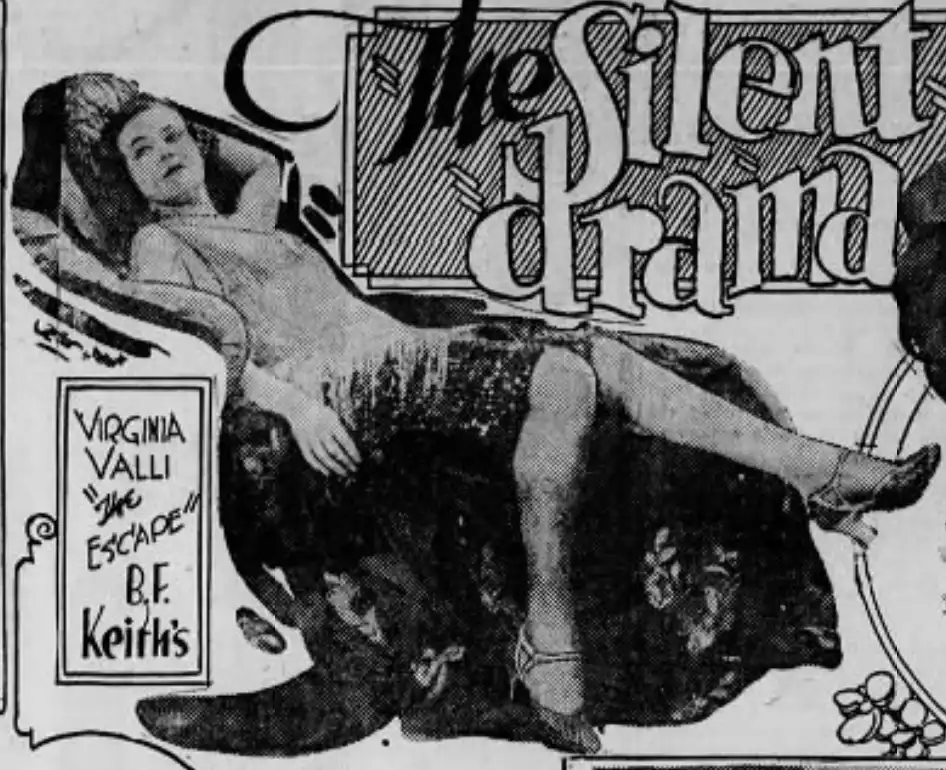
The story, at its heart, is pretty simple. Nancy Drexel plays Nancy, a young woman caught between her rich, very stern father and her heart. She’s fallen for a man her dad just doesn’t approve of, and you know how that goes. It’s a tale as old as time, really, but here, it’s all told through grand gestures and those wonderfully dramatic title cards.
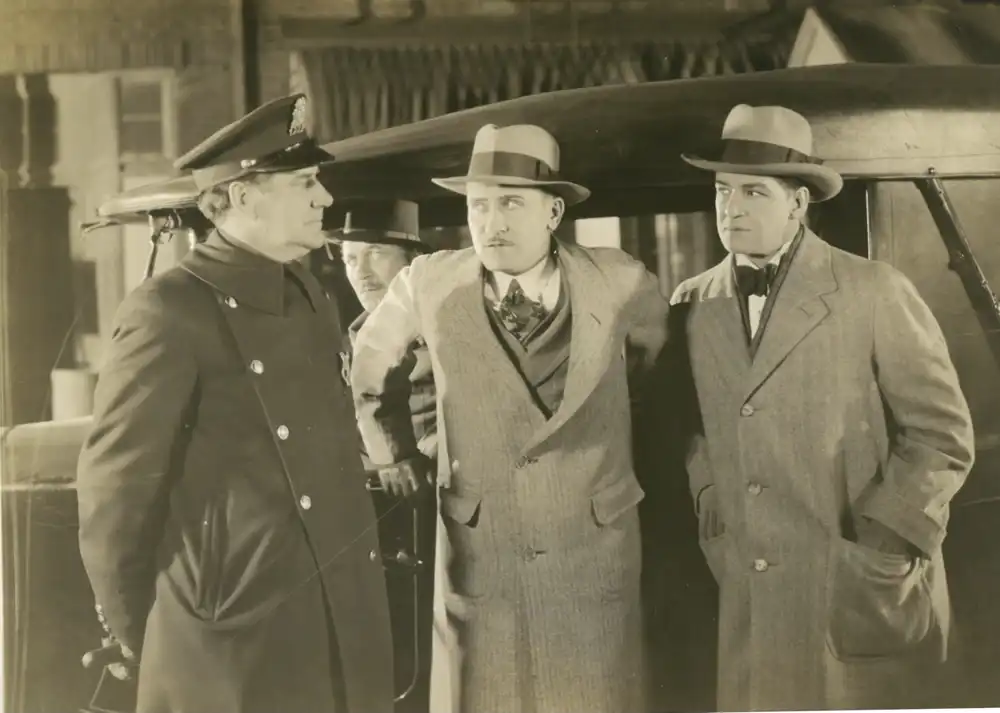
Nancy Drexel herself is pretty good. Her eyes do a lot of the heavy lifting, especially when she’s trying to convey all that inner turmoil. There’s one scene, fairly early on, where her father is just *laying into her* about her choices, and she just stares, almost daring him. It’s subtle, for a silent film. You really feel her defiance without a word.
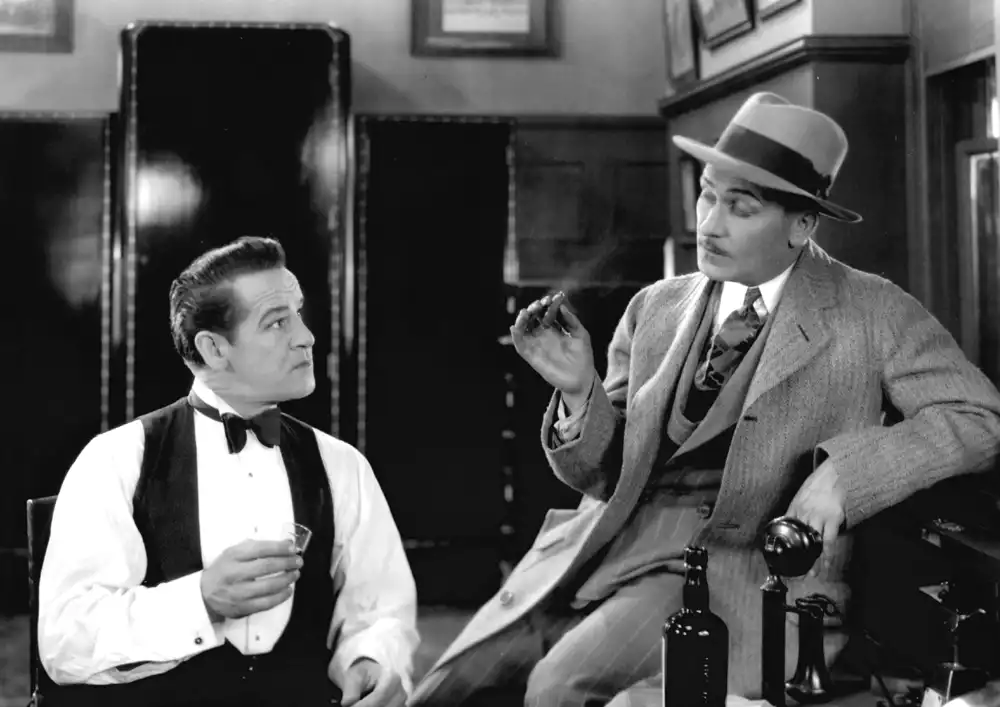
William Russell plays her father, and he’s every inch the stern, disapproving patriarch. He doesn't need to yell; his posture and that *look* he gives Nancy are enough to make you feel uncomfortable. It’s almost cartoonish how much he frowns, but it works, you know?
The pacing is… interesting. It starts off a bit slow, setting the stage, introducing the characters and their rather obvious conflicts. But once Nancy and her love interest, played by George Meeker, decide they've had enough, things pick up. The chase sequences feel genuinely urgent, even with the older filming techniques. There’s this one part where they’re trying to, well, *escape*, and the quick cuts really sell the panic.
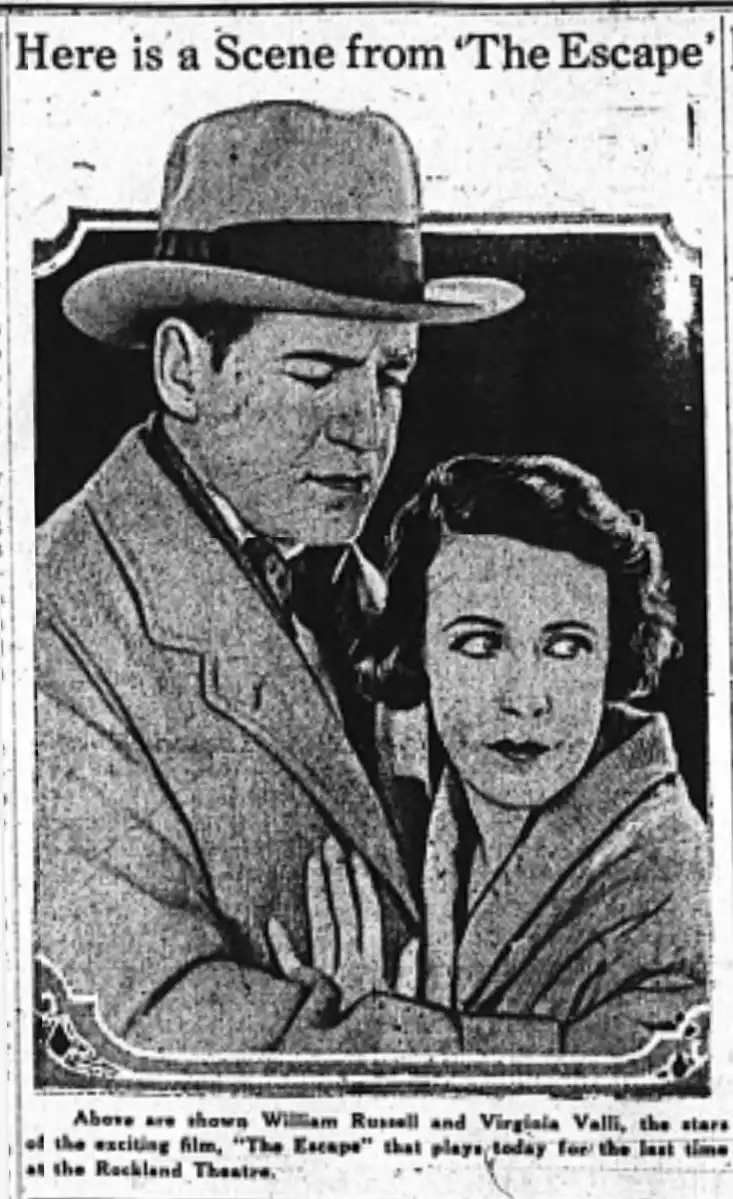
What really got me was how much they relied on the actors' faces. Every emotion is painted so broadly, yet sometimes, it’s incredibly effective. Like, when Nancy is saying goodbye to something she cares about, the camera just holds on her face for a bit too long, and you almost want to reach through the screen. It’s a real testament to how powerful just a facial expression can be.
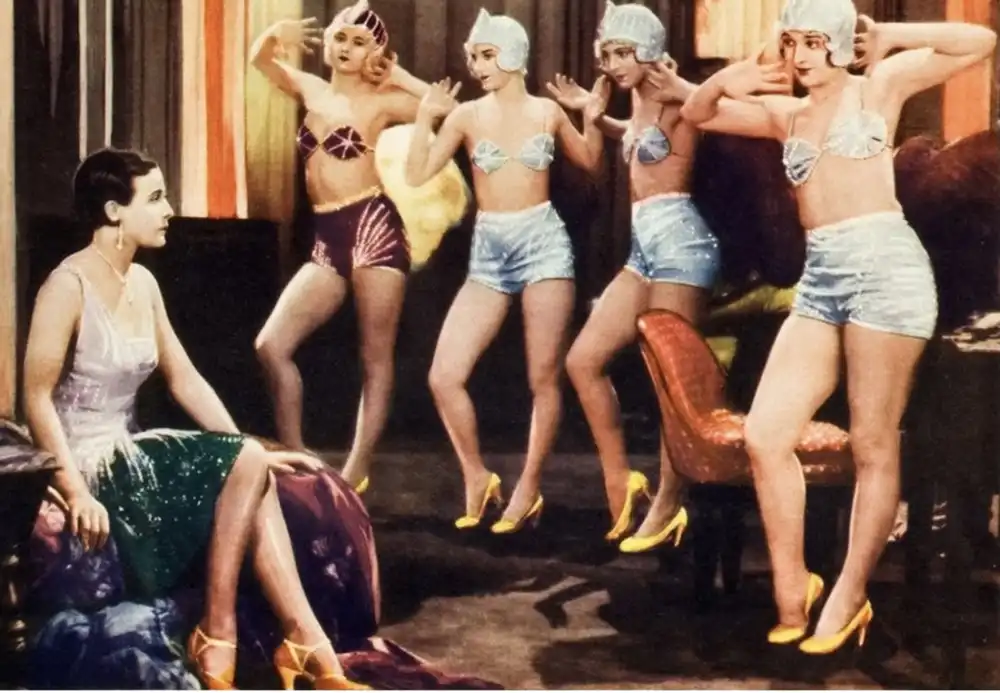
There are these small moments too, like a brief shot of a train pulling away from a station, which feels very symbolic without being too on-the-nose. Or the way the Marion Morgan Dancers are used in a dream sequence; it’s a bit out of nowhere but adds a touch of surrealism that makes you think, “Huh, that was a choice.” And it actually kinda works for the heightened emotion of it all. 🎭
One thing that felt a little odd was how quickly some of the supporting characters just… disappear. They’re there for a scene or two to push the plot along, then they vanish. It’s efficient storytelling, sure, but a little abrupt sometimes. You get invested, then poof, they're gone.
Overall, The Escape isn't going to redefine cinema for you. But it’s a really solid example of a silent film doing what it does best: telling a deeply human story with pure visual emotion. It’s a good little time capsule, reminding you that powerful stories don't always need sound or a million special effects. Sometimes, all you need are some compelling faces and a well-placed title card. Worth a quiet evening, for sure. 🍿
IMDb —
1919
Community
Log in to comment.