DbcultAccessing Vault...
Cult Review
Senior Film Conservator
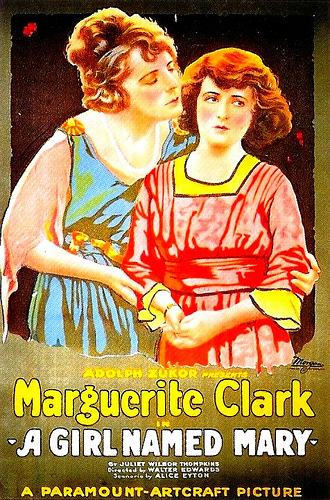
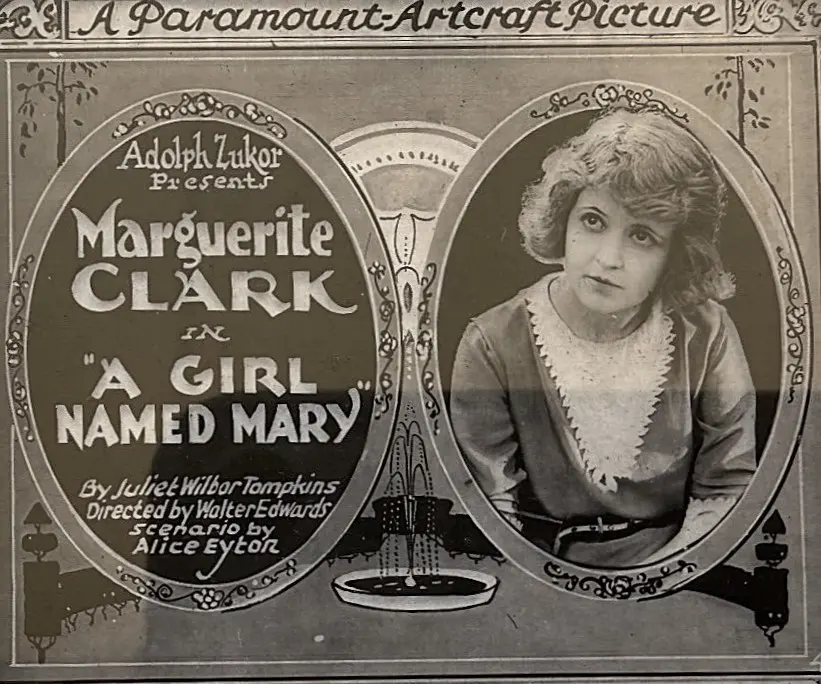
When the reels of A Girl Named Mary begin to spin, the viewer is thrust into a world where grief is both a compass and a chain. Director A. Edward Sutherland orchestrates a tableau that feels less like a conventional melodrama and more like an elegiac painting, each frame saturated with the yearning of a mother whose child vanished under the shadow of a train wreck.
The film’s structural backbone rests upon a fifteen‑year pursuit, a temporal expanse that allows the audience to taste the corrosion of hope. Marise Jaffrey, portrayed with austere poise by Kathlyn Williams, embodies the aristocratic grief that refuses to dissolve into complacency. Her relentless inquiries into public records, newspaper clippings, and whispered rumors serve as a narrative engine, propelling the plot forward with the precision of a stenographer’s keystrokes.
Mary Healy (Helene Sullivan), the titular figure, is introduced as a modest stenographer whose own identity is a palimpsest of concealed truths. The script, penned by Alice Eyton and Juliet Wilbur Tompkins, cleverly intertwines Mary’s professional skill set with her personal quest for belonging, making her a conduit through which the audience navigates the labyrinthine search.
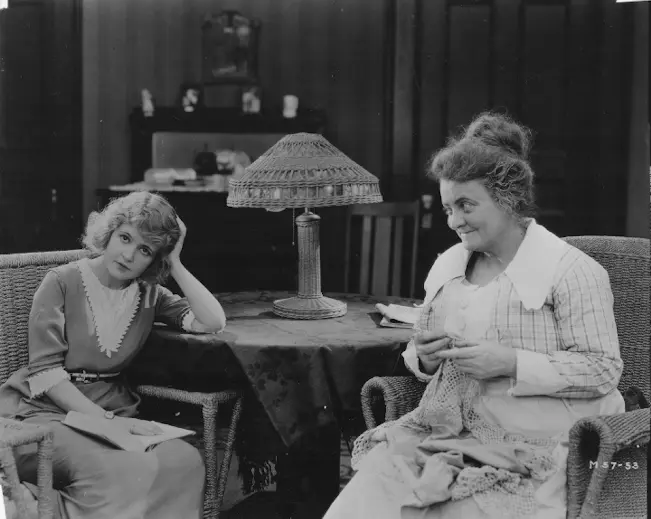
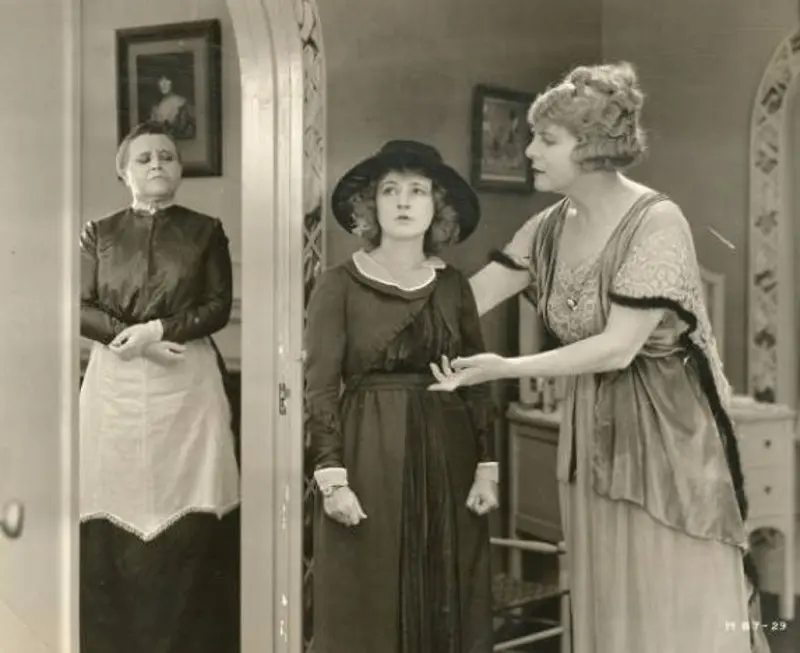
Williams delivers a performance that oscillates between regal detachment and raw vulnerability. Her eyes, often narrowed against the glare of chandelier light, convey a spectrum of emotions without uttering a single word. Helene Sullivan’s portrayal of Mary is suffused with a quiet resilience; her gestures—particularly the way she folds her hands when contemplating the Jaffrey estate—speak volumes about her internal conflict.
Charles Clary, as the stoic Henry Martin, provides a counterpoint to the high‑society milieu. His earthy demeanor and earnest affection for Mary inject a breath of authenticity, reminding viewers that love can flourish beyond the gilded veneer of wealth. Pauline Pulliam’s Mrs. Healy, the foster mother, offers a nuanced depiction of maternal devotion that is both protective and, at times, possessively tender.
The cinematography, though constrained by the era’s technological limits, employs chiaroscuro lighting to accentuate the film’s emotional dichotomies. Scenes set within the Jaffrey mansion are bathed in soft, diffused light that casts elongated shadows, mirroring the looming presence of past secrets. In contrast, the exterior shots of the railway wreck are rendered in stark, high‑contrast frames, underscoring the tragedy that birthed the central mystery.
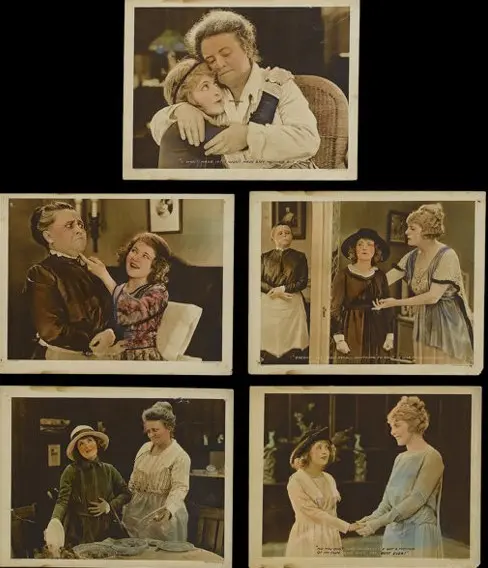
Sutherland’s direction utilizes deliberate pacing; long takes linger on characters’ faces, allowing the audience to decode the subtext embedded in a raised eyebrow or a fleeting glance. This method aligns with the film’s thematic preoccupation with observation—both literal, as Mary’s stenography work demands meticulous attention, and metaphorical, as each character watches the unfolding drama with varying degrees of bias.
Beyond its personal melodrama, A Girl Named Mary offers a critique of class stratification in post‑World‑I America. The Jaffrey household, populated by snobbish acquaintances—portrayed by Aggie Herring and Lillian Leighton—exemplifies a social order that marginalizes those of humble origin. Mary’s discomfort within this environment, culminating in her flight from the mansion, serves as a narrative repudiation of aristocratic pretension.
The film’s resolution, wherein Mary’s biological mother and foster mother reconcile, can be read as an endorsement of a more inclusive definition of family—one that values emotional bonds over bloodlines. This sentiment resonates with contemporary discussions found in other period pieces such as Are They Born or Made? and Womanhood, the Glory of the Nation, both of which interrogate the constructs of identity and societal expectation.
When placed alongside The Lure of Luxury, the film’s exploration of wealth’s corrosive influence becomes starkly apparent. While the former glorifies opulence, A Girl Named Mary deconstructs it, revealing the emotional vacuum that can accompany material excess.
Similarly, the motif of a lost child reclaimed mirrors the narrative arc of Burning the Candle, yet the latter leans heavily into melodramatic excess. In contrast, Sutherland’s restraint ensures that each revelation feels earned, not sensationalized.
Although silent, the film’s intertitles are crafted with poetic brevity, each line a distilled essence of the characters’ inner monologues. The occasional use of a musical cue—soft piano arpeggios during Mary’s moments of introspection—enhances the emotional tenor without overwhelming the visual storytelling.
Over a century after its debut, A Girl Named Mary endures as a study in the complexities of maternal love, class conflict, and the quest for self‑definition. Its nuanced performances and deliberate pacing invite modern audiences to reflect on the timeless nature of familial bonds and the societal pressures that shape them.
For scholars of early cinema, the film offers a fertile ground for analysis, particularly when juxtaposed with works like The Idler and The Night Workers, which similarly navigate the terrain of personal aspiration against the backdrop of rigid social hierarchies.
In summation, A Girl Named Mary stands as a testament to the silent era’s capacity for profound emotional storytelling. Its meticulous craftsmanship, from the evocative performances to the chiaroscuro visual language, renders it a compelling artifact for both cinephiles and scholars alike. The film’s exploration of identity, class, and the redemptive power of love remains resonant, confirming its place in the pantheon of early twentieth‑century cinema.
IMDb —
1921
Community
Log in to comment.