DbcultAccessing Vault...
6.8/10
Senior Film Conservator
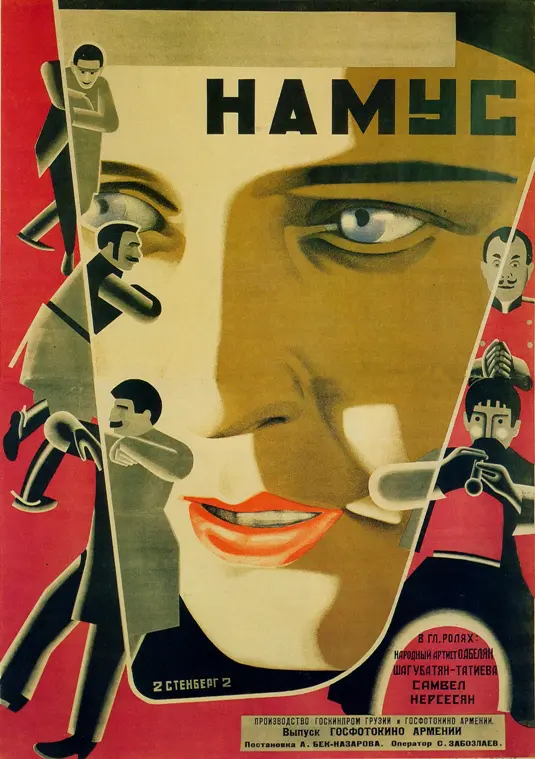
A definitive 6.8/10 rating for a film that redefined the boundaries of cult cinema. Honor remains a cornerstone of transgressive art.
In the intricate tapestry of Honor, directed with a delicate yet unyielding hand, the blossoming romance between Seyran and Susan is overshadowed by the rigid and often oppressive traditions of their society. This film masterfully intertwines personal desires with the relentless demands of honor and family duty, resulting in a narrative that is as beautiful as it is heartrending.
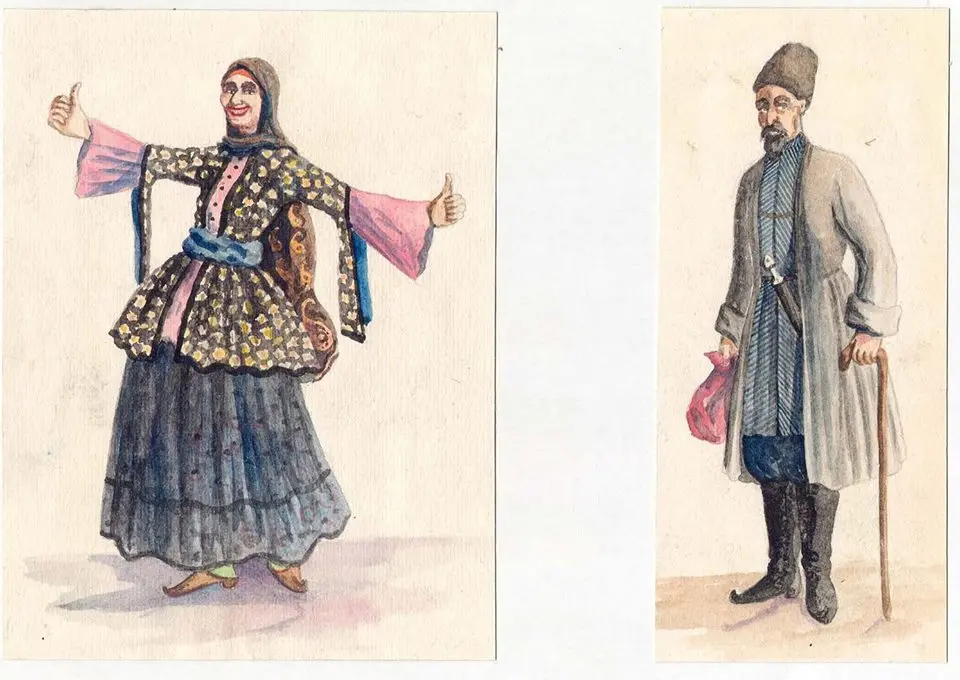
From the outset, the audience is drawn into the lives of Seyran and Susan, two young souls who, despite their tender age, are already bound by the expectations of their elders. Arranged for marriage in early childhood, their relationship remains a secret, a clandestine affair that thrives in the shadows of societal scrutiny. The chemistry between G. Melikyan and Hasmik Agopyan is palpable, their performances resonating with the raw emotion of youthful infatuation and burgeoning love.
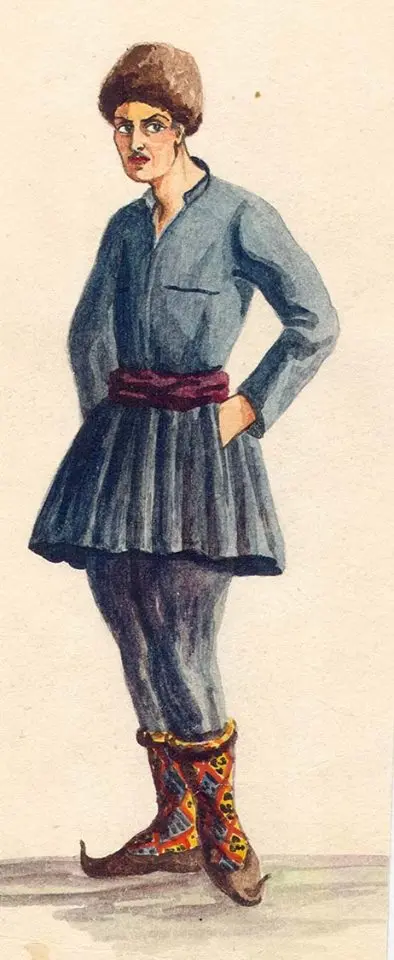
However, as the story unfolds, the inevitable clash between personal aspirations and familial obligations becomes increasingly palpable. Barkhudar, the father of Susan, marries her off to another man, driven by a misguided sense of honor and duty. This decision serves as the catalyst for the film's central conflict, setting in motion a series of events that unravel the fabric of Seyran and Susan's lives.
The visual palette of Honor is a testament to the filmmaker's artistic vision. The cinematography captures the stark contrast between the idyllic landscapes and the claustrophobic interiors, symbolizing the duality of existence—joy and sorrow, freedom and confinement. The use of natural light and shadow effectively conveys the emotional weight of each scene, enhancing the overall mood and atmosphere.
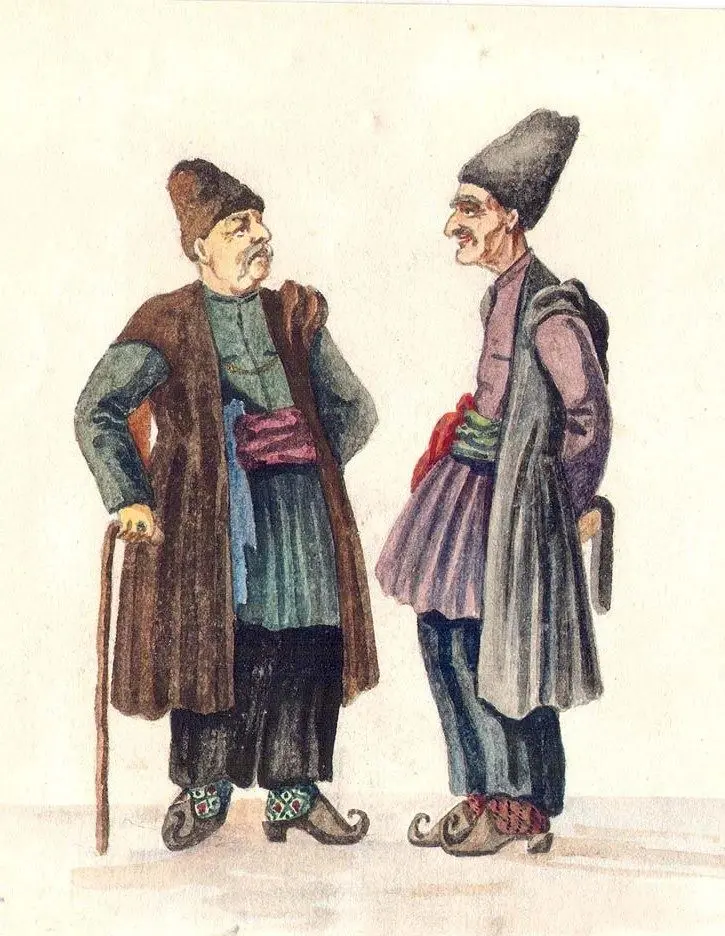
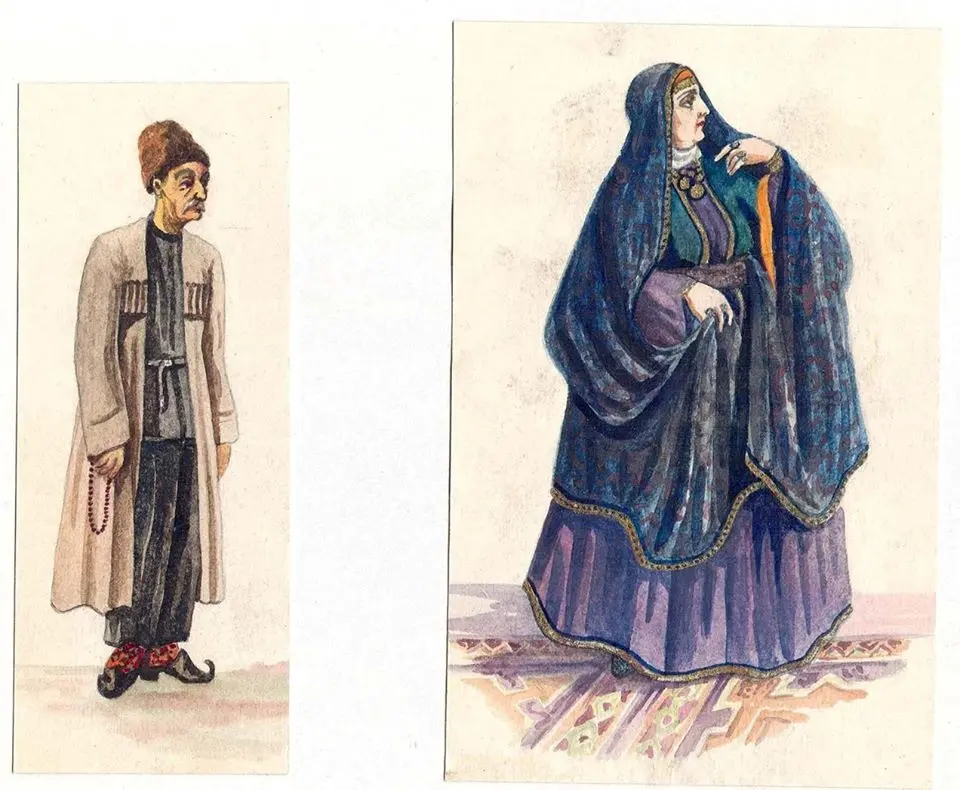
Supporting characters, such as L. Aleksanyan and Samvel Mkrtchyan, play pivotal roles in shaping the narrative. Their performances add layers of complexity to the story, providing nuanced insights into the wider implications of the characters' actions. The ensemble cast, including Amasi Martirosyan, Hovhannes Abelyan, and Mikayel Garagash, brings depth and authenticity to their respective roles, contributing to the film's cohesive and compelling narrative.
Honor stands as a poignant reminder of the enduring power of tradition and its impact on individual lives. The script, penned by Alexander Shirvanzade and Amo Bek-Nazaryan, is both eloquent and evocative, capturing the essence of the characters' struggles and the societal norms that constrain them. The dialogue is rich and meaningful, allowing the audience to immerse themselves in the characters' inner worlds and share in their pain and longing.
While Honor resonates deeply with its primary themes, it also draws parallels with other works that tackle similar issues. The comparison to films like The Willow Tree and Should William Tell? underscores the universal nature of these stories. Both films explore the tension between personal freedom and societal expectations, offering a poignant commentary on the human condition.
However, while the film excels in its emotional and thematic depth, it occasionally stumbles in its pacing. Some scenes, particularly those centered on the initial stages of Seyran and Susan's relationship, feel somewhat rushed, potentially detracting from the full emotional impact. Nevertheless, the film's climax, which serves as a cathartic release of pent-up emotions, is a powerful testament to the resilience of the characters and their enduring love.
In conclusion, Honor is a film that demands to be seen and felt. Its exploration of forbidden love and the societal constructs that suppress it is both compelling and thought-provoking. While it may not be for everyone, those who appreciate intimate, character-driven dramas will find much to cherish in this poignant and powerful narrative.
IMDb —
1927
Community
Log in to comment.