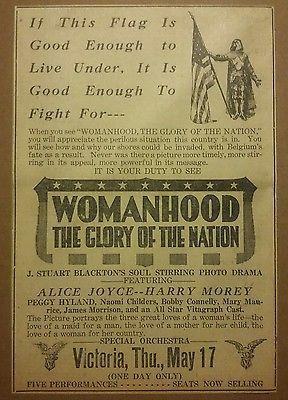
When the nation of Ruthania declares war on the United States, an army of enemy soldiers invades the U.S.
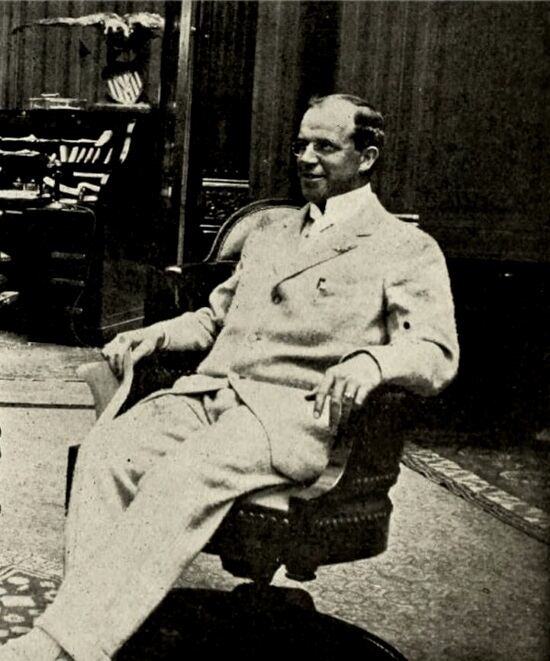
Cyrus Townsend Brady, Helmer Walton Bergman, J. Stuart Blackton
United States
a{color:#0E7490;text-decoration:none;border-bottom:1px dotted #0E7490;} strong{color:#C2410C;font-weight:700;} em{color:#EAB308;font-style:italic;} blockquote{margin:2rem 0;padding:1rem 1.5rem;border-left:4px solid #C2410C;font-size:1.1rem;letter-spacing:.4px;background:#111;} Imagine, if you will, Griffith...
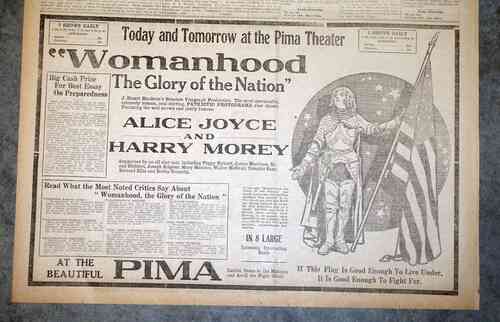
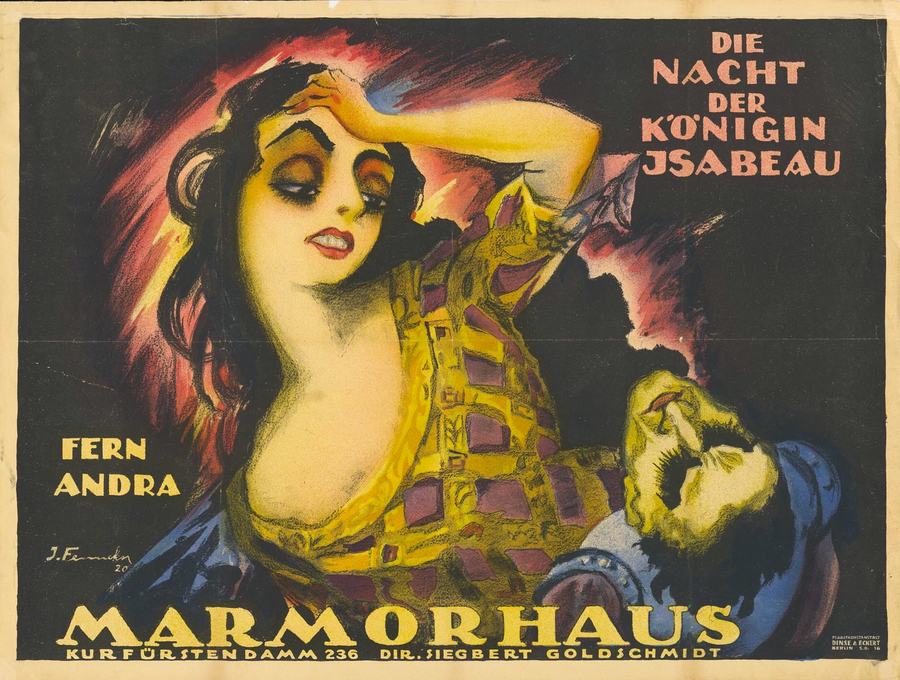
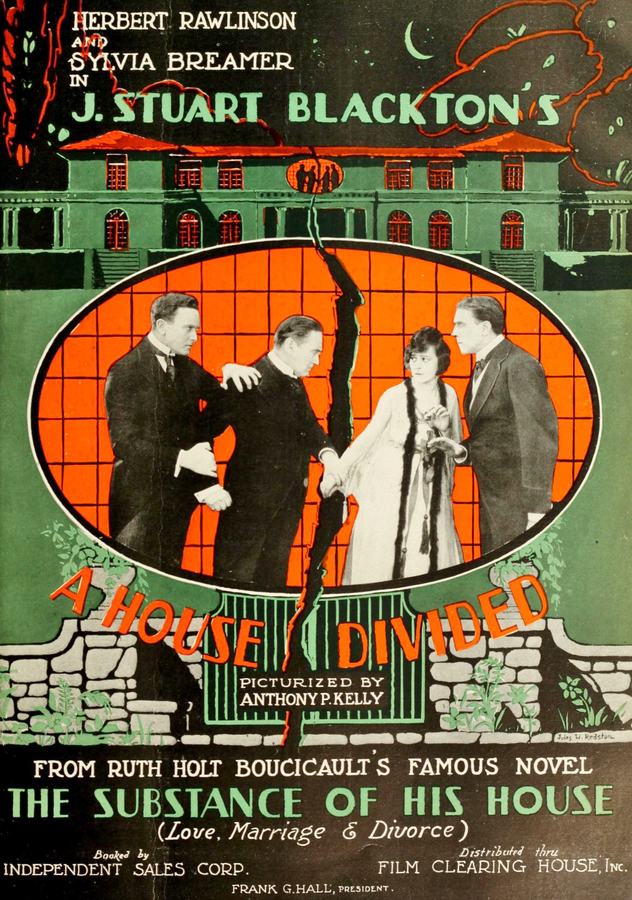
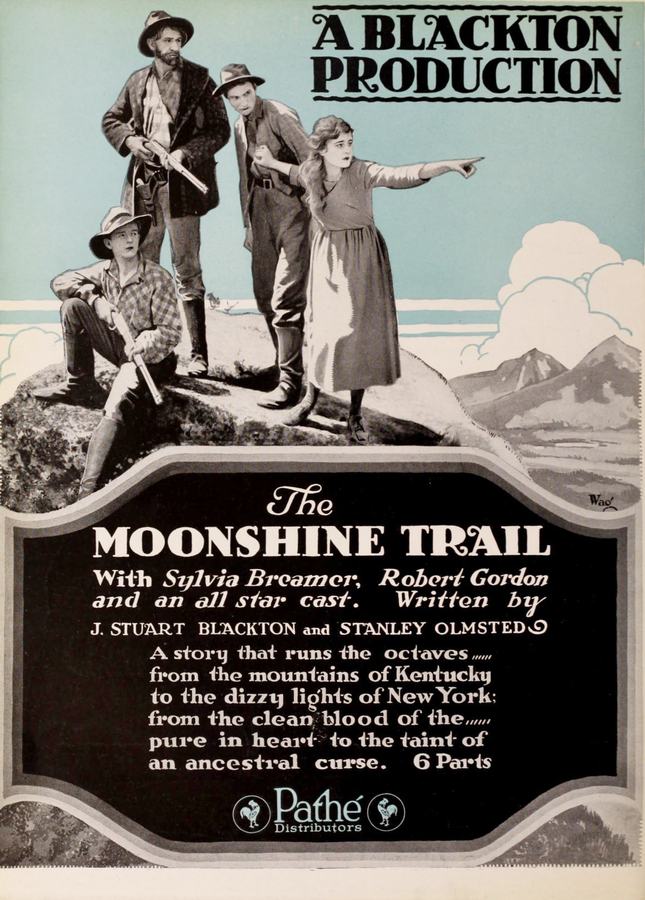
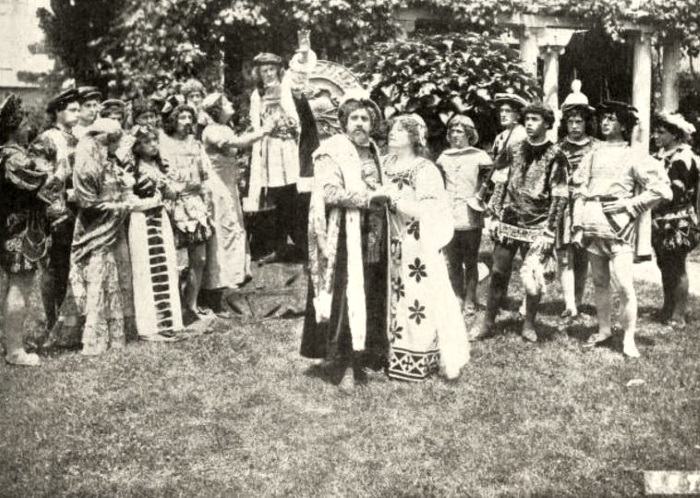
production_art

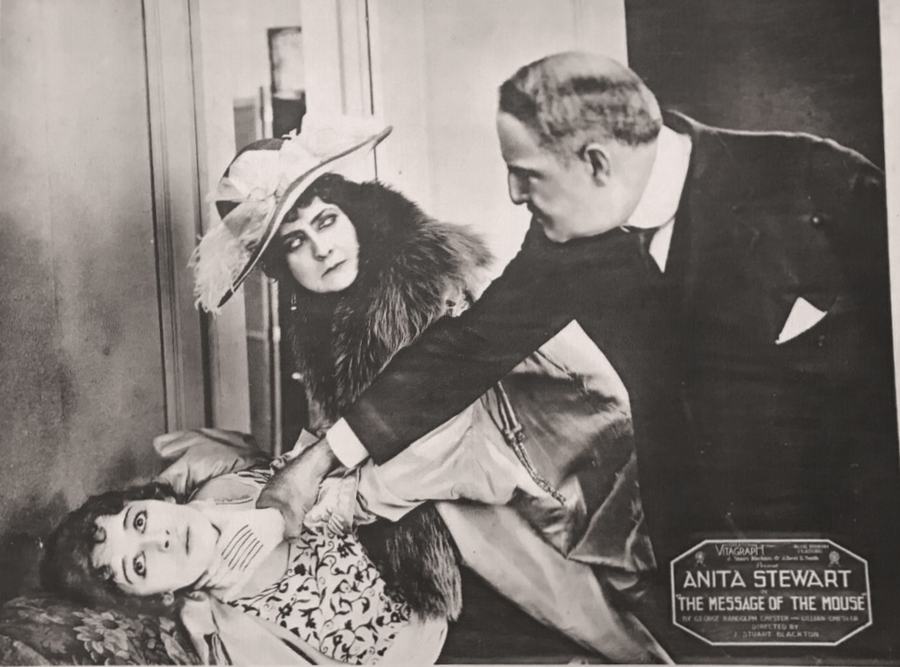
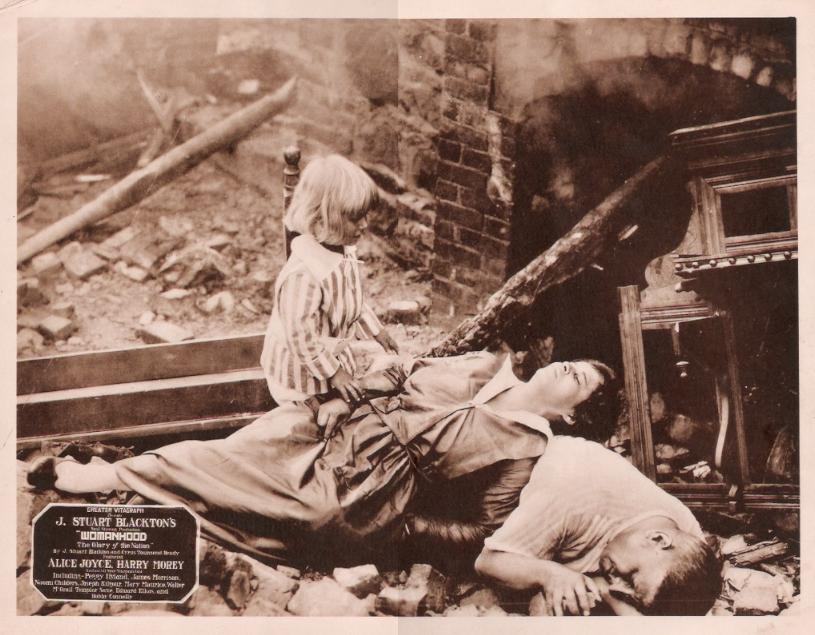
still_frame
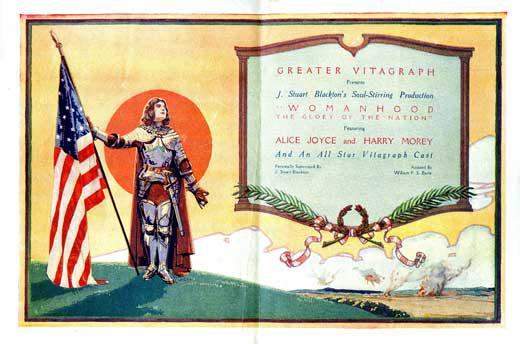
production_art
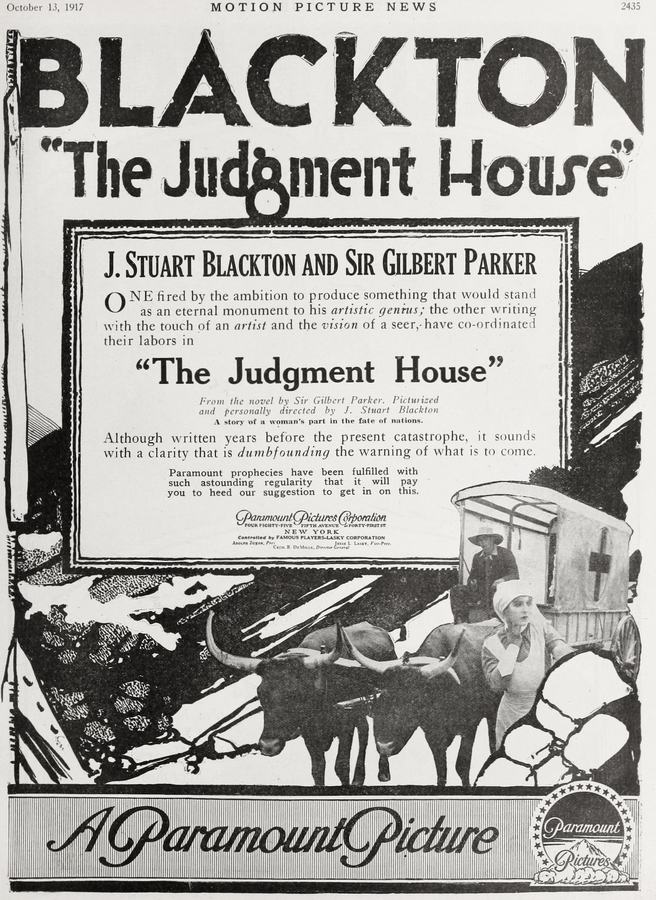
production_art

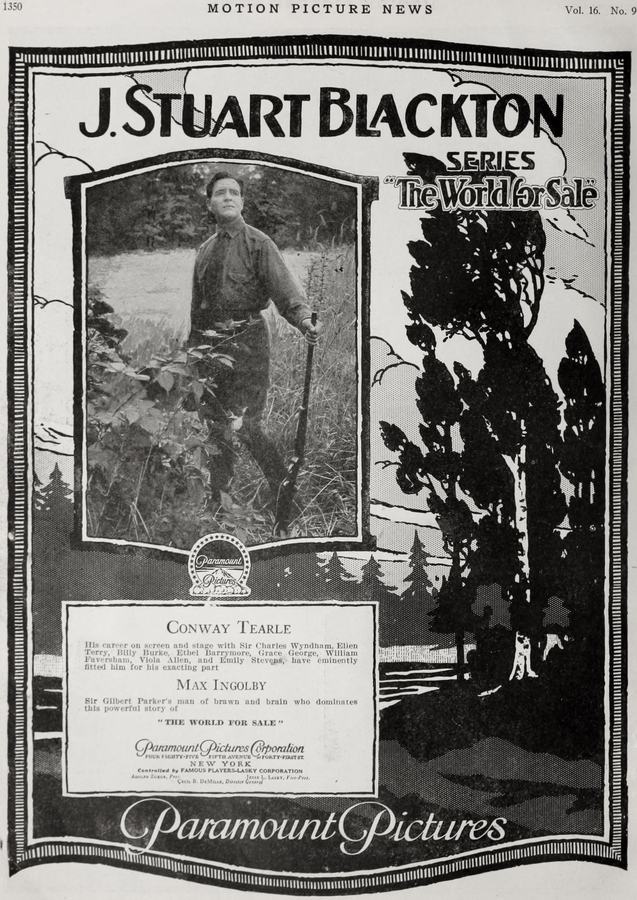
production_art
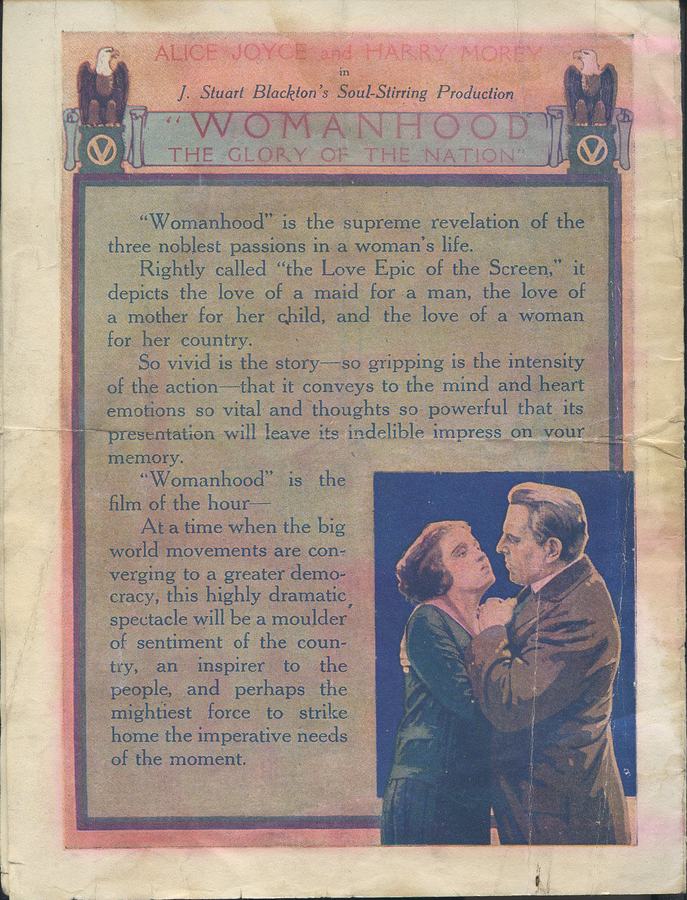
production_art
publicity
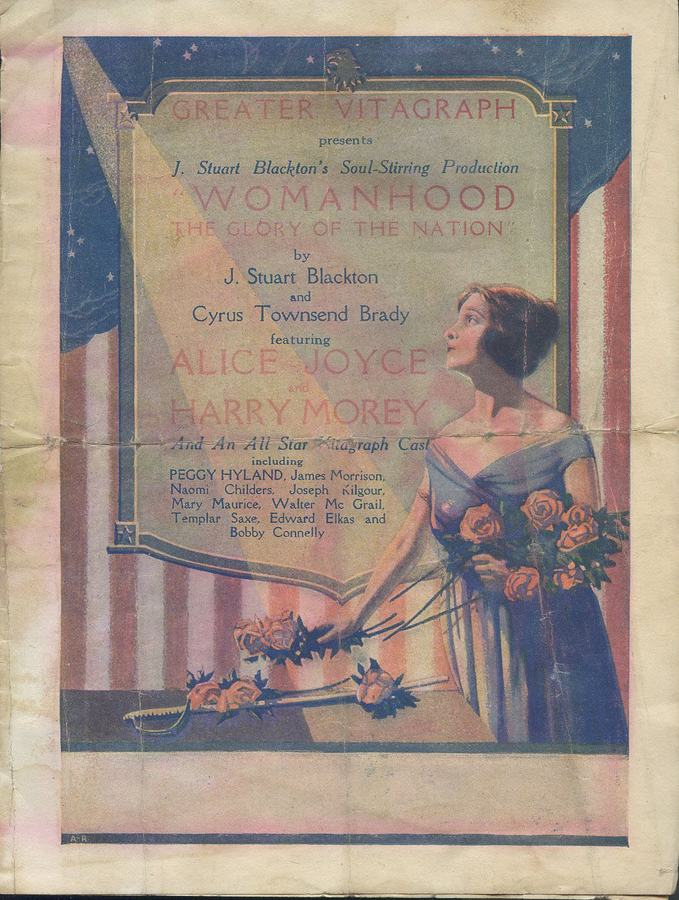
production_art
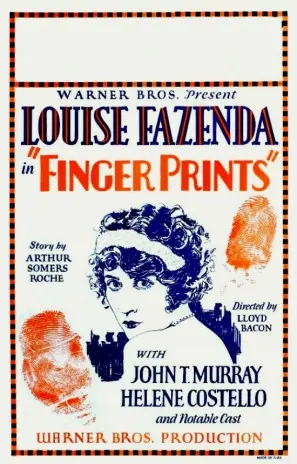

Comparing the cinematic DNA and archive impact of two defining moments in cult history.
J. Stuart Blackton
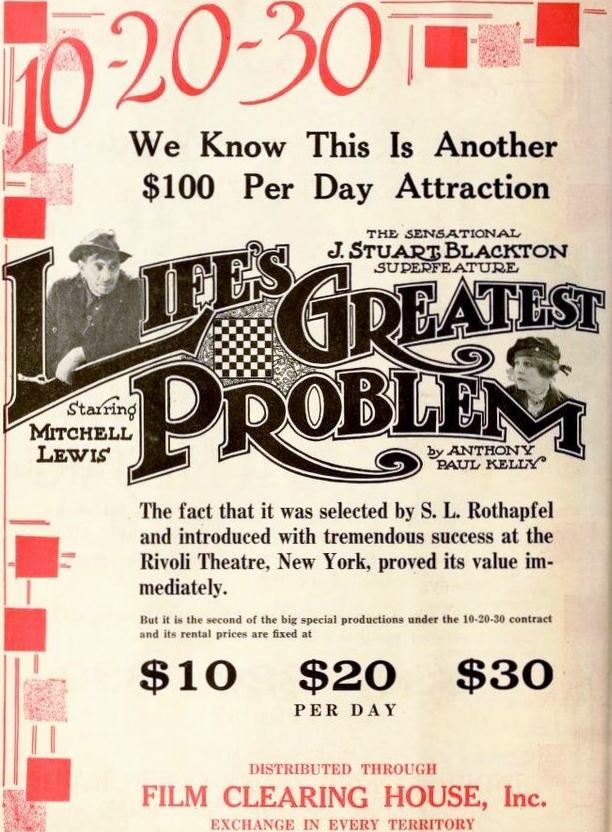
J. Stuart Blackton
Community
Log in to comment.
" a{color:#0E7490;text-decoration:none;border-bottom:1px dotted #0E7490;} strong{color:#C2410C;font-weight:700;} em{color:#EAB308;font-style:italic;} blockquote{margin:2rem 0;padding:1rem 1.5rem;border-left:4px solid #C2410C;font-size:1.1rem;letter-spacing:.4px;background:#111;} Imagine, if you will, Griffith’s Intolerance re-edited by a sleepless Leonora Carrington while she mainlines espresso and gunpowder; the resultant nitrate fever is Womanhood, the Glory of the Nation, a 1917 pro..."