DbcultAccessing Vault...
5.5/10
Senior Film Conservator
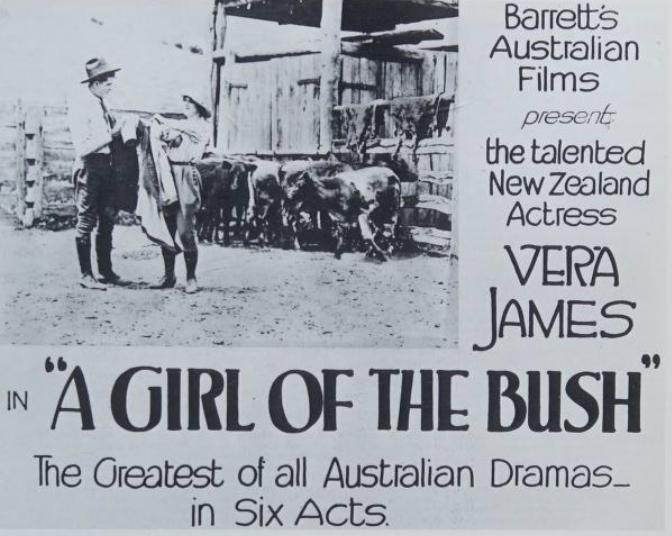
A definitive 5.5/10 rating for a film that redefined the boundaries of cult cinema. A Girl of the Bush remains a cornerstone of transgressive art.
In the nascent years of the twentieth century, the Australian film industry was a crucible of raw ambition and untapped aesthetic potential. Franklyn Barrett, a visionary whose name deserves to be whispered with the same reverence as Griffith or Murnau, delivered a definitive statement on national identity with A Girl of the Bush. This film is not merely a relic of a bygone era; it is a breathing, pulsating document of the frontier spirit. Unlike the more stage-bound productions of its time, such as The Explorer, Barrett’s work breathes the very air of the continent, capturing a sense of place that is both terrifying and transcendental.
The film opens with an immediate immersion into the daily operations of Kangaroo Flat. We are introduced to Lorna Denver, portrayed with an earthy, luminous resilience by Stella Southern. In an era where female characters were often relegated to the roles of the damsel or the domesticator, Southern’s Lorna is a revelation. She is the engine of the station, a woman whose authority is not granted but earned through the sweat of her brow and the sharpness of her gaze. This portrayal predates many of the more celebrated 'strong female leads' of later decades, offering a blueprint for the rugged individualism that would become a hallmark of Australian cinema.
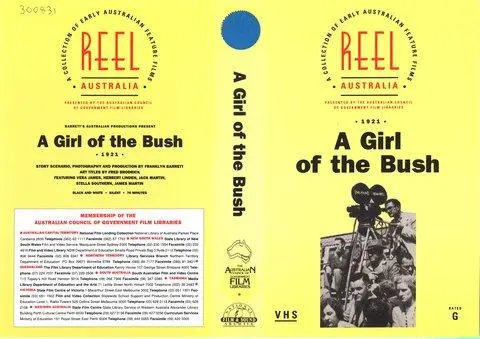
The dramatic tension of the film is anchored by the polarized presence of two men. Oswald, played with a simmering, oily menace by Gerald Harcourt, represents the predatory elements of the bush. He is the shadow in the sunlight, a man whose desire for Lorna is inextricably linked with a desire for power and possession. Conversely, Tom Wilson, the surveyor, brings a sense of order and youthful optimism. The surveyor, by trade, is a man of lines and logic, an interesting contrast to the sprawling, unmapped chaos of the outback. This conflict between the visceral and the cerebral, the chaotic and the structured, provides the film with a thematic depth that elevates it beyond the simple melodrama found in contemporary titles like The Girl-Woman.
The chemistry between Southern and the cast is palpable, even through the flickering grain of the restored print. There is a scene, early in the second act, where the gaze between Lorna and Tom lingers just a moment too long—a silent exchange that communicates more than a page of dialogue ever could. It is in these moments of stillness that Barrett proves his mastery of the medium. He understands that in the bush, words are secondary to actions and the unspoken currents of human connection.
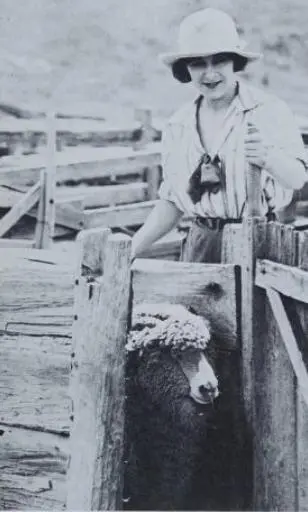
One cannot discuss A Girl of the Bush without addressing the cinematography. Franklyn Barrett was a cinematographer before he was a director, and it shows in every frame. The way he utilizes natural light—the harsh, bleaching sun of high noon and the long, melancholic shadows of dusk—creates a visual language that is uniquely Australian. The sheep station is not just a setting; it is a character with its own moods and requirements. We see the dust rising from the hooves of the flock, the way the heat waves distort the horizon, and the claustrophobic density of the scrubland.
Compare this to the more stylized, almost theatrical environments of The Pagan God. Barrett eschews artifice in favor of a documentary-like realism that was decades ahead of its time. This commitment to authenticity extends to the depiction of the Aboriginal conflict. While the film is undeniably a product of its 1921 colonial context, it handles the discovery of the orphaned baby with a surprising amount of pathos. The sequence where Lorna rescues the child is staged with a frantic, heart-stopping energy that rivals the best suspense sequences of the silent era. It is a moment of pure humanity amidst a landscape that often feels indifferent to the survival of the individual.
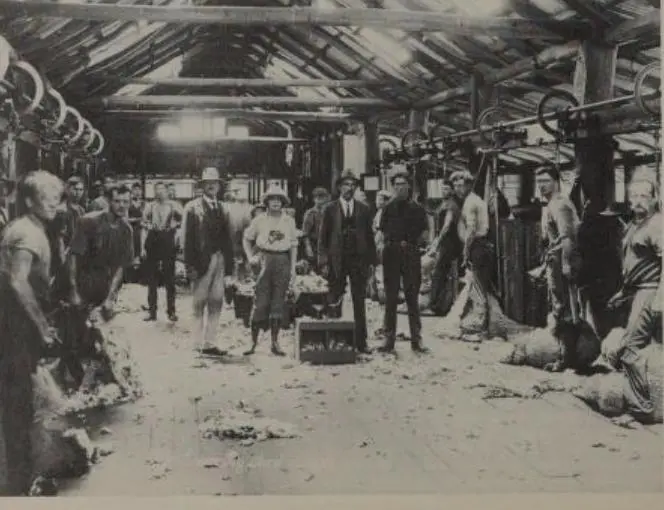
The supporting cast, including Olga Broughton and Herbert Linden, populates Kangaroo Flat with a variety of archetypes that feel lived-in. There is a sense of community here, albeit one forged in the fires of isolation. The film delves into the micro-politics of the station—the hierarchies, the gossip, and the shared labor. This sociological layer adds a richness to the narrative, making Lorna’s struggle feel part of a larger collective experience. It isn't just about her romantic choice; it's about the survival of the station and the legacy of those who work the land.
In terms of narrative structure, Barrett utilizes a pacing that reflects the rhythms of the bush. There are periods of quiet contemplation followed by bursts of violent action. This ebb and flow keeps the viewer engaged, avoiding the static quality that plagued many other films of the period, such as Victory. The editing is crisp, and the use of intertitles is judicious, allowing the visual storytelling to carry the heavy lifting of the emotional arc.
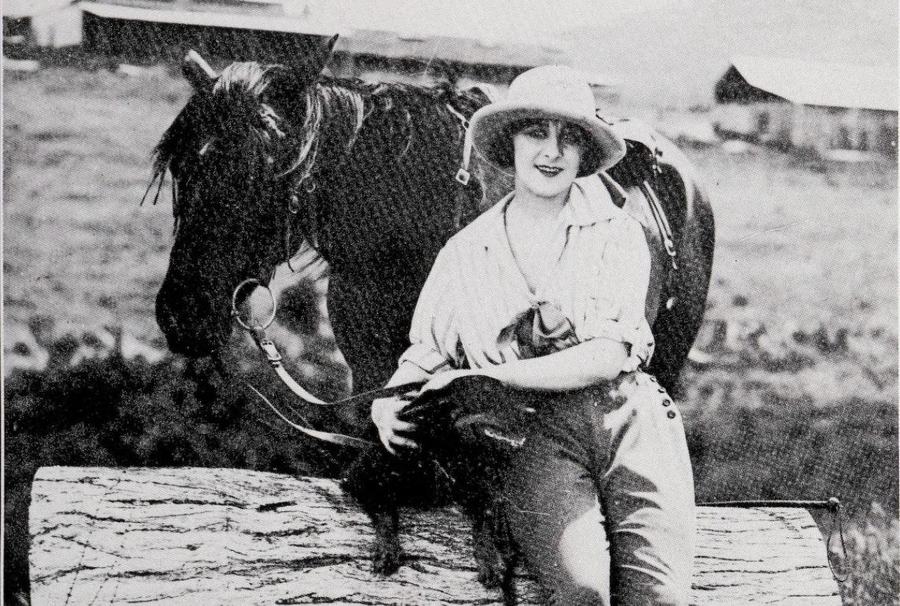
Reflecting on A Girl of the Bush over a century after its release, one is struck by its modernity. Stella Southern’s performance remains a high-water mark for silent film acting—subtle, physical, and deeply expressive. The film’s exploration of a woman’s place in a man’s world, the clash between civilization and the wild, and the moral complexities of frontier life are themes that continue to resonate in contemporary Australian cinema. It is a direct ancestor to the 'Ozploitation' films of the 70s and the poetic realism of the 90s.
While films like Moora Neya, or The Message of the Spear attempted to capture similar themes, they often lacked the technical precision and narrative cohesion that Barrett achieved. He managed to weave together a romance, a thriller, and a pastoral drama into a singular, cohesive vision. The rescue of the baby serves as the film’s moral heart, a symbol of hope and the possibility of a new beginning in a land that often demands everything from those who inhabit it.
The survival of this film is a miracle of archival preservation. Seeing it today allows us to appreciate the intricate details of the production—the texture of the wool, the grain of the wooden fences, the specific flora of the New South Wales interior. Barrett’s use of deep focus, though limited by the technology of the time, suggests an instinctive understanding of spatial relationships that would later be perfected by cinematographers like Gregg Toland. Every shot is composed with an eye for balance and dramatic weight.
The villainy of Oswald is particularly well-handled. He is not a mustache-twirling caricature but a man whose corruption is a product of his environment and his own moral failings. His pursuit of Lorna provides the necessary friction that drives the plot toward its climactic confrontation. In many ways, his character serves as a cautionary tale about what happens when the isolation of the bush is paired with an absence of integrity. It is a stark contrast to the noble, if somewhat naive, Tom Wilson, whose presence suggests that the future of the bush lies in cooperation and respect rather than exploitation.
To watch A Girl of the Bush is to witness the birth of a national cinematic voice. It is a film that refuses to apologize for its ruggedness and celebrates the strength required to survive in the Australian interior. Franklyn Barrett’s direction is confident and evocative, and Stella Southern’s Lorna Denver remains one of the most compelling figures of the silent era. It stands tall among its peers, far surpassing the simplistic narratives of A Sagebrush Hamlet or the domestic trifles of Bringing Up Betty.
This is a film of grit and grace, of dust and determination. It captures a specific moment in time while speaking to universal truths about human resilience. For any serious student of film history, or for those who simply wish to experience a masterclass in visual storytelling, this 1921 classic is essential viewing. It is a testament to the power of the moving image to capture the soul of a landscape and the indomitable spirit of those who call it home. The legacy of Kangaroo Flat lives on, etched in the silver halides of Barrett's enduring celluloid.

IMDb 7
1929
Community
Log in to comment.