DbcultAccessing Vault...
5.9/10
Senior Film Conservator
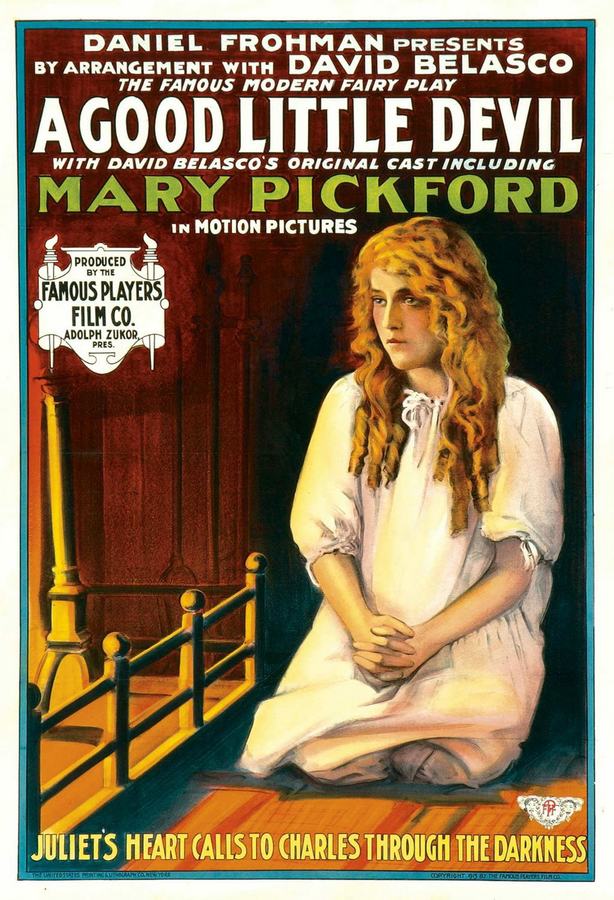
A definitive 5.9/10 rating for a film that redefined the boundaries of cult cinema. A Good Little Devil remains a cornerstone of transgressive art.
From the moment the opening frames flicker to life, A Good Little Devil announces itself as a study in contrasts: the stark, oppressive corridors of Mrs. MacMiche's manor versus the luminous, intangible kingdom of fairies that Charles and Juliet summon with whispered incantations.
The film's opening tableau is a masterclass in visual storytelling; the camera lingers on the austere wallpaper, the iron‑clad doors, and the cold glint of polished silver, all of which echo the emotional chill that pervades Charles's early existence. In this environment, the boy's mischievous grin becomes a subversive act, a flicker of defiance against a world that seeks to mould him into a proper lord.
Enter Juliet, whose blindness is rendered not as a deficit but as a conduit for heightened perception. Mary Pickford imbues the role with a luminous fragility, her eyes—though unseen—conveying a depth that transcends the visual medium. Their partnership in constructing a fairy realm is less a child's pastime than a sophisticated act of resistance, a reclamation of agency through collective imagination.
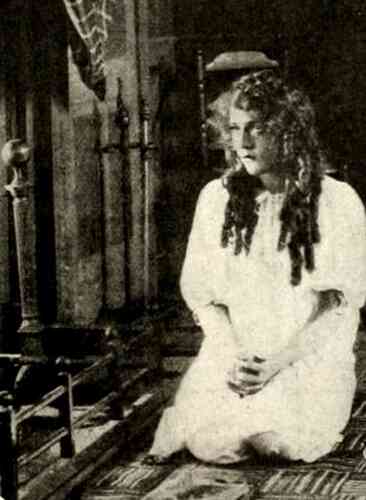
When the patriarch's death triggers Charles's relocation to an elite academy, the narrative pivots toward the theme of social ascension. The school, with its regimented drills and immaculate uniforms, functions as a crucible that strips away the boy's whimsical inclinations. Here, the film subtly critiques the aristocratic apparatus that demands conformity, a motif echoed in contemporary works such as A Melbourne Mystery, where societal expectations similarly suffocate individuality.
Charles's gradual assimilation into high society is marked by a series of meticulously staged social events—ballrooms awash in gilded chandeliers, soirées where the clink of crystal glasses punctuates rehearsed conversations. His engagement to a fashionable debutante, portrayed with a veneer of elegance by Wilda Bennett, epitomizes the triumph of external validation over internal truth.
Yet beneath the polished veneer lies an undercurrent of disquiet. The film employs recurring motifs—a solitary feather drifting across a marble floor, a distant lullaby heard only by Charles—to signal the lingering presence of his forgotten fairy companions. These visual leitmotifs serve as narrative breadcrumbs, guiding the audience back to the boy's original sanctuary.
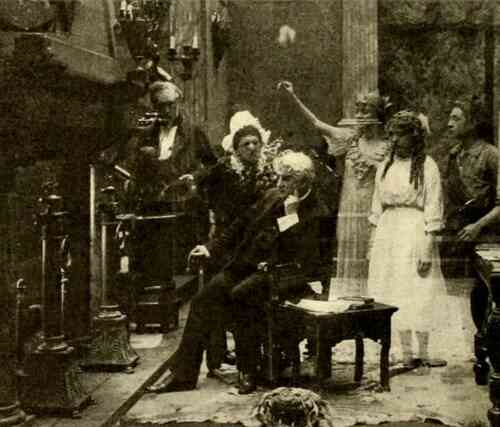
Mrs. MacMiche's character arc is a study in redemption. Initially presented as a stern, almost tyrannical figure, her transformation is catalyzed by an unexpected encounter with a wandering minstrel who sings of sprites and sylvan glades. The scene is bathed in a soft, amber glow, the color palette shifting to the dark orange (#C2410C) that becomes her signature hue, symbolizing both her fiery temperament and newfound warmth.
When she finally extends an invitation for Charles to return home, the gesture is laden with ambiguity. Is it a genuine desire for reconciliation, or a strategic move to reclaim the boy's inheritance? The film resists a simplistic answer, instead allowing the audience to sit with the tension, mirroring the internal conflict that Charles experiences.
The reunion scene is a visual crescendo. The manor's once oppressive lighting softens, the shadows recede, and the fairy world that Charles once abandoned begins to seep back into the physical space. Juliet, now with restored sight—a transformation achieved through a symbolic act of washing her face in a moonlit pool—emerges as the linchpin that bridges past and present.
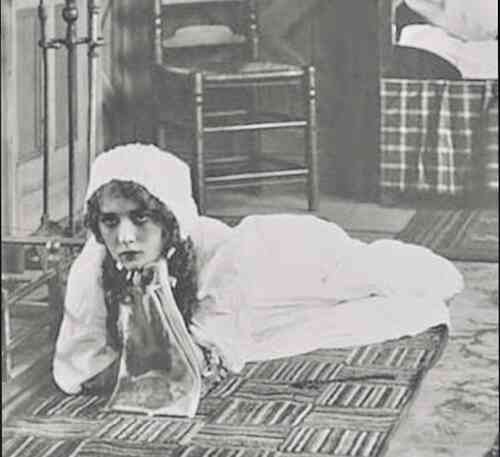
Pickford's performance in this pivotal moment is nothing short of transcendent. Her eyes, now open, reflect the flickering candlelight, and her smile carries the weight of a thousand unspoken memories. The chemistry between her and Ernest Truex's Charles is palpable, each glance a dialogue that transcends words.
The film's denouement, wherein Charles proposes to Juliet amidst a garden awash in sea‑blue (#0E7490) twilight, is both a literal and metaphorical return to the realm of imagination. The garden, meticulously designed with winding paths and hidden alcoves, becomes a physical manifestation of the fairy world they once conjured in their minds.
In terms of comparative cinema, the thematic resonance with Do Men Love Women? is evident; both films interrogate the societal pressures placed upon young men and the ways in which love can serve as both a liberating and constraining force. Similarly, the pastoral serenity of the final garden scene evokes the bucolic charm found in Lime Kiln Club Field Day, where community and nature intertwine to create a sense of collective belonging.
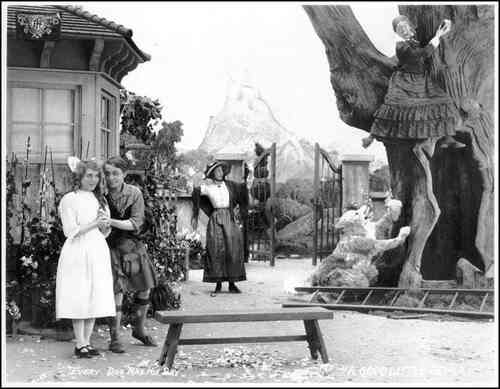
From a technical standpoint, the cinematography deserves special mention. The use of chiaroscuro—deep shadows juxtaposed with bursts of luminous color—mirrors the protagonist's oscillation between darkness and light, oppression and freedom. The film's score, a delicate blend of harp arpeggios and muted strings, underscores each emotional beat without ever overwhelming the narrative.
The supporting cast, including Ernest Lawford as the stern headmaster and Etienne Girardot as the eccentric gardener, provide textured layers that enrich the world-building. Their performances, while occasionally theatrical—a hallmark of the era—are anchored by a sincerity that prevents the story from slipping into melodrama.
A noteworthy element is the screenplay's deft handling of time. The narrative leaps from Charles's childhood to his adulthood with a fluidity that feels organic, aided by visual motifs—such as the recurring image of a moth drawn to a lantern—that symbolize the pull of destiny and the inevitability of change.
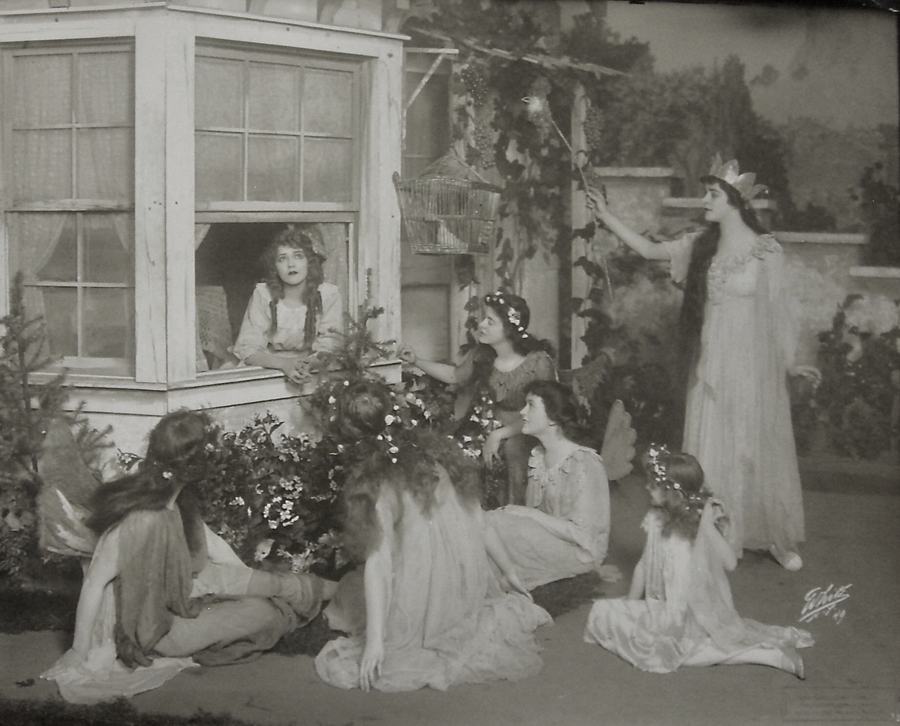
The film also engages with the concept of belief as a transformative force. Mrs. MacMiche's conversion from skeptic to believer is not presented as a sudden epiphany but as a gradual accumulation of small, almost imperceptible moments—a whispered lullaby, a child's giggle, the rustle of leaves—each reinforcing the notion that faith, whether in fairies or in oneself, can reshape reality.
While the narrative is undeniably whimsical, it does not shy away from addressing the harsher realities of class stratification. The stark contrast between the opulent ballroom scenes and the modest, improvised fairy gatherings serves as a visual commentary on the socioeconomic divide that pervades the film's world.
The film's pacing, though measured, never feels sluggish. Each act—childhood innocence, aristocratic indoctrination, rediscovery of self—unfolds with deliberate intention, allowing the audience to savor the emotional resonance of each transition.
In terms of legacy, A Good Little Devil occupies a unique niche within early twentieth‑century cinema. Its exploration of imagination as a form of resistance prefigures later works such as The Vicar of Wakefield, where inner worlds become sanctuaries against external oppression.
The film's dialogue, penned by Austin Strong, Maurice Rostand, and Rosemonde Gerard, balances poetic lyricism with period‑appropriate colloquialisms. Lines like "The fairies whisper louder than the aristocrats shout" encapsulate the film's central thesis: that the intangible often holds more power than the tangible.
From a modern perspective, the film's treatment of disability—Juliet's blindness—merits commendation. Rather than relegating her to a role of pity, the narrative positions her as a catalyst for Charles's emotional growth, thereby subverting contemporary tropes.
The final tableau, bathed in the sea‑blue twilight, is a visual ode to the film's overarching message: that love, imagination, and redemption are interwoven threads capable of stitching together fractured lives. The camera lingers on the trio—Charles, Juliet, and Mrs. MacMiche—hand in hand, their silhouettes framed against a sky awash in the hues of dusk, suggesting that the boundary between reality and fantasy is, perhaps, a construct of the mind.
In sum, A Good Little Devil offers a richly layered experience that rewards repeated viewings. Its thematic depth, combined with stellar performances and a meticulously crafted visual palette, ensures its place as a timeless exploration of the human capacity for wonder, transformation, and enduring love.
IMDb 5.1
1931
Community
Log in to comment.