DbcultAccessing Vault...
Cult Review
Senior Film Conservator
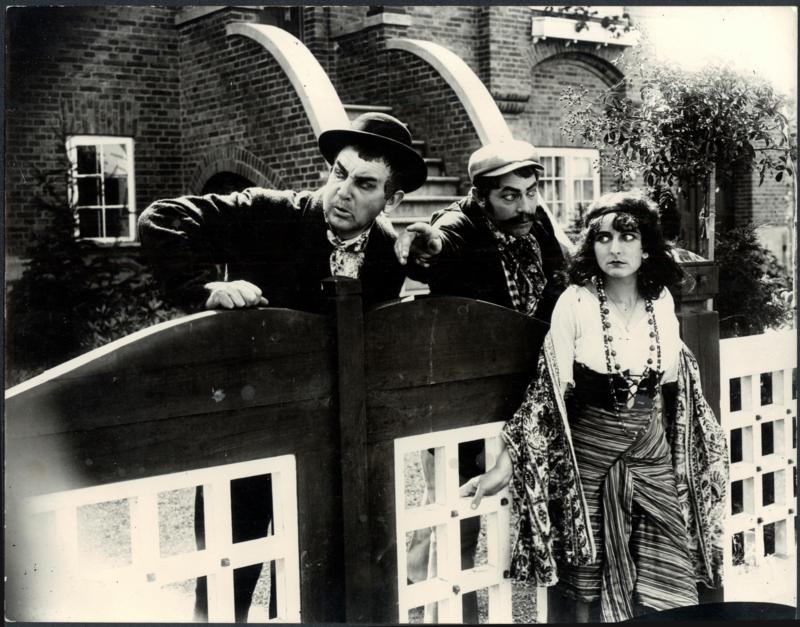
Stepping back into the nascent decades of cinema, one encounters works that, despite their technological limitations, resonate with a profound emotional depth, often surpassing the superficiality of modern spectacle. Carl Theodor Dreyer’s early involvement in ‘Fange no. 113’ (Prisoner no. 113) is, in itself, a beacon for cinephiles, promising a narrative imbued with the psychological acuity and moral gravitas that would define his legendary career. This silent drama, a poignant exploration of injustice and the unyielding human spirit, serves not merely as a historical artifact but as a testament to storytelling’s enduring power.
The film introduces us to John, portrayed with a compelling earnestness by Svend Melsing, an engineer whose life embodies the promise of a bright, industrious future. His world, painted in the sepia tones of early cinema, is one of burgeoning hope, particularly in his tender relationship with Elara, brought to life with luminous grace by Alma Hinding. Their love, a fragile blossom in a world on the cusp of tumultuous change, forms the emotional core against which the ensuing tragedy unfolds. Melsing imbues John with an innate decency, making his fall from grace all the more heart-wrenching. His gestures, his expressions, convey a man of integrity, utterly unprepared for the venomous machinations that await him.
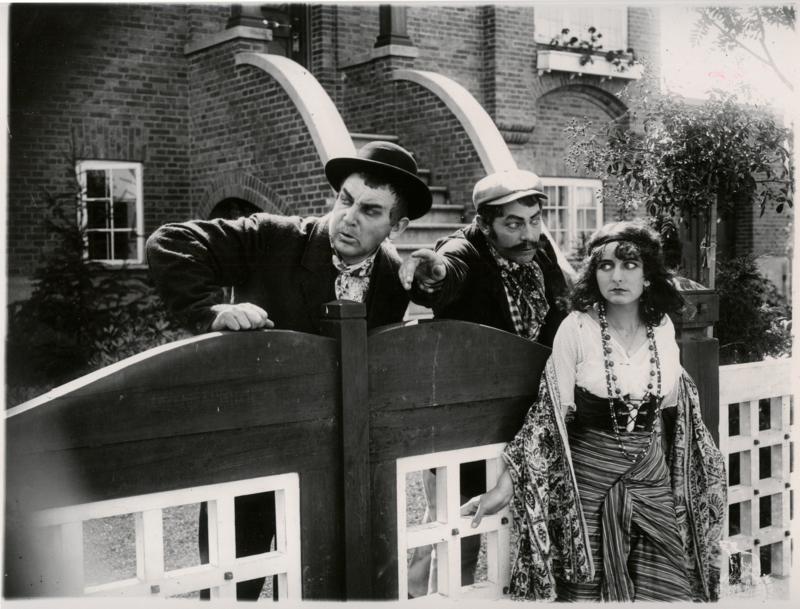
The antagonist, Mr. Thorne, masterfully embodied by Peter Fjelstrup, is not merely a villain but a meticulously crafted symbol of corporate avarice and moral decay. Thorne is a man whose outward respectability masks a ruthless ambition, a chilling precursor to the predatory figures that would populate cinema for decades. His orchestration of an elaborate embezzlement scheme, designed to frame John, is executed with a cold, calculated precision that leaves the audience aghast. Fjelstrup's performance, relying on subtle shifts in posture and a gaze that pierces through the screen, crafts a character whose malevolence is palpable, yet disturbingly human. He doesn't resort to theatrical villainy; instead, his evil is quotidian, insidious, making it all the more terrifying. The film posits a world where reputation is a fragile construct, easily shattered by the unscrupulous machinations of those in power. It’s a theme that resonates with the moral complexities explored in Hypocrites, though ‘Fange no. 113’ focuses its lens more sharply on the personal devastation wrought by such deceit.
John’s subsequent arrest and conviction plunge him into the bleak abyss of the penitentiary system, transforming him from a man of agency into a number – ‘Prisoner no. 113.’ The film’s depiction of prison life, while perhaps constrained by the sensibilities of its era, still manages to convey a profound sense of isolation and dehumanization. The stark sets, the monotonous routines, the crushing weight of confinement, all contribute to a palpable atmosphere of despair. Svend Melsing’s portrayal here is particularly powerful, his initial shock giving way to a quiet, internal struggle for survival. He is a man stripped bare, his identity reduced to a uniform and a number, yet his spirit, though battered, refuses to break entirely. This segment of the film, focusing on the sheer endurance of the human spirit under duress, calls to mind the thematic resonance of Fången på Karlstens fästning, where the harsh realities of incarceration similarly test the protagonist's resolve.
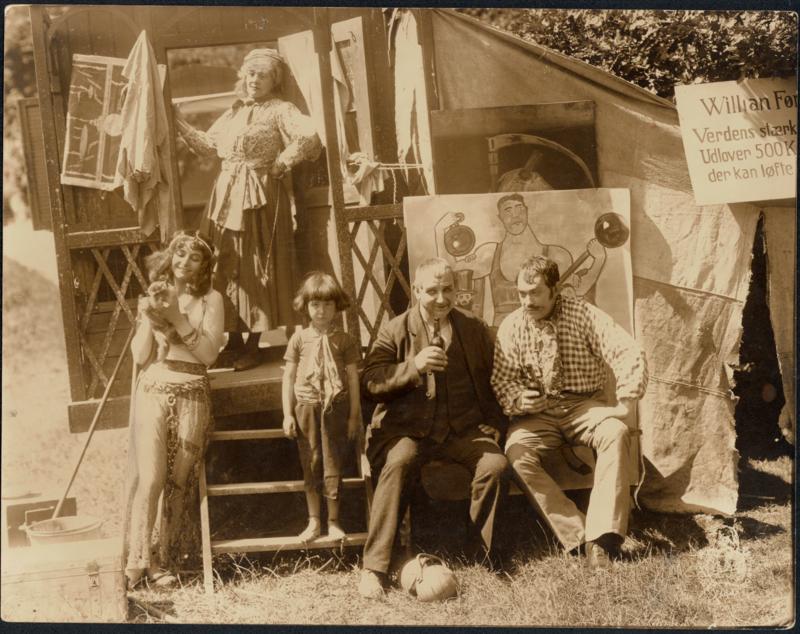
While John languishes, the true heart of the film’s active narrative pulsates through Elara. Alma Hinding’s performance is nothing short of extraordinary, portraying a woman who refuses to succumb to despair. Her initial grief quickly transforms into a steely determination, a quiet ferocity born of unwavering love. Elara becomes the audience’s surrogate, her quest for justice a testament to loyalty and perseverance. She navigates the labyrinthine bureaucracy, confronts societal skepticism, and, most perilously, dares to challenge Thorne’s formidable influence. Her journey is fraught with setbacks, moments where hope seems to flicker and die, yet she presses on, a single, resolute light against the encroaching darkness. Her character arc is a powerful counter-narrative to John’s passive suffering, highlighting the active role love can play in the face of overwhelming adversity. This relentless pursuit of truth in the face of overwhelming odds resonates deeply with the spirit of films like When Love Is King, where romantic devotion fuels extraordinary acts of courage.
The collaborative efforts of Carl Muusmann and Carl Theodor Dreyer in crafting this screenplay are evident in the meticulous plotting and the rich psychological undertones. Even in this early stage of his career, Dreyer’s signature thematic concerns – the suffering of the innocent, the hypocrisy of institutions, the search for spiritual truth – are discernible. The narrative unfolds with a deliberate pace, allowing for moments of quiet contemplation alongside bursts of dramatic tension. The silent film medium, with its reliance on visual storytelling and intertitles, is expertly utilized to convey complex emotions and intricate plot details. The absence of spoken dialogue forces a heightened attention to facial expressions, body language, and symbolic imagery, elements which Dreyer would later perfect in his more celebrated works.
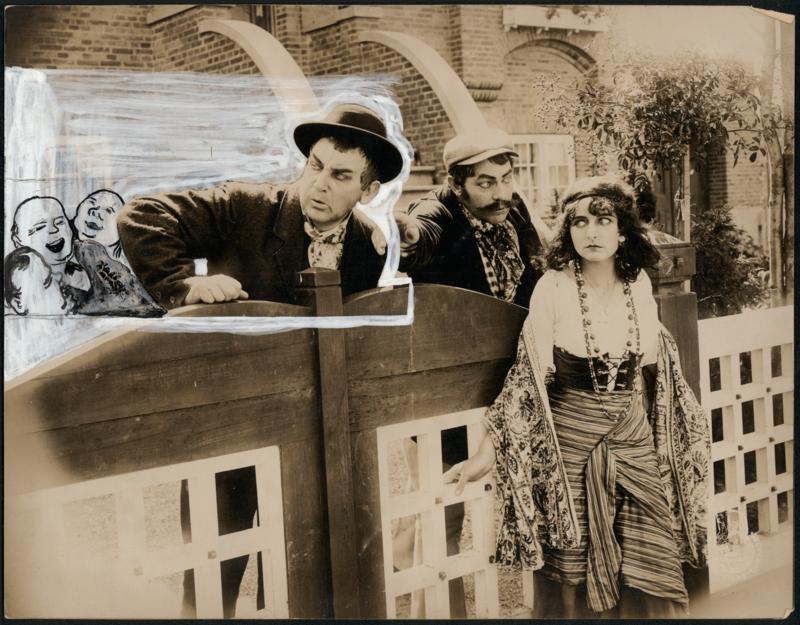
The cinematography, though rudimentary by today’s standards, is effective in establishing mood and guiding the viewer’s eye. The use of stark contrasts between light and shadow accentuates the moral dichotomies at play. The dim, oppressive lighting within the prison walls starkly contrasts with the fleeting moments of natural light Elara experiences during her investigation, symbolizing the struggle between despair and hope. Close-ups, used judiciously, draw the audience into the characters’ inner turmoil, particularly during John’s moments of quiet desperation and Elara’s determined resolve. The camera, even in its static nature, becomes a silent observer, capturing the raw, unvarnished emotions of the cast. The visual storytelling here, though less overtly stylized than something like Vampyrdanserinden, is nonetheless precise and impactful, conveying narrative and emotion through careful composition.
The supporting cast, while given less screen time, contributes significantly to the film’s texture. Peter Nielsen, perhaps as a sympathetic guard or a helpful acquaintance, offers a glimmer of humanity within the cold institutional setting, a vital counterpoint to the pervasive corruption. Erik Holberg, potentially a retired detective or a legal aid, provides the intellectual thrust to Elara’s emotional drive, helping her piece together the fragments of evidence necessary to expose Thorne. Gudrun Bruun Stephensen, in her role, might represent the societal indifference or even complicity that often allows injustice to flourish, adding another layer of complexity to the narrative tapestry. Each player, through their nuanced performances, helps to populate this cinematic world with credible individuals, each facing their own moral quandaries and personal struggles. This ensemble work, even in a silent feature, demonstrates a sophisticated understanding of dramatic balance, ensuring that the central performances are amplified rather than overshadowed.
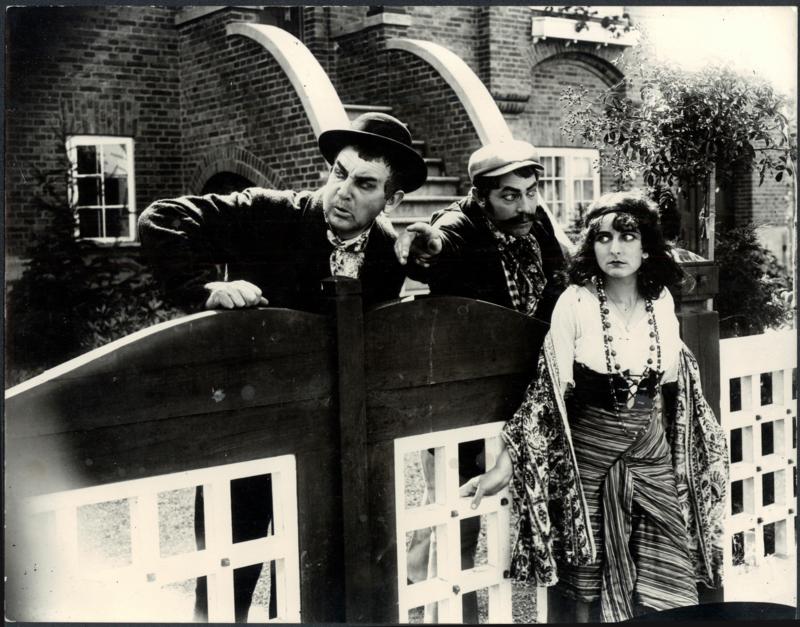
The film builds inexorably towards its dramatic climax, a tense unraveling of Thorne’s intricate web of deceit. Elara’s relentless investigation, fueled by her love for John, eventually uncovers a crucial piece of evidence – perhaps a hidden ledger, a coerced confession from a minor accomplice, or a careless slip of the tongue from Thorne himself. The revelation is often orchestrated with a masterful sense of timing, characteristic of silent era thrillers. The confrontation between Elara and Thorne, if indeed it occurs, would be a tour de force of silent acting, a battle of wills between purity and corruption. The tension is palpable, the stakes impossibly high, as the truth slowly but surely comes to light. The dramatic weight of this confrontation is akin to the moral reckoning seen in films like Satan Sanderson, where the forces of good and evil clash in a decisive manner.
The resolution, while offering John his freedom, is not without its poignant undertones. The scars of his imprisonment, both physical and psychological, are implicitly acknowledged. The film does not shy away from the enduring trauma of injustice, even when justice is ultimately served. While Thorne may face his comeuppance, the experience leaves an indelible mark on John, a testament to Dreyer’s nuanced understanding of human suffering. The ending, therefore, is not a simplistic triumph but a complex affirmation of resilience, a bittersweet victory that underscores the fragility of happiness in a world prone to cruelty. This sense of lasting impact, even after a resolution, separates ‘Fange no. 113’ from more straightforward melodramas and elevates it to a more profound exploration of the human condition.
‘Fange no. 113’ stands as a significant, albeit perhaps lesser-known, entry in the oeuvre of early Danish cinema, particularly for its connection to Carl Theodor Dreyer. It showcases the foundational elements that would later blossom into his unique cinematic language: a deep empathy for the suffering individual, a critical eye towards societal structures, and an unwavering commitment to moral truth. The film’s thematic concerns – wrongful accusation, the fight for justice, the power of love to overcome adversity – remain timeless and universally resonant. In an era where sensationalism often eclipses substance, this silent drama reminds us of the profound impact of character-driven storytelling.
Comparing it to other films of the period, ‘Fange no. 113’ holds its own with its blend of melodrama and social commentary. While not as overtly allegorical as Hypocrites, it certainly shares a similar moral backbone. Its dramatic intensity and focus on the individual’s struggle against a larger, corrupt system might draw parallels to the more character-focused narratives like Mice and Men, though without the literary source material. The emotional journey of Elara, in particular, echoes the fierce determination of protagonists in films such as The Curse of Eve, where women often challenge societal norms and injustices. Even in the context of pure entertainment, the film offers a gripping narrative, a testament to the power of compelling storytelling regardless of technological advancements. It avoids the more fantastical elements of films like Vampyrdanserinden, grounding its drama in a starkly realistic portrayal of human suffering and perseverance.
In conclusion, ‘Fange no. 113’ is a remarkable artifact, a silent film that speaks volumes. Its intricate plot, compelling performances, and underlying thematic depth solidify its place as an important piece of early cinematic history. It’s a film that asks profound questions about justice, morality, and the indomitable nature of the human spirit, questions that continue to resonate with audiences today. For those interested in the foundational works of cinema, and particularly the formative years of a master like Carl Theodor Dreyer, this film offers a deeply rewarding, albeit often somber, viewing experience. It reminds us that even in the absence of spoken words, a narrative can scream with injustice and whisper with the quiet strength of unwavering love, leaving an indelible mark on the soul of the viewer.
IMDb —
1923
Community
Log in to comment.