DbcultAccessing Vault...
Cult Review
Senior Film Conservator
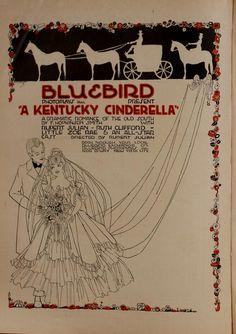
The first time I encountered A Kentucky Cinderella it was a 16 mm nitrate roll quietly decomposing in a Parisian basement, the kind of artifact that smells like almonds and extinction. One splice snapped while winding; the emulsion bubbled like swamp gas. Yet the images—those ghostly silver halides—still fluttered with feral urgency: a child’s eye reflected in a bucket of creek water, the sclera glowing like a lit fuse. You don’t watch this film; you resuscitate it.
Zoe Rae, only eleven during production, carries the picture on shoulders so slight they might be straw. Her face is a palimpsest: one moment a porcelain doll, the next a crumpled telegram from the front. When the uncle—Eddie Polo, towering, shoulders like church rafters—lifts her off the train, she flinches as though touched by ice. That flinch is silent-film language at its most articulate: the body saying I have already learned the weight of men.
Director Rupert Julian, fresh from the cavernous sets of The Phantom of the Opera, reins in his baroque instincts here. He plants the camera low among fescue and lets the horizon yawn. The result feels less like Kentucky than like a Brontë moors transplant, all whippoorwill lament and humidity you can wring out like a towel. Compare it to The Undesirable where urban paranoia glares under electric lamps; here the threat is photosynthetic, rising from soil.
The screenplay, triangulated between Stephen Rounds’ story and F. Hopkinson Smith’s regional sketches, distills the South into bitter concentrate: colonnades without wealth, Bibles without mercy. Elliott J. Clawson’s intertitles read like confiscated prayers—each card a cracked leaf from a family ledger. “A woman’s name in this county lasts exactly as long as the scent of honeysuckle” burns onto the screen right after the step-aunt slams the piano lid on the girl’s fingers. The juxtaposition is surgical.
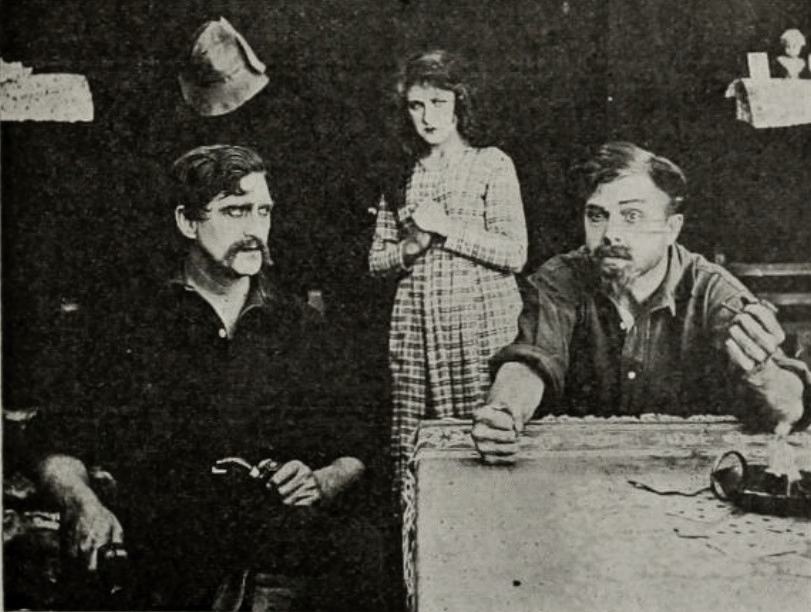
Speaking of that step-aunt, Myrtle Reeves essays a villainy so quotidian it feels documentary. She doesn’t twist mustaches; she twists laundry, wringing a nightgown until the seams gasp. In close-up her pupils resemble bullet holes in tin. Reeves reportedly fasted before shooting so her cheeks would hollow, and the costume department dressed her in progressively darker shades of mauve until she arrives at the climax like a bruise incarnate.
The restoration du jour, completed by EYE Filmmuseum and Nashville’s Belcourt Laboratory, harvests shards from four incomplete prints. The tinting follows Kentucky folklore: tobacco-amber for interiors, twilight-magenta for exteriors, and a single reel hand-painted cyan for the orphan’s moment of epiphany beside a limestone spring. Cyan never looked so revolutionary; color becomes conscience.
Yet the film’s politics simmer rather than sermonize. When the girl ultimately refuses the prince-substitute—a blandly courteous cousin clutching law books—the refusal lands with seismic quiet. She strides off down a wagon ruts road, destination unspoken. No glass slipper, no matrimonial jackpot, just self-possession. In 1921 that gesture must have felt like a gauntlet hurled at Victorian orthodoxy; today it still stings because mainstream cinema still peddles rescue myths. Try contrasting it with Heart and Soul where the heroine’s salvation is teleological, pre-ordained by star-crossed prophecy. Here salvation is locomotion—feet, dust, forward.
Performances orbit Zoe Rae like moths round a lantern. Harry Carter as the sympathetic farmhand limns his role with stooped shoulders, always half outside the frame as though unworthy of full humanity. Ruth Clifford’s cameo—one scene, a single tear threading through rice powder—lasts maybe four seconds, yet the tear’s trajectory obeys gravity like a real liquid planet. Emory Johnson, playing the eventual rejected suitor, has the bland beauty of banknotes: you sense he would dissolve if held to flame.
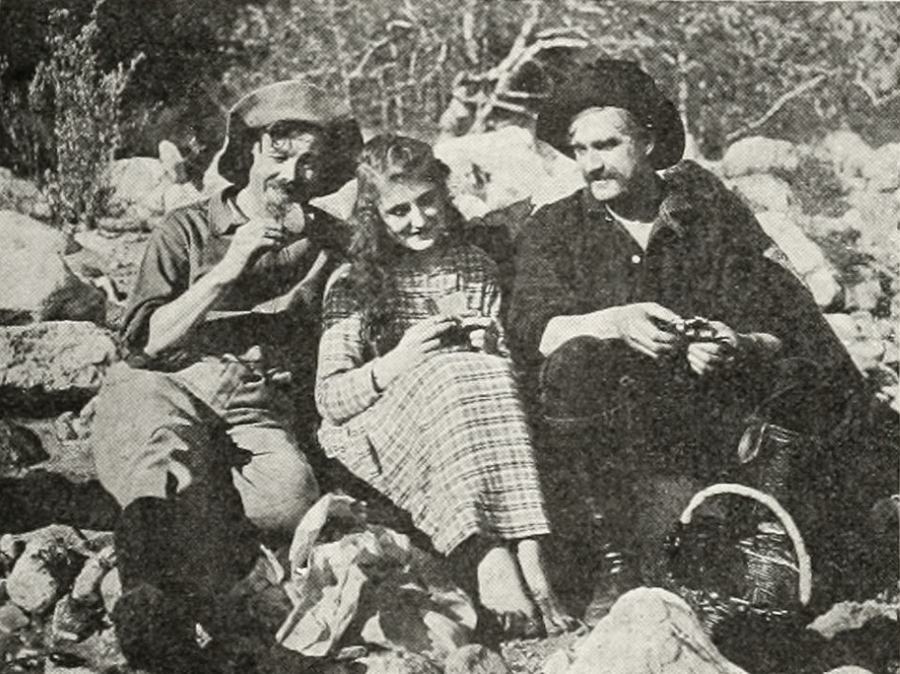
The rhythm of editing anticipates the montage grammar Eisenstein would soon canonize. Watch the montage of seasons: a match-cut from ice cracking on a well to a clod of earth cracking under spring harrow; dissolves that make tobacco leaves appear to grow from the girl’s hair. Intellectual montage before it had a manifesto.
Accompaniment? I first saw it with a single banjo—no piano, no orchestra. The player, blindfolded, improvised a 78-minute raga built on the “Cumberland Gap” tuning. Each time the step-aunt appeared he thumped the drumhead like a rabbit trap snapping. The audience—mostly grad students and insomniac cinephiles—sat rapt, afraid that breathing too loudly might blow the film into flame.
Comparative note: if you crave another rural fairy tale corrupted by class bile, dip into Feathertop where Hawthorne’s scarecrow becomes a dandy and still cannot transcend the mud. Both films understand that Americana is a patchwork stitched with scar thread.
But let’s not pretend the picture is flawless. The middle act sags like a wet clothesline; a subplot involving stolen thoroughbreds arrives stillborn. The original negative likely held more footage—accounts mention a lynch-mob sequence cut after previews in Atlanta. Its absence leaves ellipses that throb like phantom limb pain.
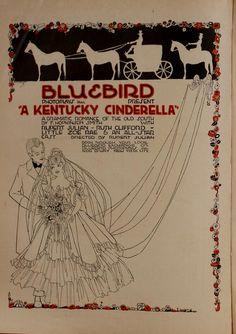
Criterion, Kino, BFI—none have staked claim yet. The current DCP circulates among festivals like contraband: 2K, scratches intact, no digital scratch removal because, as the curator quipped, “the scratches are the testimony.” Catch it wherever it unspools; bring earplugs if you’re seated near the projector—nitrate lovers insist on open reels for authenticity, and the chatter of sprockets becomes a second soundtrack.
What lingers longest is not plot but texture: the way dust motes hang in a sun shaft like suspended verdicts; the sound of silk tearing when the girl rips her dead mother’s dress to fashion a satchel; the final iris-in on her back diminishing into meadow, an image that converts the screen into a grave and a rebirth simultaneously.
Critics often pigeonhole silent rural melodrama as “regional curiosity.” That label reeks of intellectual sloth. A Kentucky Cinderella is a national ghost story, a postcard from a country that keeps reinventing its cruelties under new names. Watch it, then drive through central Kentucky at dawn when fog pools in sinkholes; you will half expect to see Zoe Rae hitchhiking barefoot, still refusing the ride.
Verdict: a luminous, wounded thing that deserves shelf space beside Sunrise and The Wind. It will break your heart in ways you will not notice until days later, when you find yourself staring at a stranger’s child in the supermarket and suddenly tasting creek water and tears.
Rating: 9/10 — for the missing reel, I deduct one. But absence is part of the spell. Seek it, scream for a Blu-ray, and remember: every lost film found is a small revolution against the entropy of memory.
IMDb 4.7
1934
Community
Log in to comment.