DbcultAccessing Vault...
6.3/10
Senior Film Conservator
A definitive 6.3/10 rating for a film that redefined the boundaries of cult cinema. Alice's Medicine Show remains a cornerstone of transgressive art.
Should you invest your time in Alice's Medicine Show today? Short answer: only if you are a dedicated student of animation history or a Disney completist. This 1927 short is a fascinating archaeological find, but for the casual viewer, it lacks the narrative cohesion found in later silent masterpieces.
This film is for those who find joy in the mechanical evolution of cinema and the 'rubber-hose' animation style. It is emphatically not for those seeking emotional depth or the polished storytelling of the post-Steamboat Willie era.
1) This film works because it pushes the technical boundaries of 1920s compositing, making the interaction between Lois Hardwick and Julius the Cat feel surprisingly tactile for the era.
2) This film fails because the live-action segments feel static and detached, often slowing down the frantic energy that the animated characters bring to the screen.
3) You should watch it if you want to see the literal blueprint for Mickey Mouse in the character of Julius, or if you are tracking the transition of the Alice series from Virginia Davis to Lois Hardwick.
To answer the question of modern relevance: Alice's Medicine Show is a curiosity rather than a classic. It serves as a bridge between the primitive 'lighting sketches' of the early 1900s and the sophisticated character animation of the 1930s. If you go in expecting a cohesive plot, you will be disappointed. However, if you go in looking for the 'spark' of early Disney, it is there in spades.
The film functions as a collection of gags. Some land, some don't. But the sheer audacity of placing a real child in a cartoon world remains impressive, even if the seams are showing. It is a rough draft of greatness. It works. But it’s flawed.
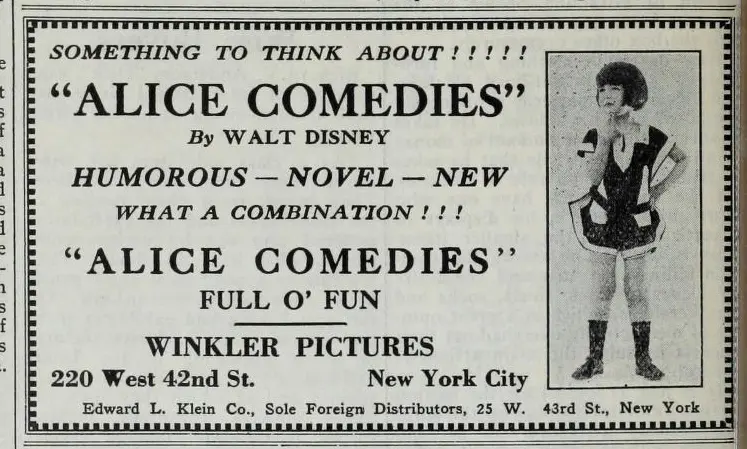
By the time we get to Alice's Medicine Show, the original charm of the series had begun to wane. Lois Hardwick, the third actress to play Alice, lacks the wide-eyed wonder of Virginia Davis. In many scenes, Hardwick feels like she is merely waiting for the director to yell 'cut' so she can step out of the void. Her performance is functional, but it lacks the rhythmic synchronization required for this medium.
The real star, as was often the case in the later Alice Comedies, is Julius the Cat. Julius is the engine of the film. Whether he is contorting his body to serve as a prop or reacting with exaggerated horror to the medicine's effects, he provides the personality that Hardwick cannot. In one specific sequence, where Julius attempts to 'sell' the medicine to a skeptical crowd, we see the early DNA of Mickey Mouse’s mischievousness. The cat carries the girl.
The choice of a medicine show as the central theme is a clever meta-commentary on the film industry itself. Much like the hucksters selling patent medicine, early filmmakers were selling a 'miracle'—the illusion of life. The cinematography is predictably flat, typical of the era's technical constraints, but the way the camera frames the 'stage' of the medicine wagon creates a sense of depth.
Compare this to the grander, more theatrical staging of Captain Alvarez or the religious iconography of From the Manger to the Cross, and Alice's Medicine Show feels like a gritty, low-budget street performance. It doesn't have the atmospheric weight of The House of Mystery, but it possesses a manic, caffeine-fueled energy that those longer features lack.
The pacing is a double-edged sword. The short moves at a breakneck speed, which prevents the viewer from dwelling on the lack of plot. However, this speed often results in gags that don't have time to breathe. For instance, a moment where a character reacts to the 'medicine' happens so quickly that the punchline is lost in the transition to the next animated sequence.
There is a strange tonal shift between the reality of the live-action Alice and the surrealism of the animated world. Alice is grounded and somewhat stiff, while the world around her operates on dream logic. This creates a disconnect that wasn't as prevalent in earlier entries like Alice’s Wonderland. It’s as if the two mediums were starting to fight each other for dominance.
Here is a debatable opinion: Alice's Medicine Show is actually Walt Disney's secret confession about his own business model at the time. In 1927, Disney was struggling with distributors and the rising costs of production. By casting Alice and Julius as peddlers of a 'cure-all' that is clearly just water and ink, Disney was acknowledging the precarious nature of his studio's survival. He was the huckster, and we were the animated animals in the crowd.
Alice's Medicine Show is a minor work in the grand Disney canon, but it is a vital one. It captures a moment where the studio was perfecting the art of the 'gag'—a skill that would later make them world-beaters. While it lacks the emotional resonance of something like Young Mrs. Winthrop or the sheer dramatic intensity of The Iron Woman, it offers a raw, unpolished look at the birth of an industry.
"A chaotic, uneven, yet historically indispensable piece of animation history that proves even the greatest empires start with a bit of snake oil."
Final Score: 6/10 — A historical treasure, but a cinematic chore.
IMDb 5.8
1933
Community
Log in to comment.