DbcultAccessing Vault...
3.5/10
Senior Film Conservator
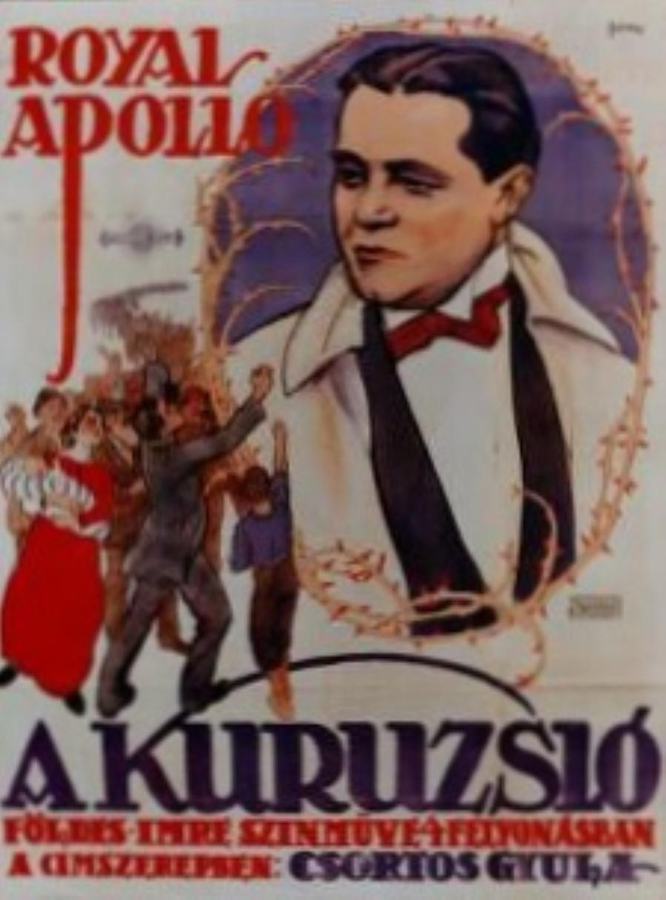
A definitive 3.5/10 rating for a film that redefined the boundaries of cult cinema. A kuruzsló remains a cornerstone of transgressive art.
Stepping back into the hallowed halls of silent cinema, one occasionally unearths a gem whose thematic resonance feels as potent today as it must have upon its initial release. Such is the case with A kuruzsló, a Hungarian masterwork that delves into the intricate dance between faith, deception, and the desperate human need for solace. This film, a product of the early 20th century's vibrant cinematic landscape, is far more than a historical curiosity; it's a profound character study, a social commentary, and a visually arresting experience that demands contemporary re-evaluation. Penned by the insightful duo of Imre Földes and Ladislaus Vajda, the narrative unfolds with a meticulous pace, allowing its complex protagonist to breathe and evolve, or perhaps, to unravel.
At its core, A kuruzsló introduces us to István, portrayed with riveting intensity by Ferenc Hegedüs. István arrives in a desolate, forgotten village, a place where hope has long since withered, replaced by the grim realities of poverty and pervasive illness. He is a figure cloaked in mystery, possessing an almost hypnotic charisma and an uncanny ability to soothe suffering. The villagers, desperate for any reprieve, quickly embrace him as a miracle worker, a beacon in their bleak existence. Hegedüs’s performance is a masterclass in silent acting; his eyes convey a turbulent inner world, a constant battle between his genuine desire to heal and the calculated artifice required to maintain his burgeoning legend. He moves with a quiet authority, yet there are fleeting moments – a subtle tremor in his hand, a shadow crossing his face – that hint at the profound secrets he carries.
The film excels in building this atmosphere of desperate belief and burgeoning suspicion. The camera lingers on the faces of the afflicted, capturing their raw vulnerability, making István's 'cures' feel genuinely impactful within the narrative's emotional framework. One cannot help but draw comparisons to other films that explore the magnetic pull of charismatic figures in times of crisis, though often with darker undertones. While not directly analogous, the way a community places its hopes in a single individual, much like the fervent belief in the supernatural in something like A Message from Mars, highlights a fundamental human yearning for answers beyond the mundane. Here, however, the questions are more earthly, revolving around the ethics of healing and the fine line between faith and exploitation.
István's growing influence does not go unchallenged. László Z. Molnár, as Dr. Kovács, embodies the voice of scientific skepticism and rational inquiry. Molnár delivers a nuanced performance, portraying Kovács not as a villain, but as a man of principle, deeply concerned by the potential harm István's practices could inflict. His character serves as a crucial counterpoint, forcing the audience to grapple with the complexities of belief versus evidence. The conflict between these two men is not merely professional; it’s philosophical, a clash between the ancient allure of folk remedies and the nascent authority of modern medicine. This tension is palpable throughout the film, elevating it beyond a simple tale of good versus evil.
The emotional core of the village's entanglement with István lies in Claire Lotto's portrayal of Ilona, a young woman whose delicate health makes her particularly susceptible to the kuruzsló's mystique. Lotto imbues Ilona with a luminous fragility, her hope in István almost heartbreakingly pure. Her journey from despair to renewed vitality under his care is central to the film's exploration of the placebo effect, the power of belief, and the ethical quandaries inherent in offering false hope. The film doesn't shy away from the moral ambiguities, a bold choice for its time, suggesting that even if a cure is achieved through deception, the relief it brings is undeniably real. This intricate dynamic reminds one of the moral mazes presented in films like The Clue, where appearances and underlying truths are constantly at odds, creating a sense of unease and intrigue.
Just as István's reputation reaches its zenith, the past he so desperately tried to outrun catches up with him. Margit T. Halmi delivers a pivotal performance as a woman from István's former life, a figure whose reappearance threatens to dismantle his carefully constructed façade. Halmi’s character is not merely an antagonist but a catalyst, forcing István to confront the consequences of his earlier choices. Her presence introduces a layer of tragic irony, as the man who brings hope to others is himself haunted by a past he cannot heal. The narrative deftly weaves flashbacks and subtle visual cues to reveal István’s true identity: a brilliant but disgraced medical student, expelled for unorthodox and potentially dangerous practices, whose early attempts at healing led to unforeseen tragedy. This revelation transforms him from a simple charlatan into a more complex, almost tragic figure, driven by a twisted sense of atonement or perhaps just the insatiable hunger for validation.
The supporting cast, including Gyula Csortos, Tivadar Uray, Gyula Fehér, Ica von Lenkeffy, Lajos Réthey, and Giza Báthory, contribute significantly to the film's rich texture. Each performance, though often brief, adds depth to the village's collective consciousness, portraying the diverse reactions to István – from unwavering devotion to simmering resentment. The villagers are not a monolithic entity; they are individuals, each with their own hopes, fears, and judgments. This ensemble work is crucial in grounding the fantastical elements of István's 'miracles' in a believable human context. The tension created by the looming threat of exposure, reminiscent of the intricate deceptions in Fantômas: The False Magistrate, keeps the audience on edge, anticipating the inevitable collapse of István’s carefully balanced world.
The directorial choices throughout A kuruzsló are particularly noteworthy. The use of light and shadow is masterful, creating a visual language that underscores the film's thematic concerns. István is often framed in soft, almost ethereal light when performing his 'cures,' emphasizing his perceived divinity, while moments of doubt or confrontation plunge him into deeper shadows, reflecting his inner turmoil. The stark, often bleak Hungarian landscapes serve as a powerful backdrop, mirroring the villagers' hardship and the isolation of István's moral dilemma. The cinematography, though characteristic of the era, employs subtle techniques that enhance emotional impact, such as close-ups on hands, eyes, or significant objects, allowing the silent actors to convey complex emotions without spoken dialogue.
The film's exploration of societal vulnerability and the power of charismatic figures resonates deeply. It questions the very nature of healing – is it purely physiological, or does faith play an undeniable role? It critiques the societal conditions that create fertile ground for charlatans, where desperation overrides critical thinking. Yet, it also offers a compassionate look at István, suggesting that his actions, however misguided, stem from a complex blend of ego, ambition, and perhaps a genuine, albeit flawed, desire to do good. This nuanced approach to morality is a hallmark of truly great cinema, allowing for multiple interpretations and fostering ongoing discussion.
While A kuruzsló might not be as widely known as some of its contemporary European counterparts, its artistic merit and thematic depth secure its place as a significant contribution to early cinema. It stands as a testament to the Hungarian film industry's creative prowess during a period of intense artistic experimentation. The film's ability to weave a compelling narrative around complex moral questions, without the aid of spoken dialogue, is a remarkable achievement. It requires the audience to engage actively, to interpret gestures, expressions, and visual metaphors, fostering a deeper, more immersive experience.
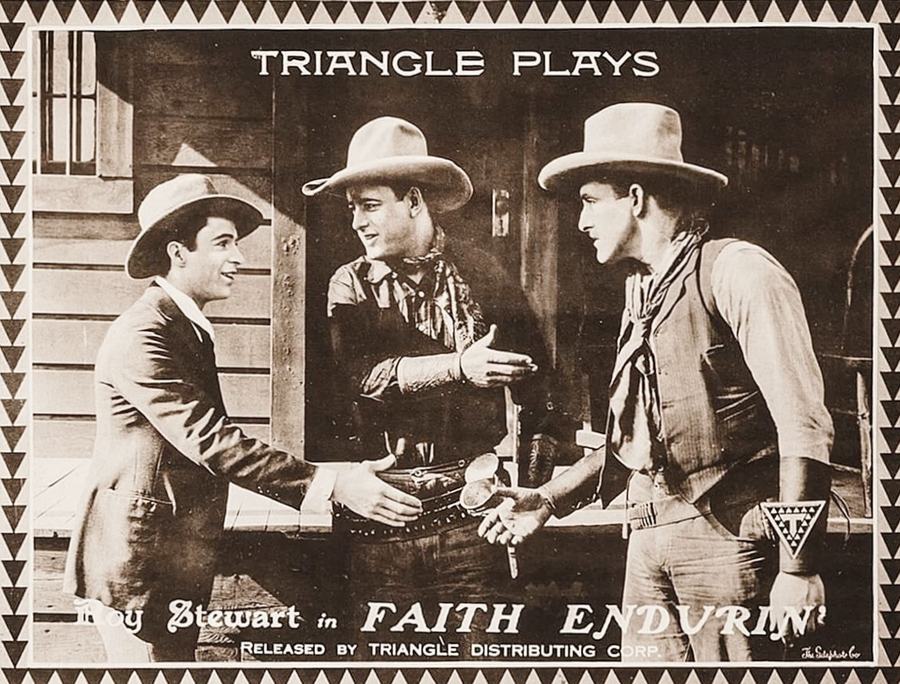
In an era where films like The Good Bad-Man explored the fluidity of morality in the American West, A kuruzsló offered a European perspective on similar themes, albeit within a more intimate, psychological drama. Its portrayal of a flawed protagonist navigating a world of desperate hope and cynical scrutiny provides a timeless commentary on the human condition. The film, much like a carefully aged wine, gains richness and complexity with time, inviting new generations of viewers to ponder its intricate questions. It reminds us that the fundamental human struggles – the search for meaning, the battle against despair, the ethical tightrope walk – remain constant, regardless of the technological advancements in storytelling. Its legacy is not just in its historical place, but in its enduring power to provoke thought and stir the soul. The climactic confrontation, where István’s world crumbles, is a masterclass in silent dramatic tension, leaving the audience to ponder the true cost of his 'miracles' and the profound impact of his choices on himself and those he purported to help.
Ultimately, A kuruzsló is a film that rewards close attention. It is a quiet epic, a psychological drama dressed in the elegant simplicity of silent film. It doesn't offer easy answers, but instead presents a mirror to humanity's complex relationship with belief, healing, and the often-blurred lines between savior and charlatan. Its enduring power lies in its ability to spark introspection, making it a compelling watch for anyone interested in the foundational narratives of cinema and the timeless questions they pose. The film is a powerful reminder that even without spoken words, the screen can convey the deepest human emotions and the most profound moral dilemmas with unparalleled impact, a testament to the artistry of its creators and the raw talent of its cast.
IMDb 7
1933
Community
Log in to comment.