DbcultAccessing Vault...
Cult Review
Senior Film Conservator
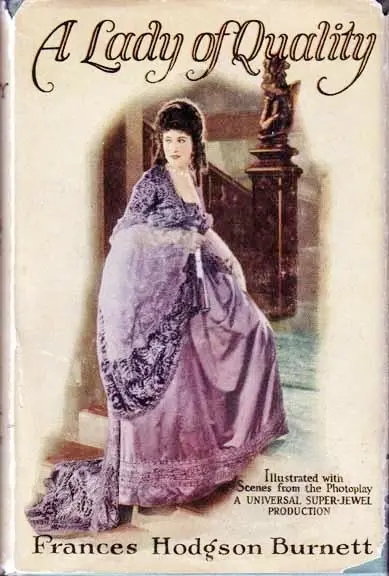
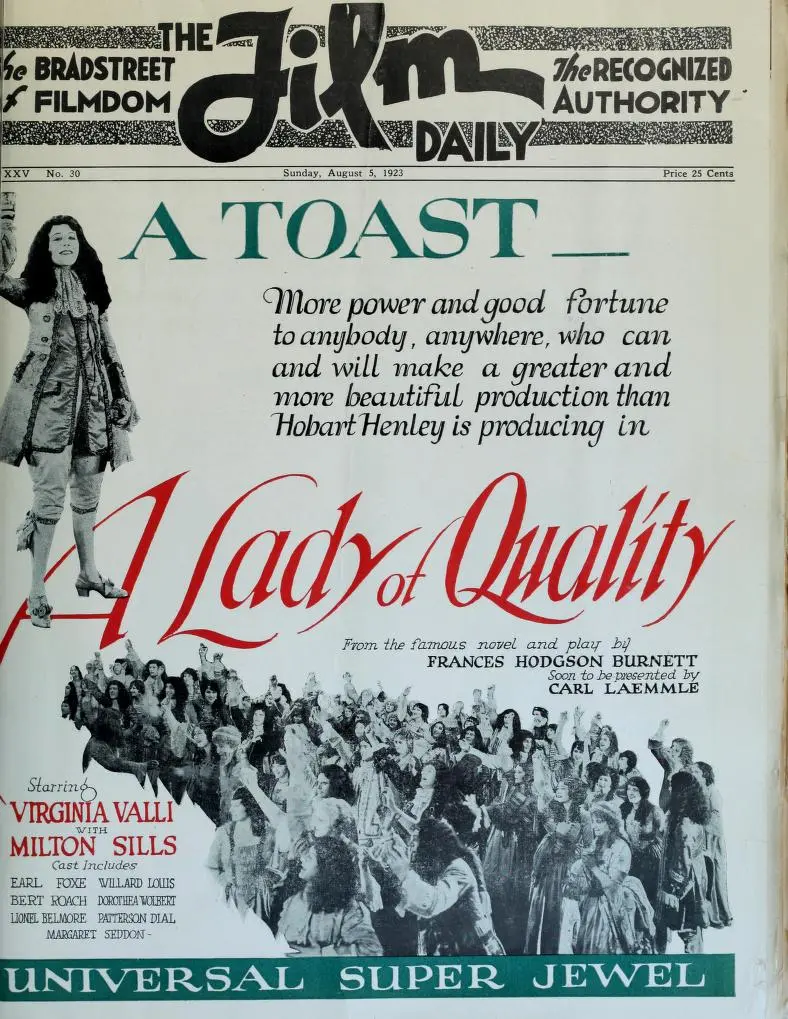
Stepping back into the hallowed, hushed halls of early 20th-century cinema, one often encounters narratives that, despite their age and the technical limitations of their time, resonate with a surprising contemporary power. A Lady of Quality, the 1924 silent drama, is precisely such an artifact. More than just a relic, it is a vibrant, if at times melodramatic, exploration of female agency, societal constraint, and the indelible stain of past transgressions. Directed by Hobart Henley and brought to the screen by a formidable writing team including Marion Fairfax, Frances Hodgson Burnett (whose original novel served as the source material), Arthur Ripley, and Marian Ainslee, this film plunges us into a world where reputation is everything, and a woman's virtue is her most fragile, yet most potent, currency.
At its heart, A Lady of Quality is the story of Clorinda Wildairs, portrayed with a compelling mix of fiery spirit and simmering vulnerability by Yvonne Armstrong. Clorinda is no demure Victorian maiden; she is a woman of formidable will, whose early life is marked by a passionate, and ultimately ill-advised, affair with the unscrupulous Sir John Ozen. This dalliance, a scandalous secret in the rigid social tapestry of the era, becomes the fulcrum upon which her destiny pivots. Armstrong imbues Clorinda with a captivating internal struggle, conveying the character's initial recklessness and subsequent yearning for respectability without needing a single spoken word. Her expressions, the subtle shifts in her posture, and the intensity of her gaze are all masterclasses in silent film acting, allowing the audience to intuit the emotional maelstrom within.
The narrative truly ignites when Clorinda attempts to forge a new path, one paved with societal acceptance and genuine affection. Her engagement to Mertoun, the distinguished Duke of Osmonde, symbolizes a chance at redemption, a definitive break from her tarnished past. However, the past, as it so often does in classic melodrama, refuses to remain buried. Sir John Ozen, consumed by a venomous cocktail of jealousy and malice, re-emerges, threatening to expose Clorinda’s former indiscretion and shatter her meticulously rebuilt life. This is where the film transcends mere romance, delving into the darker psychological currents of blackmail and desperation. The stakes are monumental, not just for Clorinda's personal happiness, but for her very standing in a society that unforgivingly judges women based on their perceived moral purity.
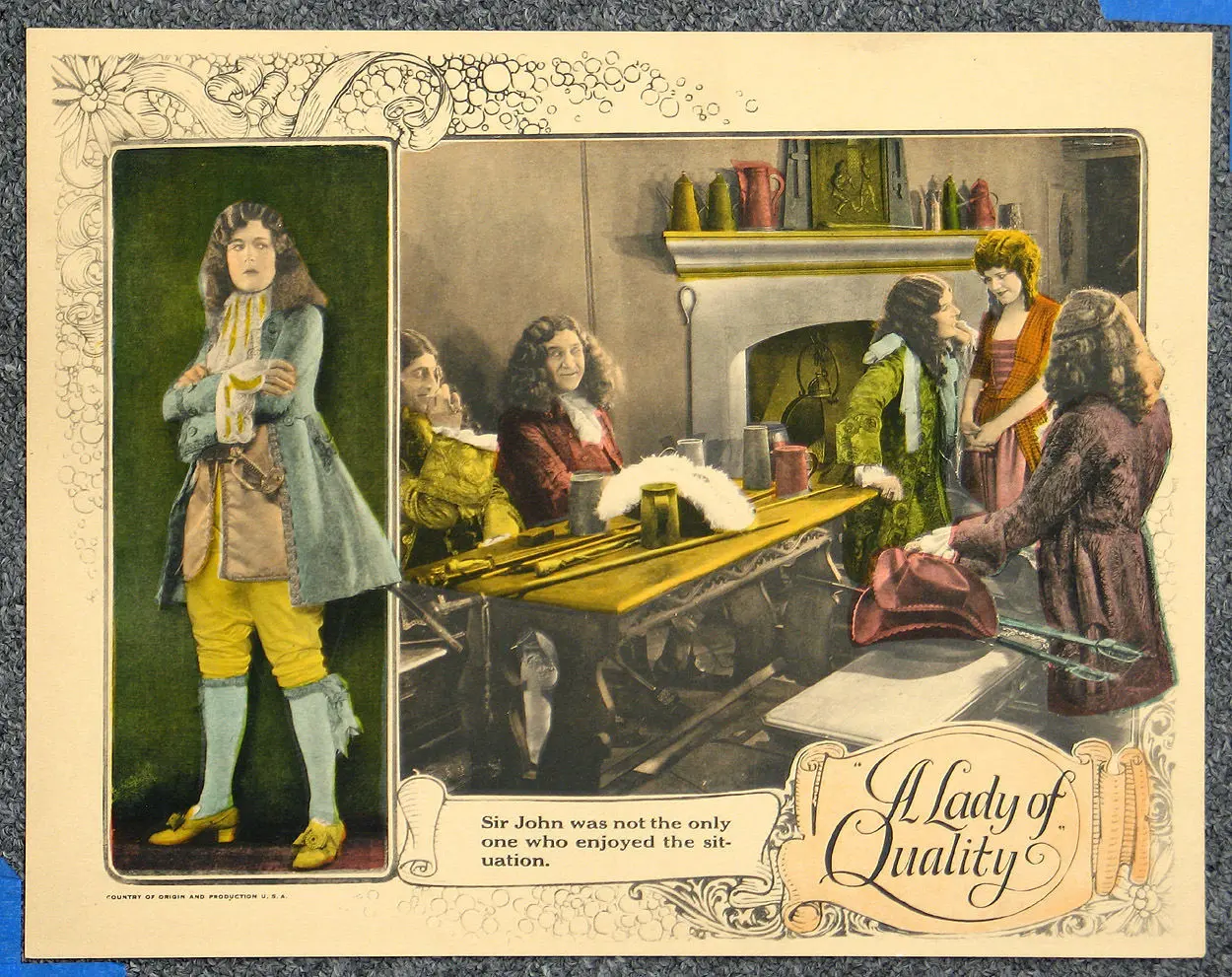
The pivotal scene, the accidental killing of Sir John Ozen, is handled with a potent blend of tension and tragic inevitability. It's a moment born not of malice, but of frantic self-preservation, a desperate lashing out against a man determined to ruin her. The film doesn't shy away from the gravity of this act, nor does it sensationalize it gratuitously. Instead, it frames it as a terrible consequence of Sir John's own villainy and Clorinda's cornered desperation. This sequence, masterfully staged, leaves an indelible impression, placing Clorinda in an impossible moral bind. The subsequent burial of the body in the cellar is a chilling testament to her resolve, but also a haunting symbol of the secret she must now carry. This aspect of concealed crime echoes elements found in later, more explicit thrillers like Alfred Hitchcock's Blackmail, showcasing how silent cinema already understood the power of psychological suspense long before sound entered the fray.
The true genius of the narrative, however, lies in its resolution. Clorinda’s decision to confess her terrible secret to the Duke of Osmonde is a moment of profound vulnerability and courage. Willard Louis, as the Duke, portrays a character of unexpected depth and magnanimity. His forgiveness, far from being a plot convenience, feels earned through the film’s careful character development. It’s a bold statement for its time, suggesting that love and understanding can transcend societal judgment and even the most grievous of secrets. This unconventional absolution elevates the film beyond typical melodrama, pushing it into the realm of a nuanced character study. It presents a vision of partnership built on radical honesty and acceptance, a refreshing counterpoint to the era's often-rigid portrayals of romance.
Yvonne Armstrong’s performance is undoubtedly the cornerstone of A Lady of Quality. She navigates Clorinda’s complex emotional landscape with remarkable dexterity, from her initial fiery independence to her subsequent anguish and, finally, her quiet strength. Her eyes, often shadowed with worry or blazing with defiance, convey more than pages of dialogue ever could. It’s a performance that holds its own against other strong female leads of the era, perhaps even inviting comparison to Mary Pickford’s spirited orphan in Daddy-Long-Legs or the titular character in Peg o' My Heart, though Clorinda's journey is decidedly darker and more morally ambiguous. Armstrong captures the essence of a woman striving to reclaim her narrative in a world determined to define her by her past mistakes.
Willard Louis, as the Duke of Osmonde, provides a stoic yet deeply empathetic foil to Armstrong’s passionate Clorinda. His portrayal of a man capable of such profound understanding and forgiveness is crucial to the film’s emotional impact. He avoids the trap of being a mere plot device, instead imbuing the Duke with a quiet dignity and an almost revolutionary open-mindedness for the period. The chemistry between Armstrong and Louis, though largely conveyed through longing glances and subtle gestures, is palpable, making their eventual union feel genuinely earned rather than simply convenient.
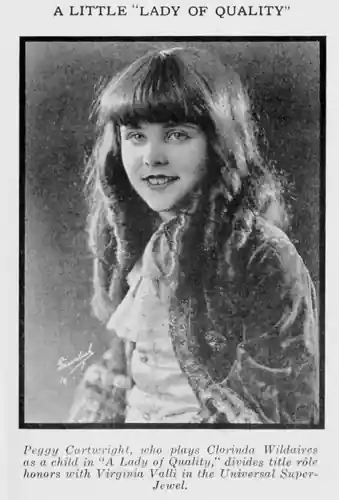
The supporting cast, though given less screen time, contributes effectively to the film's atmosphere. Milton Sills, as Sir John Ozen, embodies the quintessential cad with chilling effectiveness, his sneering threats and manipulative demeanor providing a formidable antagonist. Dorothea Wolbert and Leo White, often known for their comedic roles, here contribute to the dramatic fabric, ensuring that the world around Clorinda feels lived-in and authentic. Even the brief appearances by child actors like Peggy Cartwright and Rosina Lawrence, in their early careers, add texture to the background, hinting at the broader social tapestry of the time.
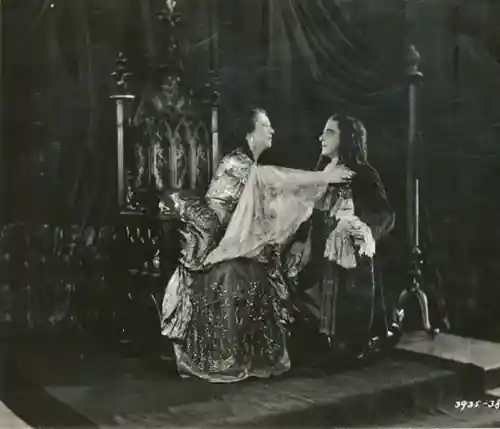
Hobart Henley’s direction of A Lady of Quality demonstrates a keen understanding of silent film aesthetics and dramatic pacing. The film moves with a deliberate rhythm, building tension effectively without resorting to excessive histrionics. Henley utilizes close-ups to great effect, allowing the audience to connect intimately with the characters’ internal states, a technique vital for conveying complex emotions without dialogue. The staging of key dramatic confrontations is particularly noteworthy, ensuring that every gesture and expression carries significant weight. His work here, while perhaps not as widely celebrated as some of his contemporaries, shows a solid grasp of narrative structure and visual storytelling.
The screenplay, a collaborative effort by Marion Fairfax, Arthur Ripley, and Marian Ainslee, adapting Frances Hodgson Burnett’s novel, is a testament to the enduring power of strong source material. Burnett, known for her intricate characterizations and compelling narratives in works like Daddy-Long-Legs
IMDb —
1930
Community
Log in to comment.