DbcultAccessing Vault...
Cult Review
Senior Film Conservator
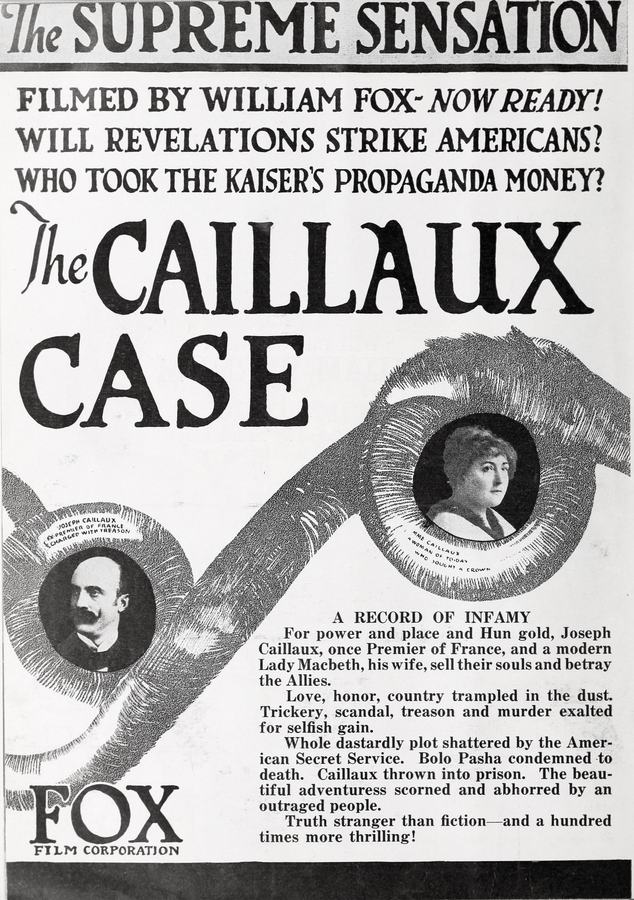
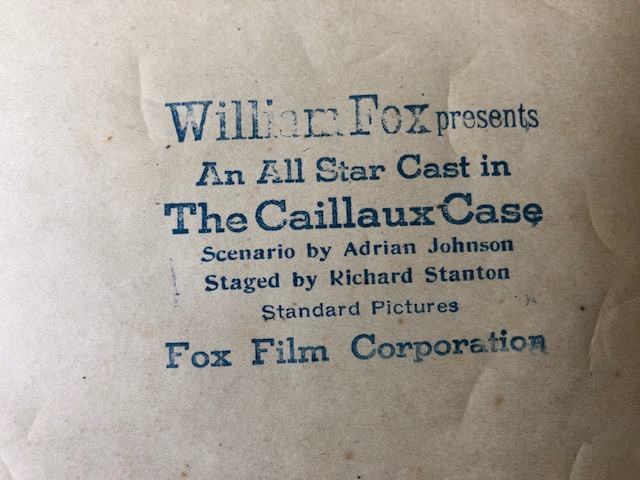
Celluloid ghosts seldom glow this hot. Director Adrian Johnson’s The Caillaux Case—restored in 4K from the sole surviving tinted nitrate print—returns like a long-buralled scandal exhumed by torchlight. Shot in late 1923, released in the jittery spring of 1924 when Europe still stank of cordite and printer’s ink, the picture weaponizes silence: every intertitle a scalpel, every iris a keyhole.
Johnson and cinematographer George Humbert shoot the opening assassination with the surgical chill of a forensic tableau. Cameras glide across the Palais de Justice’s chessboard floor; low-angle lenses swallow gilded ceilings, turning jurisprudence into cathedral vertigo. Note the color palette: bruised violets for Henriette’s confession, arsenic greens for clandestine bureaus, arterial reds reserved for Calmette’s blood spatter on newsprint. The tinting is no novelty—it’s a chromatic indictment.
Compare the film’s chiaroscuro to The Married Virgin, where shadows merely flirt with danger; here they marry it, raise children, send them to Swiss boarding schools funded by enemy gold.
Norma McCloud’s Henriette oscillates between porcelain composure and seismic panic without the usual silent-era histrionics. Watch her gloved fingers drum a waltz on the revolver’s grip—an anxious motif that crescendos into the fatal sextet. Eugene Ormonde counterbalances with lupine elegance; his Caillaux never sweats, even when evidence stacks like artillery crates. Their marital chemistry is a tango danced on quicklime: intimacy as espionage.
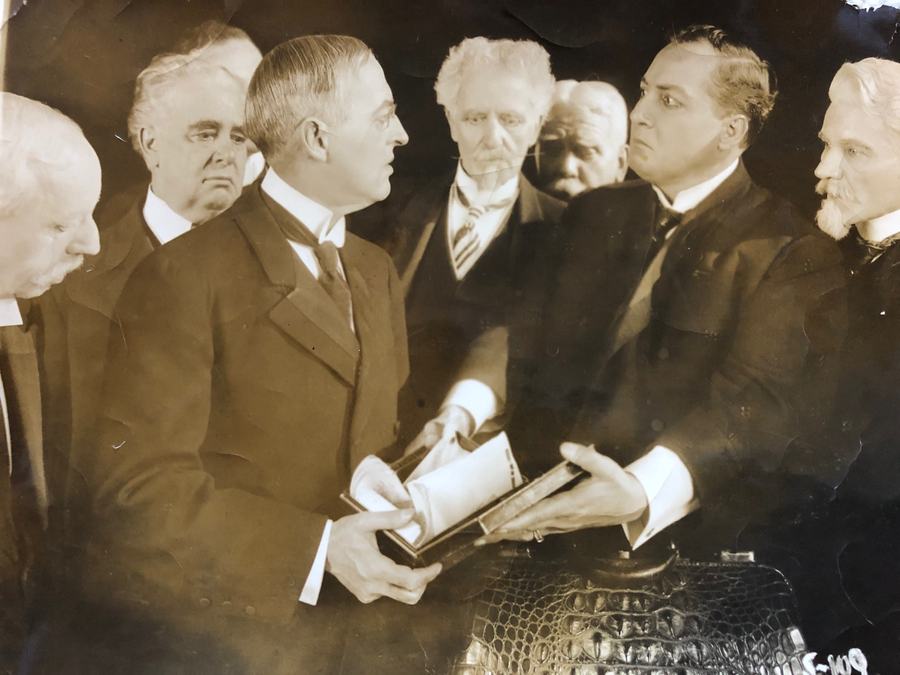
“I did not kill a man; I defended a horizon,” Henriette’s intertitle declares—yet McCloud’s eyes confess she isn’t sure whether that horizon is matrimonial or geopolitical.
Frank McGlynn Sr., as the bulldog prosecutor, channels Émile Zola’s bulldozer righteousness. His summation—delivered in thunderous title cards—reminds viewers that French justice, like brie, can smell stronger than it tastes.
No musical cue survives, so contemporary screenings often commission new scores. I caught a 35mm print at MoMA accompanied by a prepared-piano and looped typewriter concerto—each clack evoking newsroom urgency, each bass tremolo mimicking the rumble of mobilizing armies. The absence of canonical score liberates the viewer; you supply your own heartbeat, and it invariably syncopates with the gunfire.
Johnson’s boldest stroke is narrative omission. He refuses to show the jury’s final ballot, cutting instead to a montage: a German courier burning documents, a Parisian concierge scrubbing blood, a typist striking the letters S-P-Y with trembling fingers. History tells us Henriette was acquitted; Johnson tells us history lost the thread.
This open-endedness plants the film closer to The Yellow Ticket’s urban paranoia than to the tidy retributions of The Criminal Path.
The extant reel measures 8,247 feet—roughly 102 minutes at 22 fps. Swiss lab Haghefilm repaired 2,142 splices, rebuilt two missing shots from a 1924 censorship roll in Brussels, and grafted French and American intertitles into a single bilingual stream. The resulting hybrid accentuates the film’s fractured identity: half Parisian salon, half Hollywood courtroom.
Faint signs of decomposition linger—chemical snowfall in the corners—but that scarring only heightens the verisimilitude: history itself is moth-eaten.
Henriette’s defense strategy—crime passionnel—was a legal Houdini act for Belle Époque wives. Johnson neither romanticizes nor condemns; he deconstructs. In one proto-feminist intertitle, Henriette laments: “My womb signed treaties my mind never read.” The line anticipates Virginia Woolf’s Three Guineas by fifteen years and indicts a state that drafts wombs into diplomatic bedchambers.
Yet the film also savors the paradox: a woman silenced by patriarchy turns that silence into a loaded gun. When the trigger clicks, gender becomes ordnance.
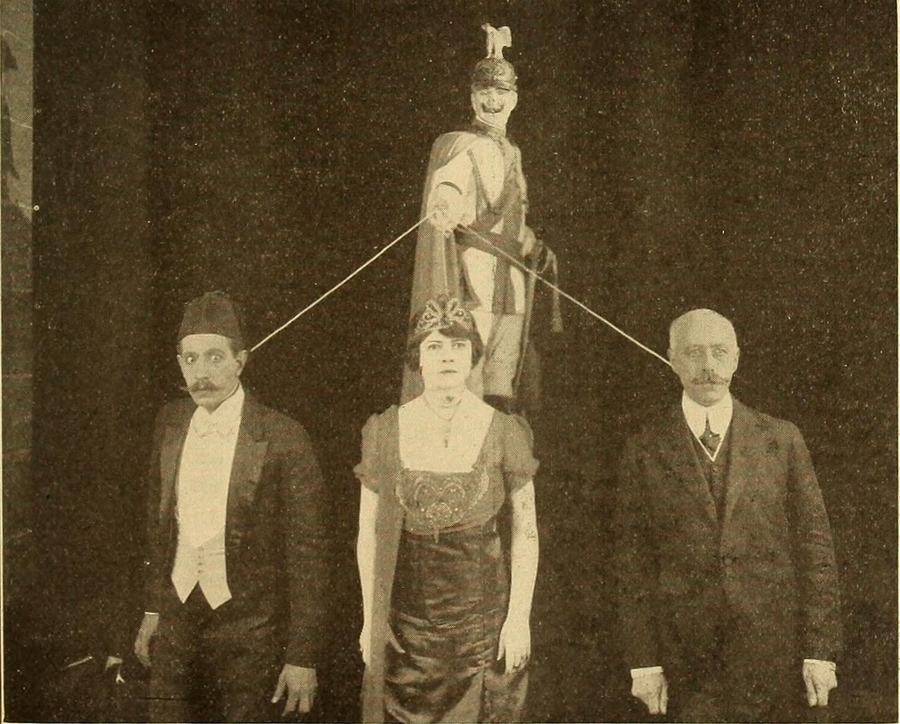
Where Bettina Loved a Soldier softens war into flirtation, The Caillaux Case hardens adultery into geopolitical shrapnel. Where The Hypnotic Violinist mesmerizes with art-for-art’s-sake, Johnson warns: art can forge banknotes of influence. Even The Middleman’s brokerage of secrets feels quaint beside this film’s continental shell game.
Stream the picture today and watch social media scandals ricochet across the intertitles. Replace Calmette’s figaro with a Substack; swap the Browning for a doxxing dump; the dynamics remain identical—only the velocity mutates. Johnson intuited what McLuhan would later codify: the medium is the bullet.
Every close-up of Henriette’s veiled eyes could double as an Instagram story: curated, ominous, begging interpretation.
Scores of silent films promise escapism; The Caillaux Case offers entrapment—historical, moral, cinematic. It traps you in the knowledge that private passions bankroll public catastrophes. It traps you in a gallery of faces whose beauty is proportionate to their capacity for betrayal. And it traps you in the realization that the 20th century did not begin with an archduke’s assassination in Sarajevo but with a society editor’s heart stopped by six ounces of lead on the Boulevard Saint-Germain.
If you emerge from those 102 minutes unshaken, inspect your pulse—and your passport. Somebody may have traded them both for a headline.
Treasure this restoration while it tours festivals; rumor says the rights are tangled tighter than the espionage it depicts. Miss it, and you’ll join the ranks of those who never knew the 20th century’s first shot was fired by a woman in a Maison Redfern dress.
IMDb 6.2
1934
Community
Log in to comment.