DbcultAccessing Vault...
6.2/10
Senior Film Conservator
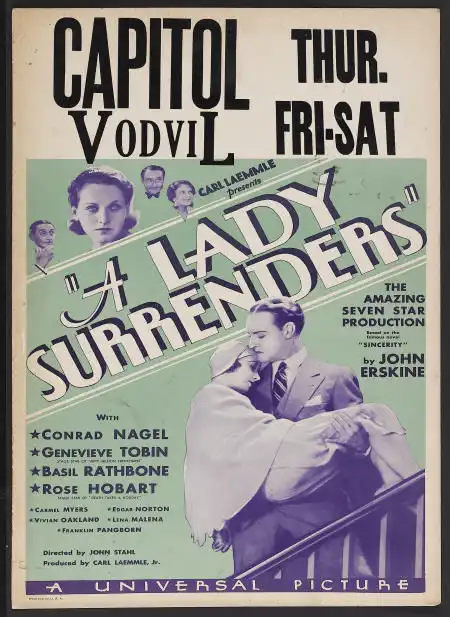
A definitive 6.2/10 rating for a film that redefined the boundaries of cult cinema. A Lady Surrenders remains a cornerstone of transgressive art.
Is A Lady Surrenders worth digging up today? Probably yes, if you're into those classic 1920s melodramas where grand gestures mean everything and people just... *do* things. If you like your drama big and your emotions even bigger, you might find something here. But if you need snappy dialogue and characters who act like real people, well, probably best to skip this one. It's a specific taste, for sure. 🎭
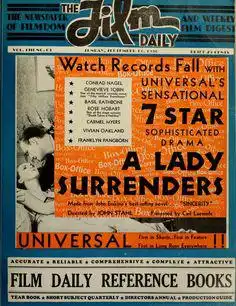
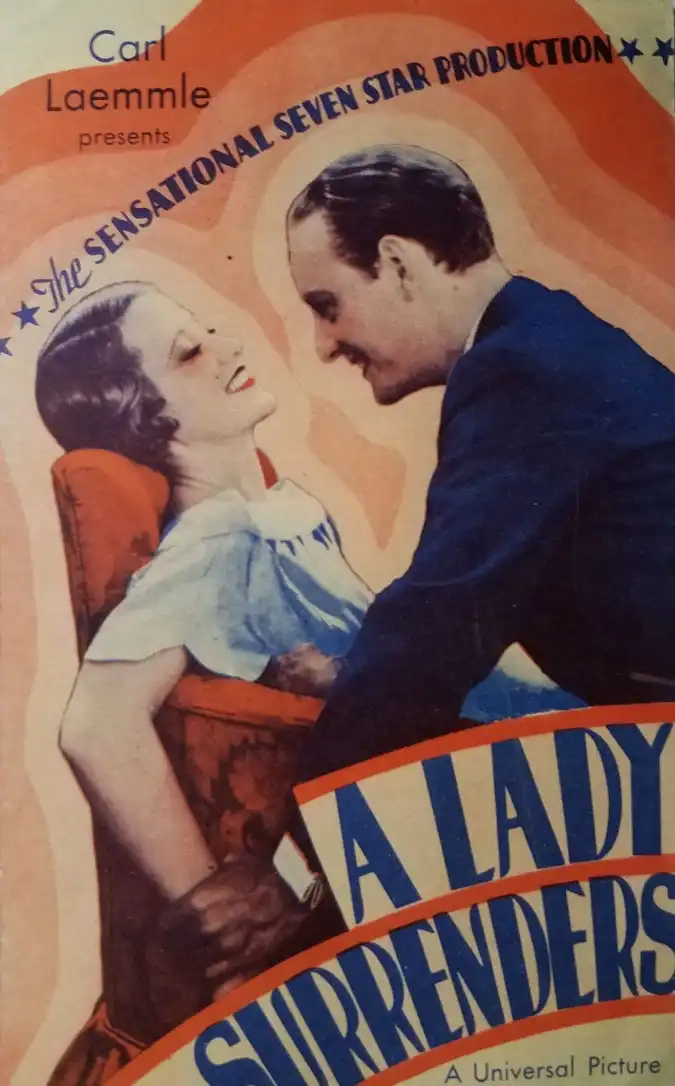
The premise is wild, even for the time. A wife, Mary (Carmel Myers), has a fight with her industrialist husband, Robert (Conrad Nagel). She goes on a trip. He thinks she's gone for good. And then, bam, he marries someone else. Fast. It's hard not to raise an eyebrow at just how quickly Robert moves on. Like, did he even check her travel itinerary? 🤔
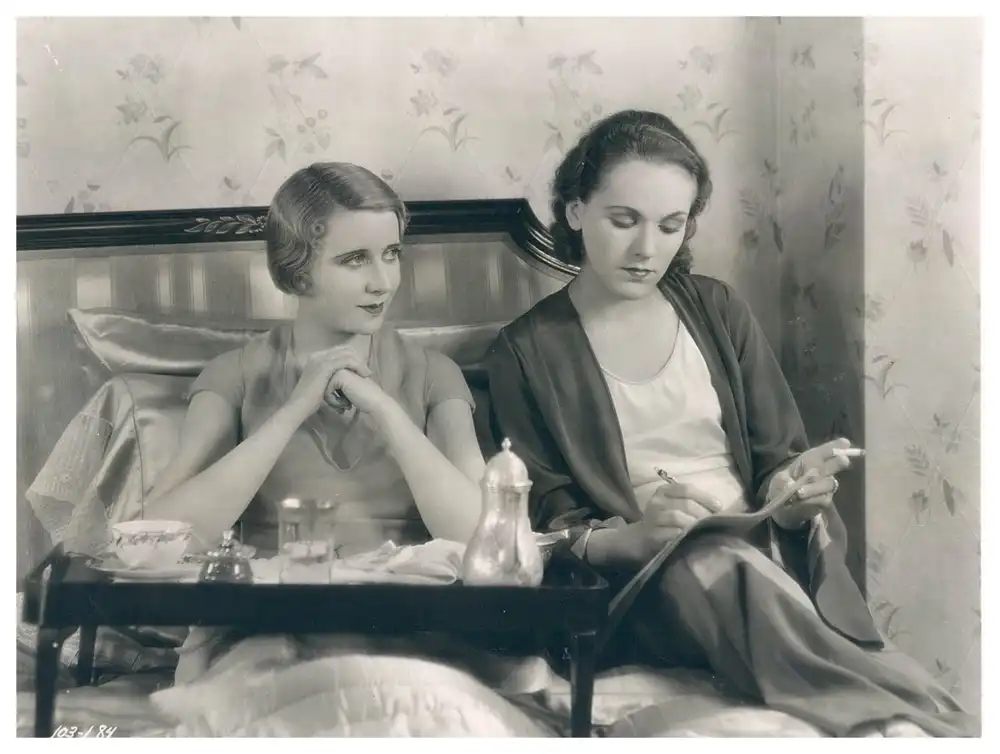
When Mary returns, thinking everything's fine, the *look* on her face when she realizes is just... a lot. Carmel Myers really sells that moment of confusion turning to utter heartbreak. It’s almost painful to watch. The film gives us a good long shot of her just standing there. The silence feels heavy.
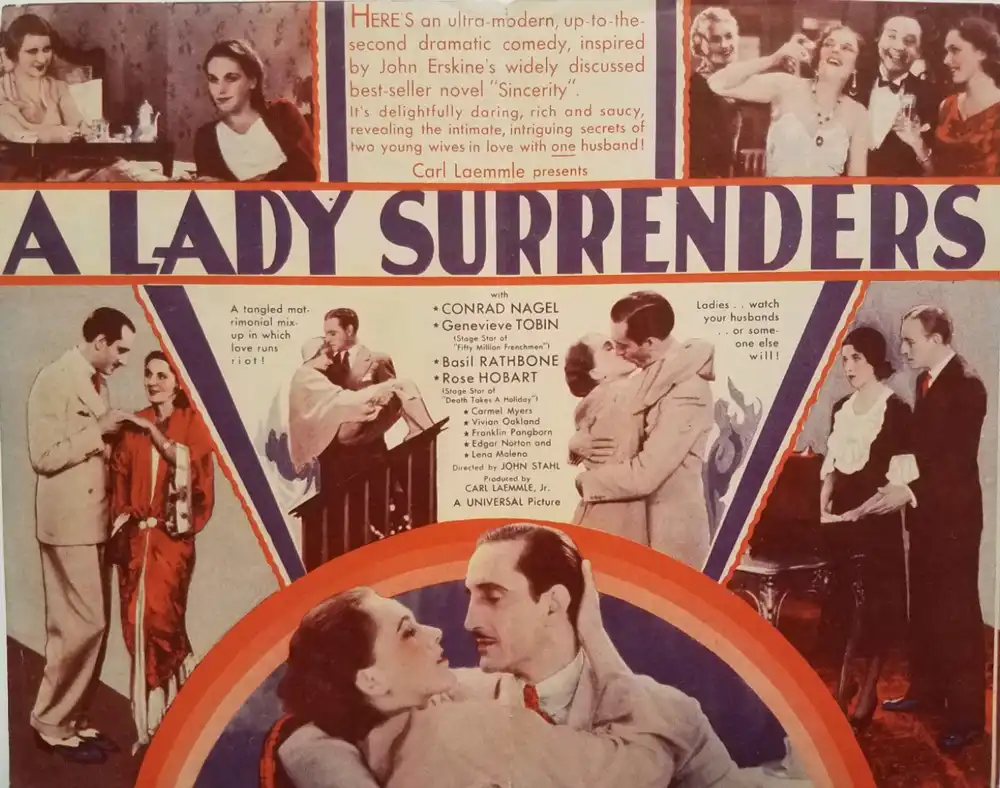
Then there's Basil Rathbone as Phillip. He plays the friend, but you can feel this *tension* around him. He's always there, watching. Not doing much, just observing. Sometimes his gaze just holds for a second too long, and you start to wonder what he's thinking. Is he plotting? Or just confused by everyone else's dramatic decisions? It adds a nice little layer of intrigue to an otherwise straightforward love triangle. Or rectangle, in this case.
The way Robert handles the whole situation, after Mary reappears, feels a bit off. He tries to be honorable, but it just comes across as... a bit clumsy. He makes these speeches, all very formal, about duty and love. You almost want to nudge him and say, "Dude, maybe just talk to them?" The film *really* wants you to feel for his predicament, but you also want to shake him a little.
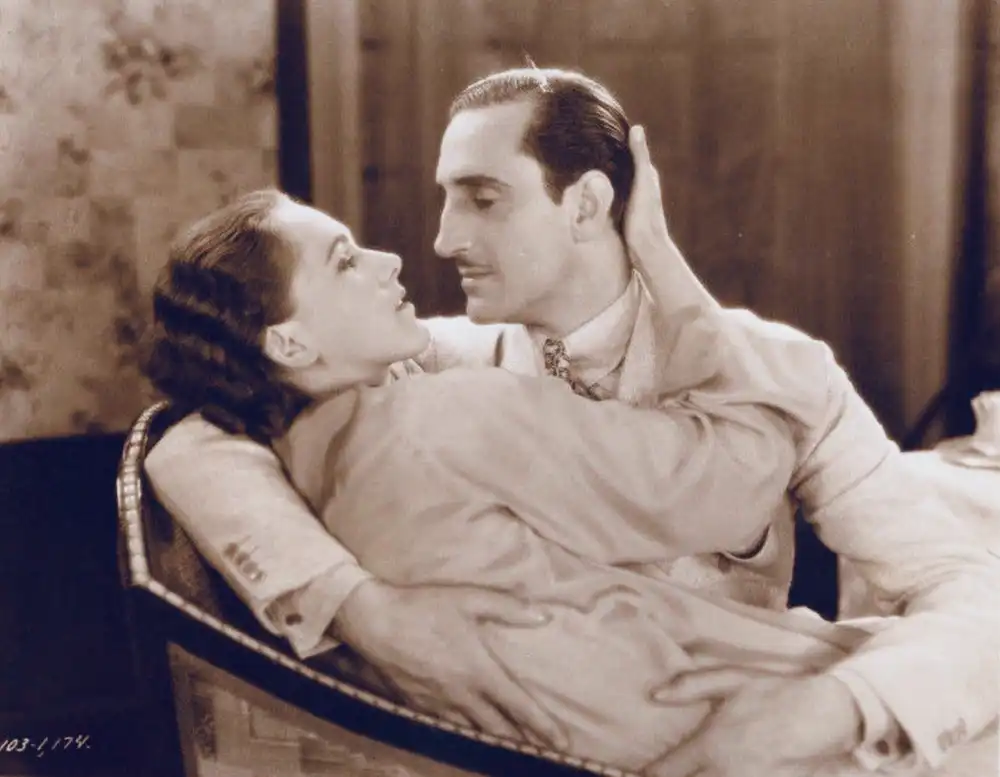
Grace Cunard, playing Robert's second wife, Isobel, has this quiet dignity. She's caught in the middle, and you genuinely feel bad for her. She's not a villain, just another victim of Robert's impulsive marriage choices. There's a scene where she just sits alone, looking out a window. It's short, but it says so much about her isolation. 😔
The movie leans hard into the melodrama. There are these intense close-ups of faces, tears flowing, hands clasped dramatically. Sometimes it works beautifully, like with Myers' initial shock. Other times, it borders on the theatrical, making you think about how different acting styles were back then. It's a whole different rhythm. You can practically hear the dramatic score playing in your head. 🎻
The ending, without giving too much away, tries to resolve everything with a bow. But you're left wondering if any of these characters actually learned anything. Or if they'll just repeat the same big, dramatic mistakes next week. It's a good reminder that some things never change, even in the 1920s. 🤷♀️

IMDb 7.7
1929
Community
Log in to comment.